
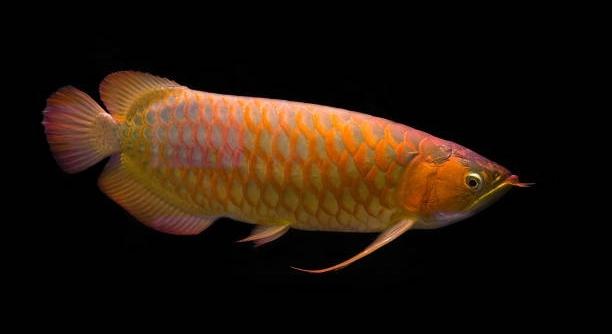
Arowanas are striking, elegant fish that captivate many aquarium enthusiasts. Their active movements and shimmering scales make them a joy to watch, but sometimes these fish can become overstimulated, affecting their behavior and overall well-being.
Overstimulation in arowanas is typically indicated by rapid swimming, frequent darting, flared fins, and refusal to eat. Excessive noise, constant handling, or overcrowded tanks can trigger stress responses, compromising their health and leading to long-term behavioral and physiological issues.
Observing subtle changes in behavior can help prevent serious problems and maintain arowanas’ health in your home aquarium. Recognizing the signs early ensures a more balanced and calm environment for them.
Common Signs of Overstimulation
Arowanas often show overstimulation through noticeable changes in their behavior. They may swim frantically across the tank or repeatedly bump into decorations and glass walls. Some arowanas flare their fins constantly or display rapid gill movement. These behaviors indicate heightened stress levels and can lead to exhaustion if prolonged. Overstimulation can also affect feeding habits. Arowanas might ignore food or spit it out, signaling discomfort. Color changes, such as a duller sheen or darker patches, are also common. Maintaining a calm environment helps prevent these issues. Tank size, placement, and decor all influence their stress levels. Sudden movements near the tank or loud noises can trigger intense reactions. Overcrowded tanks further aggravate the situation, leaving little space for the fish to swim naturally. Observing these patterns carefully allows for early intervention. Proper water conditions, consistent lighting, and minimal disturbances contribute to reducing stress.
Monitoring behavior closely can prevent overstimulation and help arowanas thrive in a healthy environment.
Creating a stable habitat requires attention to detail. Water temperature, pH, and cleanliness directly affect how arowanas react to stimuli. Regular feeding schedules and consistent tank maintenance reduce stress. Decorations should offer hiding spots without overcrowding swimming areas. Limiting sudden disturbances, such as tapping the glass or changing tank arrangements frequently, prevents shock. Over time, arowanas become accustomed to their surroundings and show calmer behavior. Providing sufficient space for swimming allows natural activity without agitation. Even subtle improvements, like reducing bright overhead lighting or controlling nearby vibrations, make a difference. Observing interactions between multiple fish is important, as aggression can worsen overstimulation. Consistent care, patience, and gradual adjustments create a more balanced environment. By addressing environmental factors systematically, overstimulation incidents can be minimized. Healthy arowanas display smooth swimming patterns, proper coloration, and regular feeding, reflecting well-managed tank conditions.
Environmental Triggers
Noise and overcrowding are major stress triggers for arowanas. Constant disturbances can escalate agitation and impact health.
Water quality is essential for reducing overstimulation. Ammonia, nitrite, and nitrate levels must remain within safe ranges. Fluctuations in temperature or pH create stress, making fish more sensitive to their surroundings. Overcrowded tanks force arowanas into continuous movement, increasing energy expenditure and anxiety. Even decorations, if placed incorrectly, can block swimming paths and cause frustration. Controlling lighting is also important; sudden brightness or irregular cycles can trigger hyperactive behavior. Arowanas need predictable routines to feel secure, including feeding at consistent times and minimal handling. Observing behavior after each change helps determine what reduces stress and promotes calm. Regular water testing and tank maintenance prevent environmental instability. Proper filtration and aeration maintain oxygen levels and water clarity.
Creating a low-stress habitat improves overall health, encourages normal behavior, and reduces the risk of disease. Careful planning of space, environmental stability, and minimal interruptions fosters a more peaceful and thriving aquarium. Arowanas respond to consistency, so avoiding frequent changes helps them stay relaxed. Recognizing and adjusting to environmental triggers ensures their long-term well-being, providing a safe space where they can swim freely without overstimulation.
Managing Overstimulation
Reducing stimuli in the tank helps arowanas remain calm. Limiting rapid movements, loud noises, and excessive handling can prevent stress. Adjusting lighting and providing sufficient swimming space also reduces agitation.
Gradual changes in the tank environment are effective. Rearranging decorations slowly instead of all at once prevents shock. Controlling water parameters, including temperature and pH, keeps fish comfortable. Providing hiding spots or shaded areas offers security. Even spacing out feeding times and maintaining a predictable routine helps the arowana feel safe. Monitoring behavior after each adjustment allows you to see what works and what may cause stress. Avoid overcrowding by keeping the number of tank mates suitable for the tank size.
Patience is key when managing overstimulation. Changes should be applied incrementally, allowing fish to adjust at a natural pace. Sudden or frequent alterations can worsen agitation, so consistency in care routines is essential. Observing how arowanas react to small modifications, like moving a plant or adjusting light intensity, provides valuable insight. Maintaining a calm, stable environment ensures that the fish regain normal swimming and feeding behaviors. With careful attention, overstimulated arowanas gradually return to healthy, balanced activity, and long-term stress is minimized.
Behavioral Adjustments
Watching arowanas closely helps identify stress early. Recognizing subtle signals like rapid gill movement or flaring fins prevents prolonged overstimulation. Maintaining a calm routine is crucial.
Encouraging natural behaviors reduces stress and improves overall health. Providing enough swimming space lets arowanas move freely without bumping into objects. Introducing enrichment gradually, such as floating plants or gentle water currents, stimulates activity without overwhelming them. Minimizing interactions with other fish reduces aggression and tension. Consistent feeding schedules reinforce a sense of security. Observing individual differences among fish ensures care is tailored appropriately. Environmental stability paired with gentle enrichment allows arowanas to remain active yet relaxed. These adjustments support both mental and physical well-being.
Monitoring interactions between tank mates is important for managing overstimulation. Aggressive or overly active fish can provoke stress responses. Separating or reorganizing fish to reduce confrontations creates a more balanced environment. Even minor conflicts over territory or food can escalate agitation, so careful observation is necessary. Introducing enrichment slowly ensures it does not cause fear or hyperactivity. Adjusting tank layout to provide hiding spaces and open swimming areas accommodates natural behaviors. Over time, a stable and supportive environment allows overstimulated arowanas to return to normal routines. Maintaining consistent care reduces health risks and promotes calmer, more predictable behavior patterns.
Diet and Feeding
Providing a balanced diet supports calm behavior in arowanas. Avoid overfeeding, as excess food can cause agitation and water quality issues.
Offering variety, including live, frozen, and prepared foods, keeps them engaged without overstimulation. Feeding small portions multiple times a day maintains energy and reduces stress.
Tank Layout
Open swimming areas combined with hiding spots help arowanas feel secure. Avoid overcrowding decorations that block movement. A simple, organized layout reduces stress and encourages natural behavior. Proper spacing between plants, rocks, and tank walls prevents collisions and allows smoother navigation.
Water Quality
Maintaining clean, stable water is essential to reduce stress. Regular testing of ammonia, nitrites, and nitrates prevents harmful fluctuations that trigger overstimulation.
Monitoring Behavior
Consistent observation of swimming patterns, fin movement, and feeding habits reveals early signs of stress. Noticing subtle changes ensures timely interventions.
FAQ
How can I tell if my arowana is overstimulated?
Signs of overstimulation include rapid swimming, darting across the tank, flared fins, and frequent gill movement. The fish may refuse food, become more aggressive, or show duller coloration. Observing behavior closely after changes in the tank environment helps detect early stress.
What causes arowanas to become overstimulated?
Environmental factors like loud noises, sudden movements, bright lighting, and overcrowding can trigger overstimulation. Poor water quality, unstable temperature, or frequent handling also contribute. Even decorations that block swimming paths or alter familiar spaces can increase stress. Predictable routines reduce these reactions.
How can I reduce overstimulation in my tank?
Provide a calm, stable environment. Limit loud noises, sudden movements, and frequent rearrangements. Maintain proper water conditions, including temperature and pH. Offer enough swimming space and hiding spots. Gradually introduce enrichment or changes to prevent shocking the fish.
Is overcrowding a problem for arowanas?
Yes, overcrowding forces arowanas into constant movement and heightens stress. Ensure the tank has enough space for each fish to swim freely. Too many tank mates can trigger aggression and overstimulation, especially with territorial behavior. Spacing decorations and plants properly helps reduce conflicts.
Does lighting affect overstimulation?
Lighting has a big impact. Bright or irregular lighting can make arowanas hyperactive. Consistent light cycles, avoiding sudden changes, and providing shaded areas help fish feel secure. Even small adjustments, like reducing overhead brightness or using diffused light, can calm overstimulated fish.
How does diet influence stress levels?
Feeding schedules and food types affect behavior. Overfeeding or inconsistent timing can cause agitation and uneven energy levels. A balanced diet with live, frozen, or prepared foods keeps arowanas active without overstimulation. Small, frequent meals reduce sudden bursts of energy.
Can tank layout cause overstimulation?
Yes. Decorations that block swimming paths, overcrowded plants, or sharp objects can frustrate arowanas. A layout with open swimming areas and secure hiding spots reduces stress. Gradually adjusting the layout helps fish adapt without triggering hyperactivity.
How do I know when changes are helping?
Observe behavior after each adjustment. Calmer swimming, improved appetite, normal fin positions, and regular interactions indicate reduced overstimulation. Documenting responses over time helps identify which environmental or routine changes are most effective.
Should I separate arowanas if they seem stressed?
Separation can help if aggressive interactions occur or one fish consistently triggers stress in others. Ensure each tank has enough space and hiding areas. Temporary separation followed by gradual reintroduction minimizes stress and prevents repeated overstimulation.
How often should I monitor my arowanas?
Daily observation is ideal. Checking behavior, feeding habits, and water conditions prevents unnoticed stress buildup. Early detection allows for timely interventions, keeping fish healthy and calm. Monitoring helps maintain a consistent, predictable environment that minimizes overstimulation.
What long-term effects can overstimulation have?
Chronic stress can weaken immune systems, reduce appetite, and lead to disease. Aggressive or erratic behavior may persist if triggers are not addressed. Maintaining a stable, low-stress environment helps prevent these long-term consequences and promotes healthy, balanced activity.
Can enrichment activities overstimulate my arowana?
Enrichment is beneficial if introduced gradually. Sudden additions like new plants, floating objects, or water currents can cause temporary hyperactivity. Slowly incorporating changes ensures mental stimulation without overwhelming the fish. Observing their response helps maintain a calm balance.
Is water quality the most important factor?
Water quality is critical. Fluctuations in ammonia, nitrites, nitrates, pH, or temperature directly affect stress levels. Regular testing and maintenance keep the tank stable, which reduces overstimulation and supports overall health. Clean water also prevents secondary health issues.
How can I create a stress-free environment?
Focus on stability: consistent feeding times, predictable lighting, adequate space, clean water, and minimal disturbances. Gradual layout changes, sufficient hiding spots, and careful monitoring of tank mates ensure a balanced environment. Calm, predictable routines are essential to prevent overstimulation and maintain well-being.
What are the first steps when overstimulation occurs?
Immediately reduce stressors. Minimize noise and handling, check water quality, and remove factors causing crowding or conflict. Observe the fish closely, adjust the environment gradually, and monitor feeding and behavior to ensure recovery. Early intervention prevents long-term health issues.
Can I prevent overstimulation entirely?
Complete prevention is difficult, but careful management reduces risk significantly. Stable water conditions, calm surroundings, proper tank size, structured routines, and attention to behavior create an environment where arowanas are less likely to become overstimulated. Regular observation ensures early detection of any issues.
Overstimulation in arowanas is a common issue that can affect their behavior, health, and overall well-being. By paying close attention to their actions, owners can detect early signs of stress and take steps to reduce it. Rapid swimming, flared fins, erratic movements, and a refusal to eat are all clear indicators that arowanas are experiencing overstimulation. These behaviors often occur due to environmental factors such as loud noises, frequent handling, bright lighting, sudden changes, overcrowded tanks, or poor water conditions. Understanding these triggers is crucial, as prolonged stress can lead to health problems, including weakened immune systems, loss of appetite, and increased susceptibility to disease. Creating a calm, stable environment with consistent routines can help arowanas maintain normal behaviors and stay healthy over time.
Providing the right environment involves more than just water quality. Tank size, layout, and decorations all play important roles in how arowanas interact with their surroundings. Open swimming areas allow for natural movement, while hiding spots or shaded areas provide security and reduce stress. Lighting should be consistent, with gradual changes rather than sudden shifts that might startle the fish. Maintaining proper water parameters, including temperature, pH, and cleanliness, is equally important, as fluctuations can trigger agitation and overstimulation. Feeding routines also contribute to stability. Offering a balanced diet with appropriate portions at regular times keeps arowanas energized without creating bursts of activity that might add to stress. Attention to these details creates a predictable, calm environment where arowanas can thrive, displaying normal swimming patterns and healthy coloration.
Observation and patience are key to managing overstimulation effectively. Monitoring behavior allows owners to recognize early signs of stress and respond appropriately before it escalates. Gradual changes, whether in layout, feeding schedules, or tank conditions, allow fish to adjust naturally without sudden disruption. When introducing enrichment, such as plants or gentle water currents, it should be done slowly to avoid overwhelming the fish. Over time, consistent care fosters healthier, calmer arowanas that are better able to handle minor stressors. By combining careful observation, proper tank management, and thoughtful routines, overstimulation can be minimized, ensuring that these elegant fish live in a balanced, comfortable, and low-stress environment.

Hello,
If you enjoy the content that we create, please consider saying a "Thank You!" by leaving a tip.
Every little bit helps us continue crafting quality advice that supports the health, happiness, and well-being of pets around the world, for pets of all shapes, sizes, and species.
We really appreciate the kindness and support that you show us!