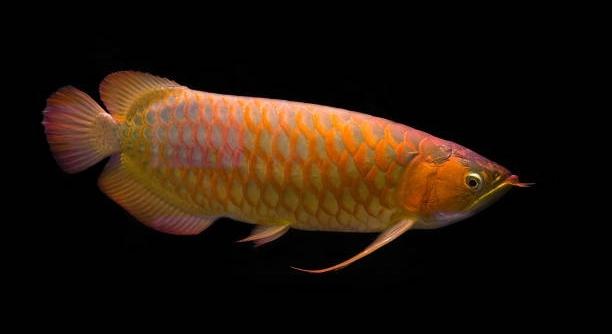
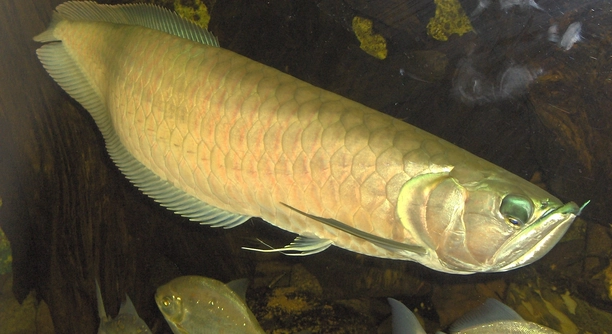
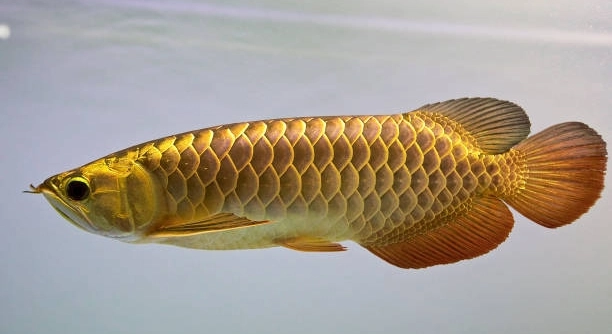
7 Signs Your Arowana Tank Is Too Small

Keeping an arowana can be a rewarding experience, but it requires proper space for the fish to thrive. Many hobbyists overlook tank size, which can affect the fish’s health and behavior over time. Arowanas require large tanks due to their size and active swimming habits. Small tanks limit movement, increase stress, and negatively impact growth, … Read more
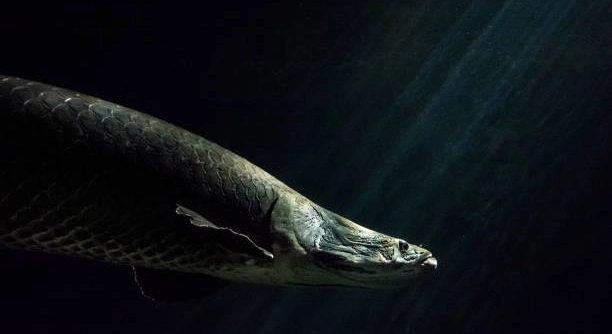
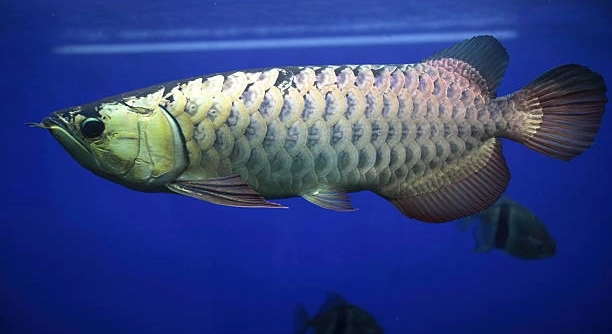
Why Does My Arowana Only Eat at Night?

Do you ever notice your arowana swimming quietly in its tank while the lights are on but only coming alive when the room darkens? Many fish owners find it surprising when their arowana chooses nighttime for feeding. Arowanas are naturally nocturnal predators, preferring to hunt and eat in low-light conditions. Their feeding patterns are influenced … Read more

How to Know If Your Arowana Is Getting Aggressive

Have you ever noticed subtle changes in your arowana’s behavior while watching it swim around the tank? Observing these differences early can help you understand your fish better and keep your aquarium environment safe and calm. Arowana aggression is usually indicated by rapid fin movements, frequent chasing of tankmates, flaring gills, or sudden lunges toward … Read more

What to Do If Your Arowana Jumps Out of the Tank

Your Arowana is an impressive fish, known for its beauty and strength. Sometimes, these fish can unexpectedly leap out of the tank, causing stress for both the fish and the owner. Handling the situation calmly is important. If your Arowana jumps out of the tank, immediately secure the fish in a safe, shallow container filled … Read more

Can You Hand-Feed an Arowana? (Pros and Cons)

Arowanas are beautiful, large freshwater fish that often fascinate hobbyists with their size and elegance. Many owners enjoy observing their behavior and wonder about ways to interact with them more directly and safely. Hand-feeding an arowana is possible but requires caution and consistency. Proper hand-feeding can strengthen trust, but it also carries risks such as … Read more

7 Ways to Build Trust With Your Arowana

Are you fascinated by the elegance of arowanas but find it challenging to build a connection with them? These striking fish are intelligent and sensitive, making trust a key component of a harmonious aquatic relationship. Building trust with your arowana requires consistent interaction, proper care, and respect for its natural behavior. Regular feeding, gentle handling, … Read more

7 Ways to Safely Change Arowana Water Faster

Are your arowanas showing signs of stress or sluggish behavior? Changing their water more efficiently can improve their environment and keep them healthier. Regular maintenance is essential for their wellbeing and overall tank cleanliness. The most effective way to safely change arowana water faster is to use partial water changes combined with proper filtration and … Read more

7 Reasons Your Arowana Has Lost Color (+Fixes)

Your Arowana is a beautiful fish known for its bright, shimmering colors. Many owners take pride in watching their fish grow, but sometimes these colors start to fade for reasons that are not always obvious. Arowana lose their vibrant coloration mainly due to stress, poor diet, inadequate water quality, improper lighting, aging, disease, or genetic … Read more

Should You Cover Your Arowana Tank at Night?

Have you ever wondered if your arowana feels more comfortable at night with a tank cover? Many fish owners think covering the tank can help reduce stress or mimic natural dark environments. Arowanas are sensitive creatures. Covering your arowana tank at night can provide a calmer environment, reduce sudden light disturbances, and promote a natural … Read more

Can Arowana Thrive in Outdoor Ponds?

Do you enjoy keeping ornamental fish and are thinking about expanding your collection outdoors? Arowanas are striking, large freshwater fish that many enthusiasts consider for outdoor ponds due to their impressive size and beauty. Arowanas can survive in outdoor ponds if proper conditions are met, including sufficient pond size, stable water temperature, appropriate filtration, and … Read more