
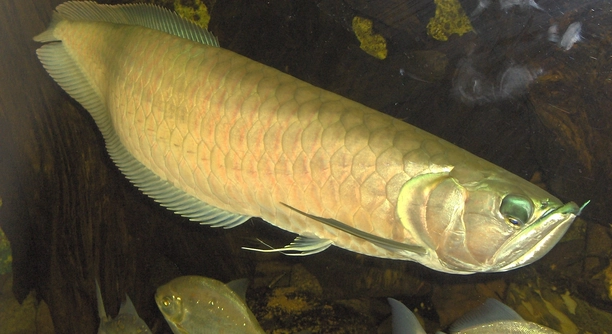
Have you ever wondered if your arowana feels more comfortable at night with a tank cover? Many fish owners think covering the tank can help reduce stress or mimic natural dark environments. Arowanas are sensitive creatures.
Covering your arowana tank at night can provide a calmer environment, reduce sudden light disturbances, and promote a natural sleep cycle. However, improper covering may limit airflow, increase humidity, or create condensation issues that affect overall tank health.
Understanding the proper way to cover your tank can improve your arowana’s wellbeing and prevent potential problems related to sleep and stress.
Why Arowanas Benefit from a Night Cover
Arowanas are naturally sensitive to light and environmental changes. Leaving the tank uncovered at night can expose them to sudden light, reflections, or movement in the room, which may stress them. Stress can affect their appetite, immune system, and overall health. Covering the tank helps create a darker, more consistent environment that mimics natural nighttime conditions. Some owners notice calmer behavior and improved rest when a cover is used. However, not all covers are suitable. Materials that trap heat or restrict airflow can create humidity problems, which may lead to algae growth or respiratory issues. Using a breathable cloth or a specialized tank cover works best. It is important to monitor the tank regularly, even when covered, to ensure the water conditions remain stable. Small adjustments, like partially covering the tank or using a thin sheet, can provide benefits without causing ventilation issues. The right balance supports your arowana’s health and peace.
A simple cover at night can reduce stress, encourage regular sleep patterns, and help maintain a more natural environment for your arowana.
Observing your arowana’s behavior with and without a cover can guide your approach. If your fish swims nervously at night or jumps near the surface, a cover may help. It is also important to consider tank lighting schedules. Avoid sudden bright lights or frequent switching, as a covered tank can ease transitions. Arowanas thrive with predictable routines. Consistency in nighttime covering, paired with proper feeding and water care, contributes to their long-term wellbeing. By paying attention to small changes, you can see how much a nighttime cover improves comfort and reduces unnecessary stress.
Choosing the Right Cover Material
Not all materials are safe for nighttime covering.
Breathable fabrics like thin cotton or specially designed aquarium covers are ideal. They allow airflow, prevent condensation buildup, and maintain a stable temperature. Avoid plastic sheets that trap heat or moisture, as these can create a stuffy environment and lead to bacterial growth. The cover should fit securely but not block access to filtration or lighting controls. Some aquarists use partially open covers, balancing darkness and ventilation. Testing different options while observing the fish’s response helps determine what works best. A well-chosen cover protects your arowana and ensures the tank remains healthy.
Using the wrong material or covering too tightly can lead to humidity problems, uneven temperature, and poor water circulation, which negatively affect both fish and tank equipment. Breathable covers allow oxygen exchange, reduce condensation on the tank glass, and prevent mold growth. A partially open approach can help maintain air movement while providing sufficient darkness. Materials like lightweight fabric or mesh provide these benefits, while solid plastics may trap heat and moisture. Monitoring the tank for condensation or odor is important. Over time, you will notice a calmer fish and cleaner tank when proper materials are used. Consistency in cover use also helps regulate nighttime behavior. Proper selection improves sleep patterns and supports natural routines, enhancing overall wellbeing. Adjust the cover as needed for seasons, lighting changes, or tank maintenance. By observing your arowana’s reactions, you can fine-tune the approach, ensuring both safety and comfort.
When Not to Cover Your Arowana Tank
Arowanas with strong lighting needs or tanks in cooler rooms may not benefit from a full nighttime cover. Covering can trap heat and moisture, creating an unsuitable environment. Observation is key to see if covering stresses your fish.
Some arowanas thrive in well-lit environments even at night. Covering in these situations can cause overheating, condensation, or limited oxygen circulation. If your tank uses heaters or high-powered filters, a tight cover may interfere with airflow and water stability. Monitoring temperature and humidity is essential, as fluctuations can stress the fish and affect health. Some owners use partial coverings or breathable fabrics to provide darkness while maintaining proper ventilation. Adjusting based on your tank setup ensures the fish remains comfortable.
Behavioral changes indicate when covering is unsuitable. Excessive hiding, erratic swimming, or rapid gill movement can signal discomfort. Observing patterns over several nights can help determine whether a cover benefits your arowana or creates stress, allowing you to make informed decisions for long-term care.
Best Practices for Covering
Use a lightweight, breathable fabric that fits securely over the tank but allows air circulation. Avoid materials that trap heat or moisture.
Cover the tank only during nighttime hours to simulate natural sleep patterns. Remove the cover during the day to allow normal lighting and feeding routines. Partial coverage can reduce stress without compromising airflow. Always check water temperature and humidity after placing the cover. Adjust based on the season or room conditions. Regular observation ensures your arowana remains comfortable. Avoid covering while performing maintenance or when fish are feeding. Combining a proper cover with a consistent schedule supports healthy sleep, reduces stress, and helps maintain stable tank conditions.
Even with proper covering, monitoring remains important. Check for condensation, water temperature, and oxygen levels regularly. A breathable cover prevents trapped heat but still allows darkness, which helps regulate your arowana’s sleep cycle. Observing fish behavior provides insight into their comfort. Changes like lethargy or unusual swimming patterns may indicate ventilation issues or overheating. Adjust the cover as necessary to maintain balance. Consistency, proper material choice, and careful monitoring together ensure that your arowana benefits from a nighttime cover without compromising tank health or fish wellbeing.
Timing Your Tank Cover
Cover the arowana tank right after the room lights go off to maintain a consistent night cycle. This helps the fish recognize nighttime and settle down for rest.
Remove the cover in the morning when natural or artificial light is restored. This signals the start of the day and encourages normal activity and feeding.
Monitoring Your Arowana’s Behavior
Observe how your fish reacts when the tank is covered. Signs of comfort include slower swimming, resting near the bottom, and calmer breathing. If your arowana shows stress, such as darting, excessive gill movement, or rubbing against the tank walls, adjust the cover or try partial coverage. Consistency is key—monitor behavior over several nights to ensure the nighttime covering supports a healthy sleep cycle. Adjusting cover material, placement, and timing based on observation will help maintain a stable environment while keeping your fish comfortable and stress-free.
Seasonal Adjustments
During warmer months, use lighter or more breathable covers to prevent heat buildup.
FAQ
Should I cover my arowana tank every night?
Covering the tank every night can help your arowana feel secure and calm. It mimics natural darkness and reduces disturbances from household lights or movement. Some owners prefer partial coverage if full covering causes condensation or limits airflow. Observing your fish for signs of stress is the best way to know if nightly covering works.
Can covering the tank harm my arowana?
Covering can cause problems if the material traps heat or moisture. High humidity may encourage bacterial growth, and poor airflow can reduce oxygen levels. Using breathable fabric or a specialized aquarium cover prevents these issues. Always check water temperature and oxygen levels when using a cover.
What type of cover works best?
Lightweight, breathable fabrics are ideal. Materials like thin cotton or mesh allow airflow while providing darkness. Avoid solid plastic or heavy covers that trap heat. Partial covers can also work, giving a balance of darkness and ventilation while keeping the tank safe.
How do I know if my arowana likes the cover?
Calm behavior is a good sign. Resting near the bottom, slower swimming, and relaxed gill movements indicate comfort. Signs of stress include rapid swimming, rubbing against the glass, or frequent surface jumping. Monitor your fish for a few nights to see consistent reactions.
Should the cover be used year-round?
Seasonal adjustments may be needed. In warmer months, use lighter, breathable covers to avoid overheating. During colder months, thicker or insulated covers may help maintain stable nighttime temperatures. Always ensure proper ventilation to prevent condensation and maintain oxygen levels.
Does covering affect feeding schedules?
Covering at night generally doesn’t impact feeding if the cover is removed during daytime. Fish rely on light cues for activity, so morning feeding should remain consistent. Avoid leaving the cover on during feeding, as it can stress the fish or interfere with eating behavior.
Can partial covering work instead of a full cover?
Yes, partial covering can provide darkness while maintaining airflow. It can reduce stress from sudden light changes without trapping heat or moisture. Observing your arowana’s behavior will help determine whether full or partial coverage is better for your tank setup.
Do other fish in the tank need the cover?
Different species have different light and stress tolerances. If your tank has other fish, observe their behavior. Some may benefit from darkness, while others may prefer light. Adjust the cover to meet the needs of all tank inhabitants without compromising ventilation or water quality.
How long should the cover stay on at night?
Keep the cover on during the room’s nighttime period, usually 8–12 hours. This aligns with natural day-night cycles. Remove it in the morning to allow light exposure, normal activity, and feeding. Maintaining consistency helps regulate sleep and stress levels in your arowana.
What maintenance is needed when using a cover?
Regularly check the tank for condensation, temperature, and oxygen levels. Clean the cover to prevent mold or bacteria buildup. Adjust placement or material if problems arise. Routine monitoring ensures your arowana stays healthy and comfortable while benefiting from nighttime covering.
Can covering reduce stress during water changes?
Yes, covering the tank before and after water changes can help reduce stress. The darkness calms the fish, making them less likely to react aggressively to disturbances. Just ensure that airflow and water parameters remain stable during these periods.
Is it necessary for young arowanas to have a cover?
Juvenile arowanas can be more sensitive to sudden light and movement. A nighttime cover can help them settle and sleep more effectively. Watch for any signs of overheating or reduced oxygen levels, as smaller fish may be more affected by poor ventilation.
Does covering the tank improve overall health?
Consistent nighttime covering can support healthier sleep patterns, reduce stress, and create a more stable environment. Lower stress levels often result in better appetite, stronger immunity, and improved growth. Monitoring and adjusting the cover ensures these benefits without compromising water quality or safety.
Can I use household materials as a cover?
Yes, but choose breathable fabrics like thin cloth or mesh. Avoid plastic sheets or heavy blankets that trap heat or moisture. Improvised covers can work temporarily but should be monitored closely for ventilation and temperature issues. Proper materials provide safety and comfort.
What signs indicate the cover needs adjustment?
Excessive condensation, mold, erratic fish behavior, or changes in swimming patterns indicate the cover may need adjustment. Switching materials, partially opening the cover, or improving ventilation can resolve these issues while keeping your arowana comfortable.
How do I introduce a cover if my fish isn’t used to it?
Start gradually by partially covering the tank for a few hours each night. Observe reactions and increase coverage over time. A slow introduction reduces stress and allows the fish to adapt to new nighttime conditions comfortably.
Can covering help during bright night lights?
Yes, covering the tank can shield arowanas from sudden bright lights, like hallway lamps or TV glare. It reduces stress and mimics natural darkness, supporting rest and calmer nighttime behavior. Proper material and placement are key to effectiveness.
Does the cover impact tank equipment?
Some covers may interfere with filters, heaters, or lights if not properly fitted. Ensure the cover allows access to essential equipment and maintains airflow to prevent overheating or malfunction. Observing the tank while covered prevents unintended issues.
Are there alternatives to using a cover?
If covering isn’t suitable, dimming room lights, using soft tank lighting, or installing a night mode on aquarium lights can reduce stress. The goal is to provide a calm, consistent nighttime environment without harming water conditions or fish health.
Can multiple arowanas share a covered tank?
Yes, but watch for aggression or territorial behavior. Covers reduce light stress, but conflicts between fish may still occur. Adjusting coverage or providing hiding spaces ensures a balanced environment for all arowanas.
How often should I clean the cover?
Clean the cover at least once a week or as needed to prevent dust, mold, or bacteria buildup. Regular cleaning ensures proper airflow and maintains a healthy tank environment, keeping your arowana comfortable and safe.
Will covering affect tank temperature significantly?
A breathable cover usually has minimal impact, but solid or heavy materials can trap heat. Monitor nighttime temperatures, especially if heaters or lights are in use. Adjusting cover type or placement prevents overheating and maintains stable conditions for your fish.
Can covering help with aggressive behavior?
Yes, reducing light disturbances and sudden movements at night can calm arowanas and minimize aggression. A consistent nighttime cover provides a safe space, helping reduce conflicts and improving overall tank harmony.
How do I choose the right size cover?
The cover should fit the tank securely without leaving gaps that let light in. It should not block access to equipment or prevent airflow. A snug, appropriately sized cover provides darkness and safety while supporting proper ventilation.
Is it safe to leave the cover on during filter or heater checks?
It’s best to remove or partially lift the cover during maintenance. This prevents interference with equipment, allows you to monitor water changes, and ensures the fish aren’t exposed to sudden temperature or oxygen fluctuations.
Can covering reduce algae growth?
Indirectly, yes. Reducing nighttime light exposure can limit the growth of algae stimulated by light. However, regular cleaning and proper filtration are still essential. The cover supports a balanced environment, but it is not a complete solution for algae control.
How do I balance covering with lighting for live plants?
If your tank has live plants, use a timer for aquarium lights or partial coverage to ensure they receive sufficient light. Covering should not block essential plant growth while still providing darkness for your arowana at night. Monitoring plant health helps maintain balance.
What’s the ideal material for long-term use?
Breathable fabrics like thin cotton, mesh, or specialized aquarium covers are best for long-term use. They provide darkness, prevent heat and moisture buildup, and are easy to clean. Durability and proper ventilation make them safer than heavy or solid materials.
Does covering help during power outages?
Yes, a cover can provide darkness during unexpected lights on or fluctuations, helping reduce stress. Ensure airflow isn’t blocked entirely, as oxygen levels may be affected without proper aeration. Monitoring during outages ensures safety and comfort.
Can covering reduce jumping or escape attempts?
A consistent nighttime cover may calm arowanas, reducing stress-induced jumping or attempts to escape. It provides a sense of security and darkness, making the fish feel safer in their environment, which lowers the risk of accidents or injuries.
How do I know when to replace the cover?
Replace the cover if it becomes moldy, damaged, or loses its breathable quality. Worn-out materials can trap heat or moisture, creating unsafe conditions. Regular inspection ensures continued safety and comfort for your arowana.
Is covering more important for adult or juvenile arowanas?
Both benefit, but juveniles are more sensitive to light and movement. Covering supports sleep, reduces stress, and encourages proper growth. Adults may be less reactive, but consistent nighttime covering still provides environmental stability and comfort.
Does covering affect tank humidity?
Yes, solid covers can trap moisture, raising humidity. Breathable materials prevent excess humidity while still providing darkness. Monitoring the tank ensures the right balance, protecting both fish health and equipment longevity.
Can covering help during loud noises?
Partially, by reducing light and visual disturbances, a cover may calm your arowana during household noise. However, extreme vibrations or sounds may still stress the fish, so other environmental adjustments may be needed.
What is the best way to test a new cover?
Introduce the cover gradually, observing your arowana’s behavior over several nights. Watch for stress signs, temperature changes, or condensation. Adjust placement or material as needed to find the best solution for comfort and health.
Can covering improve tank aesthetics at night?
Yes, a cover can hide equipment or reflections, making the tank look cleaner and less distracting at night. It also creates a cozy environment for the fish without interfering with tank functionality.
Is it necessary to cover tanks with dim lights?
Dim lights reduce disturbance, but a cover still helps provide consistent darkness. Even minimal light exposure at night can affect sleep patterns, so covering supports a calm, healthy environment.
How do I maintain airflow with a cover?
Use breathable fabrics, mesh, or partially open designs to ensure oxygen exchange. Avoid sealing the tank completely. Proper airflow prevents condensation, overheating, and oxygen depletion while still providing darkness.
Can covering affect filter efficiency?
Covers that block airflow or restrict equipment access can impact filter performance. Ensure the cover allows proper ventilation and does not obstruct hoses, inlets, or outlets. Regular monitoring maintains both fish comfort and equipment functionality.
Does covering reduce night stress for multiple tanks in the same room?
Yes, it can reduce stress caused by reflections or movement between tanks. Individual covers or partial coverage for each tank provides darkness and minimizes distractions for each arowana, improving overall calmness.
Can covering help with water clarity?
Indirectly, yes. Reduced light exposure can limit algae growth and minimize stress-related debris from fish activity. Regular cleaning and filtration remain crucial, but a cover supports a more stable, visually clear environment.
What precautions should I take with heated tanks?
Ensure the cover does not trap excess heat. Use breathable material and monitor nighttime temperatures. Adjust placement or use partial coverage if heaters cause temperature spikes. Proper ventilation keeps your arowana safe and comfortable.
Is covering important for nocturnal feeding?
If you feed at night, adjust the cover so the fish can see food. Remove or partially lift it during feeding to prevent stress and ensure proper nutrition, then replace it afterward to maintain nighttime darkness.
Can covering help with aggressive tank mates?
Yes, it reduces visual disturbances and sudden movement triggers, calming interactions. Partial or full coverage at night creates a sense of security, lowering aggression and supporting tank harmony.
How do I choose the right thickness for a cover?
Lightweight materials provide darkness without trapping heat. Heavier fabrics may be used in cooler rooms but monitor temperature carefully. Breathable, moderate-thickness covers work best for balance between darkness and ventilation.
Does covering affect water evaporation?
Partial covers reduce evaporation slightly by limiting airflow but still allow ventilation. Solid covers may trap humidity, reducing evaporation more but risking condensation buildup. Monitoring and proper material choice maintain stable tank conditions.
Can covering help with seasonal stress?
Yes, it provides consistent darkness and security during changing day lengths or temperature shifts. Seasonal adjustments in material or placement ensure comfort, supporting arowana health throughout the year.
How do I clean fabric covers?
Hand wash or machine wash gentle fabrics regularly to remove dust and prevent mold. Avoid harsh chemicals. Ensure the cover is dry before returning it to the tank to maintain a healthy, breathable environment.
What is the ideal nighttime duration for the cover?
Typically 8–12 hours aligns with natural night cycles. Consistent timing supports sleep, reduces stress, and regulates behavior. Adjust according to your household lighting and fish activity patterns.
Can covering prevent jumping at night?
Yes, a calm, dark environment reduces stress-induced jumping. Consistent nighttime covering makes your arowana feel secure, minimizing sudden movements or escape attempts and promoting safer behavior.
How do I handle multiple arowanas with different light preferences?
Observe each fish’s behavior and adjust partial coverage accordingly. Provide hiding spaces or separate zones if needed. Balancing darkness and ventilation for all fish ensures comfort while preventing stress or aggression.
Are there risks with DIY covers?
DIY covers can work if they are breathable and fit properly. Avoid heavy or solid materials that trap heat. Monitor temperature, condensation, and fish behavior closely to ensure safety and effectiveness.
How often should I check on a covered tank?
Daily observation is ideal. Look for signs of stress, condensation, or equipment issues. Consistent monitoring ensures your arowana remains comfortable and safe with the nighttime cover in place.
Can covering help with tank reflections?
Yes, it reduces reflections and visual distractions that may stress the fish. A darkened environment improves sleep and creates a calmer tank, especially in rooms with bright lights or windows.
What’s the difference between full and partial covers?
Full covers provide complete darkness but may limit airflow if not breathable. Partial covers offer darkness while maintaining ventilation. Observing your fish’s behavior helps determine which method works best for your tank.
Does covering interfere with lighting timers?
No, as long as the cover doesn’t block light sensors. Timed lights can still function while the cover provides darkness at night, supporting natural day-night cycles for your arowana.
Can covering help reduce disease risk?
Indirectly, yes. By lowering stress and promoting proper sleep, a cover supports immunity. Reduced disturbances and stable conditions contribute to overall health, decreasing vulnerability to illness.
Should I adjust the cover for tank size?
Yes, larger tanks may need more breathable or segmented coverage. Small tanks can use single-piece fabric. Proper fit ensures darkness, airflow, and accessibility to equipment for any tank size.
How do I store the cover when not in use?
Keep it clean, dry, and free from dust or moisture. Folding or rolling gently prevents wrinkles or damage. Proper storage maintains the cover’s effectiveness and longevity.
Can covering help with aggressive feeding behavior?
Indirectly, yes. A calm, dark environment reduces stress and competition during the day, improving overall behavior and reducing aggressive feeding incidents at night or during early hours.
Does covering affect water pH or chemistry?
No, a breathable cover does not directly impact water chemistry. Monitoring parameters is still necessary, but the cover itself primarily affects light, airflow, and temperature conditions.
Can covering help during tank relocation?
Yes, covering temporarily during moves can reduce stress from new surroundings, bright lights, or sudden activity. Ensure ventilation and temperature remain safe during the process.
How do I prevent mold on the cover?
Use breathable materials and wash regularly. Ensure it dries completely before placing it back. Proper airflow and maintenance prevent mold growth, keeping your arowana safe and healthy.
Can covering work in tanks with strong aquarium lights?
Yes, breathable or partial covers can block excess light while maintaining ventilation. Adjust placement to ensure the tank remains dark at night without affecting equipment performance.
Does covering help with nighttime aggression between fish?
It can calm fish by reducing visual triggers and sudden movements. A dark, quiet environment at night decreases stress-related conflicts and encourages peaceful interactions.
What is the best way to monitor effectiveness?
Observe behavior, gill movement, swimming patterns, and overall health. Calm, resting fish indicate a successful cover. Track changes over several nights for consistency and adjust as needed.
Are mesh covers better than fabric?
Mesh allows excellent airflow while providing darkness. Fabric may block more light but must be breathable. Choice depends on tank conditions, room temperature, and fish response.
Can covering help with water splashing or evaporation?
Partial covers reduce splashing slightly while allowing airflow. Full covers may limit evaporation but must be breathable to prevent condensation buildup. Balance ensures both water stability and fish comfort.
How do I test a new cover before regular use?
Place it partially over the tank for a night. Monitor fish behavior, temperature, humidity, and condensation. Adjust material or placement based on observations before making it permanent.
Does covering affect heater efficiency?
If the cover traps heat, heaters may overcompensate. Breathable or partial covers prevent overheating and maintain stable nighttime temperatures, ensuring safety and comfort.
Can covering reduce nighttime activity?
Yes, darkness encourages natural rest. Fish become calmer, swim less, and show slower gill movement. Reduced activity at night supports proper sleep cycles and overall health.
What if my arowana dislikes the cover?
Try partial coverage, breathable materials, or gradual introduction. Observing behavior and adjusting timing or placement can help your fish adapt without stress. Patience is key.
How long can a cover stay on safely?
Typically 8–12 hours overnight. Longer durations are possible with breathable materials, but always monitor temperature, oxygen, and humidity to prevent stress or unsafe conditions.
Can covering help reduce jumping during tank maintenance?
Yes, a darkened environment during brief disturbances can calm fish and reduce sudden movements. Ensure ventilation and safety while performing maintenance.
Is it necessary to cover tanks in low-light rooms?
Even in low-light areas, a consistent nighttime cover helps regulate sleep patterns and reduce disturbances, supporting your arowana’s overall health.
Can covering affect nocturnal bacteria or algae growth?
Yes, reducing light exposure limits algae growth and can slow bacteria activity influenced by light. Regular maintenance remains necessary, but the cover helps create a balanced nighttime environment.
How do I adjust for multiple tank setups?
Observe each tank individually. Partial or full covers may differ depending on fish species, tank lighting, and room conditions. Balancing darkness and ventilation ensures comfort for all inhabitants.
What precautions for open-top tanks?
Use secure, breathable materials to prevent fish jumping. Ensure
Final Thoughts
Covering your arowana tank at night can provide many benefits when done correctly. Arowanas are naturally sensitive to light and environmental changes, so creating a darker, calmer environment at night can help them rest better. Nighttime covering reduces disturbances from sudden room lights or movement, which can stress the fish and affect their health. A calm environment encourages slower swimming, relaxed gill movements, and overall comfort. By providing a sense of security, a cover allows your arowana to follow a more natural sleep pattern, which is important for long-term wellbeing. Choosing the right type of cover is crucial, as some materials can trap heat or moisture, causing problems in the tank.
When selecting a cover, focus on materials that allow proper ventilation while still providing darkness. Breathable fabrics, mesh, or specialized aquarium covers are ideal. These options maintain airflow, prevent condensation, and reduce the risk of overheating. Avoid heavy or solid materials that block air circulation, as they can affect oxygen levels and water stability. It is also important to monitor your arowana’s behavior when using a cover. Calm and resting behavior indicates that the cover is working well, while signs of stress, such as darting or rapid gill movement, may require adjustments. Partial coverage or gradual introduction can help fish adapt without causing additional stress. Regular observation ensures that your arowana remains comfortable, safe, and healthy.
Consistency is another important factor when using a nighttime cover. Covering the tank at the same time each evening and removing it in the morning helps regulate your arowana’s natural day-night cycle. This creates a stable routine that supports proper feeding, activity, and rest. Seasonal adjustments may be necessary depending on room temperature and lighting conditions, but the goal should always be to provide darkness without compromising airflow or tank safety. Monitoring water temperature, humidity, and fish behavior ensures that the cover remains beneficial. Over time, a carefully chosen and consistently used cover can reduce stress, support better sleep, and contribute to overall health. With proper care, covering your arowana tank at night becomes a simple, effective way to create a more natural and comfortable environment for your fish.

Hello,
If you enjoy the content that we create, please consider saying a "Thank You!" by leaving a tip.
Every little bit helps us continue crafting quality advice that supports the health, happiness, and well-being of pets around the world, for pets of all shapes, sizes, and species.
We really appreciate the kindness and support that you show us!