7 Ways to Make Your Arowana Feel Safe

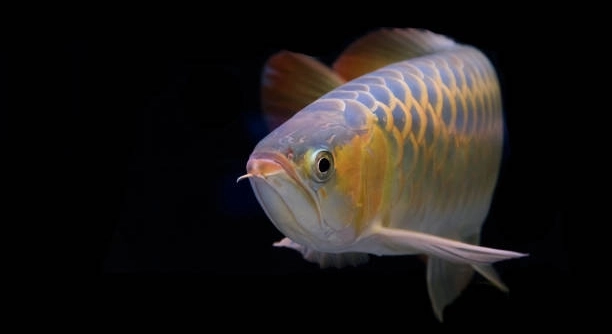
Is your arowana acting skittish or spending most of its time hiding in corners instead of swimming confidently around the tank? The best way to make your arowana feel safe is by creating a calm and stable environment. This includes maintaining consistent water conditions, minimizing sudden movements around the tank, and providing appropriate hiding spots … Read more
Why Is My Arowana Hitting the Lid Repeatedly?

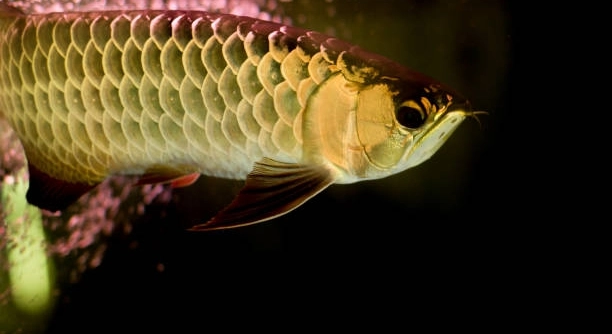
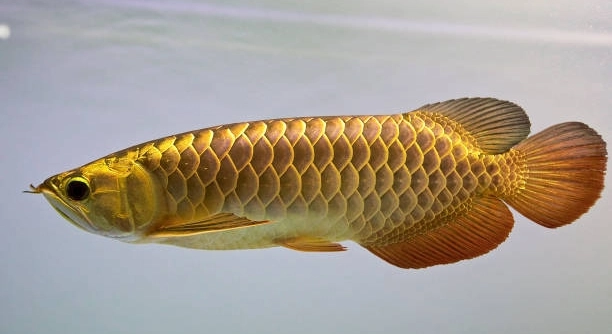
Is your arowana repeatedly hitting the lid of its tank? This behavior can be stressful to witness, especially when you care about your fish’s wellbeing. Many owners struggle to understand why their arowana acts this way in its environment. Arowanas often hit the lid due to stress, insufficient swimming space, poor water conditions, or reflections … Read more

Why Is My Arowana Chasing Shadows?

Have you ever noticed your arowana darting around its tank, seemingly chasing invisible shapes across the glass or substrate? This behavior can seem puzzling and may leave you wondering what causes such sudden bursts of movement. The primary reason your arowana is chasing shadows is due to its heightened sensitivity to light and reflections. Arowanas … Read more

7 Small Adjustments That Help Arowana Thrive

Are you caring for an arowana and want to see it flourish in your home aquarium? Arowanas are elegant and fascinating fish, yet they require careful attention to thrive. Small adjustments can make a significant difference. Providing an optimal environment for arowanas involves careful control of water parameters, diet, and tank setup. Adjustments such as … Read more

7 Clues That Your Arowana Is Stressed by Light

Are your arowanas swimming nervously or hiding more than usual in their tank? Sudden changes in lighting or prolonged exposure to bright lights can affect their behavior. Understanding these signs is important for a healthy aquarium environment. Arowanas often display stress due to excessive or inappropriate lighting through specific behavioral and physical cues. Recognizing these … Read more

7 Arowana Behaviors You Shouldn’t Ignore

Do you love keeping arowanas but sometimes notice unusual movements or behaviors that make you pause? These fish are fascinating and beautiful, yet subtle changes in their habits can reveal important signs about their well-being. Arowanas display several behaviors that indicate their health, stress levels, or environmental comfort. Recognizing signs such as surface gulping, erratic … Read more

Should You Rearrange the Tank for Arowana?

Arowanas are striking fish that bring elegance to any aquarium. Their movements are graceful, and maintaining a stable environment is essential to keep them healthy and stress-free, ensuring they thrive in your tank for years. Rearranging the tank for arowanas should be approached cautiously. Sudden changes in layout or decorations can stress the fish, disrupt … Read more

7 Signs Your Arowana Is Adjusting Well

Are your Arowanas settling into their new environment without stress or discomfort? Observing their behavior closely can help you ensure they are healthy and comfortable in their tank, creating a more harmonious and stable aquatic habitat. Signs that an Arowana is adjusting well include consistent swimming patterns, active feeding, clear eyes, vibrant colors, regular breathing, … Read more

Can Arowana Feel Stress from Outside the Tank?

Do you enjoy watching your arowana swim gracefully, yet notice moments when it seems uneasy or agitated? These striking fish can appear calm one moment and restless the next, making it important to understand their well-being. Arowanas can experience stress from stimuli outside their tanks. External disturbances, including sudden movements, loud noises, and frequent human … Read more

Why Does My Arowana Follow My Fingers?

Do your Arowana often swim close to your hand, following your fingers as they move along the tank? Many fish owners notice this behavior and wonder why their aquatic companion seems so attentive and interactive. Arowanas often follow fingers due to their natural hunting instincts and curiosity. The movement of your fingers mimics prey, triggering … Read more