
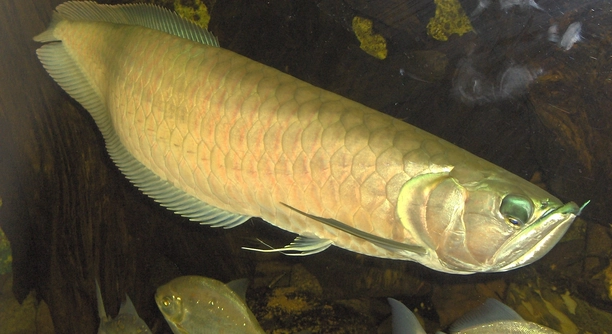
Do you enjoy watching your arowana swim gracefully, yet notice moments when it seems uneasy or agitated? These striking fish can appear calm one moment and restless the next, making it important to understand their well-being.
Arowanas can experience stress from stimuli outside their tanks. External disturbances, including sudden movements, loud noises, and frequent human activity, may trigger physiological and behavioral stress responses, affecting their feeding habits, swimming patterns, and overall health.
Recognizing these stress signs helps ensure your arowana remains healthy. Small adjustments to its environment can create a calmer, safer habitat for long-term care.
Signs of Stress in Arowanas
Arowanas display several clear indicators when they are stressed. You might notice rapid gill movement, erratic swimming, or frequent hiding. A loss of appetite is another common sign, as stressed fish often reduce their feeding. Changes in color, such as dullness or darkening of the scales, can also occur. It is important to monitor these behaviors consistently, as stress can weaken their immune system and make them more susceptible to disease. Environmental factors such as sudden changes in water temperature, strong currents, or overly bright lighting can trigger these reactions. Even consistent tapping on the glass or overcrowding in the tank may contribute to tension. Stress is not always immediately obvious, so taking careful notes on behavior and physical changes can help detect problems early. By identifying stress signs promptly, you can take effective steps to maintain your arowana’s health and comfort.
Understanding stress signals allows you to adjust the tank environment before issues worsen.
Frequent observation is key. Even small behavioral shifts, like hesitation near feeding time or unusual swimming paths, may indicate stress. Adjusting tank placement, reducing noise, and providing hiding spaces can reduce tension. Maintaining stable water conditions, including temperature, pH, and filtration, is essential. Regular interaction and gentle observation without tapping the glass help arowanas feel secure. Over time, consistent care can improve behavior, color, and appetite, creating a peaceful environment where your fish thrives. Paying attention to minor signs ensures early intervention, preventing long-term health consequences.
External Factors Affecting Arowanas
Environmental changes outside the tank can influence arowana behavior. Loud noises, room vibrations, and frequent activity nearby may cause anxiety.
Arowanas are sensitive to movement and sound. Items placed near the tank, such as electronics or heavy foot traffic, may cause startle responses. Sudden lighting changes, shadows, or reflective surfaces can make fish defensive or stressed. Even household routines like vacuuming or loud conversations can trigger stress if frequent. Long-term exposure to these factors can reduce appetite, alter swimming patterns, and increase susceptibility to disease. Positioning the tank in a quieter area and minimizing sudden changes helps create stability. Covering portions of the tank or using tank backgrounds can shield fish from constant external stimulation. Understanding these environmental triggers allows for practical adjustments, ensuring the arowana feels safe.
By managing outside influences, you can maintain a calmer tank environment. Reducing visual and auditory disturbances not only improves feeding behavior but also supports healthy growth and coloration. Strategic placement of the aquarium, combined with consistent routines, ensures stress levels remain low. Observing your fish’s reactions to daily activity can guide further refinements, such as adding plants or decorations for hiding. Over time, these small changes help create a stable habitat, allowing your arowana to exhibit natural behaviors without fear or tension. A well-managed environment promotes longevity, health, and overall vitality for these majestic fish.
Preventing Stress in Arowanas
Providing a stable environment reduces stress effectively. Keep the water parameters consistent, maintain proper filtration, and avoid overcrowding. Adding hiding spots or plants offers a sense of security. Limiting sudden noises and movement around the tank helps the fish feel more comfortable.
Regular maintenance is essential for arowana health. Frequent water changes and cleaning the substrate prevent toxins from accumulating, which can otherwise trigger stress responses. Monitoring temperature and pH levels ensures stability. Observing daily behavior allows early detection of stress indicators. Feeding a balanced diet at regular intervals supports immune function and reduces anxiety. Small environmental adjustments, such as dimming lights or adding shelters, can make a significant difference in promoting calm behavior and overall well-being.
Consistency in daily care builds trust between the fish and its environment. Gradual changes are better tolerated than sudden ones, and minimizing external disturbances keeps the fish relaxed. Even seemingly minor habits, like avoiding tapping on the glass or maintaining predictable routines, have a positive impact. Creating a habitat that mimics natural conditions, with proper space and decorations, supports natural swimming patterns and reduces aggression. Over time, these practices foster a healthy, stress-free environment where your arowana can thrive and display its full range of behaviors.
Monitoring and Adjusting Tank Conditions
Observing the tank regularly helps detect early signs of stress. Look for changes in appetite, swimming patterns, or coloration.
Maintaining water quality is critical for stress reduction. Test ammonia, nitrite, and nitrate levels frequently to ensure safety. Proper oxygenation and temperature control prevent physiological strain. Adjusting lighting to avoid sudden brightness or long exposure can reduce anxiety. Decorations and hiding places provide a sense of security. Avoid overcrowding, as competition for space can increase tension. Paying attention to behavioral changes allows quick intervention. Even minor adjustments, like repositioning the tank away from heavy foot traffic or loud appliances, can make a noticeable difference in the fish’s comfort and health.
Regular monitoring allows for timely interventions. Gradual adjustments, such as slowly changing water temperature or rearranging decorations, help arowanas adapt without stress. Observing feeding behavior and social interactions with other tank mates provides insight into their well-being. If unusual patterns appear, such as lethargy or constant hiding, corrective measures can be implemented immediately. Ensuring consistent routines, like feeding at the same time each day and performing maintenance carefully, minimizes surprises. Small steps, including dimming lights during noisy periods or adding plants for cover, contribute to a more stable environment. These actions support long-term health, improving coloration, appetite, and overall activity levels, creating a calm habitat where the arowana can thrive naturally.
Feeding and Stress Management
Providing a consistent feeding schedule helps reduce stress. Overfeeding or underfeeding can lead to health problems and anxiety.
Offering a balanced diet with high-quality pellets, occasional live food, and supplements keeps your arowana healthy and more resilient to external stressors.
The Role of Tank Placement
Placing the tank in a quiet area minimizes disturbances from daily household activities. Avoid high-traffic zones or direct sunlight that may cause temperature fluctuations. Proper placement ensures your arowana feels secure and maintains a consistent routine, which is crucial for long-term health and calm behavior.
Signs of Chronic Stress
Persistent stress can manifest as lethargy, faded coloration, or refusal to eat. Monitoring these signs early allows for timely intervention, preventing long-term health consequences and ensuring arowanas remain active and healthy.
FAQ
Can loud noises really stress out an arowana?
Yes, loud noises can disturb arowanas. Sudden sounds, banging on furniture, or household appliances may startle them, triggering stress responses. Over time, repeated exposure can reduce appetite and disrupt normal swimming patterns. Keeping the tank in a quiet area helps maintain a calm environment.
Do visitors or frequent movement near the tank affect arowanas?
Constant movement around the tank can make arowanas anxious. They notice shadows, reflections, and gestures outside their habitat. Limiting foot traffic and keeping hands or objects away from the glass reduces tension. They respond better to a stable, predictable environment.
Can temperature changes cause stress?
Yes, arowanas are sensitive to temperature fluctuations. Rapid shifts can weaken their immune system and trigger stress behavior. Maintaining a stable water temperature, using a reliable heater or chiller if needed, and avoiding direct sunlight exposure helps keep them comfortable.
How does water quality impact stress?
Poor water quality is a major stress factor. High ammonia, nitrite, or nitrate levels can irritate gills and reduce oxygen availability. Regular water testing, cleaning, and proper filtration prevent these problems. Healthy water conditions are essential for stress-free swimming and feeding.
Is tank size important for reducing stress?
Tank size significantly affects arowana well-being. Overcrowding or a too-small tank can cause territorial disputes and restrict natural movement. Providing adequate swimming space and avoiding overcrowding with other fish ensures they feel secure and reduces aggression or nervous behavior.
Do arowanas get stressed by sudden changes in lighting?
Yes, sudden or overly bright lighting can frighten arowana. Gradual changes in light intensity or using dimmable lights create a calmer environment. Covering portions of the tank or using natural daylight cycles also helps maintain stability and reduces anxiety.
Can stress affect arowana appetite?
Stress often reduces appetite. Stressed fish may refuse food or eat less, leading to weight loss or malnutrition. Observing feeding habits regularly helps detect stress early. Adjusting environmental factors and ensuring routine feeding improves both comfort and appetite.
Does tank decoration influence stress levels?
Yes, decorations provide hiding spots and reduce visual stress. Plants, rocks, or floating shelters give a sense of security. Sparse or empty tanks can make arowanas feel exposed and anxious. Properly arranged decorations mimic a natural environment and promote calm behavior.
Can handling or tapping the glass cause stress?
Yes, tapping or frequent handling outside the tank can startle them. Even gentle disturbances trigger defensive or evasive behavior. Minimizing contact with the glass and avoiding sudden interactions supports arowana comfort and reduces unnecessary stress responses.
How can I tell if stress is chronic?
Chronic stress appears as persistent lethargy, faded coloration, constant hiding, or refusal to eat. Long-term stress can weaken immunity and increase disease susceptibility. Observing daily behavior and maintaining consistent care helps prevent chronic stress and ensures the fish remains healthy.
Are arowanas stressed by tank mates?
Aggressive or incompatible tank mates can cause tension. Territorial conflicts or constant chasing increase anxiety. Choosing compatible species and providing enough space and hiding areas reduces social stress and promotes peaceful coexistence.
What role does routine play in stress management?
A consistent routine helps arowanas feel secure. Regular feeding times, predictable maintenance, and stable environmental conditions minimize sudden disturbances. Predictability reduces anxiety and promotes natural behaviors, making fish more comfortable over time.
Can external vibrations or household activity cause stress?
Yes, vibrations from washing machines, vacuuming, or heavy footsteps may disturb arowanas. They are sensitive to vibrations in their environment. Reducing exposure or isolating the tank from these activities prevents unnecessary stress and supports calm behavior.
How can I gradually reduce stress if the fish seems anxious?
Gradual environmental adjustments work best. Slowly changing water parameters, rearranging decorations, and minimizing external stimuli allows the arowana to adapt. Adding plants or shelters and maintaining a stable feeding routine further encourages relaxation and comfort.
Does water current intensity affect stress?
Strong currents can tire arowanas and cause anxiety. Gentle, well-distributed flow is preferable. Adjusting filter output and monitoring swimming behavior ensures the current supports activity without creating stress.
Can I use supplements to reduce stress?
Some dietary supplements, such as vitamins or immune boosters, may help fish handle stress better. However, environmental management and proper care remain the primary factors in reducing anxiety and ensuring overall health.
Is isolation ever beneficial for stressed arowanas?
Yes, temporarily isolating a stressed fish can help if tank mates are causing aggression or competition. Providing a quiet, secure space allows recovery before reintroducing it to the main tank, minimizing prolonged stress and promoting overall health.
Do seasonal changes affect stress levels?
Seasonal temperature and lighting changes can cause mild stress. Maintaining consistent indoor conditions, monitoring water temperature, and adjusting light exposure gradually help prevent seasonal disruptions from impacting behavior.
How important is observation for stress management?
Daily observation is essential. Noticing small changes in swimming, feeding, or appearance allows early intervention. Prompt adjustments in environment, routine, or water quality prevent stress from escalating, ensuring your arowana stays healthy and calm.
What are the long-term effects of unmanaged stress?
Chronic stress can stunt growth, weaken immunity, reduce coloration, and increase disease risk. Persistent anxiety impacts overall health and longevity. Consistent care, proper tank conditions, and minimizing external stressors are critical for long-term well-being.
Can stress cause behavioral changes?
Yes, stressed arowanas may become aggressive, hide constantly, or swim erratically. Observing these patterns helps identify triggers, allowing adjustments to restore comfort and natural behavior. Maintaining stability and providing secure spaces reduces stress-induced behavioral issues.
How quickly can arowanas recover from stress?
Recovery depends on the severity and duration of stress. Small adjustments, like reducing noise or improving water quality, can show improvement within days. Chronic stress may take weeks, requiring consistent care and stable conditions for full recovery.
Are young arowanas more sensitive to stress than adults?
Juvenile arowanas are generally more sensitive to environmental changes. Proper tank size, gentle handling, and consistent routines are especially important during early development to ensure healthy growth and reduce anxiety.
Can stress affect reproduction?
Yes, stressed arowanas may show reduced breeding behavior. Maintaining stable, low-stress conditions improves the chances of healthy mating and successful reproduction. Consistent environment, diet, and minimal disturbances are essential for reproductive health.
Do arowanas recognize familiar environments?
They respond better to stable surroundings. Frequent rearrangement or sudden changes can cause anxiety. Maintaining consistent water parameters, tank layout, and environmental cues helps them feel secure and reduces stress.
Can seasonal temperature adjustments mimic natural habitat reduce stress?
Gradual seasonal adjustments that mimic natural fluctuations can help acclimate fish. Sudden shifts, however, increase stress risk. Careful control of temperature and light supports natural rhythms while minimizing anxiety.
Are there any signs that indicate recovery from stress?
Improved appetite, consistent swimming patterns, bright coloration, and curiosity indicate recovery. A fish returning to normal behavior after environmental adjustments shows reduced stress and better overall well-being.
How can I make the tank environment more stimulating without causing stress?
Adding plants, gentle water flow, and hiding spaces provides enrichment. Avoid overcrowding or sudden changes. Gradual introduction of decorations or tank rearrangement keeps the environment interesting while maintaining security and minimizing anxiety.
Is it necessary to isolate a fish after illness to reduce stress?
Yes, isolating a sick fish prevents disease spread and reduces stress from interactions with healthy tank mates. A calm, quiet recovery space supports healing and reduces anxiety during treatment.
How do I know if my care routine is effective in reducing stress?
Observe behavior, appetite, and coloration consistently. Calm swimming, consistent feeding, and bright scales indicate the environment and care routine are effectively minimizing stress and supporting overall health.
Can sudden water changes trigger stress?
Large, rapid water changes can shock an arowana. Gradual partial water changes are safer, preventing sudden shifts in temperature, pH, or chemical balance that can lead to stress responses.
Are arowanas more stressed in tanks with poor visibility or clarity?
Murky water or low visibility can increase anxiety. Clean, clear water allows the fish to navigate confidently, reduces fear, and promotes normal behavior. Proper filtration and regular maintenance are key.
Does overstocking a tank increase stress?
Yes, overcrowding increases competition, aggression, and territorial disputes. Adequate space for swimming, hiding, and feeding is essential to minimize stress and maintain peaceful behavior among tank inhabitants.
Can stress be inherited or genetic?
Some genetic tendencies influence temperament, but environment plays a larger role. Proper care, stable conditions, and minimizing disturbances have the most impact on reducing stress regardless of inherent temperament.
Do arowanas react differently to stress depending on age?
Yes, juveniles are more sensitive and may hide or refuse food, while adults show slower behavioral changes. Adjusting care to the age and size of the fish ensures proper stress management.
Is visual stimulation from outside the tank beneficial or harmful?
Excessive visual stimulation, such as mirrors, reflections, or frequent movement, increases stress. Controlled exposure with minimal disturbances is safer, helping the fish feel secure while maintaining interest in its environment.
How can I track stress levels effectively?
Maintaining a journal of behavior, feeding, coloration, and environmental conditions helps track stress. Regular observation and noting changes allow timely interventions to prevent long-term consequences.
Does frequent relocation of the tank cause stress?
Yes, moving a tank introduces new visual and environmental factors, which can stress arowanas. Minimizing relocation and ensuring stability after moving supports calm behavior and health recovery.
Can social interactions with other species reduce stress?
Only compatible species reduce tension. Aggressive or overly active tank mates increase stress. Careful selection, proper spacing, and monitoring behavior are essential to maintain harmony and reduce anxiety.
Are arowanas stressed by reflections in the glass?
Yes, reflections can trigger defensive behavior. Using tank backgrounds or adjusting lighting reduces mirrored images, helping the fish feel secure and minimizing unnecessary stress responses.
Can poor nutrition contribute to stress?
Yes, inadequate diet weakens immunity and increases susceptibility to stress. Providing high-quality food with balanced nutrients supports resilience and overall well-being.
Do arowanas remember stressful experiences?
They exhibit learned responses to repeated stressors. Avoiding repeated negative experiences, maintaining consistency, and reducing external disturbances help prevent chronic anxiety and promote long-term comfort.
Are stress-reducing techniques effective for all arowanas?
Most techniques work if applied consistently. Individual temperament and environmental sensitivity may vary, but stable care, proper feeding, minimal disturbances, and enrichment generally reduce stress effectively.
Is it safe to use chemical stress relievers?
Some commercial products claim to reduce stress, but environmental management remains safer and more effective. Chemical solutions may mask symptoms without addressing underlying causes, so consistent care is preferred.
How do I balance stimulation and stress reduction?
Provide gentle water movement, plants, and hiding spots while avoiding sudden changes or overcrowding. Gradual introduction of enrichment keeps the fish engaged without causing anxiety.
Can stress affect growth rates?
Yes, chronic stress slows metabolism and growth. Maintaining optimal environmental conditions, proper nutrition, and low-stress surroundings supports normal development and vitality.
Do arowanas recover faster from stress if cared for consistently?
Consistent care accelerates recovery. Stable water parameters, proper diet, minimal disturbances, and enriched environment support natural behavior, improve appetite, and restore color, helping the fish regain health efficiently.
Is monitoring behavior the best way to measure stress?
Yes, observation of swimming patterns, hiding, feeding, and coloration provides the clearest indicators. Combining monitoring with environmental management ensures effective stress reduction and overall well-being.
How important is water circulation in stress management?
Proper water circulation ensures oxygen distribution and prevents stagnant areas. Balanced flow reduces physical strain, supports natural swimming behavior, and helps maintain a calm, stress-free environment.
Are there signs of improvement after stress interventions?
Yes, returning appetite, normal swimming, reduced hiding, and bright coloration indicate positive response. Consistent care and environmental stability support recovery from stress over time.
Can stress cause illness in arowanas?
Yes, chronic stress weakens immunity, increasing susceptibility to infections and disease. Maintaining low-stress conditions and proper care prevents health issues and supports longevity.
How do I differentiate normal behavior from stress behavior?
Normal behavior includes regular swimming, feeding, and color vibrancy. Deviations, such as hiding, erratic movement, or reduced appetite, indicate stress. Observing patterns over time allows accurate identification and intervention.
Can stress influence lifespan?
Prolonged stress reduces overall health, slows growth, and increases disease risk, potentially shortening lifespan. Minimizing stress through consistent care, stable environment, and proper nutrition promotes longevity.
Is it necessary to adjust care techniques over time?
Yes, as fish grow and environmental factors change, adjustments in diet, tank setup, and routines help maintain low-stress conditions and ensure continuous well-being.
Do arowanas prefer quiet tanks over visually stimulating ones?
Generally, quiet, stable tanks reduce stress. Visual stimulation should be minimal and gradual to avoid anxiety while still providing enrichment that encourages natural behaviors.
How often should stress levels be assessed?
Daily observation is ideal. Noting feeding, swimming, hiding, and coloration ensures early detection of stress. Timely adjustments prevent escalation and maintain a calm, healthy environment.
Are there signs that stress is irreversible?
Severe, prolonged stress may cause permanent health issues, stunted growth, or chronic disease. Early intervention is crucial to prevent irreversible damage.
Can I use plants to reduce stress?
Yes, plants provide hiding spots, shade, and environmental enrichment. Proper placement offers security, reduces visual disturbances, and supports natural behavior.
Does stress affect coloration in arowanas?
Yes, stressed fish often lose brightness or develop dull scales. Restoring calm conditions and proper care helps regain natural coloration over time.
How can I maintain a low-stress environment long-term?
Consistent routines, stable water quality, minimal disturbances, appropriate tank mates, enrichment, and careful observation ensure long-term comfort, health, and vitality for your arowana.
Is temperature consistency more important than other factors?
Temperature stability is critical but works best alongside proper water quality, tank placement, and feeding routines. Balanced care across all factors ensures minimal stress and optimal health.
Can overfeeding reduce stress?
Overfeeding can lead to poor water quality and digestive issues, increasing stress. Feeding measured portions at regular intervals maintains health and comfort.
Do arowanas respond differently to male and female owners?
No significant difference exists. Stress response is influenced by behavior around the tank, environmental stability, and consistency of care, rather than owner gender.
Is observing social behavior important for stress management?
Yes, monitoring interactions with other tank mates highlights tension or aggression. Adjusting tank dynamics based on these observations reduces anxiety and promotes harmony.
Can adding new fish cause stress?
Yes, introducing new fish can trigger territorial behavior and anxiety. Gradual acclimation, proper space, and observation reduce stress during integration.
Does stress affect sleep patterns?
Chronic stress may alter resting behavior, leading to irregular or reduced sleep. Maintaining calm, quiet conditions helps support normal rest cycles.
Are stress signs the same for all arowana species?
While most signs like hiding, appetite loss, or color changes are common, some species may show slight variations. Consistent observation remains the best method to detect stress.
Can stress cause erratic swimming patterns?
Yes, anxiety often leads to rapid, circular, or uncoordinated swimming. Addressing environmental or social triggers helps restore normal movement.
Do seasonal daylight changes affect stress?
Sudden shifts in light exposure may disturb fish. Gradual adjustment of lighting mimics natural conditions and minimizes anxiety.
Can stress cause fin damage?
Yes, stressed fish may bite or damage their own fins. Reducing triggers and providing hiding spots prevents self-harm and supports healing.
How long should it take for stress to subside?
Recovery varies. Minor stress may resolve in days, while chronic issues require weeks of stable care, consistent routine, and supportive environment to restore normal behavior.
Is stress management different for indoor vs. outdoor tanks?
Outdoor tanks face more environmental fluctuations and predators, increasing stress risk. Indoor tanks allow controlled conditions, making stress management simpler and more effective.
Can stress cause aggressive behavior?
Yes, stressed arowanas may become defensive or attack tank mates. Identifying triggers and providing space, hiding spots, or isolation reduces aggression.
Does water hardness impact stress?
Extreme hardness can affect physiological comfort. Maintaining species-appropriate water hardness supports natural function and reduces environmental stress.
Can stress lead to swimming near the surface constantly?
Yes, anxious fish may stay near the surface seeking oxygen or safety. Ensuring proper water quality, oxygenation, and calm conditions encourages natural swimming behavior.
Are stress signs reversible?
Most stress effects can be reversed with consistent care, stable water conditions, minimal disturbances, proper diet, and gradual environmental adjustments.
Does tank size affect stress more than decorations?
Both matter, but insufficient space limits natural movement and causes chronic anxiety more severely than decoration layout. Optimal tank size remains essential.
Can stress be genetic?
Some temperamental traits are inherited, but environment and care have a far greater impact on stress levels than genetics.
Does handling during cleaning cause stress?
Yes, sudden netting or excessive handling can trigger fear. Limiting interactions and using gentle techniques minimizes stress during maintenance.
Is stress higher in younger arowanas?
Yes, juveniles are more sensitive to environmental changes, requiring stable water, predictable routines, and gradual introduction to stimuli.
Can stress affect mating behavior?
Yes, anxious fish may avoid breeding. Calm, stable conditions with proper space and nutrition encourage normal reproductive behavior.
Do arowanas recover color after stress?
Yes, with improved conditions, consistent care, and reduced disturbances, coloration gradually returns as the fish becomes healthier and more relaxed.
Can stress influence longevity?
Chronic stress weakens immunity, slows growth, and increases disease risk, potentially shortening lifespan. Proper care minimizes stress and supports a long, healthy life.
Is observation the most effective stress prevention method?
Yes, daily monitoring of behavior, feeding, and appearance allows early detection and timely environmental adjustments, effectively preventing prolonged stress and maintaining fish health.
How can I ensure stress doesn’t return?
Maintain stable water conditions, predictable routines, minimal disturbances, adequate space, and enriched environments. Consistent care prevents reoccurrence of stress and promotes long-term well-being.
Final Thoughts
Arowanas are remarkable fish, admired for their elegance, strength, and vibrant colors. Caring for them goes beyond feeding and cleaning; it requires understanding their natural tendencies and sensitivities. Stress is a significant factor in their overall health and behavior, and it can originate from both inside and outside the tank. Recognizing signs of stress, such as changes in swimming patterns, hiding, or loss of appetite, is the first step toward ensuring a comfortable and healthy environment. These behaviors are often subtle at first, but with careful observation, you can identify early warning signs before they develop into serious health issues. Addressing stress promptly helps prevent long-term consequences and supports the arowana’s growth, immunity, and vitality. Consistency in care, along with attention to environmental factors, plays a crucial role in minimizing stress and maintaining a stable, thriving habitat.
Maintaining proper water quality is essential for reducing stress in arowanas. Regular testing of ammonia, nitrite, nitrate, and pH levels ensures the water remains within safe parameters. Temperature stability is equally important, as sudden changes can trigger anxiety and affect metabolism. Providing a well-structured tank with hiding spots, plants, and gentle water flow creates a sense of security while encouraging natural behaviors. Limiting external disturbances, such as loud noises, excessive movement, or sudden lighting changes, also contributes to a calmer environment. Proper tank placement away from high-traffic areas and direct sunlight can further reduce stress. Feeding a balanced diet at regular intervals supports physical health and enhances the fish’s ability to cope with minor stressors. Each of these elements, when carefully managed, works together to create a habitat where your arowana can thrive physically, mentally, and emotionally.
Observation and consistency are key to long-term stress management. Daily monitoring of behavior, feeding habits, coloration, and interaction with the environment helps identify any changes that may indicate stress. Gradual adjustments, rather than abrupt changes, allow the fish to adapt comfortably. Overcrowding or introducing incompatible tank mates should be avoided, as social stress can be just as harmful as environmental stress. Patience is important, as recovery from stress can take days or even weeks, depending on its severity. By maintaining a predictable routine, ensuring proper tank conditions, and providing enrichment such as plants and shelters, you can reduce stress and encourage natural behaviors. With thoughtful care, your arowana can remain healthy, vibrant, and active, making the experience of keeping these majestic fish both rewarding and sustainable over the long term.

Hello,
If you enjoy the content that we create, please consider saying a "Thank You!" by leaving a tip.
Every little bit helps us continue crafting quality advice that supports the health, happiness, and well-being of pets around the world, for pets of all shapes, sizes, and species.
We really appreciate the kindness and support that you show us!