
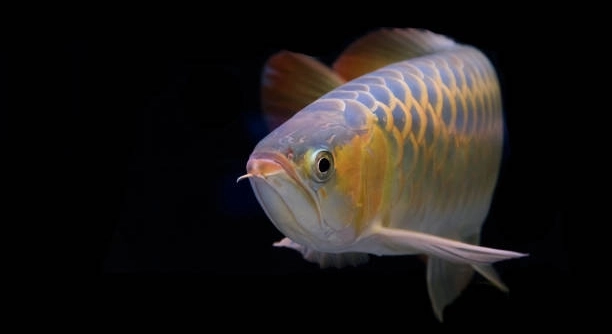
Are your Arowanas settling into their new environment without stress or discomfort? Observing their behavior closely can help you ensure they are healthy and comfortable in their tank, creating a more harmonious and stable aquatic habitat.
Signs that an Arowana is adjusting well include consistent swimming patterns, active feeding, clear eyes, vibrant colors, regular breathing, minimal hiding, and responsiveness to surroundings. Monitoring these indicators helps confirm the fish’s overall health and environmental adaptation.
Recognizing these behaviors early can help you maintain your Arowana’s wellbeing and prevent potential issues before they develop further in your aquarium.
Consistent Swimming Patterns
When an Arowana is settling in well, its swimming behavior becomes more predictable and calm. They will explore the tank steadily, glide near the surface, and return to familiar areas without signs of stress. Erratic movements or constant hiding usually indicate discomfort or poor adaptation. Observing their swimming daily can provide insight into their overall health. An Arowana that swims in straight lines, circles the tank with purpose, or patrols the perimeter regularly shows that it is comfortable with its surroundings. Over time, these patterns become familiar to you, and any sudden changes in behavior are easier to spot. Tank size, water quality, and decorations all influence movement. Large tanks allow more freedom, while crowded or poorly maintained environments can trigger stress, making your fish restless. Proper lighting and a stable temperature also encourage calm, consistent swimming. Recognizing these patterns is an early way to ensure your Arowana remains healthy and at ease in its habitat.
Consistent swimming shows comfort and stability, signaling that your Arowana feels secure in its tank.
Tracking movement patterns helps detect stress early and allows adjustments to improve water conditions, tank layout, or diet for better health.
Active Feeding Habits
A healthy Arowana eats readily and consistently. Refusing food, eating only occasionally, or spitting out pellets can indicate stress, illness, or poor adaptation. Observing feeding patterns helps you understand their comfort level. Regular feeding with appropriate portions keeps them energetic and supports growth.
Feeding actively demonstrates that the fish has adapted well to its new environment and feels secure enough to focus on nourishment.
Monitoring feeding is critical because appetite is a direct reflection of health. A well-adjusted Arowana will eagerly approach the food when offered, showing responsiveness and recognition. It will consume the proper quantity without leaving much behind, indicating both physical readiness and comfort in the tank. Abrupt changes in appetite may suggest water quality issues, incorrect temperature, or underlying health problems. Feeding at consistent times strengthens routine, reducing stress and encouraging the fish to explore its surroundings confidently. Varying the diet with live, frozen, or high-quality pellets ensures essential nutrients while keeping meals interesting. By observing these behaviors, you can ensure the Arowana remains healthy, maintains vibrant coloration, and shows natural instincts, making its adaptation smoother and more predictable over time.
Clear Eyes
Clear, bright eyes indicate that your Arowana is healthy and adjusting well. Cloudy or dull eyes may signal stress, poor water quality, or illness, requiring attention to maintain its wellbeing.
Healthy Arowanas have eyes that are alert and proportionate to their head. Changes in water parameters, such as ammonia, nitrite, or pH imbalances, can cause eye cloudiness. Regular maintenance, including partial water changes and filter cleaning, helps prevent these issues. Monitoring the eyes daily allows you to spot early signs of trouble, ensuring timely intervention. A fish with clear eyes is likely comfortable in its environment, feeding well, and exploring the tank naturally, reflecting overall adaptation.
It’s also important to note that eye clarity can be influenced by lighting and reflections in the tank. Bright, stable lighting reduces strain, while sudden changes in light or shadows may make the eyes appear dull temporarily. Providing a calm environment with minimal stressors helps maintain clarity. Diet plays a role as well; essential vitamins and minerals support eye health. Observing the eyes alongside behavior, feeding, and swimming patterns gives a complete picture of the Arowana’s adjustment.
Vibrant Colors
Vibrant coloration shows that your Arowana is healthy and comfortable. Faded or dull colors often reflect stress, poor nutrition, or unsuitable water conditions, requiring immediate care.
Consistent water quality, proper diet, and minimal stress maintain the Arowana’s natural coloration. Exposure to stable lighting and a suitable tank environment enhances pigment retention, keeping scales bright. Diets rich in carotenoids, proteins, and vitamins encourage vibrancy. Sudden changes in color may indicate illness or adaptation problems, so monitoring daily is essential. Color brightness also reflects mood and energy, making it an indirect indicator of comfort. Observing how the Arowana’s colors shift over time helps identify trends that signal wellbeing or the need for adjustments.
Maintaining vibrant colors requires attention to multiple factors. Water temperature should remain stable, as fluctuations can stress the fish and dull pigmentation. Tank decorations and substrate that provide a natural setting reduce anxiety, supporting brightness in scales. Avoid overcrowding or aggressive tankmates that may intimidate the Arowana, as stress reduces coloration. Feeding a varied diet, including high-quality pellets and occasional live or frozen foods, supports overall health and natural pigment development. By combining proper diet, stable water conditions, and a calm environment, the Arowana’s colors remain vivid, indicating successful adaptation and ongoing wellbeing.
Regular Breathing
Arowanas that are adjusting well show steady, calm gill movement. Rapid or labored breathing can indicate stress, poor water quality, or illness, which requires immediate attention to prevent further complications.
Observe the fish at rest and during activity. Consistent, smooth breathing suggests comfort and proper oxygen levels in the tank.
Minimal Hiding
A well-adjusted Arowana spends more time exploring the tank than hiding. Constant retreat behind decorations or corners may signal stress, fear, or illness, needing adjustments in environment or care.
Encouraging natural swimming and providing open space along with hiding spots creates balance. A fish that is confident and moves freely without excessive hiding shows that it feels secure and is adapting properly. Environmental enrichment, proper lighting, and stable water conditions reduce stress, allowing the fish to maintain routine activity without retreating. Monitoring hiding behaviors alongside feeding and swimming patterns offers a full view of the fish’s wellbeing.
Responsiveness to Surroundings
Arowanas that respond to movement outside the tank, such as approaching or following slowly, indicate awareness and comfort. Lack of reaction may show stress or poor health.
Responsive behavior demonstrates engagement with their environment and confidence in their tank.
How often should I monitor my Arowana’s behavior?
Daily observation is essential to ensure your Arowana is adjusting well. Watch swimming patterns, feeding habits, breathing, and color changes. Even small deviations can indicate stress or health issues. Consistent monitoring allows timely intervention and helps maintain a stable, healthy environment.
What is normal feeding behavior for an Arowana?
A well-adjusted Arowana will eat eagerly and consistently. Offer high-quality pellets or frozen foods once or twice daily in proper portions. Avoid overfeeding, as leftover food can pollute the tank and cause stress. Active feeding reflects comfort and confidence in the environment.
How can I tell if water quality is affecting my Arowana?
Signs include cloudy eyes, faded colors, rapid breathing, or excessive hiding. Test water for ammonia, nitrite, nitrate, pH, and temperature regularly. Performing partial water changes and maintaining the filter ensures a stable, healthy environment for the fish to thrive.
Why does my Arowana sometimes hide even when adjusted?
Even healthy Arowanas hide occasionally to rest or feel secure. Provide hiding spots, but avoid overcrowding the tank. Temporary retreat is normal, but persistent hiding alongside reduced appetite or erratic swimming may indicate stress or illness.
How important is lighting for my Arowana’s adaptation?
Stable, moderate lighting enhances color, reduces stress, and supports natural behaviors. Sudden changes or overly bright lights may cause hiding or erratic movements. A well-lit tank with shaded areas allows the fish to explore comfortably while maintaining calm.
Can diet affect my Arowana’s color and health?
Yes, a balanced diet with proteins, vitamins, and carotenoids promotes vibrant colors and overall wellbeing. Supplementing with live or frozen foods occasionally encourages natural hunting behavior. Poor nutrition can cause dull colors, low energy, and slower adjustment to the tank.
What are early signs of stress in Arowanas?
Stress signs include rapid breathing, hiding, lethargy, loss of appetite, and color fading. Monitor behavior closely, check water parameters, and ensure a safe environment. Addressing stress early prevents illness and helps your Arowana settle properly.
Is tank size a factor in Arowana adjustment?
Absolutely. Arowanas need spacious tanks to swim freely. Crowded or small tanks cause stress, aggression, and stunted growth. Proper space allows natural movement, encourages activity, and supports healthy adaptation over time.
How can I encourage my Arowana to explore the tank?
Maintain stable water conditions, provide open areas, and limit sudden disturbances. Introduce new decorations gradually and ensure the tank has varied levels to explore. Positive reinforcement through feeding routines can encourage confidence and natural exploration.
Should I worry if my Arowana doesn’t react immediately to my presence?
Not necessarily. Some fish take time to recognize movement outside the tank. Slow or hesitant responses are normal during early adaptation. Persistent unresponsiveness with other signs of stress may require checking tank conditions or health status.
Can temperature changes affect adjustment?
Yes, sudden temperature fluctuations cause stress, lethargy, and reduced feeding. Keep water within the recommended range for your Arowana species. Stable, consistent temperature supports comfort, healthy metabolism, and smooth adaptation.
How often should I clean the tank during adjustment?
Regular maintenance is key. Partial water changes weekly, filter cleaning, and substrate care prevent waste accumulation. Avoid complete tank cleaning, as it can disrupt beneficial bacteria and stress the fish. Proper hygiene supports health and adaptation.
When should I consult a veterinarian?
If you notice persistent hiding, rapid breathing, loss of appetite, cloudy eyes, or unusual swimming, seek advice promptly. Early intervention prevents serious health issues and ensures your Arowana continues adjusting successfully.
How long does it take for an Arowana to fully adjust?
Adjustment varies by fish and environment, typically taking several weeks to months. Consistent care, monitoring, and maintaining a stable, stress-free habitat accelerate adaptation and support long-term health. Patience and observation are essential during this period.
Can tankmates affect an Arowana’s adaptation?
Yes, aggressive or overly active tankmates can stress your Arowana, causing hiding or poor feeding. Choose compatible species and provide sufficient space to reduce conflicts and support smooth adjustment.
Is hiding always a bad sign?
No. Occasional hiding is normal for rest or comfort. Persistent, prolonged hiding combined with other stress indicators requires attention to water quality, tank layout, or diet. Observation helps distinguish normal behavior from problems.
How do I know if my Arowana is happy in its environment?
Signs include active swimming, regular feeding, bright colors, clear eyes, minimal hiding, and responsiveness to surroundings. Consistent observation and maintenance help ensure a healthy, comfortable, and stress-free environment.
What should I do if my Arowana’s color fades temporarily?
Check water parameters, temperature, lighting, and diet. Temporary fading can be caused by minor stress or adaptation. Maintaining stability and offering proper nutrition usually restores vibrancy without intervention.
How important is routine in Arowana care?
Routine feeding, water checks, and consistent lighting create a predictable environment that reduces stress. Predictable schedules help the Arowana feel secure, encouraging normal behavior, feeding, and overall wellbeing.
Can I use supplements to improve adjustment?
High-quality supplements rich in vitamins and minerals can support color, immune function, and general health. Use them as directed and avoid over-supplementation, which may cause water quality issues and stress.
What is the best way to introduce a new Arowana to a tank?
Acclimate slowly using a drip or floating method to match temperature and water parameters. Gradual introduction reduces shock and stress, allowing the fish to adjust confidently while minimizing health risks.
How does tank decoration impact adjustment?
Decorations provide security and reduce stress but should not overcrowd the tank. Open swimming areas combined with hiding spots allow natural behavior, supporting confidence and smooth adaptation.
Can lighting schedule affect behavior?
Yes, consistent light and dark cycles regulate activity and feeding patterns. Sudden changes may trigger hiding or restlessness. Gradual transitions and a regular schedule help maintain comfort and normal behavior.
How do I know if my Arowana is under stress from water quality?
Signs include rapid breathing, hiding, faded colors, and reduced appetite. Test water parameters frequently, perform partial changes, and ensure filtration is adequate to maintain a stable, healthy environment.
Is it normal for Arowanas to be less active at times?
Yes, resting or less activity is normal during certain periods. However, prolonged lethargy with other stress indicators suggests environmental or health concerns that need to be addressed.
What are key indicators of a fully adjusted Arowana?
Consistent swimming, active feeding, clear eyes, vibrant colors, minimal hiding, regular breathing, and responsiveness to surroundings confirm full adaptation. Observing these behaviors ensures the fish is healthy, comfortable, and thriving in its tank environment.
This FAQ provides practical guidance for monitoring, maintaining, and supporting Arowanas, ensuring smooth adaptation and long-term wellbeing in their aquatic habitat.
Observing your Arowana closely is the most reliable way to understand how well it is adjusting to its environment. Paying attention to swimming patterns, feeding habits, breathing, color, and overall responsiveness gives a clear picture of its health and comfort. Each fish may behave slightly differently, but consistent signs of calm swimming, active feeding, and bright coloration generally indicate that the fish is settling in well. Even small deviations from these behaviors can provide important clues about stress or environmental issues that may need attention. By staying attentive, you can quickly identify problems before they escalate, allowing you to maintain a stable and healthy habitat for your Arowana.
Maintaining water quality and a proper tank setup is critical for long-term health and adjustment. Regular water testing, partial water changes, and proper filtration help create a balanced environment where the fish can thrive. Tank size, decorations, lighting, and temperature all influence how comfortable your Arowana feels. Providing both open swimming areas and secure hiding spots allows the fish to feel safe while exploring. Diet also plays an important role. Offering high-quality pellets along with occasional live or frozen foods ensures proper nutrition, supports natural behavior, and enhances coloration. A consistent routine in feeding and maintenance can reduce stress, helping the fish adapt more smoothly to its surroundings.
Patience and observation are key throughout the adjustment period. Arowanas can take several weeks or even months to fully settle, and progress may not always be linear. Some days the fish may appear more active or colorful, while other days it may hide or rest more than usual. Monitoring behavior alongside water parameters and tank conditions allows you to make informed adjustments and ensures that the fish’s needs are consistently met. Over time, these careful observations, combined with proper care, result in a healthy, confident Arowana that thrives in its environment. Understanding the signs of adjustment and addressing issues proactively helps maintain the fish’s wellbeing, supports natural behavior, and creates a balanced, harmonious aquarium.

Hello,
If you enjoy the content that we create, please consider saying a "Thank You!" by leaving a tip.
Every little bit helps us continue crafting quality advice that supports the health, happiness, and well-being of pets around the world, for pets of all shapes, sizes, and species.
We really appreciate the kindness and support that you show us!