
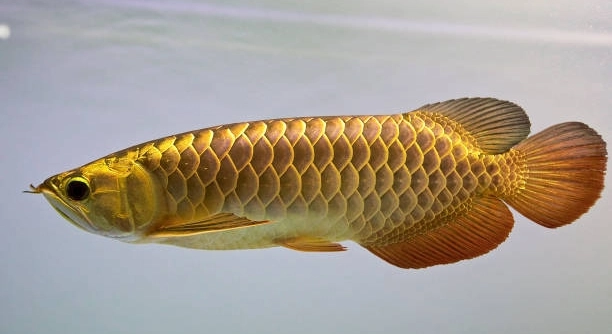
Have you ever noticed your arowana darting around its tank, seemingly chasing invisible shapes across the glass or substrate? This behavior can seem puzzling and may leave you wondering what causes such sudden bursts of movement.
The primary reason your arowana is chasing shadows is due to its heightened sensitivity to light and reflections. Arowanas possess excellent vision, and shifting light patterns or tank reflections can trigger instinctive hunting or territorial responses, causing them to react impulsively.
While this may appear harmless, understanding the reasons behind this behavior is essential for maintaining your arowana’s comfort, security, and overall well-being in its aquatic home.
Understanding Your Arowana’s Behavior
Arowanas are intelligent and instinct-driven fish that rely heavily on their keen eyesight to detect movement. When light reflects off the tank’s glass or surrounding objects, it can create moving shadows or flickering patterns that resemble prey. Your arowana’s natural predatory instincts may cause it to chase these illusions. Additionally, factors like stress, boredom, or changes in tank lighting can intensify this behavior. If your aquarium is placed near a window or under fluctuating light sources, your fish may be reacting to reflections rather than real movement. It’s important to remember that arowanas are territorial creatures, and they often respond to their reflections as if facing another fish, interpreting it as an intruder within their space.
Reducing excess light, adding background paper to the tank, and ensuring consistent lighting conditions can help minimize these reactions and keep your arowana calmer and more focused.
When these adjustments are made thoughtfully, your arowana’s movements will likely become smoother, and you will notice a more relaxed demeanor overall. Consistency in the tank’s setup and environment can significantly reduce stress and promote healthier, more natural swimming patterns over time.
Creating a Comfortable Environment
Arowanas thrive best in environments that mimic their natural habitats—calm, spacious, and free from unnecessary distractions. Bright lighting or reflective tank surfaces can confuse and stress them, leading to repetitive or erratic swimming. Keeping their surroundings calm and predictable helps reduce agitation and shadow-chasing behaviors.
Begin by ensuring that your aquarium is placed away from direct sunlight or any reflective surfaces, such as mirrors or nearby screens. Use a dark or solid-colored background to eliminate unnecessary reflections. Adjust the lighting intensity to a soft, steady level rather than harsh brightness or flickering illumination. Decorations, floating plants, and driftwood can also diffuse light while providing enrichment and hiding spots. Maintaining clean water conditions and a stable temperature will further contribute to your arowana’s comfort. Lastly, observe its behavior regularly—any sudden changes could indicate stress, discomfort, or environmental imbalance. A calm and consistent setup supports both the fish’s mental and physical well-being, allowing it to display its graceful movements without distraction.
Adjusting Tank Lighting and Placement
Proper lighting can make a significant difference in your arowana’s behavior. Excessive brightness or shifting light angles can create unwanted reflections. By carefully adjusting tank placement and lighting sources, you can prevent unnecessary visual triggers that cause stress and shadow-chasing.
Begin by using consistent, diffused lighting rather than direct or overly bright illumination. Avoid placing the tank near windows where sunlight can reflect off the water surface. LED lights with adjustable intensity are ideal since they provide control and minimize glare. Keeping the aquarium’s surroundings darker also reduces reflections. Covering the back and sides of the tank with a matte background helps block external light and visual distractions. This setup allows your arowana to focus on its environment rather than reacting to sudden light changes. Regularly check lighting conditions at different times of the day to ensure stability.
When light levels remain steady, your arowana will swim more calmly, showing fewer signs of stress or aggression. These simple adjustments not only reduce reflections but also create a more balanced and peaceful atmosphere in the aquarium. Consistent lighting encourages natural movement patterns and promotes a healthier emotional state for your fish over time.
Managing Stress and Tank Conditions
Stress can intensify your arowana’s shadow-chasing behavior. Poor water quality, inconsistent temperatures, or overcrowding can create tension, making your fish more reactive. Reducing stress begins with maintaining clean water and ensuring stable tank conditions. These adjustments encourage calmness and prevent exaggerated responses to light and movement.
Monitor water parameters weekly to ensure proper pH, ammonia, and nitrate levels. Frequent water changes, around 25 to 30 percent weekly, help keep the environment healthy. Temperature stability is crucial—fluctuations can quickly cause stress. Avoid overcrowding, as arowanas need ample swimming space to move freely. Introducing hiding spots and surface plants helps the fish feel secure. Feeding on a regular schedule with a balanced diet also maintains stability. Consistency is key—keeping routines predictable reassures your arowana and prevents anxious behavior. Over time, these care habits will create a balanced, peaceful atmosphere where your fish feels safe and content.
Observing Behavioral Patterns
Observing your arowana’s daily habits helps identify what triggers its reactions. Take note of when and where the shadow-chasing occurs, as certain times of day or lighting angles might influence it. Consistent observation helps you adjust environmental conditions effectively.
Record subtle changes in movement or posture to track progress. If your arowana becomes restless at specific times, adjust the lighting schedule or feeding routine accordingly. Understanding these behavioral patterns will help create a stable environment and reduce unnecessary activity linked to external distractions or reflections.
Providing Enrichment and Stimulation
Arowanas are intelligent fish that benefit from environmental enrichment. Adding gentle water flow, floating plants, or rearranging decorations occasionally can stimulate their curiosity without overwhelming them. This prevents boredom and redirects their focus from shadows to natural, engaging tank activities.
Incorporate variety carefully to avoid startling your fish. Interactive feeding, such as using tongs or floating pellets, encourages healthy hunting instincts. Avoid overcrowding or constant decoration changes, as these can cause stress instead of stimulation. Small, thoughtful adjustments foster a more balanced, content behavior while keeping your arowana active and mentally engaged.
Recognizing When to Seek Help
If your arowana continues to chase shadows despite environmental improvements, professional guidance may be necessary. Persistent, frantic behavior could indicate deeper issues such as stress, illness, or vision problems that require evaluation by an experienced aquatic specialist.
FAQ
Why is my arowana chasing shadows at night?
Arowanas can be sensitive to low-light conditions or reflections from nearby lights, such as streetlights or indoor lamps. Shadows become more noticeable in dim lighting, and the fish may perceive them as moving prey or intruders. Adjusting ambient light or using a dim, steady tank light at night can reduce this behavior.
Can reflections from other fish trigger shadow-chasing?
Yes, arowanas often mistake their reflection for another fish. This can provoke territorial or predatory responses, especially in smaller tanks. Using a dark background or positioning the tank away from reflective surfaces can help minimize these mistaken interactions and reduce stress.
Does diet influence shadow-chasing behavior?
A balanced diet can impact energy levels and activity. Overfeeding or feeding at irregular times can make arowanas more restless. Providing consistent meals with a mix of protein-rich foods and occasional live or frozen treats helps stabilize energy and reduce excessive chasing behavior.
Is shadow-chasing a sign of stress or illness?
Persistent chasing may indicate stress, poor water quality, or vision issues. Sudden changes in behavior, lethargy, or clamped fins alongside shadow-chasing may signal illness. Maintaining clean water, stable temperatures, and monitoring for other symptoms ensures your arowana remains healthy.
How can I prevent my arowana from reacting to shadows?
Limit exposure to reflective surfaces and bright light. Use a matte tank background and consistent lighting. Adding plants or driftwood to break up reflections also helps. Gradually introducing these changes allows the fish to adjust without becoming startled or anxious.
Can tank size affect this behavior?
Yes, arowanas require ample swimming space. Small tanks can increase stress and make them more sensitive to shadows or reflections. Ensuring the tank is appropriately sized for the fish’s length and activity level reduces frustration and promotes calmer behavior.
Will enrichment activities help reduce shadow-chasing?
Providing environmental enrichment, such as floating plants, decorations, and interactive feeding, engages natural hunting instincts and redirects attention. Variety without constant change encourages mental stimulation and prevents boredom, which can otherwise exacerbate shadow-chasing behavior.
Should I worry if my arowana swims aggressively at times?
Occasional bursts of energy are normal, but frequent aggressive or frantic movement may indicate stress, overfeeding, or environmental triggers. Monitoring patterns and making adjustments to lighting, tank placement, or diet can help your arowana settle into a calmer routine.
Is it normal for arowanas to chase shadows occasionally?
Yes, occasional shadow-chasing is common and often harmless. It reflects their natural hunting instincts and responsiveness to movement. The behavior only becomes concerning if it is persistent, frantic, or paired with signs of stress or illness.
When should I consult an aquatic specialist?
Seek professional advice if shadow-chasing continues despite environmental adjustments, or if it accompanies symptoms like fin damage, rapid gill movement, loss of appetite, or unusual swimming patterns. Early intervention ensures your arowana remains healthy and stress-free.
Can changing tank lighting gradually help?
Yes, gradually adjusting lighting intensity and timing helps arowanas adapt without sudden stress. Sudden changes can provoke more shadow-chasing, so slow transitions support stable behavior and reduce unnecessary reactions.
Does tank placement near windows worsen the behavior?
Tanks near windows can create shifting shadows from sunlight and outdoor movement. Relocating the aquarium or adding blinds and a matte background can minimize these triggers and create a more stable environment for your arowana.
Are some arowanas more prone to shadow-chasing than others?
Individual temperament, age, and experience with their environment can affect behavior. Younger or more energetic fish may chase shadows more frequently. Older, well-adjusted arowanas may show this behavior less often if the tank conditions are stable and stress-free.
How can I monitor improvements in behavior?
Keep a simple log of shadow-chasing incidents, noting time, lighting, and tank activity. Over time, this helps identify triggers and track the effectiveness of changes in lighting, placement, or enrichment. Documenting patterns ensures long-term behavioral improvements and overall well-being.
Will regular water maintenance reduce shadow-chasing?
Maintaining clean water and stable temperature reduces stress, which in turn decreases unnecessary reactions to shadows or reflections. Weekly partial water changes and consistent monitoring of water parameters create a comfortable environment that supports calmer behavior.
Can sudden movements outside the tank affect my arowana?
Yes, sudden movements or vibrations near the tank can trigger reflexive chasing. Arowanas are alert to their surroundings, so positioning the aquarium away from high-traffic areas and limiting abrupt disturbances helps reduce stress-induced shadow-chasing.
Does tank decor placement matter?
Yes, strategic placement of plants, driftwood, or rocks can diffuse light and reduce reflections. Avoid sharp contrasts or empty spaces where shadows can form. Thoughtful decoration promotes a visually stable environment, decreasing unnecessary chasing behavior.
Is shadow-chasing linked to breeding behavior?
Typically, chasing shadows is not directly linked to breeding. However, during spawning or heightened territorial periods, arowanas may become more reactive to perceived intruders. Ensuring enough space and visual barriers supports calm interactions even during these periods.
Can sound or vibrations in the room trigger chasing?
Yes, vibrations from nearby equipment, speakers, or household activity can startle your arowana. Minimizing these disturbances and using stable tank setups with anti-vibration mats can create a calmer environment, reducing reflexive shadow-chasing responses.
How long does it take for behavior to improve?
Behavioral changes depend on environmental adjustments and the individual fish’s temperament. Some arowanas may show improvement within days, while others take weeks. Consistency with lighting, tank setup, enrichment, and feeding routines is essential for lasting results.
Are live plants better than artificial ones for reducing shadows?
Live plants can diffuse light naturally and provide enrichment, helping distract your arowana from shadows. Artificial plants can also work if positioned strategically, but they lack the dynamic qualities of live plants that encourage natural exploration and engagement.
Does feeding at night influence shadow-chasing?
Yes, feeding during low-light conditions can increase chasing behavior as shadows appear more prominent. Feeding during consistent times with moderate lighting reduces confusion and encourages calm, predictable activity patterns in your arowana.
Can adding a tank lid reduce shadows?
A properly fitted lid helps control light reflection and prevents external distractions from reaching the water surface. This simple adjustment stabilizes the environment and reduces triggers that lead to shadow-chasing.
Is it normal for arowanas to dart suddenly even without shadows?
Yes, sudden movements are part of their natural alertness and predatory instincts. Occasional bursts are expected, but frequent or frantic activity without clear triggers may indicate stress or environmental imbalance that requires attention.
How important is tank size in preventing shadow-chasing?
Tank size is crucial. Arowanas need ample space to swim freely. Crowded or undersized tanks increase stress and sensitivity to shadows or reflections. Ensuring an appropriately sized tank reduces frustration and allows natural movement patterns.
Should I change feeding routines to minimize chasing?
Consistent feeding routines stabilize energy levels and reduce unnecessary bursts of activity. Providing regular meals with varied diet options ensures your arowana is engaged but not overly stimulated, helping control shadow-chasing behaviors.
Can I use a timer for tank lights to help?
Yes, timers provide a consistent lighting schedule, reducing sudden light changes that provoke shadow-chasing. Gradual on-and-off cycles mimic natural conditions and create a predictable environment for your arowana.
Does water flow affect shadow-chasing?
Moderate water flow encourages natural swimming patterns and provides gentle stimulation. Too strong a current may increase agitation, while very low flow can contribute to boredom. Adjusting flow carefully supports calm, balanced behavior.
Can introducing other fish help?
Adding other fish can sometimes distract your arowana, but it can also trigger territorial behavior. Only compatible species and adequate tank space should be considered to avoid increasing stress or shadow-chasing.
Is shadow-chasing harmful to my arowana?
Occasional shadow-chasing is harmless and reflects natural instincts. Persistent, frantic chasing may cause fatigue, stress, or minor injuries. Monitoring behavior and addressing triggers ensures your arowana remains safe, healthy, and content in its environment.
How do I know if changes are effective?
Observe swimming patterns, stress indicators, and frequency of shadow-chasing. A calmer, more focused fish signals positive environmental adjustments. Documenting behavior over time ensures that strategies are working and supports long-term well-being.
Can reflections from aquarium equipment trigger chasing?
Yes, filters, heaters, or decorative objects with shiny surfaces can create reflections. Positioning equipment thoughtfully and using non-reflective materials minimizes visual distractions that provoke chasing behavior.
Is shadow-chasing more common in young arowanas?
Younger arowanas are typically more energetic and curious, making them more prone to chasing shadows. Adult arowanas may show this behavior less often, particularly if the tank environment is stable and stress-free.
Can shadow-chasing indicate boredom?
Yes, arowanas that lack stimulation may chase shadows out of curiosity or frustration. Enrichment through decorations, interactive feeding, and gentle water flow can redirect focus and reduce repetitive behaviors.
How do I maintain improvements long-term?
Consistency is key. Stable lighting, predictable feeding schedules, clean water, and environmental enrichment support calm behavior. Regular observation ensures any changes in shadow-chasing or stress are addressed promptly, maintaining a healthy and balanced tank environment for your arowana.
Can stress from handling trigger chasing?
Yes, handling or sudden disturbances can heighten sensitivity to shadows. Minimizing tank interference and using careful, calm techniques for maintenance reduces stress and helps maintain consistent behavior.
Does tank shape influence shadow-chasing?
Rectangular tanks with clear sides may create more reflections. Using a backdrop or non-reflective materials reduces visual triggers and encourages smoother, less reactive swimming.
Will gradual environmental changes help?
Yes, slow adjustments in lighting, decor, or placement prevent sudden stress. Gradual changes allow your arowana to adapt comfortably, reducing shadow-chasing and promoting stable, natural behavior.
Can temperature fluctuations worsen chasing?
Yes, unstable temperatures stress your arowana and increase responsiveness to shadows. Maintaining consistent water temperature within the ideal range is essential for calm, predictable behavior and overall health.
Are there signs that shadow-chasing is abnormal?
Yes, frantic, continuous chasing accompanied by loss of appetite, clamped fins, or rapid gill movement may indicate stress or illness. Observing for these signs ensures timely intervention to protect your arowana’s well-being.
How often should I review tank conditions?
Weekly monitoring of water parameters, lighting, and environmental stability is recommended. Frequent checks help identify potential triggers early, ensuring a consistent, comfortable habitat that reduces shadow-chasing.
Can mirrors be used for enrichment safely?
Occasional mirror exposure may provide stimulation but should be limited. Prolonged or frequent mirror use can increase aggression or stress rather than reduce shadow-chasing.
Does social behavior affect chasing?
Arowanas are generally solitary and territorial. Introducing other fish or frequent disturbances can increase stress, leading to more frequent shadow-chasing. Careful observation is necessary when considering tank mates.
Can tank location within a room matter?
Yes, tanks in high-traffic or brightly lit areas may increase sensitivity to shadows. Positioning the aquarium in a calm, stable location reduces external visual triggers and supports relaxed behavior.
How do I track behavior effectively?
Keep a simple daily log of swimming patterns, shadow-chasing events, and environmental factors like lighting or feeding. Tracking patterns over time helps identify triggers and measure the success of adjustments.
Is occasional chasing normal after adjustments?
Yes, occasional chasing may still occur as a natural instinct. The goal is to reduce persistent, frantic responses rather than eliminate all reactive behavior completely.
Can adding floating plants help?
Floating plants break up light patterns, reducing reflections and providing gentle stimulation. They also create a more natural, secure environment that encourages calmer swimming and less shadow-chasing.
Does reflection from glass lids trigger behavior?
Yes, glass lids can reflect light and movement. Using a non-reflective cover or matte material reduces visual distractions and helps your arowana focus on its environment rather than chasing shadows.
How important is patience during adjustments?
Patience is essential. Gradual environmental changes and consistent routines allow your arowana to adapt without added stress. Rushing adjustments may increase shadow-chasing and anxiety instead of promoting calm behavior.
Can water clarity affect shadow-chasing?
Yes, cloudy water or excessive algae can create unpredictable light patterns and shadows. Maintaining clean, clear water reduces confusion and supports a stable, low-stress environment.
Does aggressive chasing indicate dominance behavior?
Sometimes, especially in larger tanks with multiple fish. Arowanas may react to perceived intrusions or reflections. Proper tank size, boundaries, and solitary housing reduce territorial aggression and shadow-chasing.
Can changes in room lighting throughout the day trigger behavior?
Yes, shifting sunlight or artificial lighting can create reflections that provoke chasing. Using a stable lighting schedule and blocking external light sources reduces sudden visual triggers.
Is chasing shadows always visual?
Primarily, yes. Arowanas rely on sight for hunting and awareness. However, vibrations, sudden movements, or reflections can amplify reactions, showing that multiple sensory inputs influence behavior.
How long after adjustments should I see results?
Behavioral improvements may appear within days to weeks, depending on the fish and environmental consistency. Patience and careful observation ensure long-term success in reducing shadow-chasing.
Are some arowanas naturally more reactive than others?
Yes, temperament varies. Some fish are naturally more alert or energetic, making them more prone to chasing shadows. Stable conditions and enrichment help manage these individual differences effectively.
Does tank depth influence shadow-chasing?
Deeper tanks allow vertical swimming space, dispersing light differently and reducing concentrated reflections. Adequate depth contributes to calmer movement and less reactive behavior.
Can mirror exposure be used to train calmness?
Limited exposure may desensitize the fish gradually, but overuse can increase aggression. Controlled, brief sessions with careful observation are necessary to avoid stress.
How do I balance stimulation and calmness?
Provide enrichment without overcrowding, maintain stable lighting, and ensure proper feeding routines. The balance encourages natural activity while preventing overreaction to shadows or reflections.
Can using opaque tank sides help?
Yes, opaque or matte sides block external distractions and reflections. This simple adjustment supports a calmer, more predictable environment, reducing shadow-chasing significantly.
Does tank water movement create shadows?
Excessive ripples or turbulence can produce moving light patterns. Moderate flow and consistent water movement help reduce visual triggers, promoting calmer swimming behavior.
How often should I change tank decor?
Occasional rearrangement can provide enrichment, but frequent changes may increase stress. A balanced approach keeps the environment interesting without overwhelming your arowana.
Can temperature gradients in the tank affect behavior?
Yes, uneven heating can cause stress. Using reliable heaters and monitoring water temperature throughout the tank ensures a stable environment, reducing reactive behavior.
Is shadow-chasing linked to hunting instincts?
Yes, chasing shadows mimics natural predatory responses. While harmless in moderation, persistent chasing indicates environmental or stress-related triggers that should be addressed.
Can multiple adjustments be made at once?
Gradual, sequential changes are best. Simultaneously altering lighting, decor, and placement may overwhelm your arowana and increase shadow-chasing rather than reduce it.
Does water clarity change how shadows appear?
Yes, clear water reflects light more sharply, while slightly diffused water softens shadows. Maintaining clean water without excessive reflection helps reduce chasing behavior.
Are arowanas more sensitive to light than other fish?
Yes, arowanas have excellent vision and react strongly to movement and reflections. Managing light carefully is key to preventing unnecessary shadow-chasing.
Can enrichment alone stop shadow-chasing?
Enrichment helps redirect energy and reduce boredom, but it must be paired with stable lighting, tank placement, and water conditions for significant behavioral improvement.
Do tank background colors matter?
Dark, matte backgrounds reduce reflections, while bright or shiny backgrounds can trigger shadow-chasing. Choosing neutral tones promotes calm swimming behavior.
Can shadows from outside objects cause chasing?
Yes, moving objects outside the tank, such as people walking by or curtains fluttering, can create shadows that provoke your arowana. Positioning the tank away from these disturbances minimizes triggers.
Does feeding method influence shadow-chasing?
Interactive feeding methods, like tongs or floating pellets, encourage focused hunting behavior, reducing random chasing. Routine feeding helps manage energy levels and maintain calm activity.
How can I tell if the environment is optimal?
Signs include steady, calm swimming, reduced chasing of reflections, normal appetite, and general responsiveness. Observing these indicators confirms a balanced, low-stress environment.
Is occasional chasing normal in a healthy arowana?
Yes, occasional bursts are natural and indicate alertness. Only frequent, frantic, or stressful chasing requires attention. Proper tank management keeps this behavior within normal limits.
Can tank lid reflections be reduced with tape or film?
Yes, applying non-reflective tape or matte film to glass lids prevents light reflections, minimizing triggers for chasing shadows.
Do arowanas learn to ignore reflections over time?
With consistent environment and minimal triggers, arowanas may gradually become less reactive to reflections, reducing shadow-chasing naturally.
Can adding floating logs help?
Floating logs diffuse light and create natural obstacles that reduce reflections. They also provide enrichment, helping your arowana focus on interactive elements rather than shadows.
Is chasing shadows worse during feeding?
Yes, hunger and excitement can intensify chasing behavior. Regular feeding schedules and controlled portions help minimize overstimulation and reduce reaction to shadows.
Does aquarium maintenance affect behavior?
Yes, sudden cleaning, water changes, or equipment adjustments can startle your fish. Gentle, consistent maintenance routines prevent stress-induced shadow-chasing.
Can stress from other fish trigger shadow-chasing?
Yes, aggressive or territorial tankmates may increase sensitivity to movement. Providing adequate space and compatible species reduces stress and shadow-chasing incidents.
Is shadow-chasing more common in smaller tanks?
Yes, limited space increases visual triggers and stress. Larger tanks allow more freedom, reducing sensitivity to reflections and shadow-induced movement.
Does time of day influence chasing behavior?
Yes, changing light angles and ambient activity can make shadows more noticeable. Maintaining stable tank lighting helps reduce these time-dependent triggers.
Can arowanas distinguish real prey from shadows?
Partially. Their vision is sensitive to movement, but reflections and shifting light can confuse them, causing instinctive chasing even without actual prey.
Are some arowanas naturally calmer?
Yes, temperament varies by individual and age. Older or well-adjusted arowanas tend to chase shadows less, especially in stable environments
Final Thoughts
Observing an arowana chasing shadows can feel frustrating or concerning, but it is often a natural behavior rooted in the fish’s instincts. Arowanas are highly alert and visually sensitive creatures, relying on movement to navigate and interact with their environment. Shadows, reflections, or changes in light can mimic the movement of prey or rivals, triggering instinctive reactions. Understanding that this behavior is part of your fish’s natural response helps frame it as a normal occurrence rather than a sign of immediate danger. Most shadow-chasing is harmless, and the key is identifying whether it happens occasionally or persistently, as frequent frantic movement may indicate stress, environmental triggers, or underlying health concerns that require attention.
Maintaining a stable, comfortable environment is the most effective way to reduce shadow-chasing behavior. Consistent lighting, proper tank placement, and a non-reflective background minimize visual distractions that provoke reactions. Tank size also plays an important role, as arowanas require ample swimming space to feel secure and avoid frustration. Regular water maintenance, monitoring temperature, and keeping water parameters within ideal ranges support overall well-being and reduce stress-induced behavior. Adding enrichment such as plants, driftwood, or floating decorations can redirect attention, allowing the fish to engage with its environment in a positive, stimulating way. Gradual adjustments to these factors allow your arowana to adapt without sudden stress, supporting calmer and more natural swimming patterns over time.
Patience and careful observation are essential in managing shadow-chasing behavior. Each arowana has a unique temperament, and some are naturally more active or alert than others. Tracking behavior and noting patterns helps identify triggers and determine which adjustments are most effective. Feeding schedules, environmental enrichment, and consistent routines all contribute to creating a balanced, low-stress habitat. While occasional chasing may continue even after changes, persistent frantic activity should be monitored for signs of illness or severe stress. By focusing on maintaining a stable, comfortable environment and meeting your arowana’s physical and mental needs, you can minimize shadow-chasing, encourage natural, relaxed movement, and ensure your fish remains healthy and content in its aquatic home.

Hello,
If you enjoy the content that we create, please consider saying a "Thank You!" by leaving a tip.
Every little bit helps us continue crafting quality advice that supports the health, happiness, and well-being of pets around the world, for pets of all shapes, sizes, and species.
We really appreciate the kindness and support that you show us!