
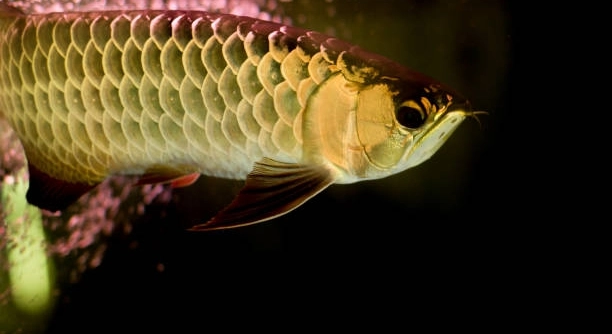
Is your arowana repeatedly hitting the lid of its tank? This behavior can be stressful to witness, especially when you care about your fish’s wellbeing. Many owners struggle to understand why their arowana acts this way in its environment.
Arowanas often hit the lid due to stress, insufficient swimming space, poor water conditions, or reflections that confuse them. Addressing these factors through proper tank setup and environmental adjustments can reduce or eliminate this behavior effectively.
Observing this repetitive action may signal underlying issues that need attention for your arowana’s health and comfort. Continued reading will help you identify causes and practical solutions for a calmer fish.
Understanding Stress in Arowanas
Stress is a major reason why arowanas hit the lid repeatedly. These fish are highly sensitive to their surroundings and can become stressed by overcrowding, sudden changes in water temperature, or poor water quality. Even small disturbances, like excessive noise near the tank or frequent tapping on the glass, can trigger repeated lid-hitting. Stress can weaken their immune system, making them more prone to illness. Observing your arowana closely can help you detect signs of discomfort, such as frantic swimming, loss of appetite, or unusual hiding behaviors. Adjusting tank conditions, maintaining clean water, and providing a calm environment can significantly reduce stress levels. Adding plants or gentle floating decorations can also give your arowana a sense of security, encouraging natural behavior and reducing aggressive or erratic actions. Understanding and mitigating stress is key to keeping your arowana healthy and comfortable.
Reducing stress not only stops lid-hitting but also improves overall health and longevity for your arowana.
Arowanas are naturally territorial and need space to swim freely. A tank that is too small limits their movement and can make them restless. Providing a large, well-decorated tank helps them establish areas for exploration and reduces repetitive behaviors. Proper filtration and consistent water temperature are crucial to maintaining a stable environment. Reflective surfaces can confuse arowanas, so using a tank cover or background can minimize stress. Regular feeding schedules and monitoring behavior are important to identify any signs of distress early. Paying attention to these factors creates a supportive habitat where your arowana can thrive.
Water Quality and Its Impact
Poor water quality is a key factor in repeated lid-hitting. Dirty or unbalanced water can irritate your arowana and affect its behavior.
Maintaining optimal water parameters is essential. Frequent water changes, proper filtration, and monitoring pH, ammonia, nitrite, and nitrate levels prevent discomfort and health issues. Arowanas are highly sensitive to toxins in the water. High ammonia or nitrite levels can cause gill irritation and stress, leading to erratic swimming and lid-hitting. Temperature fluctuations also impact their comfort, so using a reliable heater and thermometer ensures stable conditions. Keeping water clean and well-oxygenated reduces aggressive or repetitive actions. Observing your fish daily helps detect subtle signs of water-related stress. Additionally, avoiding sudden changes in water chemistry when performing maintenance prevents shock. Establishing a consistent cleaning and feeding routine helps your arowana adapt and feel secure. By prioritizing water quality, you not only address behavioral issues but also support long-term health and vitality for your fish, allowing it to grow and behave naturally in a stable environment.
Reflections and Tank Setup
Reflections on the tank glass can confuse arowanas, making them think another fish is present. This often triggers aggressive swimming or repeated hitting of the lid. Adjusting lighting or adding a background can minimize reflections and reduce these behaviors.
Arowanas are territorial and can misinterpret their own reflection as a rival. Placing a solid background on the tank or repositioning it away from bright light sources helps limit these visual triggers. Avoid placing the tank where sunlight hits directly, as this can intensify reflections. Floating plants or decorations also break up reflective surfaces, giving the fish a more comfortable environment. Small adjustments in tank setup can greatly influence behavior and reduce stress-related actions.
Regularly observing your arowana’s behavior helps identify which areas of the tank cause confusion or agitation. Combining background adjustments, controlled lighting, and environmental decorations creates a calmer, more predictable habitat. These changes allow the fish to swim confidently without reacting to illusions or perceived threats. Maintaining this setup consistently ensures that the arowana can establish a sense of territory, reducing the likelihood of repeated lid-hitting.
Feeding and Diet Considerations
Improper feeding can cause frustration and erratic behavior in arowanas. Overfeeding, underfeeding, or an unbalanced diet can lead to agitation and lid-hitting.
Feeding arowanas a proper diet of live, frozen, or high-quality pellet food ensures they receive necessary nutrients. Overfeeding can cause bloating and lethargy, while underfeeding may lead to aggressive or frantic swimming. Establishing a consistent feeding schedule helps regulate their behavior and reduces stress. Observing how your arowana reacts to feeding times can provide insight into its needs and comfort levels.
Including a mix of protein sources, such as small fish, shrimp, or insects, supports growth and overall health. Ensuring variety prevents boredom and maintains natural hunting instincts. Portion control is important; feed small amounts multiple times a day rather than one large feeding. Monitoring leftovers prevents water contamination, which can also affect behavior. A well-balanced diet combined with attentive feeding practices improves mood and reduces repeated lid-hitting, helping the arowana remain active, healthy, and comfortable in its environment.
Tank Size and Swimming Space
Arowanas require large tanks to swim freely. Limited space can cause restlessness and repeated lid-hitting. Ensuring a tank that accommodates their full length and active swimming habits reduces stress and aggressive behaviors.
Providing sufficient horizontal and vertical space allows the arowana to establish territory. Crowded tanks increase tension and can lead to repeated hitting of the lid or frantic swimming patterns.
Environmental Enrichment
Adding plants, driftwood, or hiding spots helps arowanas feel secure. Environmental enrichment reduces boredom, encourages natural behavior, and lowers stress levels, which can prevent lid-hitting. A varied environment stimulates exploration while giving the fish places to retreat when feeling threatened or overwhelmed.
Lighting and Day-Night Cycles
Consistent lighting and a regular day-night cycle support the arowana’s natural rhythm. Sudden changes or excessive brightness can trigger stress, leading to repeated lid-hitting. Gradual adjustments and appropriate light levels help maintain calm behavior and overall well-being.
Monitoring Health
Regular health checks are essential. Illness or physical discomfort can cause erratic swimming and lid-hitting. Observing your arowana for signs of disease or injury allows timely intervention, reducing stress and promoting long-term health.
FAQ
Why is my arowana hitting the lid repeatedly?
Arowanas hit the lid for several reasons, most commonly stress, poor water quality, insufficient swimming space, or reflections on the tank glass. Aggressive or territorial behavior may also trigger this action. Observing the fish closely helps identify which factor is responsible, allowing you to address it effectively.
Can reflections in the tank cause lid-hitting?
Yes. Arowanas are territorial and may see their reflection as a rival fish. This can cause repeated swimming toward the lid or aggressive attempts to attack the reflection. Using a tank background or repositioning the tank away from bright light helps reduce this behavior. Floating decorations and plants can further break up reflective surfaces.
Does tank size affect lid-hitting?
Absolutely. Arowanas are large, active fish that need ample horizontal and vertical space to swim. Small tanks restrict movement and can cause restlessness, frustration, and repeated lid-hitting. Providing a tank with enough length and height for natural swimming patterns significantly reduces these stress-related behaviors.
Can water quality cause lid-hitting?
Poor water quality is a common stressor. High ammonia, nitrite, or nitrate levels can irritate gills and create discomfort. Temperature fluctuations and inconsistent water parameters also contribute. Regular water testing, proper filtration, and scheduled water changes ensure a stable, clean environment that prevents erratic behaviors.
Could diet influence this behavior?
Yes, feeding issues can affect behavior. Overfeeding can cause bloating and lethargy, while underfeeding may lead to frustration and frantic swimming. A balanced diet of high-quality pellets, frozen, or live food, fed consistently, ensures proper nutrition and supports calmer, healthier behavior. Observing feeding reactions also gives insight into your arowana’s comfort.
Is stress the main reason for lid-hitting?
Stress is often the primary factor. It can result from tank size, water quality, aggressive reflections, noise, or sudden changes in the environment. Reducing stress by improving these conditions is the most effective way to stop repeated lid-hitting and promote overall health.
Do arowanas hit the lid at certain times of day?
Yes, behavior can correlate with lighting and daily cycles. Sudden bright lights or abrupt changes from day to night may startle them. Maintaining a consistent lighting schedule and gradual transitions helps the arowana feel secure, reducing erratic or repetitive lid-hitting behaviors.
Can illness or injury cause lid-hitting?
Physical discomfort, illness, or injury may trigger erratic swimming, including lid-hitting. Inspecting the arowana for wounds, abnormal swimming, or signs of disease allows prompt treatment. Addressing health issues not only reduces stress-induced behaviors but also supports long-term well-being.
Are there ways to prevent this behavior?
Preventing repeated lid-hitting involves a combination of proper tank size, clean water, consistent lighting, a balanced diet, environmental enrichment, and monitoring for reflections. Observing behavior regularly allows you to detect stressors early and make adjustments that improve the arowana’s comfort and health.
When should I consult a professional?
If repeated lid-hitting persists despite optimizing tank conditions, diet, and environment, consulting a veterinarian or experienced aquarist is recommended. Persistent stress or unexplained behavior could indicate underlying health issues needing professional evaluation. Early intervention ensures your arowana remains healthy and comfortable.
How long does it take to stop lid-hitting?
The time varies depending on the cause. Adjusting tank conditions, improving water quality, or correcting diet may reduce the behavior within days to weeks. Consistent care, observation, and attention to environmental factors are essential for lasting results and calmer, healthier behavior.
Does tank decoration help reduce lid-hitting?
Yes. Plants, driftwood, or floating objects give arowanas a sense of security, breaking up open space that may cause agitation. Decorations also reduce reflections and provide places to explore or hide, encouraging natural behavior and decreasing repetitive lid-hitting. Environmental enrichment is a simple but effective tool.
Is it normal for young arowanas to hit the lid more often?
Juvenile arowanas are more energetic and exploratory, which can result in more frequent lid-hitting. Ensuring sufficient space, proper nutrition, and a calm environment helps them adjust. Over time, as they grow and establish territory, this behavior often decreases.
Can sudden tank changes trigger lid-hitting?
Yes. Moving the tank, changing water rapidly, or rearranging decorations can stress arowanas. Sudden changes disrupt their sense of territory and routine. Gradual transitions and maintaining consistent conditions minimize stress and reduce repeated lid-hitting.
Do temperature fluctuations affect this behavior?
Temperature instability can stress arowanas and trigger lid-hitting. Consistent heating and monitoring are important. Sudden drops or spikes in water temperature irritate the fish, causing erratic swimming or agitation. Using reliable heaters and thermometers ensures stability and supports calm behavior.
How important is daily observation?
Daily observation is essential. Monitoring swimming patterns, feeding behavior, and interactions with the tank environment helps detect stress or health issues early. Timely adjustments prevent repeated lid-hitting and promote arowana well-being. Consistent attention ensures any problems are addressed before they worsen.
Final Thoughts
Repeated lid-hitting in arowanas is often a sign that something in their environment needs attention. These fish are naturally active, territorial, and sensitive to their surroundings. When they hit the lid, it is usually not random behavior but a reaction to stress, limited space, poor water quality, or confusion caused by reflections. Understanding these factors helps owners take effective steps to create a healthier and calmer environment for their arowana. Providing a tank that is large enough for swimming, maintaining stable water parameters, and offering a well-balanced diet are basic but essential measures. These actions not only reduce lid-hitting but also improve the fish’s overall health, growth, and longevity. Small adjustments in lighting, tank setup, and decorations can make a noticeable difference in reducing repetitive behaviors and ensuring the fish feels secure in its habitat.
Observing your arowana closely is a key part of maintaining its well-being. Daily monitoring of swimming patterns, feeding habits, and interaction with the environment allows you to spot stressors early. If the fish is hitting the lid, it may indicate that something needs to be changed or adjusted. Stress can be caused by a variety of factors, including sudden water changes, inappropriate temperature, or even frequent noise around the tank. Gradually improving conditions and making thoughtful adjustments helps the arowana feel more comfortable. Environmental enrichment, such as plants, driftwood, and floating decorations, can provide hiding spots and reduce confusion from reflections. These measures support natural behavior and encourage the fish to explore its tank without feeling threatened. Consistency in care, feeding, and environmental stability is essential for long-term success.
Addressing repeated lid-hitting is not just about correcting behavior but about ensuring the overall health and comfort of your arowana. Paying attention to water quality, tank size, diet, and environmental factors prevents stress and potential illness. If behavior persists despite these changes, consulting a professional or experienced aquarist can provide additional guidance and ensure no underlying health issues are overlooked. Every arowana is unique, and observing how it responds to changes helps create a supportive habitat tailored to its needs. Taking the time to understand these behaviors and implementing practical solutions strengthens the bond between owner and fish while promoting a healthier, calmer, and happier arowana. With careful observation, consistent care, and attention to environmental details, repeated lid-hitting can be minimized, allowing your fish to thrive in a safe and comfortable tank.

Hello,
If you enjoy the content that we create, please consider saying a "Thank You!" by leaving a tip.
Every little bit helps us continue crafting quality advice that supports the health, happiness, and well-being of pets around the world, for pets of all shapes, sizes, and species.
We really appreciate the kindness and support that you show us!