7 Reasons Rainbowfish Love Dense Vegetation
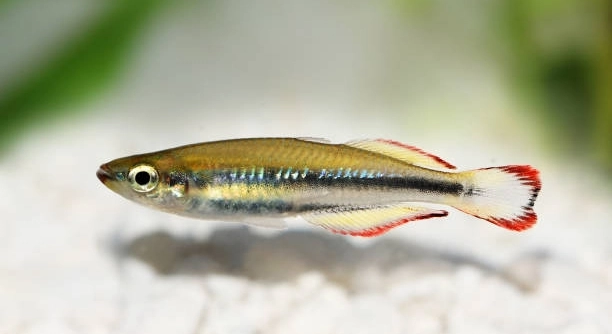
Do you ever notice how rainbowfish seem to gather around plants in aquariums? Their preference for dense vegetation is more than aesthetic. Observing their behavior reveals patterns that can help improve tank design and fish well-being. Rainbowfish prefer dense vegetation because it provides shelter, breeding sites, and a natural environment that reduces stress. Vegetation also … Read more
What Size Tank Do Rainbowfish Really Need?

Are your rainbowfish showing vibrant colors but seem restless in their tank? Setting up the right home for these lively fish can make a huge difference in their overall health and happiness. Rainbowfish require a minimum tank size of 30 gallons for a small group, with larger setups preferred to allow adequate swimming space. Adequate … Read more

Why Rainbowfish Might Swim Against the Current

Rainbowfish are small, colorful freshwater fish that often attract attention for their bright scales and playful movements. Observing them in aquariums or rivers can reveal surprising behaviors that seem unusual for typical fish patterns. Rainbowfish sometimes swim against the current as a strategy to maintain position in their preferred habitat and access optimal feeding areas. … Read more

How Often Should Rainbowfish Be Fed?

Rainbowfish are colorful and lively additions to any home aquarium. Their bright scales and active swimming patterns make them a joy to watch and care for, creating a vibrant environment for fish enthusiasts of all levels. Rainbowfish should be fed small amounts once or twice daily, ensuring they consume all food within a few minutes. … Read more

7 Clues Your Tank Might Be Too Bright

Keeping a fish tank bright can make it look lively and colorful. Many aquarium owners enjoy the way light enhances their fish and plants, but sometimes too much brightness can cause hidden problems in the tank environment. Excessive tank lighting can lead to algae overgrowth, stress in fish, and deterioration of plant health. High-intensity illumination … Read more

7 Best Toys and Decor for Rainbowfish

Have you ever looked at your rainbowfish tank and felt that something is missing, even though the water is clear and the fish seem lively and bright in their little aquatic world each day there. The best toys and decor for rainbowfish focus on enriching movement patterns, supporting natural behaviors, and maintaining stable environmental structure. … Read more

7 Sounds That Might Startle Rainbowfish

Do your rainbowfish seem to react suddenly to noises in your aquarium? Observing them can be fascinating, but certain sounds may trigger unexpected movements. Understanding these triggers can help maintain a calm and healthy environment for them. Rainbowfish can be startled by loud, abrupt, or unfamiliar sounds. Common examples include clattering objects near the tank, … Read more

7 Tips for Growing Rainbowfish Fry Fast

Are your rainbowfish fry growing slower than expected, leaving you worried about their development and overall health? Watching them thrive is rewarding, but ensuring they grow quickly requires careful attention to their environment, diet, and care routines. The fastest growth for rainbowfish fry is achieved through maintaining optimal water conditions, providing frequent, nutrient-rich feedings, and … Read more

7 Quick Fixes for a Restless Rainbowfish

Are your rainbowfish swimming anxiously or hiding more than usual in the tank? Many fish owners notice these restless behaviors and feel unsure how to help their colorful pets settle into a calm, healthy routine at home. Restless rainbowfish often result from environmental stress, improper water conditions, or lack of stimulation. Correcting water parameters, maintaining … Read more

7 Signs You’re Feeding Too Much

Do you often find yourself adding extra portions to every meal, thinking it will make your family happier or healthier? Sometimes the intention to provide more can lead to unintended consequences for both body and mind. Overfeeding can disrupt natural appetite signals and lead to digestive issues, weight gain, and behavioral problems. Monitoring portion sizes … Read more