
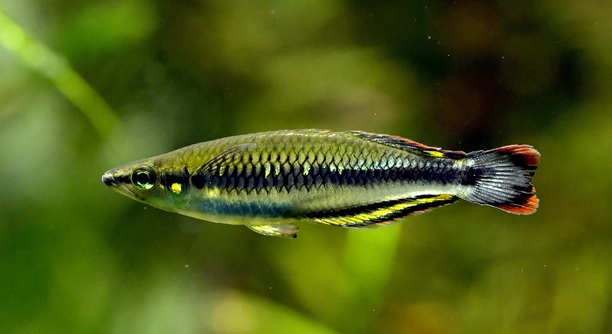
Are your rainbowfish fry growing slower than expected, leaving you worried about their development and overall health? Watching them thrive is rewarding, but ensuring they grow quickly requires careful attention to their environment, diet, and care routines.
The fastest growth for rainbowfish fry is achieved through maintaining optimal water conditions, providing frequent, nutrient-rich feedings, and ensuring proper tank hygiene. Consistent monitoring of temperature, pH, and feeding schedules directly influences their survival and developmental rate.
These practical steps will help your fry develop strong and healthy, making your aquarium a vibrant, thriving environment.
Provide High-Quality Fry Food
Feeding your rainbowfish fry the right food is crucial for their growth. In the early stages, they need tiny, easily digestible meals such as infusoria, newly hatched brine shrimp, or finely crushed flakes. Gradually, you can introduce slightly larger foods as they grow, ensuring they receive sufficient protein and nutrients. Feeding multiple small meals throughout the day promotes consistent growth and prevents overfeeding, which can pollute the water. Fresh food should be provided daily, and any uneaten portions removed promptly. A varied diet ensures the fry develop strong immune systems, vibrant colors, and faster growth. Watching them eat eagerly is a clear sign they are thriving, but it requires patience and commitment to maintain the feeding schedule. Consistency in diet, combined with clean water and proper tank conditions, creates the best environment for your fry to flourish quickly. Avoid sudden changes in food types, as this can stress them and slow growth.
Small, frequent meals are more effective than one large feeding. Consistency is key.
Providing the right mix of live and prepared foods ensures fry get complete nutrition. Regularly rotating food types, including protein-rich options and tiny greens, supports strong development and vibrant coloration. Monitoring their feeding habits helps prevent deficiencies and keeps growth steady.
Maintain Optimal Water Conditions
Stable water conditions are essential for fast growth and overall health. Temperature, pH, and ammonia levels should be checked daily. Rainbowfish fry prefer slightly warmer water and neutral pH. Sudden changes in water quality can stress fry and slow growth, so frequent water changes and filtration maintenance are critical. Clean water reduces the risk of disease, promotes feeding, and helps fry metabolize nutrients efficiently. Using a sponge filter or gentle filtration system avoids harming delicate fry while keeping the water clear. Observe your fry closely for signs of stress or illness, such as sluggish swimming or faded colors, which may indicate water issues. Maintaining a calm, stable environment ensures that the fry expend energy on growth rather than coping with stress. Keeping a consistent routine with partial water changes and careful monitoring of chemical levels can significantly impact growth rates. Proper water management supports a thriving, healthy population in your tank.
Daily monitoring prevents minor problems from becoming serious. Quick action maintains growth and health.
Careful attention to temperature, ammonia, nitrate, and pH levels ensures fry stay healthy and grow quickly. Water quality directly affects their digestion, energy, and overall vitality. Regular partial water changes, combined with gentle filtration and avoidance of overcrowding, create ideal conditions. Fry are highly sensitive, and even small fluctuations can lead to slowed development. A well-maintained tank not only promotes faster growth but also strengthens immunity, reducing the likelihood of disease. Using a reliable thermometer and test kits helps you track conditions accurately. Tank decorations and plants can provide shelter and reduce stress, further supporting growth. By maintaining consistent, optimal water parameters, you create a stable environment that allows rainbowfish fry to reach their full potential efficiently, resulting in strong, healthy fish with vibrant colors.
Avoid Overcrowding
Overcrowding slows fry growth and increases stress. Each fry needs space to swim freely and access food without competition.
Providing adequate space in the tank prevents stunted growth. Overcrowded conditions lead to weaker fry, slower development, and higher susceptibility to disease. Proper stocking density allows water parameters to remain stable, as more fish can quickly pollute the tank. Giving each fry enough room to explore and feed ensures stronger, healthier fish. Regularly separating fry by size and removing excess offspring keeps growth consistent. Observing how fry interact can help you adjust the number in the tank. Proper space management is a simple yet crucial step to support fast growth, strong development, and overall vitality in rainbowfish fry.
Monitoring the number of fry and adjusting their living space ensures balanced growth and reduces stress.
Healthy growth depends on a combination of food, clean water, and space. A crowded tank disrupts feeding patterns and increases aggression. Each fry should have room to move and access nutrition easily. Overcrowding also leads to rapid accumulation of waste, which affects water quality and can slow development. Dividing fry into separate tanks or adding partitions for different size groups helps maintain uniform growth. A well-managed population reduces competition, encourages healthy eating, and supports optimal development rates. Observing their behavior and adjusting tank density creates a stable environment where fry can grow efficiently.
Maintain Proper Lighting
Proper lighting influences fry activity and growth. Moderate lighting encourages feeding and helps plants grow without stressing fry.
Lighting affects fry metabolism, behavior, and tank environment. Too much light can cause stress and algae overgrowth, while too little reduces activity and appetite. Balanced lighting promotes a natural day-night cycle, supporting feeding habits and energy levels. Use a timer to ensure consistent light periods. Observing fry behavior under different lighting helps determine the optimal brightness and duration. Adjust lighting gradually to avoid sudden changes. Appropriate lighting also enhances plant growth, which improves water quality and provides hiding spots. Maintaining a stable light schedule supports healthy, fast-growing rainbowfish fry.
Consistent lighting creates a natural rhythm that helps fry feed actively and develop steadily.
Adjusting the intensity and duration of lighting is crucial for growth. Moderate light supports feeding, encourages swimming, and prevents stress. Excessive brightness can lead to skittish behavior, while too little can reduce appetite. Timed lighting ensures a consistent cycle that mimics natural conditions. Plants benefit from proper lighting, which indirectly improves water quality and provides shelter. Observing fry activity under different lighting conditions allows fine-tuning for optimal growth. Proper lighting management complements diet, water quality, and tank space, creating an environment where rainbowfish fry thrive efficiently and develop strong, healthy bodies.
Perform Regular Water Changes
Regular water changes keep the tank clean and reduce harmful toxins. Removing a portion of the water ensures ammonia and nitrate levels stay low.
Consistent partial water changes prevent stress and disease. Clean water allows fry to feed and grow efficiently, supporting faster development and stronger immune systems.
Separate Fry by Size
Separating fry by size reduces competition for food. Larger fry can dominate smaller ones, leading to uneven growth and stress.
Keeping fry in size-based groups ensures that each fish receives adequate nutrition. Smaller fry grow more evenly, while larger fry continue developing without interference.
Monitor Fry Health
Observing fry for signs of illness or unusual behavior helps prevent growth setbacks. Early detection allows for quick intervention and treatment.
Regularly checking for signs like lethargy, abnormal swimming, or faded colors can indicate water issues or disease. Healthy fry are active and feed well.
FAQ
How often should I feed rainbowfish fry?
Rainbowfish fry should be fed multiple small meals throughout the day. Young fry require tiny, easily digestible food such as infusoria or newly hatched brine shrimp. As they grow, slightly larger foods can be introduced. Frequent feeding supports steady growth and ensures fry get enough nutrition without polluting the water.
What type of food is best for fry growth?
High-protein foods are essential for fast growth. Infusoria, micro worms, and finely crushed flakes are suitable in early stages. Live foods like baby brine shrimp provide extra nutrition. Rotating food types ensures balanced nutrition, supports color development, and strengthens immunity. Avoid feeding large particles too early, as fry cannot consume them.
How much space do fry need?
Fry need enough room to swim freely and access food. Overcrowding slows growth and increases stress. A general guideline is at least one gallon per ten fry, but larger tanks improve water stability. Separating fry by size helps maintain uniform growth and reduces aggressive interactions.
How important is water quality?
Water quality is critical for fry survival and growth. Ammonia, nitrite, and nitrate should be monitored regularly. Partial water changes remove toxins, maintain pH, and support metabolism. A gentle filter prevents debris buildup without harming delicate fry. Clean water reduces disease risk and allows fry to feed efficiently.
Can I mix fry with adult rainbowfish?
Mixing fry with adults is not recommended. Adults may outcompete fry for food or accidentally eat them. Fry grow faster and stay healthier when kept in a separate tank or partitioned section. Once fry are larger and strong enough, gradual introduction to the main tank can be considered.
How do I know if fry are healthy?
Healthy fry are active, feed eagerly, and show vibrant colors. Signs of illness include lethargy, faded colors, unusual swimming patterns, or failure to eat. Observing behavior daily and monitoring water quality are the best ways to prevent problems. Quick intervention can save fry from disease or stress-related growth issues.
How often should I change water for fry?
Partial water changes of 20–30% every few days are ideal. Frequent changes prevent ammonia buildup and maintain stable conditions. Use dechlorinated water at a matching temperature to avoid shock. Over time, this routine promotes growth, prevents disease, and helps fry develop strong immune systems.
Does lighting affect fry growth?
Yes, proper lighting influences feeding, activity, and plant growth in the tank. Moderate light encourages natural behavior without stressing fry. Timed lighting creates a stable day-night cycle, improving metabolism and appetite. Excessive brightness or long exposure can cause stress, while too little light reduces activity.
When should I separate fry by size?
Fry should be separated when noticeable size differences appear. Larger fry tend to outcompete smaller ones for food, leading to uneven growth. Separating them ensures all fry receive adequate nutrition and reduces stress from competition. This step is essential for achieving uniform, healthy growth.
What common mistakes slow fry growth?
Overfeeding, overcrowding, inconsistent water quality, and poor diet are common causes of slow growth. Sudden changes in temperature, pH, or lighting also stress fry. Regular monitoring, consistent feeding schedules, and careful tank maintenance prevent these issues and promote fast, healthy development.
Can I use adult fish food for fry?
Adult food is often too large and hard to digest for fry. Only finely crushed flakes or specialized fry food should be offered initially. Gradually transitioning to adult food is possible as fry grow larger and can handle bigger particles. Proper sizing ensures they absorb nutrients efficiently.
How fast can rainbowfish fry grow?
Growth rates vary depending on species, diet, and tank conditions. With proper feeding, clean water, and stable conditions, fry can reach juvenile size within a few weeks to a couple of months. Regular monitoring ensures consistent development and prevents growth setbacks caused by stress or poor nutrition.
Is it necessary to use live plants in the fry tank?
Live plants provide hiding spots and improve water quality, but they are not strictly necessary. Floating plants reduce stress and give fry areas to explore. They also help maintain oxygen levels and absorb excess nutrients. Artificial plants can provide shelter but lack the filtration benefits of live plants.
Can I use a sponge filter for fry?
Yes, sponge filters are ideal because they provide gentle filtration without harming fry. They keep water clean, allow beneficial bacteria to grow, and prevent fry from being sucked into strong currents. Regular cleaning ensures efficient filtration and a stable environment for healthy growth.
How do I prevent diseases in fry?
Maintaining clean water, a balanced diet, and stable conditions reduces the risk of disease. Avoid overcrowding and remove dead or uneaten food promptly. Quarantining new fish before adding them to the tank prevents the introduction of pathogens. Early detection and treatment are crucial for fry survival.
Can temperature changes affect fry growth?
Yes, rainbowfish fry are sensitive to sudden temperature fluctuations. Consistent temperature within the recommended range supports metabolism and feeding efficiency. Gradual changes, rather than sudden shifts, prevent stress. Using a reliable heater and thermometer ensures stable water temperature, which is key for healthy, fast-growing fry.
Is it okay to leave fry unattended for a few days?
Short periods without attention are possible if automated feeders and reliable filtration are in place. However, daily monitoring is best. Fry are delicate, and neglect can lead to rapid water quality deterioration, missed feeding, and increased risk of disease. Regular checks ensure optimal growth conditions.
How long until fry can eat adult food?
Once fry are large enough to consume flakes or pellets without difficulty, usually after a few weeks, adult food can be gradually introduced. Crushed flakes or small pellets allow a smooth transition. Introducing adult food too early can lead to malnutrition or slow growth.
Should I remove uneaten food immediately?
Yes, uneaten food can pollute the tank and increase ammonia levels. Removing leftovers after a few minutes prevents water quality issues and reduces stress. Clean water ensures fry remain healthy and grow quickly. Observing feeding patterns helps gauge the right portion sizes for each meal.
What signs indicate stunted growth?
Stunted growth appears as smaller size compared to peers, faded colors, or reduced activity. Common causes include overcrowding, poor nutrition, and poor water quality. Addressing these factors promptly helps fry recover and continue growing at a healthy rate. Consistent care prevents long-term developmental issues.
How often should I test water parameters?
Daily testing for ammonia, nitrite, and pH is ideal, especially in fry tanks. Monitoring ensures stability and allows quick intervention if levels shift. Consistent water testing prevents growth delays and reduces the risk of disease. A stable environment is essential for fast, healthy development.
Can fry survive in tap water?
Tap water must be treated to remove chlorine and chloramines before use. Unprocessed tap water can harm delicate fry. Using a water conditioner ensures safety. Matching temperature and pH to the tank also reduces stress and supports growth. Proper preparation of tap water is crucial for fry survival.
Is aeration necessary for fry tanks?
Aeration improves oxygen levels and water circulation, supporting fry metabolism and growth. Gentle aeration prevents stress and allows fry to feed efficiently. Overly strong currents should be avoided, as fry can struggle against them. Sponge filters or air stones provide adequate oxygen without disturbing fry.
How long should I keep fry separate from adults?
Fry should remain separate until they are large enough to compete for food and avoid being eaten. This period varies by species but generally lasts several weeks. Proper separation ensures uniform growth, reduces stress, and increases survival rates, resulting in stronger, healthier fish ready for the main tank.
Caring for rainbowfish fry requires careful attention to several key factors that influence their growth and overall health. Providing high-quality food is essential, as fry rely on protein-rich and easily digestible meals to develop strong bodies and vibrant colors. Early-stage fry benefit from tiny live foods like infusoria or newly hatched brine shrimp, while slightly larger foods can be introduced as they grow. Feeding should be frequent and portioned to prevent overfeeding, which can pollute the water and harm fry. Consistency in feeding routines helps fry develop steadily and supports proper metabolism. Rotating food types and including a variety of nutrients ensures that each fry receives complete nourishment, helping them thrive and build resilience against stress and disease. Attention to diet forms the foundation for healthy growth, but it must be complemented by other care practices to achieve the best results.
Maintaining optimal water conditions is equally important for rainbowfish fry growth. Regular monitoring of temperature, pH, ammonia, and nitrate levels ensures a stable environment, while partial water changes remove harmful toxins and keep the tank clean. Fry are highly sensitive to sudden fluctuations in water quality, which can slow development or lead to illness. Gentle filtration systems, such as sponge filters, are ideal for keeping water clean without harming the delicate fry. Additionally, providing adequate space in the tank and separating fry by size prevents overcrowding, reduces competition for food, and lowers stress levels. Plants or hiding spots can further support a stable environment, offering shelter and reducing potential stress. When water conditions are consistent and carefully managed, fry expend energy on growth rather than coping with environmental stress, leading to faster development and stronger, healthier fish.
Other factors, such as lighting and tank management, also play a role in promoting fry growth. Moderate, consistent lighting encourages feeding activity and establishes a natural day-night rhythm, while avoiding excessive brightness that may stress fry. Regular observation of behavior and health allows early detection of any issues, enabling quick intervention to prevent long-term setbacks. By combining proper nutrition, clean and stable water, sufficient space, gentle filtration, and appropriate lighting, rainbowfish fry have the best chance to grow quickly and develop into strong, healthy adults. Paying attention to these details consistently creates a thriving environment where fry can reach their full potential, ensuring that your aquarium remains vibrant and well-maintained over time.

Hello,
If you enjoy the content that we create, please consider saying a "Thank You!" by leaving a tip.
Every little bit helps us continue crafting quality advice that supports the health, happiness, and well-being of pets around the world, for pets of all shapes, sizes, and species.
We really appreciate the kindness and support that you show us!