
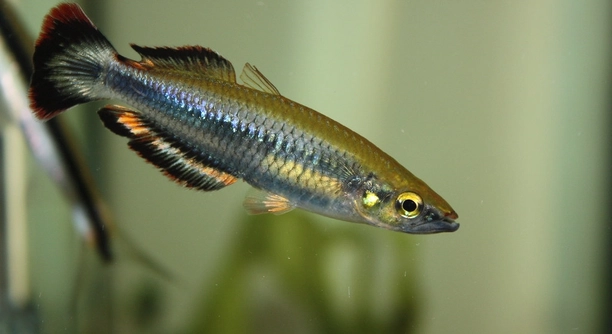
Are your rainbowfish showing vibrant colors but seem restless in their tank? Setting up the right home for these lively fish can make a huge difference in their overall health and happiness.
Rainbowfish require a minimum tank size of 30 gallons for a small group, with larger setups preferred to allow adequate swimming space. Adequate water volume and filtration help maintain stable conditions essential for their well-being and growth.
Understanding proper tank size is key to keeping rainbowfish healthy and active. Following the right guidelines ensures a thriving aquatic environment for these colorful fish.
Understanding Rainbowfish Behavior
Rainbowfish are active swimmers and naturally prefer open spaces with plenty of room to move around. Their activity level increases in groups, so keeping them in schools of at least six is recommended. Small tanks can lead to stress, sluggish behavior, and even health problems over time. They thrive when provided with consistent water conditions, moderate filtration, and areas for hiding, such as plants or decorations. Maintaining stable water parameters is essential since rainbowfish are sensitive to sudden changes in temperature, pH, or hardness. Observing their behavior regularly helps identify stress or illness early. They enjoy mid-level swimming areas, so aquascaping with both open water and planted sections works well. Proper tank maintenance, including regular water changes, also supports their vibrant colors and activity. Investing time into setting up an ideal environment pays off, resulting in healthier, more active fish that display natural behaviors consistently throughout their lives.
Rainbowfish exhibit their best colors and behavior when they have adequate space and proper water conditions.
A well-planned tank supports both social and environmental needs. Proper schooling, hiding spaces, and consistent maintenance keep the fish healthy, lively, and stress-free.
Choosing the Right Tank Size
For a small school of six rainbowfish, a 30-gallon tank is considered the minimum. Larger groups or bigger species require more space to prevent overcrowding. Overcrowding can lead to aggression, reduced swimming room, and poor water quality. A spacious tank also allows for better oxygenation and filtration, which contributes to overall health. While decorations and plants are important for hiding spots, they should not compromise swimming space. Vertical space can be just as important as horizontal space, as rainbowfish often use the middle and upper sections of the tank. Choosing a tank that balances open areas with planted sections ensures the fish feel secure yet active. Regular monitoring of water parameters helps maintain stable conditions. By providing enough room, your rainbowfish can display natural schooling behavior, show brighter colors, and remain physically fit over time, creating a more engaging and healthy aquarium environment for them.
Selecting an appropriately sized tank is critical for the long-term health of rainbowfish. Overcrowding reduces activity and can stress the fish.
Proper tank planning balances swimming space, hiding areas, and filtration, ensuring rainbowfish thrive both physically and socially while maintaining vibrant coloration.
Tank Setup Essentials
Proper filtration is essential for rainbowfish tanks. It keeps the water clean and stable while removing waste. Choosing a filter rated for a slightly larger tank helps maintain consistent water quality. Aeration also supports healthy oxygen levels for active swimming and reduces stress.
Setting up the tank requires balancing open swimming areas with plants and decorations. Floating plants provide shade and simulate a natural environment. Substrate choice affects both aesthetics and water chemistry. Smooth gravel or sand works best, preventing injury while allowing easy cleaning. Plants should be securely anchored to avoid uprooting from active swimming. Adding driftwood or rocks creates hiding spots, helping reduce stress and encouraging natural behaviors. Proper lighting supports plant growth and highlights the fish’s vibrant colors. Regular maintenance, including partial water changes, ensures a healthy environment.
Water temperature and chemistry must remain consistent. Rainbowfish thrive in slightly alkaline water around 75–82°F. Sudden changes can cause stress or illness. Using a reliable heater and testing kit helps maintain stability. Regular monitoring of ammonia, nitrite, and nitrate levels prevents toxic buildups.
Stocking and Social Behavior
Rainbowfish are social and should be kept in groups of at least six to encourage natural schooling behavior. Smaller numbers can lead to stress, aggression, or shy behavior, affecting overall health.
When choosing tankmates, select peaceful species of similar size and temperament. Avoid aggressive or fin-nipping fish, as rainbowfish can become stressed when harassed. Keeping compatible species promotes harmony and allows all fish to thrive. Providing ample space for movement, hiding, and territories ensures active schooling while reducing conflict. Observing behavior regularly helps identify issues early, allowing adjustments to stocking levels or tank layout. Properly managing group size, social interactions, and compatible species is key to maintaining a vibrant and stress-free aquarium.
Feeding and Nutrition
Rainbowfish need a varied diet to maintain bright colors and good health. High-quality flakes or pellets should form the base, supplemented with live or frozen foods such as brine shrimp, daphnia, or bloodworms.
Feeding small amounts two to three times daily prevents overfeeding and keeps water quality stable. Removing uneaten food reduces the risk of ammonia spikes and maintains a healthier environment for all tank inhabitants.
Water Maintenance
Regular water changes of 20–30% weekly help maintain stable water conditions. Removing waste and debris prevents harmful chemical buildup, supporting the fish’s immune system.
Lighting and Plant Care
Moderate lighting supports plant growth and highlights the rainbowfish’s colors. Avoid overly intense light, which can stress the fish or promote algae.
Observing Health
Watch for signs of stress or disease, such as faded colors, clamped fins, or erratic swimming. Early detection allows prompt care and treatment, keeping the tank healthy.
FAQ
What is the minimum tank size for rainbowfish?
The minimum recommended tank size for a small school of six rainbowfish is 30 gallons. This size allows enough swimming space and helps maintain stable water conditions. Larger groups or bigger species require more space to prevent overcrowding and reduce stress.
How many rainbowfish should I keep together?
Rainbowfish are social and should be kept in groups of at least six. Smaller numbers can make them shy, stressed, or prone to aggression. A larger school encourages natural schooling behavior and improves their overall activity and health.
What water conditions do rainbowfish prefer?
Rainbowfish thrive in slightly alkaline water with a pH around 7.0–8.0. Ideal temperatures range between 75–82°F. They are sensitive to sudden changes in water chemistry, so consistent monitoring and maintenance are essential for their health and color vibrancy.
What should I feed my rainbowfish?
A varied diet is key. High-quality flakes or pellets should form the main diet. Supplement with live or frozen foods like brine shrimp, daphnia, or bloodworms. Feeding two to three small portions per day prevents overfeeding and helps maintain water quality.
Can rainbowfish live with other fish?
Yes, but choose peaceful tankmates of similar size. Aggressive or fin-nipping species can stress rainbowfish. Good companions include tetras, rasboras, and small peaceful gouramis. Adequate space and hiding spots reduce territorial disputes and ensure a calm environment for all fish.
How often should I change the water?
Partial water changes of 20–30% weekly are recommended. This removes accumulated waste and keeps ammonia, nitrite, and nitrate levels in check. Regular changes maintain water quality, reduce stress, and help rainbowfish display vibrant colors.
Do rainbowfish need plants in their tank?
Yes, live plants provide hiding spaces and make the tank feel more natural. They also help absorb excess nutrients, improving water quality. Floating and rooted plants offer shade and mid-level swimming areas, which rainbowfish use regularly.
What signs indicate rainbowfish are stressed or sick?
Watch for faded colors, clamped fins, erratic swimming, or loss of appetite. Early detection of illness allows prompt treatment, preventing further health decline. Maintaining stable water conditions and a proper diet reduces stress risks.
Is lighting important for rainbowfish?
Moderate lighting is ideal. It enhances their colors and supports plant growth. Avoid intense light, which can stress the fish or encourage algae growth. A regular light schedule of about 8–10 hours per day keeps them healthy.
How do I prevent aggression in a rainbowfish tank?
Keep a proper group size and compatible tankmates. Ensure enough swimming space, hiding spots, and stable water conditions. Overcrowding or sudden environmental changes can trigger aggression, while well-planned setups encourage harmonious behavior and active schooling.
Can rainbowfish breed in a home aquarium?
Yes, with the right conditions. Provide fine-leaved plants or spawning mops for egg-laying. Separate adults from eggs if needed to prevent predation. Stable water conditions and a varied diet improve breeding success and fry survival.
How fast do rainbowfish grow?
Growth varies by species and care. With proper nutrition, water quality, and space, they grow steadily, reaching adult size within several months to a year. Overcrowding or poor conditions can slow growth and impact health.
Do rainbowfish need a special substrate?
Smooth gravel or sand works best. It prevents injury while allowing easy cleaning. Avoid sharp or rough substrates, which can damage fins or stress the fish during swimming and feeding.
What is the lifespan of rainbowfish?
Rainbowfish typically live 5–8 years with proper care. Maintaining stable water conditions, a balanced diet, and a stress-free environment helps maximize their lifespan while keeping them healthy and vibrant.
How can I maintain vibrant colors in rainbowfish?
A varied diet, proper lighting, and stable water conditions support bright coloration. Social schooling and low stress levels also enhance natural colors. Observing their behavior regularly ensures the environment remains optimal for their appearance.
Are rainbowfish sensitive to sudden changes?
Yes, they do not handle rapid shifts in temperature, pH, or hardness well. Gradual changes during water changes or tank adjustments minimize stress and prevent illness. Consistent care ensures they remain active and healthy.
Can I keep rainbowfish in a small tank temporarily?
Temporary setups are possible for short periods, such as during quarantine or transport. However, long-term confinement in small tanks leads to stress, poor growth, and health issues. Providing adequate space is essential for permanent housing.
How do I introduce rainbowfish to a new tank?
Acclimate them slowly by floating the bag in the tank and gradually mixing tank water. This prevents shock from differences in temperature and water chemistry, reducing stress and improving survival rates.
Is water filtration necessary for rainbowfish?
Yes, filtration keeps water clean, removes toxins, and maintains oxygen levels. Choose a filter rated for a slightly larger tank than yours to ensure stable water conditions and a healthy environment.
What common mistakes should be avoided?
Overcrowding, overfeeding, neglecting water changes, and mixing aggressive tankmates are frequent mistakes. These issues cause stress, illness, and reduced color vibrancy. Proper planning, maintenance, and observation prevent most problems.
Do rainbowfish require aeration?
While not strictly necessary with a strong filter, additional aeration helps maintain oxygen levels, especially in warmer water. It supports active swimming, reduces stress, and improves overall tank health.
Can rainbowfish tolerate slightly acidic water?
They prefer slightly alkaline water but can tolerate minor fluctuations. Long-term acidic conditions are harmful, reducing activity, stressing the fish, and affecting color and growth. Maintaining pH around 7.0–8.0 is optimal.
How important is tank size compared to other factors?
Tank size directly affects swimming space, water stability, and social behavior. While diet, filtration, and water quality are important, adequate space is essential for reducing stress and promoting natural, healthy behavior.
Should I quarantine new rainbowfish before adding them?
Yes, quarantining prevents the spread of disease and parasites to established fish. A 2–4 week quarantine period allows observation and treatment before introducing new fish to the main tank.
Can rainbowfish live alone?
They can survive alone but are much happier in groups. Solitary fish often become stressed, display shy behavior, and fail to show natural schooling patterns. Social interaction is key to their well-being.
What is the best way to monitor water quality?
Regular testing for ammonia, nitrite, nitrate, pH, and temperature ensures a stable environment. Using reliable test kits and keeping a maintenance schedule prevents problems before they affect the fish.
How do I handle sudden illnesses?
Isolate affected fish if necessary, maintain optimal water conditions, and provide targeted treatments. Early intervention improves recovery chances and prevents disease from spreading to other tank inhabitants.
Can rainbowfish tolerate cold water?
They prefer warm water between 75–82°F. Colder temperatures slow metabolism, weaken the immune system, and may lead to illness. Using a reliable heater keeps the temperature stable for long-term health.
Do rainbowfish need supplements or vitamins?
A varied diet usually provides adequate nutrients. Occasional supplements can support color and health, especially during breeding or after stress. Avoid over-supplementing, as it can harm water quality and the fish.
How do I prevent algae growth in a rainbowfish tank?
Control lighting, avoid overfeeding, and maintain regular water changes. Live plants help compete with algae for nutrients. Algae-eating tankmates, such as snails or certain shrimp, can assist in keeping growth under control.
What is the best temperature range for rainbowfish?
Rainbowfish thrive at 75–82°F. Consistent temperatures support metabolism, activity, and coloration. Sudden drops or spikes can stress the fish, making them more susceptible to disease and reducing vibrancy.
How often should I clean the tank?
Partial water changes weekly and substrate vacuuming as needed maintain water quality. Cleaning filters according to manufacturer instructions prevents buildup and ensures proper circulation without disturbing the fish.
Can rainbowfish live with bottom-dwelling fish?
Yes, peaceful bottom-dwellers like Corydoras or small loaches are compatible. They occupy different tank levels, reducing competition and stress while allowing rainbowfish to swim freely in mid to upper areas.
Are rainbowfish hardy for beginners?
They are moderately hardy but require consistent care, proper tank size, and stable water conditions. Beginners willing to maintain regular maintenance and monitoring can successfully keep rainbowfish healthy and active.
Do rainbowfish need a specific pH range?
They prefer slightly alkaline water around 7.0–8.0. Stability is more important than exact numbers. Rapid fluctuations can cause stress, disease, and reduced coloration, so regular testing is crucial.
How long do rainbowfish take to acclimate to a new tank?
Acclimation can take several days to a week. Gradual introduction to water chemistry, temperature, and tank layout helps reduce stress and encourages normal behavior, feeding, and schooling.
What is the best way to encourage breeding?
Provide fine-leaved plants or spawning mops, maintain stable water conditions, and feed high-quality live or frozen foods. Separate adults from eggs if needed to prevent predation. Consistent care increases success and fry survival.
Can rainbowfish tolerate tap water?
Tap water is usable if treated to remove chlorine, chloramine, and heavy metals. Using a water conditioner and testing for hardness and pH ensures the water is safe for long-term health.
How do I know if my rainbowfish tank is overcrowded?
Signs include reduced swimming space, increased aggression, stress behaviors, and water quality issues. Following recommended stocking guidelines and observing fish behavior helps prevent overcrowding.
What equipment is essential for a rainbowfish tank?
A reliable filter, heater, thermometer, lighting, and test kits are essential. Optional aeration and decor support natural behaviors, hiding, and plant growth, creating a healthy and stimulating environment.
Are rainbowfish compatible with shrimp or snails?
Generally, yes. Peaceful invertebrates like nerite snails or cherry shrimp coexist well, adding cleaning benefits and variety without stressing the fish. Ensure enough hiding spots for invertebrates to prevent predation.
How can I improve rainbowfish activity?
Provide ample swimming space, maintain proper water conditions, feed a varied diet, and keep them in a proper-sized school. Regular observation and adjustments to tank layout encourage natural, active behavior.
What is the best way to handle tank emergencies?
Have backup equipment like heaters and filters, keep water conditioners on hand, and monitor parameters closely. Acting quickly prevents stress and health problems, ensuring the fish remain safe and stable.
Do rainbowfish require weekly maintenance?
Yes, partial water changes, testing water quality, and removing debris are necessary weekly. Consistent care prevents problems, supports health, and maintains vibrant colors for long-term success.
Can rainbowfish live in community tanks?
Yes, with peaceful, similar-sized species. Ensure enough space, hiding spots, and stable water conditions to prevent stress and maintain harmonious interactions among all tank inhabitants.
Are rainbowfish sensitive to light changes?
Sudden or intense light can stress them. Gradual transitions and moderate lighting schedules help maintain natural behavior, reduce stress, and enhance coloration.
How do I manage growth in a small tank?
Avoid small tanks for long-term housing. If temporary, monitor water quality, reduce stocking density, and provide hiding spots. Adequate space is crucial for healthy growth and activity.
What is the most common cause of stress in rainbowfish?
Overcrowding, poor water quality, incompatible tankmates, or sudden environmental changes are primary stress factors. Addressing these prevents illness and maintains vibrant colors.
How do I keep rainbowfish colors vibrant?
A balanced diet, proper lighting, low stress levels, stable water parameters, and social interaction promote bright, natural colors over time.
Is it necessary to cycle a rainbowfish tank?
Yes, cycling establishes beneficial bacteria, reducing toxic ammonia and nitrite levels. A fully cycled tank ensures stable water conditions and healthy, stress-free fish.
How do I introduce plants safely?
Rinse plants thoroughly to remove debris and pests. Acclimate them to tank water gradually. Anchoring securely prevents uprooting from active swimming, supporting both fish and plant health.
What tank decorations are safe for rainbowfish?
Smooth rocks, driftwood, and secure plants are safe. Avoid sharp edges or small gaps that could trap or injure the fish. Decor should balance hiding spaces with open swimming areas.
Can rainbowfish adapt to different tank shapes?
They prefer tanks with more horizontal swimming space. Tall, narrow tanks limit movement and can reduce activity, while wide, open setups support natural schooling behavior.
Are rainbowfish sensitive to noise or vibration?
Excessive noise or vibrations can stress them. Placing the tank in a stable, quiet location helps maintain calm behavior and prevents health issues caused by chronic stress.
How do I prevent fin damage in rainbowfish?
Avoid rough decorations, sharp substrates, and aggressive tankmates. Regular observation and proper group size minimize stress-related fin damage.
What should I do if a fish dies?
Remove the fish immediately, check water parameters, and observe remaining fish for signs of illness. Quarantine or treat as needed to prevent further problems.
Do rainbowfish require special care during winter?
Maintain stable temperature with a reliable heater. Indoor conditions often drop in winter, so monitoring water temperature prevents stress or illness during colder months.
How often should I test water parameters?
Weekly testing of ammonia, nitrite, nitrate, pH, and temperature ensures stable conditions. More frequent checks are recommended after introducing new fish or performing large water changes.
Can rainbowfish tolerate slightly hard water?
Yes, they prefer moderately hard water. Extremely soft or very hard water can cause stress or impact growth, so testing and adjusting hardness is beneficial.
What is the ideal tank layout for rainbowfish?
Provide open swimming areas, mid-level plants, hiding spots, and smooth substrate. Balance decorations to allow natural schooling while supporting plant growth and fish activity.
Do rainbowfish need a specific type of lighting schedule?
A consistent 8–10 hour light cycle supports plant growth and natural behavior. Gradual transitions between light and dark periods reduce stress and promote healthy activity.
How do I handle sudden deaths in a rainbowfish tank?
Check water quality, observe remaining fish, and remove any deceased fish promptly. Investigate potential causes, such as illness, poor water conditions, or aggression, to prevent recurrence.
Can rainbowfish live with bettas?
Avoid bettas, especially males, as they may be aggressive and stress rainbowfish. Choosing peaceful, compatible species ensures a stable and safe environment.
What is the best way to acclimate rainbowfish to tap water?
Float the bag in the tank and gradually mix small amounts of conditioned tank water over 30–60 minutes. This reduces stress and prevents shock from differences in temperature or chemistry.
Do rainbowfish need UV sterilizers?
Not essential, but UV sterilizers can help control free-floating algae and pathogens, improving water quality and reducing the risk of disease outbreaks in larger or heavily stocked tanks.
How important is tank location for rainbowfish?
Place the tank in a quiet, stable area away from direct sunlight, drafts, or vibrations. This reduces stress and supports consistent water temperature and fish behavior.
Can rainbowfish tolerate brackish water?
No, they are strictly freshwater species. Even small amounts of salt can stress or harm them. Maintaining freshwater conditions is essential for health and long-term survival.
How do I prevent overcrowding when adding new fish?
Calculate total adult size, maintain proper group sizes, and ensure the tank has enough space for swimming and hiding. Gradually adding fish while monitoring behavior prevents overcrowding and stress.
Do rainbowfish need constant aeration with a filter?
While not strictly required, additional aeration helps maintain oxygen levels, especially in warm water or heavily stocked tanks. It supports swimming activity and reduces stress.
Are rainbowfish easy to breed?
They can breed in home aquariums with proper care, including stable water, hiding spots for eggs, and a nutritious diet. Breeding requires planning but is achievable for dedicated hobbyists.
How long do rainbowfish eggs take to hatch?
Eggs typically hatch in 7–12 days depending on temperature and species. Keeping the eggs in stable water conditions and away from adults improves survival rates.
What is the best way to feed rainbowfish fry?
Feed small live or powdered foods multiple times daily. Gradually transition to flakes or pellets as they grow. Frequent, small meals support healthy growth and development.
Can rainbowfish tolerate low light conditions?
They survive in low light but colors may fade, and plants may struggle. Moderate lighting promotes vibrant coloration, healthy plants, and normal activity.
How do I prevent disease outbreaks?
Maintain water quality, avoid overcrowding, quarantine new fish, feed a varied diet, and observe regularly. Prompt intervention reduces the spread and impact of illness.
Are rainbowfish sensitive to medication?
Some treatments can affect water chemistry or plants. Follow instructions carefully, and remove sensitive species if necessary. Using appropriate dosages minimizes risk while treating illness.
Can rainbowfish live in a planted tank?
Yes, they thrive in planted tanks with open swimming areas. Plants provide hiding spots, improve water quality, and enhance natural behavior. Balance plants and swimming space for best results.
What is the best water hardness for rainbowfish?
Moderately hard water is ideal. Extreme softness or hardness can cause stress, affect growth, and reduce coloration. Testing and adjusting water hardness ensures optimal conditions.
Do rainbowfish require substrate heating?
No, substrate heating is not necessary. Stable water temperature from a heater is sufficient. Substrate mainly supports plants and provides hiding spots.
How do I prevent fin rot?
Maintain water quality, avoid aggressive tankmates, and provide proper nutrition. Early detection and treatment prevent fin damage from developing into more serious infections.
Can rainbowfish tolerate fluctuating temperatures?
No, sudden temperature changes stress the fish, weaken the immune system, and can lead to illness. Consistent heating and monitoring are essential.
How often should I trim plants in a rainbowfish tank?
Trim as needed to prevent overcrowding and maintain swimming space. Regular pruning keeps plants healthy and preserves mid-level areas used by rainbowfish.
What are the best compatible tankmates for rainbowfish?
Peaceful, similar-sized species like tetras, rasboras, and Corydoras work well. Avoid aggressive or fin-nipping fish to maintain a calm environment and healthy social behavior.
Can rainbowfish live in a nano tank?
No, they require open swimming space. Nano tanks restrict movement,
Final Thoughts
Providing the right tank size for rainbowfish is essential for their health, activity, and overall well-being. These fish are active swimmers and naturally prefer open spaces where they can move freely and interact with other members of their school. A tank that is too small can quickly become stressful, leading to health issues, faded colors, or reduced activity. When choosing a tank, consider the number of fish you plan to keep, their potential growth, and the need for adequate swimming space. Even small decorations or plants should be placed thoughtfully to ensure they do not limit the fish’s movement. By prioritizing space and comfort, you create an environment that supports natural behavior and allows rainbowfish to thrive. Observing your fish regularly can help identify any early signs of stress or illness, giving you the chance to adjust the tank setup or care routine as needed.
Stable water conditions are equally important for rainbowfish. These fish prefer slightly alkaline water with a moderate temperature range, and they are sensitive to sudden changes in pH, hardness, or temperature. Maintaining a proper filtration system and performing regular water changes ensures the tank remains clean and safe. Water quality directly affects the fish’s energy, coloration, and immune system. A well-maintained tank reduces the risk of disease, supports proper growth, and promotes natural schooling behavior. In addition to filtration, moderate lighting and plant coverage can enhance both the fish’s environment and their visual appeal. Plants provide hiding spots and shade, while a balanced light schedule encourages healthy activity patterns. Taking these factors into account makes a big difference in keeping rainbowfish happy and vibrant.
Feeding and social considerations are also vital to long-term success. Rainbowfish require a varied diet, including high-quality flakes or pellets as the main food, supplemented with live or frozen options to support color, health, and growth. Feeding small portions multiple times a day helps prevent overfeeding and keeps water quality stable. Socially, rainbowfish thrive in groups of at least six, which encourages natural schooling behavior and reduces stress. Careful selection of tankmates further contributes to a harmonious environment, as aggressive species can disrupt social balance and create tension. By paying attention to tank size, water stability, diet, and social dynamics, you ensure a thriving, stress-free habitat. Proper planning and maintenance may require effort, but the result is a lively, colorful tank filled with healthy rainbowfish that display their natural beauty and behaviors consistently.

Hello,
If you enjoy the content that we create, please consider saying a "Thank You!" by leaving a tip.
Every little bit helps us continue crafting quality advice that supports the health, happiness, and well-being of pets around the world, for pets of all shapes, sizes, and species.
We really appreciate the kindness and support that you show us!