
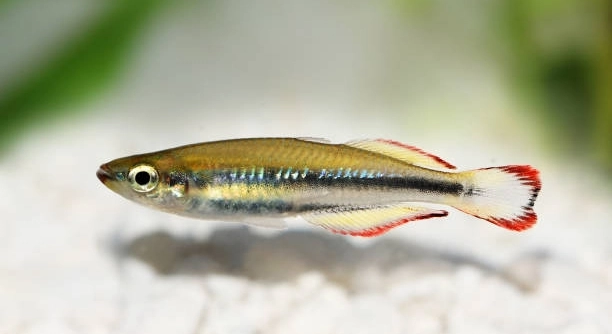
Rainbowfish are small, colorful freshwater fish that often attract attention for their bright scales and playful movements. Observing them in aquariums or rivers can reveal surprising behaviors that seem unusual for typical fish patterns.
Rainbowfish sometimes swim against the current as a strategy to maintain position in their preferred habitat and access optimal feeding areas. This behavior also strengthens their muscles and supports reproductive success, demonstrating an adaptive response to environmental conditions.
Learning about these behaviors provides insight into how rainbowfish navigate challenges in their environment and interact with other species in their aquatic communities.
Understanding Rainbowfish Behavior
Rainbowfish are naturally active and social creatures. They prefer swimming in groups, which offers safety and helps them find food efficiently. Their bright scales are not just for show; these colors signal health and readiness to mate. In the wild, they encounter varying currents, and their responses are often instinctive. Swimming against the current can improve stamina and allow them to navigate complex environments. This behavior is particularly noticeable in younger fish, who are developing strength and coordination. Additionally, currents carry nutrients and tiny organisms, so moving against them ensures access to important food sources. Observing rainbowfish can reveal subtle social interactions, such as following leaders or avoiding aggressive members. Environmental factors, such as water temperature and flow, also influence their movements. Adjusting to changes in their habitat keeps them healthy and resilient. Understanding these natural patterns can make aquarium care more effective and enrich appreciation for their adaptive behaviors in rivers or tanks.
Rainbowfish swimming patterns indicate social hierarchy and adaptability, showing how they respond to both environmental challenges and internal group dynamics within their schools.
Watching rainbowfish navigate different currents teaches important lessons about their intelligence and instincts. Even in aquariums, their choices reflect natural tendencies, balancing safety, feeding, and interaction with others.
Environmental Influences on Current Swimming
Water flow is a major factor affecting rainbowfish behavior. They respond quickly to changes in current speed, direction, and turbulence.
Currents impact feeding habits, energy use, and stress levels. In stronger flows, rainbowfish must expend more energy, which can influence their growth and health. Some individuals prefer calmer waters, while others actively seek stronger currents to build strength and improve agility. Seasonal variations in rivers or streams change water temperature and oxygen levels, which further affect swimming patterns. Predators also shape movement, as swimming against the current can make it harder for threats to approach unnoticed. In aquariums, simulating natural currents can encourage exercise and mimic real environmental conditions. Decorations, plants, and rocks create areas of varying flow, giving rainbowfish choices for resting or exploring. Observing these behaviors can help owners adjust tank setups to better match natural habitats. Overall, understanding how environmental factors influence rainbowfish helps ensure their well-being, allowing them to thrive both in captivity and in nature.
Nutrition and Feeding Patterns
Rainbowfish often swim against the current to reach areas rich in small insects, plankton, and plant matter. This behavior ensures they access nutritious food while avoiding overcrowded spots with competition from other fish.
Swimming upstream can increase energy expenditure, but it also allows rainbowfish to find high-quality food sources consistently. In rivers and streams, currents carry tiny organisms and nutrients that settle in certain areas. By moving against the flow, rainbowfish can intercept these resources before other fish consume them. This strategy supports growth, health, and reproductive readiness, making it essential for survival. Feeding behaviors also vary by species and age, with younger fish focusing on smaller prey while adults can target larger items. Observing their feeding patterns in tanks or natural habitats helps understand how energy balance and diet influence their daily activities and social interactions within schools of fish.
Food availability interacts with social behavior, as rainbowfish often follow dominant individuals to rich feeding zones. Their movements reflect a balance between effort, reward, and safety, showing complex decision-making for such small creatures.
Social Dynamics and Schooling
Swimming against the current can indicate a fish’s position in its social group. Dominant rainbowfish often lead, while others follow or compete for space.
Group size, hierarchy, and interactions shape movement patterns. Rainbowfish use schooling behavior to reduce risk from predators, maintain energy efficiency, and locate food effectively. By swimming against the current, they test stamina, assert dominance, or avoid conflicts with other group members. Subordinate fish may take alternative routes to conserve energy while still remaining part of the school. Aggression levels vary by species, with some rainbowfish establishing clear territories, while others rely on constant movement to negotiate positions. Observing these dynamics shows how swimming patterns are influenced not just by environmental factors but also by social pressures. Schooling provides safety in numbers, and strategic positioning within the group can affect feeding success, mating opportunities, and survival rates. Understanding these interactions can guide aquarium setups, ensuring harmony and reducing stress among the fish.
Adaptation to Currents
Rainbowfish develop stronger muscles by swimming against currents. This effort improves agility and helps them maintain position in flowing water without exhausting energy.
Swimming upstream also aids navigation in changing environments. It allows fish to reach feeding grounds or safer areas when currents shift or water levels rise.
Breeding and Reproductive Behavior
During breeding, rainbowfish often move against the current to find optimal spawning sites. These areas usually have plants or rocks that protect eggs and provide shelter for young fry. By choosing these locations, rainbowfish increase survival rates of their offspring. This behavior also signals health and vitality to potential mates, as only strong, agile fish can consistently swim upstream. Environmental cues such as water temperature, flow, and daylight influence timing and frequency of spawning. Schooling behavior continues during this period, with dominant fish controlling prime spots while others follow or find alternative areas. Observing these patterns helps understand how environmental adaptation directly supports reproduction, ensuring both individual fitness and population sustainability.
Observing in Aquariums
Providing moderate currents encourages natural swimming and exercise. This setup mimics wild conditions, supporting health and behavior.
FAQ
Why do rainbowfish sometimes swim against the current in my tank?
Rainbowfish swim against the current to mimic natural behavior and maintain strength. Even in aquariums, currents stimulate exercise and keep them active. They may also be seeking food or exploring different areas of the tank to find safer or more comfortable spots.
Is swimming against the current stressful for rainbowfish?
Not necessarily. Moderate currents are natural for rainbowfish and promote healthy activity. Stress occurs if currents are too strong or if fish cannot find calm areas to rest. Balancing flow and providing hiding spots helps them feel secure while still encouraging movement.
Do all species of rainbowfish swim against currents equally?
No, swimming patterns vary by species. Some are more active and favor stronger currents, while others prefer calmer waters. Age also affects behavior, as younger fish may swim less against the flow while building strength, whereas adults are more capable of sustained movement.
Does swimming upstream affect feeding habits?
Yes. Rainbowfish often swim against currents to reach areas with higher concentrations of plankton or other small prey. This behavior ensures they access nutritious food while avoiding overcrowded areas where competition is high. It is part of their strategy to optimize energy intake.
Can swimming against the current improve their health?
Absolutely. This activity builds muscle, improves stamina, and supports overall fitness. Fish that regularly move against currents tend to have better body condition, stronger fins, and higher energy levels, which contribute to reproductive success and longevity.
How can I create suitable currents in my aquarium?
Use filters or pumps that generate gentle to moderate flow. Adjust the output to avoid overly strong currents that could exhaust the fish. Placing plants and decorations strategically creates areas of varying flow, allowing rainbowfish to rest or explore as needed.
Do social dynamics affect which fish swim against the current?
Yes. Dominant rainbowfish often lead the school against currents, while subordinate fish may follow or take alternative routes. Swimming patterns reflect hierarchy, stamina, and individual strategy, balancing safety, feeding opportunities, and energy conservation.
Will swimming against the current help with breeding?
Swimming upstream often positions rainbowfish in ideal spawning areas, such as zones with plants or sheltered rocks. Strong, agile fish are better able to reach these sites, which improves egg protection and fry survival. This behavior also signals fitness to potential mates.
Can rainbowfish get tired from swimming against the current?
Yes, if currents are too strong or prolonged without rest areas. Fish need calm spots to recover. Providing plants, rocks, or other shelter ensures they can rest while still benefiting from natural swimming behavior.
How does water quality affect swimming patterns?
Poor water quality can reduce activity and discourage swimming against the current. High ammonia, nitrites, or low oxygen levels stress rainbowfish, making them lethargic. Maintaining clean water with proper filtration encourages natural behavior, including upstream swimming.
Are there any signs my rainbowfish are struggling with currents?
Signs include clinging to decorations, hiding excessively, or displaying rapid gill movement. These behaviors indicate stress or fatigue. Adjusting flow strength, adding hiding places, or rearranging tank structures can help them manage currents comfortably.
Do rainbowfish prefer constant or variable currents?
Variable currents are closer to natural conditions. Alternating areas of faster and slower flow allow fish to exercise, feed, and rest efficiently. Constant, strong currents can lead to exhaustion, while completely still water may reduce activity and fitness.
How long can rainbowfish sustain swimming against a current?
Duration depends on species, age, and tank conditions. Young or weaker fish swim for shorter periods, while adults may maintain movement for longer stretches. Providing alternating calm zones ensures they can rest and recover as needed.
Can swimming against currents reduce aggression in a school?
Yes. Currents encourage movement, which can reduce territorial disputes. Fish spread out to navigate the flow, minimizing competition and conflict. Strategic tank decoration enhances these benefits by offering multiple pathways and hiding spots.
Does diet influence their ability to swim upstream?
Nutrition affects stamina. Well-fed rainbowfish with balanced diets have more energy to swim against currents. Protein-rich foods support muscle development, while vitamins and minerals improve overall health, making upstream movement more sustainable.
Is it safe to introduce new fish to a tank with strong currents?
New fish may struggle initially. Introduce them gradually and ensure calm areas are available. Observation is important, as weaker or stressed fish may need more protection until they adjust to the tank’s flow and social dynamics.
How do environmental changes impact upstream swimming?
Changes in water temperature, oxygen levels, or flow can alter behavior. Rainbowfish adapt by adjusting swimming intensity, selecting calmer areas, or modifying social interactions. Maintaining stable conditions reduces stress while still encouraging natural movement.
Can aquarium decorations influence upstream swimming behavior?
Yes. Rocks, plants, and driftwood create zones of varying current, offering both resistance for exercise and calm spaces for rest. Proper placement encourages natural exploration while reducing stress and promoting balanced activity.
Do rainbowfish ever swim against currents in groups or alone?
Both occur. Schools often move together, with leaders setting pace, while isolated fish may swim alone to explore or find food. Social structure, habitat conditions, and individual fitness influence whether fish swim in groups or independently.
How can observing swimming behavior improve aquarium care?
Monitoring movement against currents helps identify stress, social issues, or health problems. Adjusting water flow, diet, and tank structure based on behavior ensures a healthier, more active, and balanced environment for rainbowfish.
Final Thoughts
Rainbowfish are fascinating creatures that display behaviors many people might not expect. Swimming against the current is one of these behaviors, and it is not random or unnecessary. This action serves multiple purposes, including improving strength, accessing food, and maintaining social balance within their groups. Even in aquariums, rainbowfish retain these instincts, which shows how deeply their natural behavior is ingrained. Observing them carefully can reveal subtle patterns, such as how dominant fish lead the school or how younger fish develop stamina by following stronger individuals. By noticing these patterns, aquarium owners can better understand the needs of their fish and provide an environment that supports both physical activity and mental stimulation.
Providing conditions that mimic natural habitats is essential for the well-being of rainbowfish. Currents in tanks, created by filters or pumps, should be moderate and adjustable to prevent stress. Including plants, rocks, and decorations helps create calm areas where fish can rest when needed. A varied environment encourages exploration and allows fish to choose where to swim based on their energy levels, safety, and access to food. Water quality, temperature, and oxygen levels also play a critical role in how comfortably fish move against currents. Healthy water conditions support natural behavior and reduce the risk of illness or fatigue. Observing rainbowfish daily helps identify when adjustments are necessary, ensuring that both the physical and social needs of the fish are met.
Understanding rainbowfish behavior goes beyond simply keeping them alive in a tank. It is about supporting their natural instincts in a way that promotes health, growth, and happiness. Swimming against the current is just one example of how these fish adapt to their environment, and it highlights their intelligence, resilience, and social complexity. By providing the right conditions, owners can encourage these behaviors and enjoy watching their rainbowfish display strength, agility, and cooperation within their schools. Attending to these needs not only enhances the visual appeal of the aquarium but also creates a more balanced and harmonious environment, allowing rainbowfish to thrive as they would in their natural habitats. Observing their behaviors carefully provides insight into their survival strategies and helps create a tank that nurtures both their physical and social well-being.

Hello,
If you enjoy the content that we create, please consider saying a "Thank You!" by leaving a tip.
Every little bit helps us continue crafting quality advice that supports the health, happiness, and well-being of pets around the world, for pets of all shapes, sizes, and species.
We really appreciate the kindness and support that you show us!