
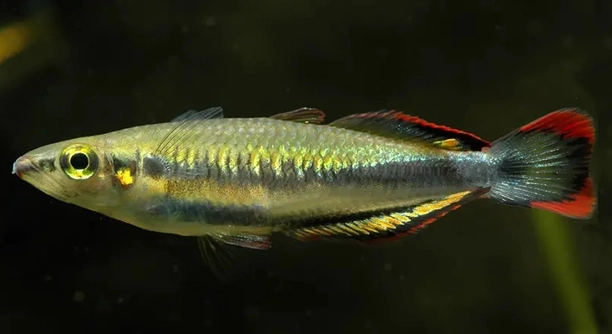
Are your rainbowfish swimming anxiously or hiding more than usual in the tank? Many fish owners notice these restless behaviors and feel unsure how to help their colorful pets settle into a calm, healthy routine at home.
Restless rainbowfish often result from environmental stress, improper water conditions, or lack of stimulation. Correcting water parameters, maintaining proper tank size, providing hiding spots, and offering a balanced diet are essential steps to ensure their comfort and overall well-being.
Addressing these simple adjustments can create a calmer, healthier environment for your rainbowfish to thrive and display their natural, vibrant behaviors.
Check the Water Temperature
Rainbowfish are sensitive to temperature changes, and sudden fluctuations can make them restless. Keep the water consistently between 74°F and 78°F. Avoid placing the tank near windows or heating vents, as this can cause spikes in temperature. Use a reliable heater and thermometer to monitor conditions daily. Small changes in temperature stress the fish, causing erratic swimming, hiding, or aggression. A stable environment helps them feel secure and encourages normal behavior. Regularly test the water for sudden shifts, especially after water changes or adding new equipment.
Maintaining consistent temperature prevents stress-induced illnesses and keeps your rainbowfish active and healthy, reducing the chances of constant swimming or hiding behaviors.
Proper temperature control also supports metabolism, feeding patterns, and immune function. Rainbowfish adapt better to gradual changes, so if adjustments are needed, change the temperature slowly over several hours. Combining a stable temperature with other environmental checks, such as pH and water hardness, creates a balanced habitat. Regular observation ensures any restless behavior is noticed early, allowing immediate adjustments. A calm tank encourages social interactions and colorful displays, which are key indicators of healthy, happy rainbowfish in your aquarium.
Maintain Proper Water Quality
Regular water changes and filtration are essential for rainbowfish. Dirty or polluted water leads to stress and restlessness, even if other tank conditions are correct.
Consistently test for ammonia, nitrites, and nitrates to prevent buildup. Removing waste and debris reduces stress and improves overall fish health.
Rainbowfish thrive in clean water with stable chemical levels. Filtration should match tank size and fish population to ensure circulation and oxygenation. Partial water changes of 20–30% weekly keep water fresh and help remove toxins. Using dechlorinated water prevents chemical shocks, and maintaining a pH between 6.5 and 7.5 supports their natural comfort. Overfeeding can quickly foul water, so feed small amounts that are consumed within minutes. Proper cleaning of decorations and substrate also reduces harmful bacteria. By keeping water quality high, your rainbowfish remain active, colorful, and social, reducing erratic swimming or hiding. A well-maintained tank ensures long-term health and a peaceful environment for all aquatic life.
Provide Adequate Hiding Spots
Hiding spots reduce stress and make rainbowfish feel secure. Plants, rocks, and decorations give them places to rest and avoid aggressive tankmates.
Rainbowfish are naturally active but need areas to retreat when feeling threatened. Live or artificial plants, caves, and driftwood create a sense of safety. Without these, they may dart around nervously or stay near the surface. Arrange decorations to allow swimming space while offering multiple hiding areas. Observing your fish using these spots indicates they feel comfortable. Rotating or changing decorations occasionally keeps the environment stimulating, preventing boredom while maintaining security.
Spacing is key when placing hiding spots. Crowding the tank can cause more stress than relief, limiting swimming areas and triggering territorial behavior. Ensure that each fish has access to at least one safe retreat. Combining visual barriers with open swimming areas encourages natural behavior, helping rainbowfish explore while feeling protected. Adding floating plants can also reduce light intensity, providing a gentle environment. These adjustments support calmer interactions and improve overall tank harmony.
Balance the Diet
Rainbowfish need a varied diet to stay healthy and active. High-quality flakes or pellets alone may not be enough.
Include live or frozen foods like brine shrimp, daphnia, or bloodworms to supply essential nutrients. Vegetables such as spinach or peas can supplement their diet, providing fiber and vitamins. Feeding small amounts two to three times daily prevents overfeeding and water contamination. Monitor how much they eat to ensure portions are appropriate for all fish. A balanced diet encourages vibrant colors, normal swimming patterns, and social behaviors.
Nutrition directly impacts energy and stress levels. Fish lacking proper nutrients may become restless or aggressive, while well-fed rainbowfish are calmer and more predictable in their movements. Rotate food types to maintain interest and health, ensuring all dietary needs are met. Using quality, species-appropriate foods supports immune function and growth, preventing deficiencies. Pay attention to signs of hunger or refusal to eat, as these can indicate water quality or health issues. Combining balanced nutrition with environmental care creates a stable, thriving habitat for rainbowfish.
Avoid Overcrowding
Too many fish in a tank creates stress and restlessness. Ensure your rainbowfish have enough space to swim comfortably.
Overcrowding increases competition for food and territory. It can lead to aggressive behavior and constant movement, making it hard for fish to feel secure.
Keep a Consistent Light Schedule
Rainbowfish respond well to predictable light cycles. Use a timer to maintain 10–12 hours of light daily. Sudden changes can disrupt their natural rhythms, causing agitation.
Monitor Tank Mates
Aggressive or incompatible tank mates can trigger stress in rainbowfish. Observe interactions closely and separate fish if necessary to prevent bullying and maintain peace.
Regular Observation
Watch your rainbowfish daily for unusual behavior. Early detection of restlessness or health changes allows prompt adjustments to care and environment.
Why is my rainbowfish swimming erratically?
Erratic swimming is usually a sign of stress or poor water conditions. Check the water temperature, pH, and ammonia levels first. Sudden changes or extreme values can make rainbowfish restless. In some cases, illness or parasites may also cause unusual swimming patterns, so observe for other signs like spots, clamped fins, or lethargy.
How often should I change the water?
Partial water changes of 20–30% once a week help maintain clean, healthy water. This reduces toxins, ammonia, and nitrites that can stress rainbowfish. More frequent changes may be needed in crowded tanks or if feeding is excessive. Use dechlorinated water and match the temperature to avoid shocking the fish.
What tank size is best for rainbowfish?
A minimum of 30 gallons is recommended for small groups of rainbowfish. Larger tanks provide more swimming space and reduce stress from territorial behavior. Overcrowding can increase restlessness and aggression, so maintain appropriate stocking levels. A longer tank is preferred over a taller one, as rainbowfish swim horizontally.
What should I feed rainbowfish?
Rainbowfish need a varied diet for optimal health. High-quality flakes or pellets are a staple, supplemented with live or frozen foods like brine shrimp, daphnia, or bloodworms. Small amounts two to three times a day prevent overfeeding and water quality issues. Occasionally include vegetables like peas or spinach for fiber and vitamins.
Why do my rainbowfish hide all the time?
Excessive hiding often indicates stress or poor tank conditions. Check for aggressive tank mates, inadequate hiding spots, or sudden environmental changes. Providing plants, caves, and decorations creates a secure environment. Proper water quality, stable temperature, and a balanced diet also encourage fish to explore rather than remain hidden.
Can rainbowfish live with other species?
Rainbowfish are generally peaceful but may become stressed with aggressive or overly large tank mates. Suitable companions include other peaceful community fish of similar size. Avoid fin-nipping species or fish that compete heavily for food. Observe interactions carefully and separate fish if bullying occurs.
How do I know if my rainbowfish is sick?
Signs of illness include clamped fins, loss of color, erratic swimming, gasping at the surface, or visible spots and lesions. Early detection is key. Test water parameters, isolate affected fish if needed, and consult care guides or a veterinarian to treat diseases promptly.
How can I reduce stress in rainbowfish?
Maintaining stable water conditions, proper tank size, hiding spots, and a consistent light schedule reduces stress. Avoid sudden changes, overcrowding, and aggressive tank mates. Feeding a balanced diet and observing daily behavior also helps prevent restlessness and promotes natural activity.
What decorations are best for rainbowfish?
Plants, rocks, driftwood, and caves provide both hiding places and open swimming areas. Floating plants reduce light intensity and create a calm environment. Avoid sharp edges or overcrowding decorations, as this can limit swimming space and increase territorial disputes. Rotating decorations occasionally keeps the environment stimulating.
How can I encourage natural behavior?
Provide open swimming areas combined with hiding spots, maintain clean water, and offer a varied diet. Consistent lighting and compatible tank mates support social interaction. Observing and adjusting environmental conditions based on their behavior ensures rainbowfish remain active, colorful, and calm in the tank.
Keeping rainbowfish healthy and calm requires attention to several key aspects of their care. Maintaining stable water conditions is one of the most important steps. Rainbowfish are sensitive to fluctuations in temperature, pH, and water quality, so regular testing and monitoring are essential. Using a reliable heater, thermometer, and filtration system helps create a consistent environment. Partial water changes of 20–30% each week remove toxins and maintain clean water, which reduces stress and encourages natural behavior. Overcrowding and incompatible tank mates can also make rainbowfish restless, so it is important to provide adequate space and choose peaceful companions. Paying attention to these details ensures a more comfortable and predictable habitat for your fish.
Providing a balanced diet is another important factor. Rainbowfish need a mix of high-quality flakes or pellets along with live or frozen foods like brine shrimp, daphnia, or bloodworms. Adding vegetables such as peas or spinach provides additional nutrients and fiber. Feeding smaller amounts multiple times per day prevents overfeeding and water contamination. A varied diet supports their metabolism, growth, and overall health, which in turn helps reduce restlessness. Observing how your rainbowfish respond to different foods can also provide insight into their preferences and help you adjust portions as needed. Proper nutrition is closely connected to behavior, energy levels, and coloration, making it a crucial part of daily care.
Creating a suitable physical environment is equally important. Rainbowfish feel more secure when they have hiding spots such as plants, rocks, or caves, while still having open areas for swimming. A well-organized tank reduces stress, encourages natural activity, and allows them to interact socially without feeling threatened. Consistent lighting schedules, stable water conditions, and a safe, stimulating habitat all work together to support calm and healthy behavior. Daily observation allows you to detect early signs of stress or illness, ensuring that any issues can be addressed quickly. Focusing on these areas creates a tank where rainbowfish can thrive, display vibrant colors, and move freely without unnecessary restlessness.

Hello,
If you enjoy the content that we create, please consider saying a "Thank You!" by leaving a tip.
Every little bit helps us continue crafting quality advice that supports the health, happiness, and well-being of pets around the world, for pets of all shapes, sizes, and species.
We really appreciate the kindness and support that you show us!