
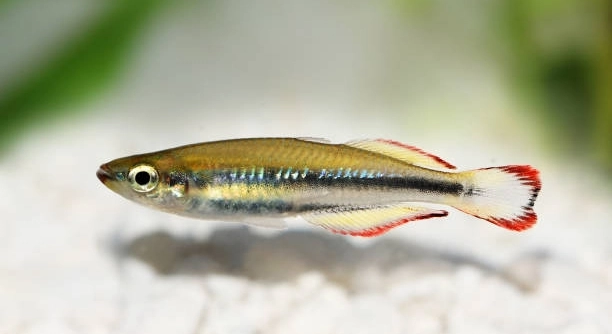
Do you ever notice how rainbowfish seem to gather around plants in aquariums? Their preference for dense vegetation is more than aesthetic. Observing their behavior reveals patterns that can help improve tank design and fish well-being.
Rainbowfish prefer dense vegetation because it provides shelter, breeding sites, and a natural environment that reduces stress. Vegetation also supports microfauna, offering a reliable food source, and enhances water quality, which contributes to their overall health and activity levels.
Providing a planted environment allows rainbowfish to thrive naturally, promoting both their physical and behavioral health in captivity. Proper understanding of these needs can enhance aquarium success.
Shelter from Predators
Dense vegetation acts as a natural shield for rainbowfish, providing them with a safe space to hide from potential threats. In both natural habitats and aquariums, small fish are vulnerable to larger fish and sudden disturbances. Plants offer nooks and crannies where rainbowfish can feel secure, reducing their stress levels significantly. The presence of cover allows them to explore their environment confidently without constantly feeling threatened. When fish are less stressed, they display more vibrant colors and active behaviors, which benefits both their health and the overall aesthetics of the tank. Additionally, dense plant coverage can break lines of sight, making it harder for aggressive tank mates to chase or harass them. This protective environment supports a natural balance, allowing rainbowfish to exhibit instincts like darting through leaves and schooling safely. Providing ample shelter with live or artificial plants mimics their native environment, contributing to a healthier, calmer, and more dynamic aquarium ecosystem.
Safety and reduced stress are the main benefits of dense vegetation for rainbowfish, ensuring they thrive in confined spaces.
Having adequate shelter is essential for breeding as well. Rainbowfish often spawn among plants, where eggs can remain hidden from predators. Vegetation also allows juveniles to develop safely, giving them room to grow without constant threat. By incorporating a variety of plant types and densities, aquarists can create zones for hiding, feeding, and resting. This naturalistic setup encourages active swimming and interaction while minimizing aggression. Over time, a well-planted tank supports strong, vibrant populations that display natural behaviors, from darting through leaves to schooling in coordinated patterns. Plants also contribute to oxygenation and water filtration, indirectly supporting the health of rainbowfish. Careful selection of fast-growing and hardy plants ensures long-term shelter without excessive maintenance. A balanced layout that combines tall, dense plants with open swimming areas provides both security and stimulation. By observing fish preferences, aquarists can refine the planting scheme to meet species-specific needs, enhancing survival, reproduction, and overall vitality in captivity.
Breeding and Spawning
Dense vegetation provides ideal spots for rainbowfish to lay eggs, protecting them from predators and environmental disturbances. The plants create small pockets where eggs can safely attach, increasing survival rates and supporting natural reproductive behaviors within the tank.
Having a well-planted aquarium encourages rainbowfish to spawn more frequently. Eggs are often deposited on fine leaves or among dense stems, where they remain hidden and less likely to be eaten. This natural setting reduces stress for breeding pairs and helps maintain stable social hierarchies. Juveniles also benefit, as the vegetation offers shelter during early development, allowing them to grow safely without interference from older fish. By creating these conditions, aquarists can observe natural reproductive behaviors and support healthy population growth. Dense plants act as a buffer against sudden movements or disturbances, giving breeding fish a secure environment. Over time, this setup promotes consistent breeding success, reduces aggression, and supports overall tank harmony while keeping the ecosystem balanced and visually appealing.
Plants also influence mating behavior by providing visual barriers that encourage courtship displays and territorial interactions. Rainbowfish show more active and confident behaviors when they have access to well-structured vegetation. This encourages natural pair formation and increases the likelihood of successful egg fertilization. Additionally, different plant types can create microhabitats, allowing fish to select preferred areas for spawning. Structured vegetation supports diverse activity patterns, from hiding to chasing, mimicking their natural environment. Observing these behaviors can help aquarists adjust plant density and placement to optimize breeding conditions. Over time, the tank becomes a dynamic space where rainbowfish can exhibit natural reproductive strategies, ensuring healthy offspring and maintaining the vitality of the aquarium population.
Food and Foraging
Dense vegetation supports microfauna growth, providing a reliable natural food source for rainbowfish. Tiny organisms thrive among plants, offering essential nutrients that complement their regular diet and enhance overall health and activity.
Planted areas promote foraging behavior, allowing rainbowfish to explore and feed naturally. Microorganisms, small invertebrates, and algae grow on plant surfaces, creating opportunities for rainbowfish to graze throughout the day. This continuous access to live food supports their dietary needs, encourages active swimming, and reduces boredom. In turn, fish maintain better body condition and vibrant coloration, reflecting their improved nutrition. By cultivating plants that foster microfauna, aquarists can supplement regular feeding while keeping the tank ecologically balanced. Observing fish interact with these natural food sources helps refine plant selection and placement, ensuring optimal foraging conditions. The presence of abundant feeding opportunities also reduces competition and stress, contributing to a more harmonious environment where rainbowfish thrive naturally.
Stress Reduction
Dense vegetation lowers stress by giving rainbowfish safe spaces to hide and rest. Plants break sight lines, reduce aggressive interactions, and allow fish to feel secure, creating a calmer and more balanced tank environment.
Having access to cover encourages natural behaviors while minimizing fear responses. Rainbowfish are more confident and active in well-planted areas, which improves their overall health and appearance.
Territory and Social Structure
Plants help rainbowfish establish territories, reducing conflict and supporting social hierarchy. Different plant zones allow individuals to claim spaces, interact naturally, and maintain structured groups without constant aggression or stress.
Water Quality Support
Vegetation contributes to better water quality by absorbing nitrates and producing oxygen. Healthy plants stabilize the tank environment, supporting rainbowfish well-being and reducing maintenance needs.
What types of plants are best for rainbowfish?
Rainbowfish thrive in a mix of tall background plants, mid-height stem plants, and low ground cover. Species like Java fern, Vallisneria, and Anubias are hardy and provide dense coverage. Fast-growing stem plants create hiding spots, while carpet plants offer areas for juveniles to explore safely.
How much vegetation is enough in a tank?
A well-planted tank should have at least 50-60% coverage to give rainbowfish ample hiding spaces and foraging areas. Too few plants increase stress and aggression, while overcrowding can limit swimming space. Balancing plant density ensures fish feel secure without restricting natural movement.
Can artificial plants work for rainbowfish?
Yes, high-quality artificial plants can provide shelter and visual cover, but they do not support microfauna growth or oxygen production. Combining artificial plants with live species can offer both structural protection and nutritional benefits. Smooth materials are preferable to prevent fin damage.
Do rainbowfish eat plants?
Rainbowfish are primarily omnivorous and may nibble on soft leaves occasionally, but most hardy plants are safe. If plants are eaten, choosing fast-growing or resilient species minimizes damage. Supplementing their diet with live or frozen foods reduces the likelihood of plant consumption.
How does vegetation affect breeding success?
Dense plants improve breeding by offering secure egg-laying sites and shelter for fry. Rainbowfish often deposit eggs on fine-leaved plants or stems, which protects them from predation. Providing multiple plant types encourages natural spawning behaviors and increases survival rates of offspring.
Can overcrowded plants stress rainbowfish?
Yes, excessive vegetation can limit swimming areas and reduce water flow, causing stress and territorial disputes. Maintaining open swimming zones alongside dense planting allows rainbowfish to exhibit natural movement and reduces aggression while still benefiting from shelter.
How often should I trim aquarium plants?
Regular trimming is essential to maintain balance. Fast-growing plants should be pruned weekly, while slow growers may need monthly attention. Trimming prevents overcrowding, allows light to reach all areas, and supports healthy plant growth, indirectly benefiting fish behavior and health.
Do plants help with water quality?
Absolutely. Live plants absorb nitrates, phosphates, and other waste compounds, improving water clarity and chemistry. Oxygen production during photosynthesis benefits fish respiration. A planted tank typically requires less frequent water changes, though regular monitoring is still important.
Are there plants to avoid with rainbowfish?
Avoid fragile, delicate plants that are easily damaged by swimming or nibbling. Plants with sharp edges can injure fins. Highly slow-growing species that cannot tolerate moderate light or water conditions may also struggle and fail to provide adequate shelter or cover.
How can I encourage rainbowfish to use plants?
Place plants strategically to create shaded areas, hiding spots, and corridors. Introduce new plants gradually and observe where fish feel most comfortable. Supplementing with food near planted zones can help fish associate vegetation with safety and foraging opportunities.
Can plants reduce aggression among rainbowfish?
Yes. Vegetation breaks sight lines and creates multiple territories, reducing stress and conflicts. Rainbowfish can establish their own spaces without constant chasing or intimidation. A mix of dense and open areas promotes natural social behaviors while minimizing aggressive interactions.
Do different rainbowfish species have different plant preferences?
Yes. Some species prefer taller, denser plants, while others favor mid-height or open spaces with scattered cover. Observing species-specific behaviors helps determine the best planting strategy, ensuring comfort, breeding success, and active swimming.
How do plants affect juvenile rainbowfish?
Dense vegetation provides essential shelter for juveniles, protecting them from older fish and predators. It also supports microfauna, giving young rainbowfish access to live food sources. Safe hiding spots encourage natural growth, reduce mortality, and promote confident exploration as they mature.
Can plants help rainbowfish feel secure in small tanks?
Even in smaller tanks, strategically placed plants offer visual barriers and hiding spaces. This helps reduce stress, aggression, and fear responses. Selecting compact, slow-growing species ensures adequate coverage without overcrowding, allowing rainbowfish to maintain natural behaviors and thrive in limited space.
How does lighting affect planted tanks for rainbowfish?
Moderate lighting supports plant growth without stressing rainbowfish. Too intense light can encourage algae, while too little slows plant development. Choosing plants that match the tank’s lighting ensures dense, healthy vegetation that benefits fish health, shelter, and foraging opportunities.
What is the role of substrate in planted tanks?
A nutrient-rich substrate supports plant growth and stability. Rooted plants establish themselves securely, creating natural hiding spots and surfaces for microfauna. This enhances both vegetation health and the overall environment, allowing rainbowfish to thrive in a stable, well-structured tank.
Do floating plants benefit rainbowfish?
Yes. Floating plants provide shade, reduce light intensity, and create additional cover. They can also support microfauna populations and help maintain water quality by absorbing excess nutrients. Floating plants add vertical dimension, allowing rainbowfish to feel secure at different levels of the tank.
How do plants influence rainbowfish coloration?
A well-planted environment reduces stress, which directly affects coloration. Rainbowfish display brighter, more vibrant colors when they feel secure and comfortable. Healthy plants also support natural behaviors, including feeding and breeding, which further enhances overall appearance and vitality.
Can plants prevent territorial fights?
Yes. Multiple dense planting areas create separate zones for rainbowfish to establish territories. This reduces direct confrontations, allows for natural hierarchy formation, and maintains peace in community setups. Proper plant placement is key to balancing space and social interactions.
How do I start a planted tank for rainbowfish?
Begin with hardy, easy-to-grow plants in varied heights and densities. Add substrate and arrange plants to create zones for hiding, swimming, and feeding. Introduce rainbowfish gradually, observing how they interact with the vegetation, and adjust placement as needed for optimal comfort and activity.
Do plants need fertilization for rainbowfish tanks?
Yes, live plants benefit from occasional fertilization, either through liquid fertilizers or nutrient-rich substrate. Proper fertilization supports growth, maintains dense coverage, and ensures plants continue to provide shelter, foraging surfaces, and environmental stability for rainbowfish.
How do plants impact overall tank aesthetics?
Healthy vegetation enhances the visual appeal by creating a natural, vibrant environment. Dense plants provide depth, movement, and color contrast, making rainbowfish appear more vivid. A well-planted tank also mimics natural habitats, offering both functional and aesthetic benefits that improve fish health and display.
Can plants survive with active rainbowfish?
Yes, but selecting sturdy species is important. Rainbowfish are active swimmers, so plants should tolerate movement and occasional nibbling. Fast-growing, resilient plants adapt well, maintaining structure and density while providing ongoing shelter, hiding spots, and foraging areas for the fish.
How do I maintain plant health long-term?
Regular pruning, monitoring light levels, fertilization, and cleaning prevent overgrowth and decay. Healthy plants continue providing cover, oxygen, and microfauna support, ensuring rainbowfish remain active, healthy, and comfortable in a stable, natural-feeling environment.
Do plants help reduce algae growth?
Yes. Dense, healthy plants compete with algae for nutrients and light. Maintaining strong vegetation reduces algae proliferation, supports water quality, and keeps the tank visually clean, benefiting both rainbowfish and the overall aquarium ecosystem.
Can plants survive in community tanks with rainbowfish?
Yes, if robust species are chosen and planting density is balanced. Plants provide shelter for all tank inhabitants, support natural behaviors, and help maintain ecological stability, even when rainbowfish are housed with other peaceful or mid-level community species.
Are certain plant shapes better for hiding spots?
Yes. Tall, narrow plants create vertical cover, while bushy mid-height plants offer dense horizontal protection. Low carpeting plants provide security for juveniles. Combining shapes ensures all fish find suitable hiding spots and promotes natural exploration throughout the tank.
What should I do if plants start dying?
Remove decaying parts promptly, adjust light and nutrients, and replace plants if needed. Healthy vegetation is essential for shelter, feeding, and stress reduction, so timely intervention prevents negative effects on rainbowfish behavior and tank stability.
Do plants help rainbowfish feel safe in open water?
Yes. Strategically placed plants create refuge points and visual breaks, allowing fish to explore open areas without fear. This encourages swimming, foraging, and social behaviors while maintaining a sense of security.
Can live plants survive in a small, crowded tank?
Yes, if carefully chosen and maintained. Compact, slow-growing species thrive, providing coverage without overcrowding. Proper trimming, lighting, and substrate management support healthy growth, ensuring rainbowfish benefit from shelter, breeding areas, and foraging opportunities in limited space.
Do plants affect water circulation?
Dense plants can slow water movement locally, creating calm zones for rainbowfish. Proper filtration and layout ensure circulation is balanced, supporting both plant health and fish activity while minimizing stagnant areas.
Are there seasonal changes to consider for planted tanks?
In indoor aquariums, seasonal lighting variations may affect plant growth. Adjusting light duration and intensity ensures consistent vegetation density and health, maintaining shelter, foraging, and breeding spaces for rainbowfish year-round.
How do I clean a planted tank without harming plants?
Use gentle siphoning around roots and avoid uprooting plants. Trim dead leaves carefully and clean substrate lightly. Maintaining plants while cleaning supports water quality, microfauna populations, and protective cover for rainbowfish.
Do plants help reduce noise in fish behavior?
Yes, vegetation provides visual and spatial separation, which reduces chasing and stress-related movements. Rainbowfish feel more secure, leading to calmer interactions and less frantic swimming.
Can I mix different plant species for rainbowfish?
Mixing tall, mid-height, and low-growing species creates diverse cover, hiding spots, and feeding areas. This variety encourages natural behavior, territorial spacing, and comfort, enhancing the overall health and vibrancy of the fish population.
Do plants influence feeding patterns?
Yes. Vegetation encourages natural foraging behavior, allowing rainbowfish to graze on microfauna and algae. This supplements regular feeding, stimulates activity, and keeps fish engaged throughout the day, promoting better nutrition and vitality.
Can plants survive with varying water parameters?
Most hardy species tolerate a range of pH, temperature, and hardness suitable for rainbowfish. Selecting resilient plants ensures dense coverage, long-term growth, and continued support for shelter, breeding, and natural behaviors.
Do plants help juvenile rainbowfish survive in community tanks?
Yes. Dense plants offer safe hiding spaces, reducing predation and aggression from older or larger fish. This supports growth, confidence, and healthy development of juveniles in mixed-species aquariums.
Are there plants that bloom underwater?
Some aquatic plants produce flowers above the surface, which can be decorative but may require additional care. Flowering plants do not impact shelter function and can coexist with rainbowfish if maintenance needs are met.
Do plants reduce stress when introducing new rainbowfish?
Yes. Newly added fish use vegetation for hiding and acclimation. Plants create refuge points, minimize territorial disputes, and allow new arrivals to explore the tank safely, reducing stress during adjustment periods.
How often should I monitor plant health?
Weekly observation is ideal. Check for growth, decay, and nutrient deficiencies. Healthy vegetation ensures rainbowfish have consistent shelter, feeding opportunities, and stress reduction, maintaining a thriving tank ecosystem.
Can plants survive in low-light tanks for rainbowfish?
Yes, selecting low-light species like Anubias or Java fern ensures dense coverage even with limited lighting. These plants provide ongoing shelter, breeding areas, and microfauna support without excessive light requirements.
Do plants encourage schooling behavior?
Yes. Vegetation provides reference points and safe zones, encouraging rainbowfish to swim together and interact naturally. This promotes social cohesion, reduces stress, and enhances tank dynamics.
Can plants survive without CO2 supplementation?
Many hardy species grow well without added CO2, maintaining density and health. This supports shelter, foraging, and breeding areas while keeping maintenance simple for aquarists.
Do plants affect fish coloration long-term?
Yes. Reduced stress, increased shelter, and natural foraging improve health and vibrancy. Rainbowfish in well-planted tanks consistently display brighter, more vivid coloration over time.
Can I add new plants without disrupting rainbowfish?
Yes, introducing plants carefully and gradually prevents stress. Place them in preferred hiding or foraging zones to integrate smoothly, maintaining security and normal behavior patterns.
How do plants interact with tank decorations?
Plants complement decorations by providing additional cover, creating natural territories, and enhancing visual appeal. Proper placement ensures shelter, breeding areas, and open swimming space coexist harmoniously.
Are some plants toxic to rainbowfish?
Most common aquatic plants are safe. Avoid species known to release harmful compounds or those treated with chemicals. Choosing verified safe plants ensures shelter, foraging, and breeding opportunities without risk to fish health.
How long do plants take to establish in a rainbowfish tank?
Most plants take several weeks to root and grow dense coverage. During this period, temporary hiding structures may be needed until vegetation is fully established to support fish behavior and comfort.
Can plants improve overall tank balance?
Yes. Plants stabilize water chemistry, provide oxygen, shelter, and microfauna, supporting rainbowfish health and activity. A balanced planted tank promotes natural behaviors, breeding success, and long-term aquarium stability.
Do plants help rainbowfish feel comfortable with tank mates?
Yes. Vegetation provides visual barriers and individual spaces, reducing stress and territorial disputes among different species. This ensures peaceful cohabitation and supports natural interactions.
Are floating plants easier to maintain than rooted plants?
Floating plants require less substrate care but still need light and nutrient management. They offer cover and shade, complementing rooted plants and enhancing shelter for rainbowfish without intensive maintenance.
Do plants require special lighting schedules?
Most require 8-10 hours of light daily to maintain growth and density. Proper lighting supports shelter, foraging surfaces, and breeding areas while preventing algae overgrowth.
Can plants help prevent disease in rainbowfish?
Healthy plants improve water quality and reduce stress, indirectly lowering disease susceptibility. Dense vegetation creates a stable environment that supports immune function and overall vitality.
How do plants influence water temperature stability?
Dense plants buffer temperature fluctuations by reducing surface exposure and providing shaded areas. This creates a more stable environment, reducing stress and maintaining comfort for rainbowfish.
Are there plants that grow well with minimal care?
Yes. Species like Java fern, Anubias, and Hornwort require little maintenance, grow reliably, and provide dense coverage for hiding, foraging, and breeding purposes, supporting rainbowfish health and comfort.
Do plants affect oxygen levels at night?
While plants consume oxygen at night, adequate aeration and moderate density ensure rainbowfish remain comfortable. Healthy plants maintain a balanced ecosystem that supports respiration and reduces stress.
Can plants survive with fluctuating water conditions?
Hardy species tolerate a range of pH, hardness, and temperature. Maintaining dense coverage ensures rainbowfish have ongoing shelter, feeding areas, and breeding zones despite minor environmental changes.
How do plants influence rainbowfish behavior during feeding?
Vegetation encourages natural foraging and exploration, allowing fish to graze on microfauna and search for food. This stimulates activity, reduces stress, and supports healthier dietary patterns.
Do plants help rainbowfish feel secure at night?
Yes. Dense plants provide safe resting areas and reduce exposure to perceived threats. Fish use vegetation to hide and feel protected, maintaining calm nocturnal behavior.
Can I propagate plants in a rainbowfish tank?
Yes. Many species, especially stem plants, can be trimmed and replanted to grow new individuals. Propagation maintains density and shelter while supporting natural behaviors and foraging opportunities.
How do plants support juvenile survival long-term?
Dense vegetation offers continuous hiding spaces and microfauna for feeding. As juveniles grow, plants allow safe exploration, reducing mortality, supporting social behaviors, and ensuring healthy development into adulthood.
Are all aquarium plants compatible with rainbowfish?
Most hardy species are compatible, but fragile or toxic plants should be avoided. Choosing resilient, safe species ensures dense coverage, foraging opportunities, and shelter for rainbowfish without risk of damage or harm.
Do plants affect water clarity?
Yes. Healthy plants absorb excess nutrients, reducing algae growth and improving water clarity. This creates a cleaner, more stable environment that benefits both rainbowfish and tank aesthetics.
Can plants survive if fish uproot them?
Some species tolerate mild disturbance, but frequent uprooting can stress plants. Using heavier substrates, anchoring roots, or choosing resilient species ensures long-term coverage and shelter for rainbowfish.
How do plants influence rainbowfish social interaction?
Vegetation provides boundaries and reference points, allowing fish to establish territories and interact naturally. Dense planting reduces aggression, encourages schooling, and supports overall social structure.
Do plants help rainbowfish adapt to new tanks?
Yes. Vegetation offers shelter, hiding spots, and visual breaks, easing stress and allowing fish to acclimate gradually. Proper plant placement supports natural exploration and adjustment.
How do I know if plants are thriving in a rainbowfish tank?
Healthy growth, vibrant color, and dense coverage indicate thriving plants. Observing these signs ensures fish continue to benefit from shelter, foraging areas, and breeding spaces.
Can plants survive with high fish activity?
Yes, if sturdy species are chosen and planted strategically. Fast-growing and resilient plants maintain structure, density, and coverage despite active swimming and minor nibbling by rainbowfish.
Do plants influence water pH?
Live plants can slightly stabilize pH by absorbing nutrients, but major shifts depend on other factors. Dense vegetation supports overall water quality, indirectly benefiting rainbowfish health.
Are there plants that require minimal trimming?
Yes. Slow-growing species like Anubias and Java fern need occasional pruning, maintaining coverage with minimal effort while providing continuous shelter and hiding spots for rainbowfish.
Can plants help rainbowfish feel comfortable with tank changes?
Yes. Vegetation provides consistent hiding spaces, reducing stress from rearrangements or new additions. Fish feel secure even when the environment is altered.
Do plants affect microfauna diversity?
Yes. Dense vegetation supports populations of small invertebrates and microorganisms, offering natural food sources for rainbowfish and promoting ecological balance within the tank.
Can plants survive without substrate fertilization?
Many hardy species grow well in nutrient-poor substrates, but fertilization supports denser growth and healthier coverage, enhancing shelter, foraging, and breeding opportunities for rainbowfish.
How do plants impact rainbowfish exercise?
Vegetation encourages swimming through and around structures, promoting natural movement, activity, and coordination. This supports physical health, reduces boredom, and allows fish to exhibit instinctive behaviors.
Do plants help reduce aggression toward new fish?
Yes. Dense cover allows newcomers to hide and gradually integrate. Plants break sight lines, reduce stress, and minimize territorial disputes, supporting a calmer social environment.
Can plants survive partial lighting conditions?
Dense vegetation plays a crucial role in keeping rainbowfish healthy and comfortable. Plants provide shelter, hiding spots, and areas for foraging, which reduces stress and encourages natural behaviors. In a well-planted tank, rainbowfish are calmer, swim confidently, and display brighter colors. The presence of vegetation also supports breeding by offering secure spaces for egg-laying and protection for fry. By observing how rainbowfish interact with plants, aquarists can adjust plant placement and density to meet their needs, creating an environment that supports both their physical and behavioral health. A combination of tall, mid-height, and low plants ensures there is space for hiding, resting, and exploring, allowing each fish to find areas that suit its preferences. This balance helps maintain harmony in the tank, reducing aggressive encounters and promoting a natural social structure.
Plants also contribute to overall water quality and ecosystem stability. Live vegetation absorbs nitrates and other waste products, improving water chemistry and reducing maintenance demands. They produce oxygen during the day, supporting fish respiration, and create microhabitats for tiny organisms that can serve as natural food sources. Dense planting helps reduce algae growth by competing for nutrients and light, keeping the tank visually clean and healthier for rainbowfish. The roots of planted species anchor substrate and prevent erosion, while the leaves and stems provide surfaces for microorganisms that contribute to a balanced aquatic ecosystem. Even in tanks with artificial plants, providing structure and cover helps fish feel secure, though live plants offer additional benefits that support nutrition and environmental stability. Proper selection, placement, and maintenance of plants ensure long-term success, allowing rainbowfish to thrive in conditions that closely mimic their natural habitat.
Maintaining a planted aquarium requires attention but pays off with a more vibrant and active fish population. Regular trimming, monitoring of water parameters, and periodic fertilization help plants remain healthy and dense, which directly benefits rainbowfish well-being. Observing fish behavior can guide adjustments to planting arrangements, ensuring each individual has sufficient shelter, foraging areas, and territory. Even small changes, such as adding floating plants or rearranging stems, can improve security and encourage natural behaviors. By prioritizing dense vegetation, aquarists create a sustainable and enriching environment where rainbowfish can grow, breed, and display their natural beauty. Understanding the relationship between plants and fish health allows for a more intentional approach to aquarium design, making the tank a functional and visually appealing space. Over time, the benefits of planting become clear, supporting longevity, vitality, and a harmonious aquatic community that reflects the needs and instincts of rainbowfish.

Hello,
If you enjoy the content that we create, please consider saying a "Thank You!" by leaving a tip.
Every little bit helps us continue crafting quality advice that supports the health, happiness, and well-being of pets around the world, for pets of all shapes, sizes, and species.
We really appreciate the kindness and support that you show us!