7 Tips for Peaceful Pleco Community Tanks
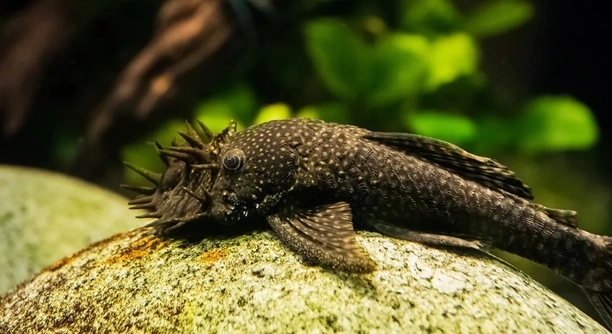
Are your plecos showing signs of stress in a shared tank, making you wonder how to maintain a peaceful community environment? Many aquarists face challenges when keeping multiple plecos together in one tank. Maintaining a harmonious pleco community requires attention to tank size, proper hiding spaces, compatible species selection, consistent water parameters, and controlled feeding … Read more
7 Reasons Plecos Leave Their Caves

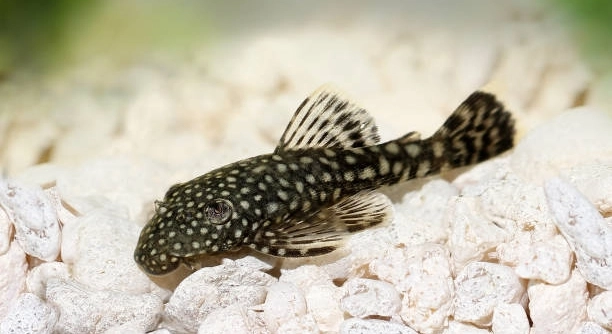
Have you ever noticed your pleco leaving its cave more often than usual, wandering around the tank when it usually stays hidden? Plecos leave their caves primarily due to changes in environmental conditions, breeding behavior, or stress. Factors such as poor water quality, lack of oxygen, overcrowding, and inadequate hiding spots can disrupt their natural … Read more

Why Plecos Hover Over Filter Output

Do you ever notice your plecos hovering near the filter output, seemingly without purpose? Many aquarists see this behavior daily and wonder why their fish are so drawn to that specific spot in the tank. Plecos hover over filter output primarily to access higher oxygen levels and water movement. This behavior supports their respiration and … Read more

How to Know If Your Pleco Is Fully Grown

Have you ever watched your pleco grow and wondered when it will reach its full size? These fascinating fish change subtly over time, and noticing the signs of maturity can be surprisingly rewarding for any aquarium owner. A pleco is generally considered fully grown when it reaches its species-specific maximum length, shows fully developed fins, … Read more

Should You Use Sand or Gravel for Plecos?

Have you ever found yourself setting up a new aquarium for your plecos and wondering which substrate would suit them best? Choosing the right base material plays a big role in their comfort and overall tank health. Sand is generally a better option for plecos because it allows them to sift and forage naturally without … Read more

7 Hiding Spots Plecos Seem to Love Most

Have you ever noticed your pleco spending hours tucked away in one corner of the tank? These peaceful fish have a strong preference for hiding spots, which provide them safety and comfort. Observing their choices can be fascinating. Plecos most commonly favor hiding places that mimic natural structures, including caves, driftwood, dense plants, and overhangs. … Read more

7 Pleco Tank Decorations That Cause Stress

Do your plecos seem restless or hide more than usual in their tank? Sometimes, the decorations you choose can unintentionally create stress for these sensitive fish. Understanding their environment is key to keeping them healthy and calm. Certain tank decorations, such as sharp-edged ornaments, overcrowded spaces, or unnatural substrates, can cause stress in plecos. Stress … Read more

7 Foods That Plecos Should Never Eat

Do you ever find yourself feeding your pleco and wondering if all the foods in your tank are safe for it? Plecos have specific dietary needs that must be carefully considered to maintain their health and wellbeing. Plecos should avoid foods high in starch, citrus fruits, processed human foods, and certain vegetables that are difficult … Read more

How to Know If Plecos Are Fighting or Playing

Do your plecos often swim around each other with bursts of sudden movement? Observing their interactions can leave you unsure if they are engaging in playful behavior or showing aggression. Understanding their body language is key. Plecos display specific signals to differentiate play from fighting. Play often involves gentle nudges, short chases, and lack of … Read more

Can Bristlenose Plecos Handle Cold Water?

Do your aquariums sometimes face temperature drops that leave you worried about your fish’s health? Bristlenose plecos are popular for their algae-eating skills, but their response to colder water requires careful attention and understanding. Bristlenose plecos can survive mild drops in water temperature, but prolonged exposure to cold water below 68°F (20°C) can stress them, … Read more