
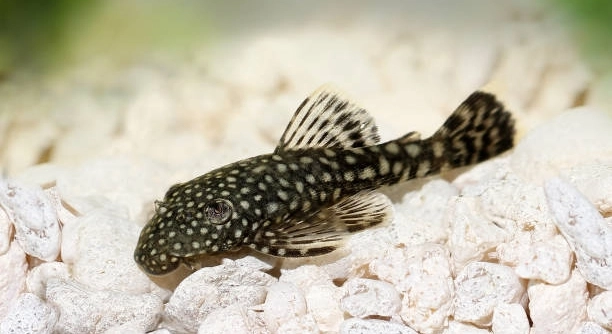
Have you ever noticed your pleco leaving its cave more often than usual, wandering around the tank when it usually stays hidden?
Plecos leave their caves primarily due to changes in environmental conditions, breeding behavior, or stress. Factors such as poor water quality, lack of oxygen, overcrowding, and inadequate hiding spots can disrupt their natural instincts and make them seek alternative shelter or comfort.
Understanding these behaviors will help you create a balanced environment that keeps your pleco secure, healthy, and content in its aquatic home.
Changes in Water Quality
When plecos start leaving their caves more frequently, water quality is often the main cause. These fish are sensitive to ammonia, nitrite, and nitrate levels, and poor conditions can make them restless. Even small imbalances can lead to stress, prompting them to search for safer areas. Sudden pH fluctuations or elevated temperatures can also disrupt their natural behavior. Clean, well-oxygenated water gives plecos the comfort they need to stay in their chosen cave. Regular water testing and consistent maintenance help ensure their environment remains stable. A reliable filtration system and gentle water flow are also essential for their comfort and health. Plecos thrive best when their habitat mimics their natural riverbed environment, offering both clean water and stable parameters.
Maintaining a consistent cleaning schedule, partial water changes, and monitoring temperature help reduce stress and prevent your pleco from feeling the need to constantly roam outside its cave.
By keeping the water balanced, you provide an environment where your pleco feels secure. Their instincts naturally guide them toward stability, and clean conditions support that comfort. Over time, you’ll notice your pleco becoming calmer, spending more time in its favorite hiding spot, and showing signs of better overall health and behavior.
Breeding Behavior
Plecos may leave their caves during breeding periods, especially males. When ready to spawn, males become more active, often searching for the perfect cave or inspecting multiple spots before settling.
During this time, their movement is part of natural breeding behavior. Males tend to clean and prepare caves meticulously, while females inspect them before laying eggs. If no suitable cave exists, plecos may roam the tank, trying to find or claim one that feels safe. Providing multiple caves with smooth interiors helps reduce competition and wandering. Once eggs are laid, males guard the nest closely, fanning water over the eggs to keep them oxygenated. After the fry hatch, activity returns to normal. If your pleco appears restless during this phase, it’s not a cause for concern—it’s a natural process that signals healthy reproductive behavior. Supporting them with proper nutrition and calm surroundings ensures a successful and stress-free breeding period.
Lack of Oxygen
Low oxygen levels in the tank often cause plecos to leave their caves and become unusually active. When oxygen drops, they move closer to the water’s surface or more open areas to breathe more efficiently.
A tank with poor circulation or too many fish can quickly reduce oxygen levels, especially in warmer water. Adding an air stone, adjusting filter flow, and ensuring proper aeration will improve oxygen distribution. Regular cleaning prevents debris buildup, which can block oxygen flow in caves. You might also notice plecos breathing rapidly or resting near the filter outlet—signs of oxygen stress. Keeping the water cool and well-aerated helps them feel comfortable returning to their caves. A consistent supply of fresh, oxygen-rich water ensures their health and prevents unnecessary wandering.
If your pleco continues to stay out despite improved oxygen levels, recheck other factors like tank mates, lighting, or hiding spot availability, as these may also influence their comfort.
Overcrowding in the Tank
When too many fish share the same space, plecos often feel territorial stress and leave their caves to find new areas. Overcrowding makes it difficult for them to claim and protect a suitable hiding spot.
Plecos are naturally solitary creatures, and too many tank mates can make them feel unsafe. Larger or more aggressive fish can also push them out of their comfort zones, forcing them to roam. To fix this, provide enough space per fish and add multiple caves or driftwood pieces to spread out territories. A spacious environment allows each pleco to establish a secure spot without conflict. Regular observation helps you notice early signs of stress like excessive hiding, erratic swimming, or loss of appetite. Reducing overcrowding not only improves their behavior but also keeps water parameters stable, supporting a healthier and calmer tank overall.
Inadequate Hiding Spots
When plecos don’t have enough hiding spots, they tend to wander the tank looking for shelter. Limited caves or decorations can leave them exposed and uneasy, prompting them to stay out in the open more than usual.
Adding more caves, driftwood, or plants can make a huge difference. Each pleco prefers a secure, dark spot that feels private. Varying cave sizes and placements helps them find one that suits their comfort. Providing proper hiding areas reduces stress and restores their natural behavior.
Aggressive Tank Mates
Aggressive or territorial tank mates can easily force plecos out of their caves. Fish that invade their space or nip at them create constant tension. Choosing peaceful species and ensuring enough hiding spots prevents harassment. A calm tank helps your pleco feel secure enough to stay sheltered.
Sudden Lighting Changes
Abrupt changes in lighting can startle plecos and drive them from their caves. Gradually adjusting the brightness or using dim lighting during transitions helps them feel safe. Consistent lighting conditions keep them relaxed and less likely to leave their hiding spots unnecessarily.
FAQ
Why does my pleco suddenly stop using its cave?
A sudden change in behavior often indicates discomfort in the tank. Poor water quality, shifting temperatures, or lack of oxygen can cause plecos to abandon their caves. Even subtle fluctuations in ammonia or pH can make them restless. If you’ve recently cleaned the tank or moved decorations, the rearrangement may have disrupted their sense of territory. Restoring the environment to its previous condition and keeping water parameters consistent helps them feel secure again. Once stability returns, your pleco will likely go back to its favorite cave naturally.
How can I tell if my pleco is stressed?
A stressed pleco may display erratic swimming, loss of appetite, faded coloration, or increased time spent outside its cave. You might also notice it clinging to the glass or resting near the water’s surface more often. These signs typically point to environmental imbalance or overcrowding. Regularly testing water parameters, maintaining stable temperatures, and ensuring plenty of hiding areas can reduce stress quickly. Avoid sudden changes, such as adding new tank mates or rearranging decorations, as plecos rely heavily on consistency and familiarity to feel safe.
Do plecos leave their caves at night?
Yes, most plecos are nocturnal, meaning they become active after the lights go out. Leaving their cave at night is entirely normal as they search for food or explore their surroundings. This behavior is a natural part of their routine. If your pleco returns to its cave during the day, everything is fine. However, if it continues roaming during daylight, it could suggest stress, territorial issues, or poor water conditions. Keeping a dim light or maintaining a consistent night cycle helps support their natural rhythm and comfort.
Can tank size affect a pleco’s behavior?
Absolutely. A small tank can cause plecos to feel confined and anxious. These fish grow quite large depending on the species, and restricted space limits their ability to explore or claim territory. When they don’t have enough room, they may abandon their caves or compete for hiding spots. Choosing a tank that accommodates their adult size ensures they have space to swim and hide comfortably. Large tanks also help maintain stable water quality and oxygen levels, both essential for their well-being and natural cave-dwelling behavior.
Why is my pleco hiding less after adding new fish?
Adding new fish can disrupt your pleco’s sense of territory and security. If the newcomers are active or aggressive, your pleco might feel threatened and leave its cave. Even peaceful species can cause stress through increased movement or crowding. To fix this, rearrange decorations to create new territories and add extra caves or hiding spots. This reduces tension and allows your pleco to reclaim a safe space. Observing how the fish interact helps determine whether the issue is aggression or simple adjustment to new dynamics.
Should I be worried if my pleco stays out all the time?
If your pleco consistently avoids its cave, it’s worth checking tank conditions closely. Persistent roaming may indicate poor water quality, lack of oxygen, or limited shelter options. However, some plecos, especially younger ones or certain species, are naturally more active. Monitor their eating habits and body condition—if they seem healthy and alert, it may just be part of their behavior. Still, maintaining stable, clean conditions is the best way to ensure nothing is causing them distress.
How can I encourage my pleco to use its cave again?
Start by ensuring water quality is optimal and that oxygen levels are high. Add more caves or rearrange the layout to make hiding spots more appealing. Driftwood and smooth rocks can create a natural look that feels safe. Keep lighting gentle and consistent, avoiding sudden bright flashes that might scare them. Reduce tank activity if possible, especially during their resting hours. Over time, as they feel comfortable again, they’ll likely return to their cave and resume normal behavior.
Do plecos ever outgrow their caves?
Yes, this happens more often than many realize. As plecos grow, they may no longer fit comfortably inside their original cave. If the opening feels tight or the space is too small, they’ll abandon it and look for alternatives. Always provide caves that match your pleco’s current size and anticipate future growth. A variety of cave sizes ensures they always have an appropriate spot. Larger plecos often prefer wider, deeper shelters that allow easy entry and exit without stress or confinement.
Can lighting affect how often plecos leave their caves?
Yes, lighting plays a significant role in their behavior. Bright or inconsistent lighting can make plecos feel exposed, leading them to hide less or stay out longer in search of shaded areas. Using subdued or dim lights creates a more natural, comfortable atmosphere. A regular light schedule that mimics day and night cycles helps them maintain normal activity patterns. Consistency in lighting reduces stress and encourages them to retreat to their caves when resting, promoting a calm and balanced environment.
Do plecos always need caves to be happy?
While caves are not absolutely required, they are highly recommended. Plecos use caves to rest, feel secure, and breed. Without them, they often feel unsettled and exposed. Providing at least one cave per pleco supports their natural instincts and overall health. Caves also help prevent aggression, especially among territorial species. When given a proper hiding place, plecos exhibit more relaxed behavior, better coloration, and a stronger appetite. Offering caves is one of the simplest yet most effective ways to keep them comfortable and thriving.
Final Thoughts
Understanding why plecos leave their caves helps you create a more peaceful and balanced environment for them. These behaviors are not random but responses to their surroundings. When a pleco starts wandering more often, it’s usually a sign that something in the tank has changed or is no longer ideal. Factors such as poor water quality, temperature fluctuations, lack of oxygen, or territorial stress can all cause them to leave their caves. By learning to recognize these subtle changes, you can respond quickly and prevent further stress. Taking time to adjust their habitat properly not only benefits your pleco but also improves the health and stability of your entire aquarium. A calm and consistent setup helps these bottom dwellers feel safe enough to return to their natural, cave-dwelling habits.
Many aquarists underestimate how sensitive plecos can be, especially when it comes to environmental balance. Even minor adjustments—such as changing filtration flow or rearranging decorations—can influence their comfort levels. Providing enough hiding spots, maintaining good water circulation, and monitoring oxygen levels all play important roles in keeping them at ease. It’s also helpful to observe their daily routines; this gives insight into what might be bothering them. Plecos thrive best when they feel secure, have access to proper nutrition, and can follow their natural rhythm of resting during the day and exploring at night. By respecting these needs, you’ll notice they become less restless and more predictable in behavior. Their calm presence adds stability and balance to the tank, benefiting every fish that shares their space.
Ultimately, a pleco leaving its cave is not always a reason to worry, but it should never be ignored. It’s their way of communicating that something isn’t quite right. Taking the time to identify and fix the underlying issue shows care and attention that every fish deserves. Whether the cause is overcrowding, aggressive tank mates, or environmental stress, small corrections can make a big difference. Creating a peaceful, well-maintained tank allows plecos to express their natural instincts freely. They’ll spend most of their time resting in their caves, venturing out only when they choose to. Over time, this balance becomes clear—you’ll have a thriving aquarium where every fish feels safe, healthy, and at home.

Hello,
If you enjoy the content that we create, please consider saying a "Thank You!" by leaving a tip.
Every little bit helps us continue crafting quality advice that supports the health, happiness, and well-being of pets around the world, for pets of all shapes, sizes, and species.
We really appreciate the kindness and support that you show us!