
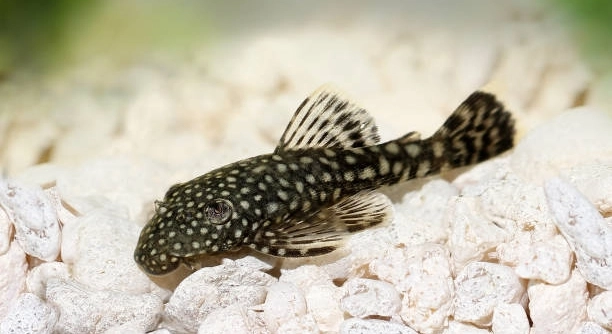
Do you ever find yourself feeding your pleco and wondering if all the foods in your tank are safe for it? Plecos have specific dietary needs that must be carefully considered to maintain their health and wellbeing.
Plecos should avoid foods high in starch, citrus fruits, processed human foods, and certain vegetables that are difficult to digest. These items can cause digestive issues, malnutrition, or even be toxic, impacting the overall health of the fish.
Knowing which foods to avoid will help ensure your pleco stays healthy and thrives in its aquatic environment without unnecessary risks.
Citrus Fruits
Citrus fruits like oranges, lemons, and limes are not suitable for plecos. Their high acidity can irritate the digestive tract and cause long-term health problems. While it may seem harmless to drop a small piece into the tank, even tiny amounts can affect your pleco’s well-being. Plecos thrive on vegetables, algae, and occasional protein sources, so introducing acidic fruits disrupts the balance of their diet. Over time, repeated exposure can lead to digestive distress, skin irritation, and changes in behavior. Many aquarists underestimate how sensitive plecos are to acidity, which makes avoiding citrus essential. Instead, provide leafy greens, zucchini, or cucumber slices to satisfy their feeding needs. Consistent care and mindful food choices contribute to longevity and overall vitality. Observing your pleco’s reaction to new foods helps prevent accidental mistakes and ensures their tank remains a safe environment. Avoiding citrus entirely is the simplest way to maintain proper health.
Acidity in citrus fruits can cause serious internal discomfort and reduce nutrient absorption in plecos. Avoid giving any type of citrus.
Plecos naturally graze on algae and plant matter. Their digestive systems are not equipped for acidic foods. Feeding citrus can upset their stomachs, leading to decreased activity, loss of appetite, and potential illness. Maintaining a diet rich in safe vegetables ensures that your pleco grows steadily and avoids stress-related complications.
Starchy Vegetables
Starchy vegetables like potatoes and corn are not recommended for plecos. Their high carbohydrate content is difficult for plecos to digest and can lead to bloating or digestive blockage.
These foods provide little nutritional value for plecos and can disrupt their natural feeding patterns, leading to long-term health issues if consumed regularly.
Plecos require a diet focused on low-starch vegetables and algae. Feeding starchy vegetables can slow digestion and interfere with nutrient absorption. Over time, bloating may occur, weakening the fish and increasing vulnerability to disease. Plecos rely on fiber-rich foods to maintain gut health and avoid internal blockages. Leafy greens, cucumber, and zucchini offer a safer alternative, providing essential vitamins without the risks associated with starch. Careful food selection is crucial to ensure that your pleco remains active and healthy, avoiding unnecessary stress or discomfort caused by inappropriate feeding. Consistency in diet supports proper growth and longevity.
Processed Human Foods
Processed human foods like chips, bread, and snacks are harmful to plecos. They contain salt, preservatives, and artificial ingredients that plecos cannot digest properly.
These foods are high in sodium and low in essential nutrients, which can lead to organ stress and dehydration in plecos. Regular feeding of processed items may cause long-term health problems, including weakened immunity and abnormal behavior. Plecos need natural, nutrient-rich foods to thrive, so processed snacks offer no benefit. Avoiding human foods entirely keeps their digestive system functioning well and supports overall vitality. Feeding them items outside their natural diet is never safe.
Even occasional feeding of processed foods can disrupt digestion and reduce lifespan. Plecos rely on algae, vegetables, and specialized fish foods for proper nutrition. Introducing human foods can cause bloating, decreased activity, and long-term health complications. Consistent, natural feeding ensures your pleco remains active, healthy, and free from unnecessary risks associated with unsuitable foods.
Nightshade Vegetables
Nightshade vegetables, including tomatoes, eggplants, and peppers, should not be given to plecos. These vegetables contain solanine and other compounds that may be toxic.
Consumption of nightshade vegetables can lead to digestive upset, lethargy, and in some cases, poisoning. The compounds in these vegetables interfere with nutrient absorption and can irritate the gastrointestinal tract. Even small amounts over time may have cumulative negative effects, making it important to avoid them entirely. Plecos thrive on safe greens and algae, which provide the necessary vitamins and fiber without the risk associated with nightshades. Observing your pleco’s feeding behavior ensures they only consume safe foods.
Choosing appropriate vegetables is crucial to prevent illness and maintain proper growth. Safe options like zucchini, spinach, and cucumber support digestive health and energy levels. Nightshades pose unnecessary risks that could compromise immune function and general wellbeing. Avoiding these vegetables entirely ensures your pleco remains healthy and active, reducing stress and promoting a stable environment within the tank. Proper food selection is the simplest method to support long-term health.
Iceberg Lettuce
Iceberg lettuce should be avoided for plecos. It has very low nutritional value and can lead to digestive problems if fed regularly.
This lettuce can also introduce excess water into the tank, causing bloating and poor digestion. Opt for nutrient-rich greens like romaine or spinach instead.
Citrus Peels
Citrus peels are harmful due to their high acidity and essential oils, which can irritate a pleco’s digestive system. Avoid giving any peels from oranges, lemons, or limes, even in small amounts.
Raw Beans
Raw beans contain compounds that are toxic to plecos. Feeding them can cause severe digestive issues and potentially long-term health damage. Always avoid raw beans and stick to safe vegetables and algae-based foods.
Avocado
Avocado should never be fed to plecos. Its high fat content and natural toxins make it unsafe, potentially leading to organ stress and digestive upset if introduced into their diet.
FAQ
What foods are completely safe for plecos to eat?
Plecos thrive on a diet of algae, zucchini, cucumber, spinach, and other leafy greens. Occasional protein sources like shrimp pellets or bloodworms are safe. Feeding these foods regularly ensures proper nutrition, supports growth, and prevents digestive issues. Fresh vegetables should be washed and cut into manageable pieces.
Can plecos eat fruits at all?
Most fruits are not recommended due to high acidity and sugar content. Very small amounts of soft fruits like melon may be tolerated occasionally, but they should never replace their main vegetable-based diet. Avoid citrus, pineapple, and other acidic fruits completely.
What happens if a pleco eats the wrong food?
Eating unsuitable foods can cause bloating, digestive upset, lethargy, and loss of appetite. Long-term exposure to toxic or starchy foods may damage internal organs and reduce lifespan. Observation and immediate removal of unsafe foods can prevent severe issues.
Are store-bought fish foods safe for plecos?
High-quality algae wafers, spirulina-based tablets, and sinking pellets designed for plecos are safe and provide balanced nutrition. Avoid generic fish flakes or foods intended for other species, as they may not meet plecos’ dietary requirements.
Can human food ever be given to plecos?
No. Processed human foods such as bread, chips, pasta, and cooked vegetables contain salt, starch, and additives that plecos cannot digest. Even small amounts can disrupt their digestive system and lead to long-term health problems.
How can I tell if my pleco is eating the wrong food?
Signs include decreased activity, bloating, loss of appetite, and unusual swimming behavior. Waste may appear abnormal or excessive. Monitoring feeding habits closely and providing safe, consistent foods helps prevent these issues.
Are all vegetables safe for plecos?
No. Avoid starchy vegetables like potatoes and corn, and nightshades such as tomatoes, peppers, and eggplants. Stick to leafy greens, zucchini, and cucumber, which are easy to digest and provide essential nutrients.
How often should plecos be fed?
Plecos can be fed daily or every other day, depending on size and activity level. Offer vegetables, algae wafers, or pellets in amounts they can consume within a few hours. Remove uneaten food to prevent water contamination.
Can plecos eat cooked vegetables?
Cooked vegetables are generally not recommended. Raw or lightly blanched vegetables retain nutrients better and are easier for plecos to digest. Overcooking may reduce nutritional value and make the food less appealing to your fish.
What is the safest approach to feeding a pleco?
Focus on vegetables, algae, and species-specific pellets. Avoid human foods, citrus, starchy vegetables, nightshades, and high-fat foods like avocado. Observe your pleco’s behavior, rotate vegetables, and remove uneaten items promptly. Maintaining consistency ensures a healthy, active, and thriving pleco.
Can plecos nibble on aquarium plants?
Yes, but only non-toxic, hardy plants should be accessible. Avoid introducing delicate or poisonous plants, as plecos may damage them or ingest harmful substances. This can affect both the pleco’s health and the tank environment.
How important is variety in a pleco’s diet?
Variety ensures your pleco receives a wide range of nutrients. Combining leafy greens, zucchini, cucumber, and occasional protein supports healthy growth, proper digestion, and long-term wellbeing. Overreliance on a single food can cause nutrient deficiencies and digestive issues.
What should I do if my pleco eats something harmful by accident?
Remove the food immediately and monitor your pleco closely. Signs of distress may include lethargy, bloating, or unusual swimming patterns. Consult a veterinarian experienced with fish if symptoms persist or worsen. Early intervention can prevent serious complications.
Are there any safe fruits I can offer as a treat?
Melon or cucumber occasionally may be tolerated, but these should never replace primary vegetables or algae. Treats must be offered sparingly and removed promptly if uneaten to prevent water contamination.
How do I prepare vegetables for my pleco?
Wash vegetables thoroughly to remove pesticides or contaminants. Cut them into small, manageable pieces or slices. Light blanching can soften tough vegetables but avoid overcooking to retain nutrients. Place them in the tank for a few hours and remove leftovers.
Can plecos overeat?
Yes. Even safe foods can cause bloating or digestive issues if overfed. Provide only the amount they can consume in a short period. Remove uneaten food and adjust portions based on activity and size.
Is algae enough for a pleco’s diet?
Algae is important but not sufficient on its own. Supplement with vegetables and occasional protein sources to provide balanced nutrition. Relying solely on algae may lead to nutrient deficiencies over time.
What role do protein sources play in a pleco’s diet?
Occasional protein from shrimp pellets or bloodworms supports growth and health but should be given sparingly. Too much protein can strain their digestive system, so it’s best as a supplement rather than a staple.
How do I encourage a picky pleco to eat vegetables?
Try lightly blanching tough vegetables, offering smaller pieces, or alternating types. Placing food near their favorite hiding spots can increase acceptance. Patience and observation help determine what your pleco prefers while maintaining a safe diet.
Are frozen vegetables safe for plecos?
Yes, frozen vegetables are generally safe if thawed and rinsed. They retain most nutrients and are convenient for feeding. Avoid vegetables with added sauces or seasonings.
Can plecos eat algae from other tanks or ponds?
Collecting algae from unknown sources is risky due to potential contamination or toxins. Stick to safe, commercially available algae wafers or tank-grown algae to avoid disease or poisoning.
How important is consistency in feeding?
Consistency prevents digestive issues and maintains proper nutrition. Feeding the same safe foods in appropriate amounts reduces stress and helps your pleco thrive. Rotating safe vegetables occasionally adds nutrients without disrupting balance.
What are the long-term risks of improper feeding?
Feeding unsafe foods can cause organ damage, digestive problems, stunted growth, and reduced lifespan. Consistent, species-appropriate diets are crucial to avoid these preventable health issues.
Are there supplements plecos need?
If feeding a balanced mix of algae, vegetables, and occasional protein, supplements are generally unnecessary. Over-supplementation can be harmful. Focus on natural, nutrient-rich foods to meet dietary needs safely.
How do I remove uneaten food effectively?
Use a net or siphon to remove uneaten vegetables or pellets after a few hours. This prevents water contamination, reduces bacteria growth, and maintains a clean tank environment for your pleco.
What’s the best way to monitor my pleco’s diet?
Observe feeding behavior, waste output, and activity levels. Adjust portions or types of food if you notice bloating, lethargy, or refusal to eat. Maintaining a log can help track preferences and health trends over time.
Can baby plecos eat the same foods as adults?
Juveniles require smaller pieces and more frequent feedings. Algae wafers and finely chopped vegetables are ideal. Avoid large pieces or hard-to-digest items until they grow and can handle adult portions.
Do plecos need live food?
Live food is not necessary for most plecos. Occasionally, bloodworms or shrimp pellets provide protein enrichment, but the bulk of the diet should remain vegetables and algae for optimal health.
How do I transition a pleco to a new vegetable?
Introduce one new vegetable at a time in small amounts. Observe their acceptance over a few days. Gradually increase portions once they consistently eat it without signs of digestive upset.
Can plecos eat rice or pasta?
No. Starchy foods like rice and pasta are hard to digest and offer no nutritional value. Avoid feeding any cooked grains to ensure digestive health.
How often should I clean the tank when feeding vegetables?
Remove uneaten food daily and perform regular water changes. Excess vegetables can decay, leading to water quality issues, algae overgrowth, and bacterial contamination, all of which can harm your pleco.
Is it okay for plecos to eat algae off decorations?
Yes, as long as the decorations are free of chemicals or contaminants. Algae grazing is natural, but supplement with vegetables to ensure complete nutrition.
What signs indicate a healthy pleco diet?
Active swimming, consistent appetite, regular waste production, and steady growth indicate a healthy diet. A shiny coat and alert behavior also reflect proper nutrition and tank care.
Can plecos survive on pellets alone?
While algae wafers and pellets provide some nutrition, they should be supplemented with fresh vegetables for fiber, vitamins, and digestive health. A balanced diet ensures longevity and prevents nutrient deficiencies.
How do I safely offer protein treats?
Feed small amounts of shrimp pellets or bloodworms no more than once or twice a week. Monitor consumption and remove uneaten portions to prevent water contamination and digestive strain.
Are there any household items that are safe for plecos?
Household foods should generally be avoided. Stick to algae, safe vegetables, and specialized pellets. Even well-intentioned items can contain salts, preservatives, or toxins that harm plecos.
What’s the best feeding schedule for multiple plecos?
Feed in different tank areas to reduce competition. Rotate vegetables and place algae wafers strategically. Observe each pleco’s intake to ensure all individuals get enough food without overfeeding the tank.
How do I know if my pleco is overweight?
Signs include a rounded belly, difficulty swimming, and sluggish behavior. Adjust feeding portions, remove high-calorie treats, and focus on low-starch vegetables to maintain healthy weight.
Is it necessary to soak vegetables before feeding?
Soaking hard vegetables can soften them and make them easier to digest. It also reduces contaminants and helps prevent rapid decomposition in the tank, keeping the water cleaner.
How important is observation during feeding?
Very important. Watching your pleco eat helps identify preferences, avoid uneaten food, and detect early signs of digestive distress. Careful monitoring supports long-term health and ensures they consume a proper diet.
Can plecos eat lettuce other than iceberg?
Yes, romaine and spinach are much safer. They provide fiber and nutrients without the digestive issues associated with iceberg lettuce. Variety in leafy greens supports healthy growth and energy.
How long can a pleco go without food?
Plecos can survive short periods without food, but long-term fasting may weaken immunity and cause stress. Regular feeding with safe foods maintains their health and vitality.
Are there any emergency foods if vegetables are unavailable?
Algae wafers or spirulina-based pellets can temporarily sustain plecos. Do not rely on them exclusively for long periods; fresh vegetables should be provided as soon as possible for complete nutrition.
How do I prevent overfeeding when offering multiple food types?
Offer small portions of each food type, monitor consumption, and remove uneaten pieces promptly. Prioritize vegetables and algae, and use protein supplements sparingly to maintain balance.
Can plecos eat seeds from fruits?
No. Seeds can be toxic or difficult to digest. Always remove seeds before offering any fruit as a very occasional treat.
How can I make sure my pleco’s diet is balanced?
Provide a mix of algae, leafy greens, zucchini, cucumber, and occasional protein. Rotate vegetables, avoid harmful foods, and monitor feeding behavior to ensure nutritional needs are met consistently.
What are signs of nutrient deficiency in plecos?
Poor growth, lethargy, pale coloration, and irregular waste indicate nutrient deficiency. Adjust diet to include safe vegetables, algae, and protein to correct deficiencies and support long-term health.
Are there foods that should never be offered under any circumstance?
Yes. Citrus fruits, avocado, raw beans, starchy vegetables, nightshades, and processed human foods should never be fed to plecos. These can cause serious health issues and reduce lifespan.
Can plecos eat aquatic plants?
Yes, but only safe, non-toxic species. Avoid delicate or potentially poisonous plants. Ensure vegetables remain the primary source of nutrition for a balanced diet.
How do I introduce a new vegetable safely?
Start with small pieces, monitor acceptance, and gradually increase portions. Rotate with familiar vegetables to ensure proper nutrition without digestive upset.
Can plecos eat frozen or canned vegetables?
Frozen vegetables are safe if thawed and rinsed. Avoid canned vegetables with salt, preservatives, or added sauces, as these can harm plecos.
What should I do if my pleco refuses vegetables?
Try different textures, lightly blanch tough greens, or place food near hiding spots. Patience and observation help find what your pleco prefers while maintaining a safe diet.
How does water quality affect feeding?
Poor water quality can stress plecos and reduce appetite. Removing uneaten food and performing regular water changes ensures a clean environment and encourages healthy feeding habits.
Can plecos eat cucumber peels?
Yes, cucumber peels are safe. Slice them thinly and remove any uneaten pieces after a few hours to prevent water contamination.
Are algae wafers enough for young plecos?
Algae wafers support growth but should be supplemented with soft vegetables for fiber and vitamins. Balanced feeding promotes proper development and digestive health.
How often should I change the types of vegetables I offer?
Rotate vegetables every few days to provide variety and nutrients. Consistent rotation helps prevent deficiencies while keeping the diet interesting and balanced.
Can plecos eat grains like oats or barley?
No. Grains are hard to digest and offer little nutritional value. Stick to vegetables, algae, and safe protein sources.
What’s the best way to prevent bloating in plecos?
Feed vegetables in manageable portions, avoid starchy foods, and remove uneaten items promptly. Balanced feeding and observation reduce digestive stress and bloating risk.
Are there any safe treats for plecos?
Small amounts of melon or cucumber occasionally are acceptable, but they should not replace vegetables or algae. Always monitor consumption and remove leftovers.
How do I keep my pleco’s diet consistent during vacations?
Use automatic feeders for algae wafers and vegetables that last, or have a caretaker feed safe foods. Avoid leaving high-risk foods that may spoil in the tank.
Can plecos eat frozen shrimp?
Frozen shrimp can be offered occasionally as a protein treat. Remove uneaten portions promptly and do not use it as a staple in their diet.
What’s the role of fiber in a pleco’s diet?
Fiber from vegetables supports proper digestion and gut health. Lack of fiber can cause bloating, constipation, and nutrient absorption issues, making it essential to provide leafy greens regularly.
Can plecos eat spinach stems?
Yes, stems are safe if cut into small pieces. They provide fiber and nutrients, but softer leaves are generally preferred for easier consumption.
How do I encourage plecos to eat new foods?
Place small portions near hiding spots, alternate with familiar vegetables, and observe feeding behavior. Gradual introduction helps prevent stress and ensures safe consumption.
Are there foods that improve pleco coloration?
Algae, leafy greens, and occasional protein can enhance natural coloration. Avoid harmful foods, as stress and poor nutrition can dull their appearance.
What’s the best feeding practice for multiple plecos of different sizes?
Provide appropriate portions for each fish, monitor consumption, and place food in different areas to reduce competition. Adjust feeding frequency based on individual needs.
How do I avoid mold or rot on vegetables in the tank?
Remove uneaten vegetables after a few hours, rinse thoroughly before feeding, and monitor water quality. Decaying food can harm plecos and reduce tank cleanliness.
Can plecos eat lettuce other than iceberg?
Yes, romaine or spinach is safe. They provide fiber and essential nutrients, unlike iceberg lettuce, which is low in value and can cause digestive issues.
How do I balance protein and vegetable intake?
Vegetables and algae should be the main diet, with protein supplements offered sparingly. This balance supports growth, digestion, and overall health without overloading the digestive system.
Are there seasonal considerations for feeding plecos?
Temperature changes can affect metabolism. Feed smaller portions during cooler periods and maintain consistent, safe foods to prevent digestive stress.
Can plecos eat carrot slices?
Yes, carrots are safe if sliced thinly. They provide fiber and nutrients but should be part of a varied vegetable diet rather than the sole food source.
How do I store vegetables for plecos?
Keep them fresh in the refrigerator, washed and unseasoned. Remove spoiled portions promptly. Proper storage preserves nutrients and prevents harmful bacteria growth.
What’s the best way to transition a pleco to a new diet?
Introduce one new food at a time, in small amounts, while maintaining familiar foods. Observe digestion and behavior to ensure acceptance and avoid stress.
Are supplements necessary for a home-fed pleco?
No, a balanced diet of vegetables, algae, and occasional protein generally provides all necessary nutrients. Supplements are rarely needed and may cause harm if misused.
Can plecos eat lettuce stems?
Yes, stems are safe when chopped into small pieces. They provide fiber but may be tougher to chew than leaves.
How do I ensure all plecos in a tank get enough food?
Feed in multiple locations, observe consumption, and adjust portions. Removing uneaten food prevents competition and maintains water quality.
Can plecos eat pumpkin?
Yes, small slices of raw or lightly blanched pumpkin are safe. They provide fiber and nutrients, supporting digestive health.
Are all leafy greens safe for plecos?
Most are safe, but avoid iceberg lettuce. Rotate greens like spinach, romaine, and kale to provide variety and balanced nutrition.
How do I know if a new vegetable is safe?
Research toxicity, observe pleco acceptance, and start with small amounts. Safe vegetables include zucchini, cucumber, spinach, and romaine.
Can plecos eat squash?
Yes, both summer and winter squash are safe if sliced or lightly blanched. They provide fiber and essential nutrients without digestive strain.
Is it safe to feed plecos cooked vegetables?
Lightly blanched vegetables are acceptable. Avoid overcooking, as it reduces nutritional value. Raw or lightly softened vegetables are generally preferred.
How often should I feed algae wafers?
Algae wafers can be offered daily, but they should supplement vegetables rather than replace them. Monitor consumption to prevent overfeeding and water contamination.
Can plecos eat peas?
Yes, shelled and blanched peas are safe. They provide fiber and nutrients but should be part of a varied vegetable diet.
Are there foods that help with digestion in plecos?
High-fiber vegetables like zucchini, cucumber, spinach, and shelled peas promote healthy digestion and prevent bloating or constipation.
**Can plecos eat lettuce with
Caring for a pleco requires attention to its diet, as proper nutrition is essential for health and longevity. Plecos are not generalist feeders; their digestive systems are designed for algae, vegetables, and occasional protein. Feeding them inappropriate foods like citrus fruits, starchy vegetables, or processed human snacks can lead to serious health problems. Even small amounts of harmful foods can cause bloating, digestive upset, or long-term organ stress. Observing your pleco’s eating habits and sticking to safe, nutrient-rich foods ensures that it remains active, healthy, and able to grow properly. Providing a consistent, well-balanced diet is the foundation of responsible pleco care and helps prevent preventable illnesses.
Vegetables are a key component of a pleco’s diet, but not all vegetables are safe. Leafy greens such as spinach and romaine, along with zucchini, cucumber, and occasional pumpkin slices, are excellent choices. These foods provide fiber, vitamins, and minerals that support digestion and overall health. Avoid starchy vegetables like potatoes or corn, and nightshades such as tomatoes, peppers, and eggplants, as they can be harmful. Additionally, foods high in fat or toxins, like avocado, should never be offered. Even when providing safe foods, it is important to cut vegetables into manageable pieces and remove uneaten portions to maintain clean water and prevent bacterial growth. Feeding small, consistent amounts helps regulate digestion and prevents overfeeding.
In addition to vegetables, algae and species-specific pellets play a critical role in a pleco’s diet. Algae wafers provide essential nutrients and mimic natural grazing behavior, while sinking pellets or shrimp-based protein supplements can be offered occasionally to support growth and vitality. However, protein should never replace the main diet of vegetables and algae. Observing your pleco’s response to different foods can help determine preferences and ensure proper intake. Maintaining clean tank conditions, monitoring feeding habits, and rotating safe vegetables all contribute to a balanced diet. By following these principles, plecos can live long, healthy lives with minimal risk from improper feeding. Consistency, careful selection of foods, and attention to the pleco’s natural needs are key to sustaining health and vitality in a home aquarium.

Hello,
If you enjoy the content that we create, please consider saying a "Thank You!" by leaving a tip.
Every little bit helps us continue crafting quality advice that supports the health, happiness, and well-being of pets around the world, for pets of all shapes, sizes, and species.
We really appreciate the kindness and support that you show us!