
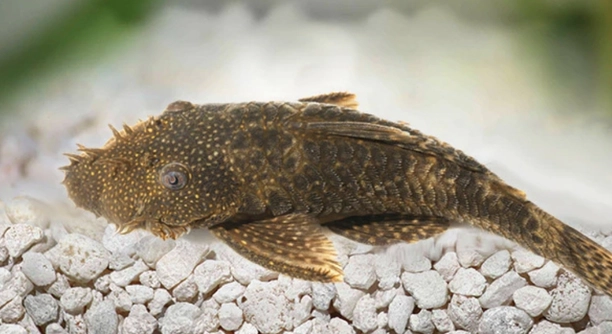
Have you ever noticed your pleco spending hours tucked away in one corner of the tank? These peaceful fish have a strong preference for hiding spots, which provide them safety and comfort. Observing their choices can be fascinating.
Plecos most commonly favor hiding places that mimic natural structures, including caves, driftwood, dense plants, and overhangs. Providing such environments reduces stress, supports natural behavior, and encourages healthier activity patterns within captive aquatic habitats.
Understanding these preferences will help you create a tank that plecos enjoy. The right hiding spots make a noticeable difference in their daily behavior.
Driftwood Hiding Spots
Driftwood is a favorite for plecos because it closely resembles the submerged branches they would naturally use in rivers. I’ve noticed that my plecos often spend hours clinging to or resting under driftwood. It provides both security and surfaces for grazing. Many species enjoy rasping on driftwood, which also helps with digestion and natural behavior. Selecting driftwood that is smooth, untreated, and properly soaked ensures it won’t release harmful substances into the water. Placement matters too: pieces should be stable, wide enough for plecos to hide underneath, and arranged so fish can navigate without stress. Combining driftwood with other tank decorations creates a layered habitat, encouraging activity and exploration. Over time, driftwood may develop biofilm and algae, which plecos naturally graze on, making it both a hiding spot and a food source. Observing how plecos interact with driftwood can give insight into their comfort levels and preferences in the tank.
Driftwood offers security, grazing surfaces, and a natural look. Its presence supports healthy behavior and helps plecos feel safe.
A well-placed piece of driftwood transforms a tank. Plecos can wedge themselves underneath, cling to its surface, or use it to navigate without stress. Over time, biofilm forms on the wood, giving them natural nutrition. Driftwood can also influence water chemistry slightly, lowering pH for certain species. Choosing the right type and arranging it thoughtfully encourages plecos to explore and utilize the space fully, keeping them active and comfortable. Proper preparation prevents floating or water contamination, ensuring the tank remains safe and stable.
Cave Structures
Caves in the tank give plecos a dark, enclosed area to retreat to. Even small plecos appreciate the privacy of a simple cave, which can be made from ceramic, rock, or PVC.
Providing caves creates a safe, low-stress environment for plecos. Multiple entrances allow them to escape easily and choose their preferred hiding spot.
Plecos are nocturnal and often rest in caves during the day. A variety of cave sizes accommodates different individuals, reducing competition. Some species are territorial and require multiple caves to avoid conflicts. Smooth surfaces prevent injuries, and the cave’s placement should avoid high-traffic areas to maintain calm. Combining caves with natural elements like plants or driftwood enhances security and environmental complexity. Over time, plecos may favor specific caves, indicating comfort and preference. Properly maintained caves remain clean, preventing algae buildup or debris accumulation. Observing plecos’ interactions with caves provides insight into their daily routines, activity levels, and general health. Caves are a simple but essential addition for creating a balanced, stress-free tank environment that mimics natural hiding behavior.
Dense Plant Cover
Dense plants provide plecos with natural hiding areas and shade. I’ve seen my plecos spend hours nestled among broad-leafed plants, feeling secure while grazing on algae that forms on leaves and stems. Proper placement ensures they can move freely without feeling trapped.
Adding live plants like Anubias or Java fern creates multiple hiding options. Plecos often wedge themselves between leaves or cling to stems. Plants improve water quality by absorbing excess nutrients, which also encourages algae growth for grazing. Combining plants with driftwood or rocks gives vertical and horizontal hiding spaces, making the tank feel more dynamic. I usually trim plants carefully, ensuring plecos can navigate without tearing leaves or getting stuck, maintaining both plant health and fish comfort. Observing their use of plant cover shows which areas are preferred and how they interact with the habitat.
Dense plant cover also reduces stress by breaking line of sight with other fish. Plecos use shaded areas to rest safely, especially during bright daylight hours. This encourages natural nocturnal behavior, promoting activity at night and feeding efficiency. By strategically positioning plants, multiple fish can hide simultaneously, reducing territorial disputes and enhancing overall tank harmony.
Rock Overhangs
Rock overhangs create compact, shaded spaces where plecos can feel secure. I often place flat rocks in corners, letting plecos wedge themselves underneath to rest during the day.
Plecos naturally seek out overhangs because they mimic riverbank crevices. Stacking rocks carefully provides multiple entrances, avoiding trapped fish. Smooth surfaces prevent injuries while allowing plecos to scrape algae. I arrange rocks with gaps for circulation, preventing debris accumulation. Overhangs combined with driftwood and plants offer layered hiding options, enhancing environmental complexity. Plecos tend to return to the same overhangs, indicating comfort and safety. Observing their preferences helps determine which areas are most used and valued in the tank.
Properly positioned rock overhangs reduce stress and support territorial behavior. They allow plecos to establish personal zones, retreat when threatened, and explore without exposure. Overhangs also provide surfaces for grazing, increasing natural activity. Selecting non-toxic, stable rocks ensures long-term safety. By combining them with other hiding spots, plecos have a varied environment, encouraging mental stimulation and overall well-being while maintaining a balanced tank layout.
PVC Pipes
PVC pipes serve as simple, affordable hiding spots. I’ve seen my plecos spend hours fully inside, especially when placed horizontally with easy access at both ends.
They are easy to clean and reposition. PVC provides darkness and security, and multiple pipes reduce territorial conflicts in community tanks.
Driftwood Caves
Driftwood can be hollowed or naturally shaped to form small caves. Plecos enjoy clinging inside, resting, or grazing on the biofilm that develops over time. Driftwood caves combine shelter with feeding opportunity, making them highly attractive hiding spots. Properly stabilized, they remain safe and prevent floating or movement.
Leaf Litter
Adding leaf litter offers plecos subtle cover along the tank bottom. Fallen leaves create shaded, soft areas for resting and foraging.
FAQ
Why do plecos need hiding spots?
Plecos are naturally nocturnal and shy fish. They need areas to retreat during the day to feel secure. Hiding spots reduce stress, encourage natural behavior, and provide resting areas. Without proper cover, plecos can become stressed, which affects feeding, health, and overall activity levels.
Can plecos share hiding spots?
Some pleco species are territorial and may not share small hiding spots. Larger tanks with multiple hiding areas allow several plecos to coexist peacefully. Observing their interactions helps determine if more spaces are needed to avoid conflict and ensure each fish has a personal retreat.
Are all hiding spots safe?
Not all materials are safe for aquariums. Driftwood should be untreated and soaked before use. Rocks must be non-toxic and stable. PVC pipes should be aquarium-safe and cleaned regularly. Avoid sharp edges that could injure plecos while exploring or resting inside.
Do plecos prefer natural over artificial hiding spots?
Many plecos naturally prefer driftwood, caves, and dense plants because they mimic their natural habitats. Artificial options like PVC pipes or ceramic caves work well too, but combining natural and artificial options gives plecos variety and helps meet different preferences within the tank.
How often should hiding spots be cleaned?
Hiding spots should be inspected and cleaned regularly to remove debris, excess algae, and detritus. Cleaning should be gentle to avoid damaging plants or biofilm that plecos graze on. Driftwood and rocks may only need rinsing, while PVC pipes can be scrubbed lightly with a soft brush.
Do plecos change hiding spots often?
Plecos may rotate between multiple hiding spots depending on activity, comfort, and feeding. Observing their patterns can reveal preferred areas and help optimize tank layout. Providing variety ensures that shy or stressed fish always have a safe retreat.
Can hiding spots affect water quality?
Yes. Organic materials like driftwood and leaf litter can slightly alter pH and release tannins, which can be beneficial for some species. Excess debris or uneaten food trapped in caves or plants can deteriorate water quality. Regular maintenance prevents negative effects while maintaining a natural environment.
How many hiding spots does a tank need?
The number of hiding spots depends on tank size and pleco population. Generally, one or two spots per pleco is recommended. More hiding spaces reduce stress, prevent territorial disputes, and allow multiple fish to rest or graze simultaneously without competition.
Can plecos use the same hiding spot for years?
Some plecos form strong preferences for specific hiding spots and may consistently return to the same area for comfort and security. Others explore multiple locations. Monitoring their behavior helps identify favored spots and ensures that these areas remain safe, clean, and accessible.
Do hiding spots help with breeding?
Yes. For species that breed in captivity, caves or enclosed spaces provide a secure environment for egg-laying and raising fry. Proper hiding spots reduce stress on both adults and offspring, increasing the likelihood of successful breeding and protecting young plecos from aggression.
Are plants enough as hiding spots?
Plants offer good cover, but plecos often need solid structures like driftwood or caves to feel fully secure. Combining plants with rigid hiding spots ensures they have shaded, enclosed areas as well as grazing surfaces and open space for movement.
What is the best way to arrange hiding spots?
Arrange spots to allow multiple entrances, stable surfaces, and clear pathways. Avoid placing hiding spots in high-traffic areas or too close together, which can cause stress or territorial disputes. Layering plants, rocks, and driftwood creates depth, variety, and comfort, supporting natural behavior patterns.
Do plecos ever avoid hiding spots?
Some plecos may explore open areas or prefer certain textures over others. Age, species, and tank conditions influence behavior. Observing which hiding spots are used most helps tailor the tank environment, ensuring all plecos have secure and comfortable retreats while reducing stress levels.
How do hiding spots impact pleco health?
Proper hiding spots reduce stress, support natural behavior, and encourage healthy feeding. Fish with secure retreats are less likely to develop disease or aggression-related injuries. Hiding areas also allow resting periods, promoting overall mental and physical well-being for long-term health.
Can hiding spots encourage feeding?
Yes. Hiding spots like driftwood or leaf litter often develop biofilm and algae, which plecos graze on naturally. Providing these spaces supports foraging behavior, reduces boredom, and supplements their diet with natural, easily accessible nutrition.
Should hiding spots be changed often?
Changing hiding spots too frequently can stress plecos. Minor adjustments for cleaning or enrichment are fine, but stability helps fish feel secure. Observing their reaction ensures changes improve the environment rather than create unnecessary stress.
Do plecos need hiding spots in small tanks?
Even in smaller tanks, plecos benefit from hiding spots. Simple options like PVC pipes, small caves, or plant clusters provide essential security, reduce stress, and improve well-being, even when space is limited.
Can hiding spots prevent aggression?
Yes. Multiple hiding spots reduce competition and territorial disputes. Providing adequate retreats for all tank inhabitants ensures plecos have personal space, allowing them to coexist peacefully and reducing stress-related aggression.
What is the easiest hiding spot to maintain?
PVC pipes are the simplest to clean and reposition, offering stable, durable, and low-maintenance hiding options. Driftwood and caves require more attention but provide natural benefits. Combining both ensures plecos have safe, accessible, and varied retreats.
How can I tell if a pleco is stressed without hiding spots?
Signs include constant swimming without rest, hiding in corners of the tank, decreased appetite, or unusual aggression. Adding suitable hiding spots often alleviates stress and restores normal behavior, activity, and feeding patterns.
Do plecos interact with each other in hiding spots?
Interactions vary by species and tank layout. Some may share spaces, while others are territorial. Providing multiple options ensures all fish can find secure retreats, reducing stress and conflicts. Observing behavior helps identify patterns and preferred spots.
Are commercial caves better than DIY options?
Commercial caves are convenient, safe, and stable. DIY options like PVC or hollowed driftwood are cost-effective and customizable. Both work well, but ensuring safety, stability, and proper cleaning is essential regardless of the choice.
Can hiding spots influence nocturnal behavior?
Yes. Plecos use hiding spots during daylight to feel secure and become more active at night. Proper hiding spaces support natural circadian rhythms, encouraging healthy nocturnal activity, feeding, and exploration.
Do juvenile plecos need the same hiding spots as adults?
Juveniles often prefer smaller, tighter spaces, while adults need larger retreats. Providing a range of hiding spots accommodates all sizes, reducing stress and supporting growth. Adjustable arrangements ensure safe and accessible options throughout different life stages.
How important is lighting for hiding spots?
Plecos feel safer in shaded or dim areas. Hiding spots under driftwood, plants, or rocks help diffuse light, creating comfortable zones. Bright, exposed areas may deter use, so strategic placement enhances security and natural behavior.
Can multiple hiding spots be clustered together?
Yes, clustering can work if arranged thoughtfully. Multiple entrances and adequate spacing prevent overcrowding. Combining different textures and materials in one area offers variety while maintaining safety and comfort for several plecos at once.
Do plecos use the same hiding spot daily?
Some plecos form routines and prefer specific spots, while others rotate between options. Consistency indicates comfort, but variety in placement supports exploration and reduces boredom. Observing daily use provides insight into preferences and tank layout effectiveness.
How long does it take for plecos to trust a new hiding spot?
Adjustment depends on species and personality. Some plecos explore immediately, while others take days or weeks to feel secure. Stability, proper placement, and a quiet environment encourage quicker acceptance and use.
Can hiding spots help prevent disease?
Indirectly. Reduced stress from safe hiding spots improves immune function. Resting areas prevent injuries and overexposure, supporting overall health and lowering susceptibility to common diseases in captive tanks.
Are larger hiding spots always better?
Not necessarily. Hiding spots should match pleco size. Too large or exposed areas may feel unsafe, while appropriately sized retreats provide comfort, security, and encourage natural behavior without creating unnecessary stress.
Can plecos create territories around hiding spots?
Yes. Territorial behavior is common, especially in confined areas. Multiple hiding spots reduce conflicts and allow each pleco to claim a preferred retreat, ensuring peace and healthy interaction within the tank.
Do hiding spots affect breeding behavior?
Enclosed, dark spaces promote breeding for many pleco species. Caves or driftwood with small openings provide secure areas for egg-laying, protecting fry from aggression and environmental disturbances. Adequate hiding spots increase breeding success and offspring survival.
How can I tell if a hiding spot is being used properly?
Observation is key. If plecos frequently rest, graze, or wedge themselves inside, the spot is effective. Unused areas may indicate poor placement, size mismatch, or discomfort, guiding adjustments for better utilization.
Do plecos need hiding spots in community tanks?
Absolutely. Hiding spots reduce stress from more active or aggressive tankmates. Providing retreats ensures plecos have safe spaces to rest and explore without constant exposure, maintaining mental and physical health.
What are the signs of inadequate hiding spots?
Signs include constant darting, hiding in corners, injuries from aggression, poor feeding, or lethargy. Adding multiple, appropriately sized hiding spots often resolves these issues and restores normal behavior.
How do hiding spots support overall tank health?
By reducing stress, providing grazing surfaces, and encouraging natural behavior, hiding spots contribute to balanced fish activity, healthier algae control, and improved water quality through distributed activity and reduced territorial aggression.
Can hiding spots be rearranged safely?
Yes, but changes should be gradual. Sudden or frequent rearrangements can stress plecos. Minor adjustments for cleaning or enrichment are fine if stability and accessibility are maintained. Monitoring fish responses ensures a smooth transition.
Do plecos prefer open spaces sometimes?
Some plecos explore open areas during feeding or nighttime activity. While hiding spots are essential, allowing open swimming areas encourages exercise, social interaction, and overall well-being, balancing safety and activity.
Are there species-specific hiding spot preferences?
Yes. Some species prefer driftwood, others caves or leaf litter. Researching natural habitats and behaviors helps select the most suitable hiding spots, ensuring comfort, reduced stress, and proper environmental enrichment.
Do plecos use hiding spots differently at night?
Mostly, they emerge from hiding at night to feed or explore. Safe daytime retreats encourage nocturnal activity and allow plecos to exhibit natural patterns, supporting healthy metabolism and behavior.
Can hiding spots reduce aggression between plecos?
Yes. Multiple retreats prevent overcrowding and provide personal space, reducing disputes. Territorial species benefit greatly from a variety of hiding spots, ensuring all fish have safe access to secure areas.
How do I know when to add more hiding spots?
Indicators include increased stress, competition, or unused tank areas. Observing plecos’ behavior helps determine if additional hiding spaces are needed to maintain comfort, security, and harmony.
Do plecos use hiding spots for feeding?
Yes. Many graze on algae or biofilm in shaded or enclosed areas. Hiding spots that also support natural grazing behavior provide both shelter and supplemental nutrition, promoting well-being and activity.
Can hiding spots be too dark or small?
Yes. Extremely tight spaces may trap fish or create discomfort. Hiding spots should be snug but allow easy entry and exit. Balance is key to ensuring safety and usability.
Do plecos interact socially in shared hiding spots?
Interactions vary. Some species tolerate cohabiting, while others prefer solitary retreats. Providing multiple options ensures peace, reducing stress and territorial disputes.
Are floating hiding spots effective?
Not usually. Plecos prefer anchored or stable areas. Floating options may cause instability, stress, or injuries. Secure placement is essential for effective hiding spots that plecos trust.
Can hiding spots affect algae growth?
Yes. Driftwood, caves, and leaf litter often develop biofilm and algae. Plecos use these surfaces for grazing, providing natural nutrition while benefiting from shaded, secure areas for resting.
Do hiding spots need to be species-specific in community tanks?
While many plecos share preferences, some species require specialized structures. Matching hiding spots to species ensures comfort, reduces stress, and encourages natural behavior, especially in mixed-species setups.
Can overstocked tanks limit hiding spot effectiveness?
Yes. Too many fish and limited hiding areas increase stress and aggression. Providing sufficient and appropriately sized retreats ensures all plecos can access secure spaces without conflict.
How often should I rotate hiding spots?
Rotation is optional. Minor adjustments for cleaning or enrichment are fine, but stability generally reduces stress. Observing pleco behavior ensures changes are beneficial rather than disruptive.
Do hiding spots improve overall tank aesthetics?
Yes. Thoughtful placement of driftwood, rocks, caves, and plants creates depth and natural appeal while providing functional benefits, combining beauty with utility for plecos.
Are there seasonal preferences for hiding spots?
Some plecos may adjust behavior based on water temperature, lighting, or breeding cycles. Offering consistent, safe retreats accommodates seasonal changes and supports natural rhythms.
Do plecos use hiding spots during feeding?
They may graze near or partially inside shelters. Hiding spots that provide grazing surfaces support natural feeding behavior, offering nutrition and security simultaneously.
Can overcrowding hiding spots stress plecos?
Yes. Limited or crowded spaces increase competition and stress. Multiple, appropriately sized hiding spots reduce conflict and ensure all fish feel secure.
How do I know if hiding spots are enriching the tank?
Frequent use, reduced stress behavior, and natural activity patterns indicate effective hiding spots. Observing plecos’ comfort, grazing, and exploration shows enrichment success.
Do juvenile plecos need smaller hiding spots than adults?
Yes. Juveniles prefer tighter, smaller retreats. Providing a variety of sizes accommodates different life stages, supporting comfort, growth, and natural behavior.
Are ceramic caves better than natural options?
Ceramic caves are durable, stable, and safe, but natural options like driftwood or leaf litter offer grazing and environmental enrichment. Combining both types benefits plecos and tank aesthetics.
Can hiding spots prevent disease?
Indirectly, by reducing stress, promoting rest, and supporting natural behavior. Lower stress improves immune response, contributing to overall health.
Do plecos use the same hiding spots for years?
Some form long-term preferences, consistently using certain areas. Others rotate between spots. Observing patterns helps maintain favorite retreats and overall tank comfort.
Are DIY hiding spots safe?
Yes, if made from aquarium-safe, stable materials. Proper cleaning and placement are essential to prevent injury, water contamination, or stress.
Do plecos prefer horizontal or vertical hiding spots?
Most prefer horizontal retreats, such as caves, driftwood, or pipes. Vertical spaces are less used but can supplement hiding areas, providing variety in the tank.
Can hiding spots help shy plecos socialize?
Yes. Safe retreats reduce fear, allowing shy plecos to explore and interact with tankmates more confidently without exposure to stress or aggression.
Are hiding spots necessary in small tanks?
Even small tanks benefit from simple hiding areas. PVC pipes, small caves, or plant clusters provide essential security, reduce stress, and encourage natural behavior.
Can hiding spots be temporary?
Yes. Temporary setups for cleaning or enrichment work if stable and safe. Plecos may quickly adapt, especially if multiple options remain available.
Do hiding spots reduce nocturnal aggression?
Yes. Adequate hiding spaces lower competition and territorial disputes at night, allowing more peaceful activity and feeding for nocturnal plecos.
How do I know if a hiding spot is stressful?
Avoided areas, trapped fish, injuries, or unusual darting indicate stress. Adjust size, placement, or material to ensure comfort and usability.
Do plecos prefer covered or partially exposed hiding spots?
Covered spaces provide safety, while partially exposed spots offer observation opportunities. A mix allows plecos to choose based on comfort and activity needs.
Can hiding spots improve breeding success?
Yes. Enclosed, secure areas encourage egg-laying and protect fry. Providing multiple options increases breeding success and reduces stress for adults and offspring.
Do hiding spots affect swimming patterns?
Yes. Properly placed retreats create pathways and zones for movement. Plecos navigate between shelters, foraging areas, and open space, maintaining natural swimming and activity patterns.
Are natural hiding spots better than artificial ones?
Both have benefits. Natural options provide grazing and enrichment, while artificial ones are durable and safe. Combining both creates a balanced environment for plecos.
Can hiding spots be overcrowded?
Yes. Too many fish and too few retreats cause stress, competition, and aggression. Adequate space for each pleco ensures comfort and healthy behavior.
Do plecos use hiding spots in planted tanks differently?
Yes. They may wedge between leaves, cling to stems, or combine plant cover with driftwood or caves. Layered environments enhance security and grazing opportunities.
Can hiding spots affect feeding behavior?
Yes. Biofilm, algae, and shaded retreats encourage grazing and exploration. Proper placement promotes natural feeding and reduces stress-related food avoidance.
Do plecos prefer natural textures in hiding spots?
Many do. Driftwood, smooth rocks, and leaf litter mimic river substrates, providing comfort, grazing opportunities, and natural resting surfaces that encourage normal behavior.
Are hiding spots necessary for all pleco species?
Yes. All plecos benefit from secure retreats to reduce stress, rest, and exhibit natural behavior, regardless of species size or temperament.
Can hiding spots reduce injury?
Yes. Properly sized, smooth retreats protect plecos from collisions, aggression, or sharp tank decorations, supporting physical health and safe movement.
Do plecos prefer hiding spots near food sources?
Some do. Placing algae-covered surfaces, driftwood, or leaf litter nearby allows simultaneous grazing and resting, encouraging efficient natural feeding patterns.
How important is stability for hiding spots?
Extremely. Unstable caves, rocks, or driftwood can injure fish, trap them, or create stress. Anchoring and secure placement are essential for safe usage.
Do plecos modify hiding spots over time?
Yes. Biofilm growth, algae, and debris accumulation can change how plecos interact with shelters. They may graze, wedge, or avoid certain areas depending on environmental changes.
Are hiding spots necessary for community tanks?
Yes. They reduce stress, territorial disputes, and aggression from other fish. Multiple retreats allow plecos to coexist safely with diverse species.
Can hiding spots affect water flow?
Yes. Placement near filters or strong currents may deter use. Positioning them in calmer areas ensures plecos feel safe and comfortable while resting or grazing.
**Do hiding
Final Thoughts
Creating a comfortable and secure environment for plecos is essential for their well-being. Hiding spots are not just decoration; they play a critical role in reducing stress, supporting natural behavior, and promoting overall health. Observing your plecos’ daily routines can help you understand which areas they prefer and how they interact with the tank environment. Providing a variety of options, such as driftwood, caves, PVC pipes, plants, and leaf litter, allows plecos to choose spaces that feel safe. Each species and individual fish may have unique preferences, so paying attention to their behavior is important. Over time, you will notice patterns, such as favorite resting areas or preferred grazing surfaces, which can guide future tank arrangements. Creating layered spaces with multiple hiding spots helps plecos feel secure while giving them opportunities to explore, feed, and remain active without feeling threatened. A well-planned tank with ample hiding spaces reduces aggression and encourages a balanced and harmonious environment for all tank inhabitants.
The choice of hiding spots also has practical implications for tank maintenance and long-term care. Driftwood and leaf litter contribute to natural grazing opportunities, but they may affect water parameters slightly, so monitoring water quality is important. Caves and PVC pipes are easier to clean and reposition, making them convenient for ongoing maintenance. Plants not only provide shade and cover but also improve water quality and create a more natural setting. Combining these elements ensures that plecos have both functional and comfortable retreats. It is important to choose safe, non-toxic materials and ensure that all structures are stable to prevent accidents. Regular cleaning and careful observation of how plecos use the hiding spots help maintain a healthy environment. Over time, the tank will become more than just a habitat; it becomes a space where plecos can display natural behaviors, feel secure, and thrive.
Ultimately, understanding plecos’ need for hiding spots is a key part of responsible fishkeeping. These spaces affect their behavior, stress levels, and overall health, making them a necessary part of any aquarium setup. While it may take some trial and error to find the most suitable arrangement, providing a variety of options and observing how your plecos interact with them will result in a more dynamic and natural environment. Hiding spots offer both comfort and enrichment, giving plecos the opportunity to rest, graze, explore, and establish territories. By prioritizing these spaces, you are not only improving their quality of life but also creating a visually appealing and balanced tank. The right combination of hiding spots, carefully placed and maintained, can transform an ordinary aquarium into a thriving, healthy habitat where plecos feel secure and display their natural behaviors freely.

Hello,
If you enjoy the content that we create, please consider saying a "Thank You!" by leaving a tip.
Every little bit helps us continue crafting quality advice that supports the health, happiness, and well-being of pets around the world, for pets of all shapes, sizes, and species.
We really appreciate the kindness and support that you show us!