
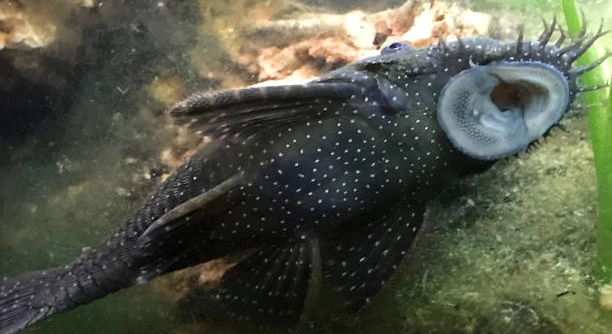
Have you ever found yourself setting up a new aquarium for your plecos and wondering which substrate would suit them best? Choosing the right base material plays a big role in their comfort and overall tank health.
Sand is generally a better option for plecos because it allows them to sift and forage naturally without risking injury. Gravel can sometimes cause abrasions or digestive issues if ingested. A fine, smooth sand substrate supports healthy behavior and easy cleaning.
Understanding how the substrate affects your plecos’ health and behavior can help you create a safer, more natural environment for them.
Understanding Pleco Behavior and Substrate Needs
Plecos are bottom-dwelling fish that spend most of their time scavenging and foraging along the tank floor. Their behavior in the wild gives clues about what they prefer in an aquarium. In natural habitats, they live in soft, silty areas where they can sift through fine materials without damaging their mouths or barbels. A smooth sand substrate closely mimics these conditions, allowing plecos to express their natural behaviors safely. Gravel, on the other hand, can be rough and uncomfortable. Larger pieces may trap food and waste, leading to poor water quality. Choosing a soft sand base supports both health and cleanliness, keeping your pleco stress-free and active.
A substrate that mirrors their natural habitat reduces the risk of injury and creates a stable environment. Sand also helps prevent debris buildup, making maintenance easier and water conditions more consistent for your pleco.
While sand remains ideal, some aquarists mix fine gravel with sand for added texture and stability. This combination works when properly cleaned and monitored to avoid sharp edges or debris buildup. Ultimately, understanding your pleco’s habits and how they interact with their surroundings will guide you in selecting the right substrate that promotes both comfort and tank hygiene.
Benefits and Drawbacks of Sand and Gravel
Sand provides a soft, natural feel that encourages foraging behavior while minimizing injury risks. Its smooth texture supports bottom feeders and simplifies tank maintenance when siphoned correctly. However, it can compact over time, requiring gentle stirring to prevent anaerobic spots.
Gravel offers better water circulation and holds plants more securely, making it popular in planted tanks. Yet, for plecos, gravel can pose health challenges. They often graze along the substrate, and rough gravel can damage their delicate undersides or cause mouth abrasions. Fine sand, when cleaned regularly, prevents debris accumulation and mimics the riverbeds plecos prefer. Choosing aquarium-safe sand, such as pool filter sand or fine aragonite, ensures water quality remains stable. To maintain balance, aim for gentle filtration that avoids excessive sand movement. In the end, understanding each substrate’s traits helps you build a healthier, more natural home that supports your plecos’ daily behaviors and long-term well-being.
Maintaining a Clean Substrate for Plecos
Keeping your pleco’s substrate clean is essential for their health and comfort. Uneaten food and waste can quickly build up, especially with sand, leading to harmful bacteria and poor water conditions if not properly managed.
Regular cleaning prevents this buildup and keeps your pleco active and healthy. Using a siphon during water changes helps remove debris without disturbing the substrate too much. Lightly stirring the sand every week prevents compacted spots that could trap gases. Avoid overfeeding, as leftover food settles quickly in sand. If you use gravel, vacuum between the gaps to remove trapped waste. A consistent cleaning routine supports clean water and a balanced ecosystem, ensuring your pleco thrives in a safe, low-stress environment.
Routine maintenance also helps prevent algae blooms and unpleasant odors. Plecos naturally produce more waste than smaller fish, making substrate care even more important. Simple, regular cleaning habits go a long way in keeping the tank healthy.
Choosing the Best Sand Type for Plecos
Not all sands are equal when it comes to pleco tanks. The best options are smooth and fine-grained, as these are gentle on your pleco’s body and easy to maintain. Avoid sharp or coarse sands that could harm your fish’s mouth or fins.
Pool filter sand is one of the most popular choices since it’s affordable, clean, and easy to rinse. It also resists compacting and allows gentle water flow through the substrate. Aquarium-specific sands, such as natural river sand or fine aragonite, are also excellent. They create a natural look while supporting a stable tank environment. Always rinse sand thoroughly before adding it to your aquarium to remove dust and residue. The right sand type enhances your pleco’s comfort, keeps cleaning simple, and maintains the tank’s overall balance for long-term health.
Common Mistakes When Using Sand
One common mistake is failing to rinse the sand thoroughly before adding it to the tank. Unwashed sand releases fine dust that clouds the water, affecting visibility and filtration. Proper rinsing ensures a cleaner setup and prevents unnecessary stress for your plecos.
Another frequent issue is letting the sand compact too tightly. Without gentle stirring or the presence of burrowing fish, air pockets may form, leading to harmful gas buildup. Regularly agitating the top layer of sand keeps it aerated and safe for your plecos to forage comfortably.
Using Gravel Safely in Pleco Tanks
If you prefer gravel, choose small, rounded pieces instead of sharp ones. Smooth gravel minimizes injury risk and allows plecos to move freely without scraping their undersides. Avoid brightly colored or coated gravel, as some dyes or finishes may release toxins into the water over time. Maintaining consistent cleaning is also vital. Gravel traps waste easily, so regular vacuuming keeps debris from accumulating. Combining fine gravel with patches of sand can balance stability and comfort. This setup allows natural behavior while reducing risks associated with rough textures or compacted surfaces.
Final Thoughts on Substrate Choice
Selecting the right substrate helps your plecos feel secure and maintain their natural habits. Whether you choose sand, gravel, or a mix, keeping it clean and gentle ensures a healthy, stress-free environment for your plecos to thrive.
FAQ
What type of sand is safest for plecos?
The safest sand for plecos is fine-grained and smooth. Pool filter sand, natural river sand, and fine aragonite are popular choices. These options are gentle on pleco barbels and undersides, preventing injuries while allowing natural foraging. Avoid coarse, sharp, or colored sands that could damage them or leach harmful substances.
Can plecos live in gravel?
Yes, plecos can live in gravel if it is smooth and small enough to avoid injury. Rounded aquarium gravel is best. Avoid large or sharp pieces that can cause abrasions or digestive problems. Regular vacuuming is important to prevent waste buildup between the gaps. Mixing small gravel with sand can provide stability while keeping the tank safe.
How often should I clean sand or gravel?
Sand should be lightly stirred and siphoned weekly to prevent compaction and trapped gases. Gravel requires vacuuming between the gaps during water changes. Overfeeding can increase waste accumulation, so feeding carefully helps keep the substrate cleaner. Maintaining a regular cleaning routine supports healthy water conditions and reduces stress for plecos.
Does sand affect water quality?
Yes, sand can affect water quality if it isn’t rinsed or stirred properly. Fine particles may cloud the water initially, and compacted sand may create anaerobic spots over time. Proper rinsing before use and gentle agitation during maintenance help maintain clean, balanced water conditions suitable for plecos.
What is the best substrate thickness for plecos?
A 1–2 inch layer of sand or gravel is usually sufficient for plecos. This depth allows them to forage naturally while avoiding overly compacted areas. Too deep a substrate may trap debris or make cleaning difficult, while too shallow may limit their comfort and natural behaviors.
Can plecos eat sand or gravel?
Plecos sometimes ingest small amounts of sand or fine gravel while foraging. Smooth sand is less likely to cause digestive issues, while rough gravel may pose a risk. Choosing the right substrate and monitoring feeding habits helps prevent health problems related to ingestion.
Should I mix sand and gravel in a pleco tank?
Yes, a mixture can work if done carefully. Sand provides comfort and safety, while small gravel adds stability for decorations or plants. Ensure the gravel is smooth and monitor for trapped debris. This combination can create a natural feel and support the pleco’s natural behaviors while keeping maintenance manageable.
Can substrate type impact pleco behavior?
Definitely. Plecos prefer soft, fine sand because it allows them to sift and forage naturally. Rough gravel may make them avoid certain areas or increase stress. Observing how your pleco interacts with the substrate helps guide adjustments to create a more comfortable environment.
Is it okay to change substrate after setting up the tank?
It is possible, but it should be done gradually to avoid stress. Remove the old substrate carefully, rinse the new substrate, and maintain water quality during the transition. Monitoring pleco behavior during the change ensures they adapt without injury or distress.
How does substrate choice affect tank maintenance?
Substrate choice directly impacts cleaning routines. Sand is easier to manage with light stirring and siphoning but can compact if neglected. Gravel traps debris, requiring more vacuuming. Both substrates need regular attention, but understanding their properties helps maintain a cleaner tank and healthier plecos over time.
Can substrate type affect plant growth with plecos?
Yes, gravel can anchor plants better, while sand may require root weights or denser planting. Plecos may disturb plants while foraging, so choosing a substrate that balances plant stability and pleco comfort is important. A mix of sand and gravel often works best for planted tanks with plecos.
How do I prevent compaction in sand?
Prevent compaction by lightly stirring the sand during water changes or introducing burrowing species compatible with plecos. Avoid overfeeding, which leads to debris buildup. Proper water flow from filtration also helps keep the sand aerated and prevents anaerobic spots that could harm plecos.
What signs indicate substrate issues for plecos?
Signs include scraping injuries, abnormal foraging, or lethargy. Cloudy water or foul smells may indicate trapped waste or compaction. Observing your pleco’s behavior regularly and maintaining cleaning routines ensures the substrate remains safe and healthy.
Are there substrates to avoid completely?
Avoid sharp, coarse, or chemically treated substrates. Colored or dyed sands and gravels may leach toxins. Crushed coral can alter water hardness excessively. Stick to natural, smooth options suitable for pleco health and safety.
Does substrate choice impact filtration efficiency?
Yes, finer sand may require careful filtration to avoid clogging, while gravel allows better water flow between particles. Proper filter placement and maintenance ensure effective water circulation and prevent debris accumulation, keeping the tank stable and safe for plecos.
How do I know if sand or gravel is right for my pleco?
Observe your pleco’s behavior. If it forages comfortably and shows no injuries, the substrate is suitable. Adjust depth or composition as needed. Regular maintenance and careful monitoring provide a safe and natural environment that supports long-term health.
This FAQ section addresses the most common concerns about sand and gravel, helping you make informed choices for your pleco’s habitat. Proper substrate selection, cleaning, and observation are key to keeping them healthy and stress-free.
Choosing the right substrate for plecos is one of the most important steps in setting up their tank. Sand and gravel both have advantages, but the decision should prioritize the comfort, health, and natural behaviors of your pleco. Sand is generally softer, allowing plecos to forage and sift safely. It reduces the risk of injuries to their delicate undersides and barbels, which are constantly in contact with the tank floor. Gravel, while often better for anchoring plants and decorations, can sometimes be rough or sharp, posing a potential hazard if not chosen carefully. The right substrate will support their natural habits, provide a stable base for tank decorations, and contribute to overall tank cleanliness. Observing your pleco’s behavior can guide your choice, ensuring that they feel comfortable and secure in their environment.
Proper maintenance is also key when it comes to substrate. Sand should be lightly stirred and siphoned regularly to prevent compaction and trapped gases, which can affect water quality and stress your pleco. Gravel requires consistent vacuuming, particularly between gaps where waste and uneaten food can accumulate. Overfeeding increases the amount of debris settling on the substrate, so monitoring feeding habits is essential. A clean, well-maintained substrate prevents unpleasant odors, reduces the growth of harmful bacteria, and helps maintain clear water. Using filtration in combination with regular cleaning ensures a stable environment, whether you choose sand, gravel, or a mix of both. The time spent on maintenance directly contributes to the health and longevity of your pleco.
Ultimately, the choice between sand and gravel comes down to balancing safety, comfort, and maintenance. Fine, smooth sand is generally the safest choice for most plecos, promoting natural behaviors and reducing injury risks. Gravel can work if it is small, rounded, and carefully monitored, and a combination of both can provide the stability needed for plants while still being gentle on your fish. Consistently observing your pleco and adjusting the substrate as needed ensures that their environment remains suitable over time. By choosing the right substrate and keeping it properly maintained, you create a safe, natural, and comfortable home that supports your pleco’s health and overall well-being. This attention to detail helps your pleco thrive, making the aquarium a stress-free and enjoyable space for both the fish and the aquarist.

Hello,
If you enjoy the content that we create, please consider saying a "Thank You!" by leaving a tip.
Every little bit helps us continue crafting quality advice that supports the health, happiness, and well-being of pets around the world, for pets of all shapes, sizes, and species.
We really appreciate the kindness and support that you show us!