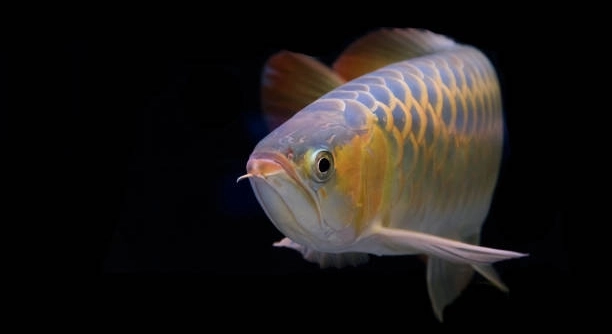
7 Factors That Influence Arowana Growth
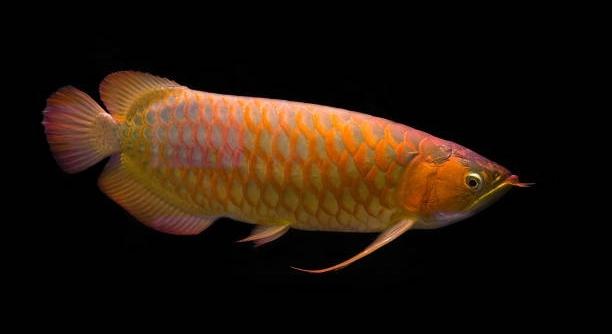
Do you ever notice how quickly some Arowanas grow while others seem to lag behind despite being cared for in similar conditions? Understanding the key influences on their development can make a significant difference in their growth. Arowana growth is primarily affected by seven factors, including water quality, temperature, diet, tank size, genetics, stress levels, … Read more
How Long Does It Take Arowana to Settle In?

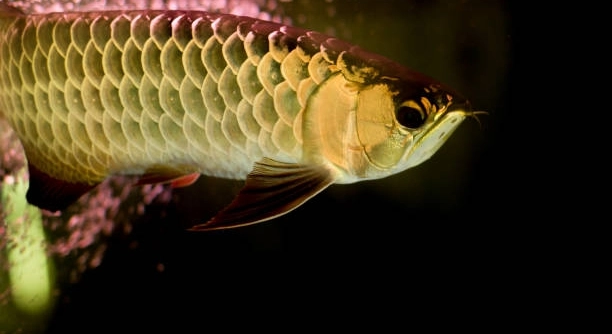
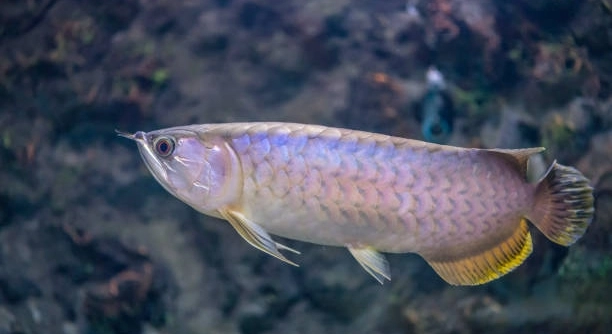
Do you love keeping Arowanas but notice they behave nervously in a new tank? Observing them swim restlessly can be stressful, especially when you are eager to see your fish thrive and adapt to their new home. Arowanas typically take two to four weeks to settle into a new tank. During this period, they adjust … Read more

7 Water Quality Habits You Should Stick To

Clean water is essential for a healthy lifestyle, yet many people overlook small daily habits that can affect its quality. Paying attention to these details ensures safer, better-tasting water for you and your family at home. Maintaining good water quality requires consistent practices such as regular filter changes, proper storage, monitoring for contaminants, and careful … Read more

What Happens When Arowana Feel Crowded?

Do you ever notice your Arowana swimming nervously or hiding more than usual in its tank? Many fish owners may not realize that a crowded environment can make these elegant fish stressed and restless. When Arowana feel crowded, they exhibit stress behaviors such as aggression, rapid swimming, and reduced appetite. Overcrowding impacts their growth and … Read more

What to Do If Your Arowana Is Not Sleeping

Is your arowana struggling to rest at night, swimming endlessly in its tank without signs of sleep? This can be concerning for any fish owner, as proper rest is essential for the health and wellbeing of your pet. Arowanas may fail to sleep due to improper lighting, water quality issues, or stress from tank conditions. … Read more

7 Ways to Improve Arowana’s Night Environment

Are your Arowanas restless or less active during the night? Maintaining a comfortable nighttime environment is essential for their health and overall behavior. Simple adjustments can make a significant difference in their nocturnal comfort and well-being. Improving an Arowana’s night environment involves regulating light exposure, maintaining water temperature, minimizing noise, providing hiding spaces, and monitoring … Read more

How to Deal With Arowana That Stops Responding

Have you ever noticed your arowana swimming less or ignoring its usual cues in the tank? It can be worrying when such a lively fish suddenly seems distant or uninterested in its environment. Arowanas that stop responding are often experiencing stress, illness, or unsuitable tank conditions. Checking water parameters, ensuring proper diet, and monitoring for … Read more

How to Spot Early Signs of Arowana Distress

Have you ever noticed your Arowana swimming differently and wondered if something might be wrong? Observing their behavior closely can help you identify early warning signs before serious problems develop in your tank environment. Early signs of Arowana distress include changes in appetite, unusual swimming patterns, color fading, and frequent surface gasping. Monitoring these indicators … Read more

7 Lighting Setups to Avoid With Arowana

Do you ever notice your arowana swimming nervously under bright aquarium lights or hiding in dark corners for hours? Many owners overlook how lighting affects these graceful fish, impacting their behavior and overall well-being in subtle ways. Some lighting setups are harmful to arowanas, including overly bright lights, flashing LEDs, improperly timed photoperiods, colored lights … Read more

7 Little-Known Triggers of Arowana Anxiety

Are your arowanas showing unusual signs of stress that leave you puzzled? Many aquarists notice subtle changes in behavior but struggle to pinpoint the underlying causes. These little-known triggers can affect their overall well-being. Arowana anxiety can stem from factors such as sudden environmental changes, inappropriate tank lighting, water quality fluctuations, insufficient hiding spaces, excessive … Read more