
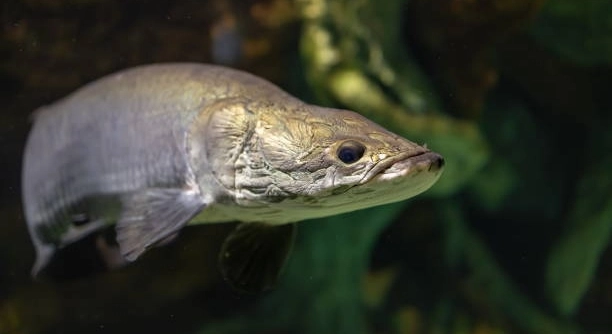
Have you ever noticed your arowana swimming less or ignoring its usual cues in the tank? It can be worrying when such a lively fish suddenly seems distant or uninterested in its environment.
Arowanas that stop responding are often experiencing stress, illness, or unsuitable tank conditions. Checking water parameters, ensuring proper diet, and monitoring for signs of disease are critical steps to restore normal behavior and maintain overall health.
Understanding the reasons behind your arowana’s behavior can make a big difference. Small adjustments in care and environment often lead to noticeable improvements in their activity and wellbeing.
Common Reasons Your Arowana Stops Responding
Arowanas are sensitive fish that react to changes in their environment. Poor water quality is often the first thing to check. High ammonia or nitrite levels, improper pH, or sudden temperature shifts can make them lethargic. Diet also plays a role. Feeding low-quality food or overfeeding can affect their energy. Stress from overcrowding or aggressive tankmates can lead to hiding or refusing interaction. Sometimes, illness is the reason. Parasites, bacterial infections, or injuries may cause unusual behavior. Observing your fish carefully can reveal early warning signs such as clamped fins, unusual swimming patterns, or lack of appetite. Taking quick action, like performing partial water changes or isolating sick fish, helps prevent serious health issues. Maintaining a clean, stable tank and providing a balanced diet encourages activity and responsiveness. Even small improvements in care often lead to a noticeable difference in your arowana’s behavior over time.
Regular water testing and observing behavior daily are key to spotting issues early.
Watching your arowana closely can teach you a lot. Subtle signs, like reduced swimming near the surface or avoiding feeding time, indicate stress or illness. Correcting tank conditions, adjusting diet, and reducing disturbances often restores activity. Consistency in care and patience are essential. Even small adjustments can make your arowana more active and responsive over time.
Adjusting Tank Conditions for Better Response
Water quality is the most important factor affecting your arowana’s behavior.
Maintaining the right water conditions requires attention to temperature, pH, and filtration. Arowanas prefer slightly acidic to neutral pH and stable temperatures around 75–82°F. Strong filtration helps keep ammonia and nitrite levels low. Overcrowding or aggressive tankmates can cause stress, leading to hiding or inactivity. Providing adequate swimming space and hiding spots helps them feel secure. Regular water changes, about 25% weekly, reduce toxins and improve oxygen levels. Monitoring for sudden changes is crucial. Even minor fluctuations in temperature or water chemistry can impact activity. Additionally, ensuring the tank is covered or quiet during noisy periods prevents startling the fish. Using a water testing kit consistently allows you to detect problems before they escalate. Proper lighting and minimal disturbance encourage natural behavior. Observing the fish during feeding and daily activity gives clues about their comfort and health. By keeping these conditions steady, your arowana is more likely to regain responsiveness and thrive in its habitat.
Feeding and Diet Adjustments
Arowanas need a balanced diet to stay active. Poor nutrition can make them lethargic. Offer a mix of high-quality pellets, live or frozen foods, and occasional treats. Avoid overfeeding, as excess food can pollute the water and worsen inactivity.
Providing variety in your arowana’s diet ensures they receive necessary nutrients. Live foods like small fish or shrimp stimulate natural hunting instincts and encourage movement. Frozen or pellet foods supply essential vitamins and minerals. Feeding smaller amounts multiple times a day is better than one large feeding. Overfeeding can cause digestive issues and reduce energy levels. Observing how your arowana reacts to different foods helps identify preferences and any potential digestive problems. Consistent feeding schedules and high-quality food can improve activity and responsiveness over time.
Supplements can also help if deficiencies exist. Adding vitamins or occasional protein-rich foods supports growth and immunity. Tracking appetite and energy levels gives insight into overall health and indicates when further changes are needed. Proper diet is a key factor in restoring normal behavior in a previously inactive arowana.
Monitoring Health and Behavior
Daily observation is essential for detecting problems early. Changes in swimming, appetite, or coloration may indicate illness or stress.
Tracking your arowana’s behavior closely allows you to notice subtle signs of disease or discomfort. Watch for clamped fins, erratic swimming, or reduced interest in food. These signs often appear before more serious symptoms, giving a chance for early intervention. Regular health checks, including visual inspections and gentle handling when necessary, help spot injuries or external parasites. Keeping a journal of behavior changes and water parameters provides a clear picture of patterns over time.
If issues persist, consider consulting an experienced aquarist or veterinarian. Early treatment prevents complications and supports faster recovery. Observing how your arowana interacts with tankmates and responds to environmental changes also helps identify stress sources. Timely action, along with maintaining proper water conditions and nutrition, greatly increases the chances of restoring normal activity. Awareness and careful monitoring are essential tools in keeping your arowana healthy and responsive.
Reducing Stress in the Tank
Minimizing stress is crucial for arowanas to regain normal behavior. Avoid sudden movements near the tank, limit loud noises, and keep aggressive tankmates separated. Consistent routines help the fish feel secure and more willing to interact.
Providing hiding spots and open swimming areas reduces tension. Stress can weaken the immune system, making your arowana more prone to illness. Observing their reactions to changes in the environment helps you adjust conditions quickly. Maintaining a calm and stable tank promotes activity and responsiveness over time.
Water Changes and Maintenance
Regular water changes keep the tank environment stable and reduce harmful substances. Replace about 25% of the water weekly, monitoring temperature and pH closely. Cleaning the substrate and filter improves water clarity and oxygen levels. Maintaining consistency prevents sudden shocks that may cause lethargy. Proper maintenance ensures a healthier, more active arowana, reducing the likelihood of inactivity caused by poor water conditions.
Using Observation Logs
Tracking daily behavior and water parameters helps identify patterns. Small changes can indicate issues early.
FAQ
Why is my arowana not responding to feeding?
Arowanas may refuse food if water conditions are poor, the temperature is off, or they feel stressed. Illness or parasites can also reduce appetite. Check water parameters, observe for physical signs of disease, and try offering a variety of foods to encourage eating.
Can stress cause my arowana to stop moving?
Yes, stress is a common reason for inactivity. Loud noises, sudden tank changes, aggressive tankmates, or overcrowding can all cause your fish to hide or move less. Reducing stress by stabilizing the environment and providing hiding spaces often restores normal behavior.
How often should I check water parameters?
Daily observation for clarity, odor, and surface behavior is helpful. Weekly testing of pH, ammonia, nitrite, and nitrate levels ensures the water remains safe. Keeping a consistent schedule for water changes and monitoring keeps your arowana active.
Is illness a likely reason for inactivity?
Illness is a common factor in non-responsive arowanas. Signs like clamped fins, discoloration, erratic swimming, or visible sores suggest disease. Early detection and treatment are key. Consult an experienced aquarist or veterinarian if symptoms persist.
Can diet affect responsiveness?
Yes, poor nutrition can lead to lethargy. Arowanas need high-quality pellets, live or frozen foods, and occasional protein-rich treats. Avoid overfeeding, as excess food can pollute the water, stress the fish, and reduce energy levels. Variety and consistency improve activity.
Should I isolate my arowana if it’s inactive?
Isolation can help if your fish is sick or stressed by tankmates. A separate, quiet tank with stable water conditions allows recovery and prevents disease spread. Monitor closely and maintain feeding routines to encourage normal behavior.
Does tank size impact responsiveness?
Tank size matters. Arowanas need ample space to swim and feel secure. Small or overcrowded tanks increase stress and can lead to inactivity. Providing enough room and appropriate tankmates improves comfort and activity levels.
How long does it take for an arowana to recover activity?
Recovery time varies based on the cause. Minor stress or dietary issues can show improvement in a few days. Illness or severe environmental problems may take weeks. Consistent care, proper diet, and stable water conditions speed up recovery.
Can supplements help my arowana regain responsiveness?
Supplements, like vitamins or occasional protein-rich foods, support health and immunity. They can help if deficiencies exist, but they are not a replacement for proper water quality, diet, and stress management. Observing changes in behavior after supplementation shows effectiveness.
What signs indicate improvement?
Increased swimming, curiosity during feeding, and normal interactions with the environment or tankmates are good indicators. Appetite returning and gradual energy increases signal recovery. Tracking daily behavior helps identify progress and informs if further adjustments are needed.
How do I prevent future inactivity?
Maintaining stable water parameters, consistent feeding routines, and a low-stress environment is key. Regular observation, proper tank size, and suitable tankmates help keep your arowana active and healthy. Preventive care reduces the likelihood of future responsiveness issues.
Can temperature changes affect activity?
Yes, arowanas are sensitive to temperature fluctuations. Too cold or too hot water slows metabolism and reduces movement. Keeping water within the optimal range, around 75–82°F, ensures normal activity and responsiveness.
Is it normal for arowanas to have quiet periods?
Occasional resting or minimal movement is normal, especially at night or after feeding. Prolonged inactivity during the day, however, usually indicates stress, illness, or poor tank conditions that need attention.
When should I consult a professional?
If inactivity persists despite proper water conditions, diet adjustments, and stress reduction, consulting an aquarist or veterinarian is recommended. Early intervention can prevent serious health issues and restore your arowana’s activity more effectively.
What role does tank environment play in behavior?
A stable environment with adequate swimming space, hiding spots, and minimal disturbances supports normal behavior. Sudden changes in decoration, lighting, or tankmates can trigger stress, leading to reduced responsiveness. Regular observation ensures adjustments are made before problems escalate.
Can water changes alone restore responsiveness?
Water changes help but are not always enough. They reduce toxins and improve oxygen levels, but diet, stress, tank size, and overall care must also be addressed. Consistent, comprehensive care provides the best results.
How can I encourage natural behavior?
Feeding live or frozen foods, maintaining proper water parameters, and providing room for swimming encourages natural hunting and movement. Observation of patterns and adjusting care based on reactions helps reinforce normal, active behavior.
Do lighting conditions affect activity?
Yes, proper lighting supports arowana circadian rhythms. Too much light can stress them, while insufficient light may reduce activity. A balanced day-night cycle keeps behavior predictable and helps maintain responsiveness.
Is inactivity always a sign of illness?
Not always. Temporary inactivity can be caused by minor stress, temperature shifts, or rest periods. Persistent inactivity, especially with other symptoms, indicates health or environmental issues that need attention.
How important is patience in restoring activity?
Patience is critical. Behavior changes take time, especially after illness or environmental adjustments. Monitoring daily, maintaining consistent care, and making gradual changes ensures the arowana regains normal activity safely and steadily.
Are there specific signs of stress to watch for?
Yes, signs include hiding, clamped fins, erratic swimming, reduced appetite, and rubbing against tank surfaces. Recognizing these early allows quick intervention to reduce stress and prevent further inactivity.
What role does tankmate behavior play?
Aggressive or overly active tankmates can intimidate arowanas, causing hiding or reduced movement. Ensuring compatible companions and observing interactions helps your arowana feel secure and stay active.
Can water filtration impact responsiveness?
Yes, poor filtration leads to toxin buildup, reducing activity. Strong, well-maintained filtration keeps water clean and oxygenated, promoting normal behavior and overall health.
Is there a link between age and responsiveness?
Older arowanas may naturally slow down, but sudden inactivity in any age group often indicates stress, illness, or environmental issues. Monitoring patterns helps distinguish normal aging from concerning behavior.
How do I balance feeding without overfeeding?
Feed small portions multiple times a day rather than one large meal. Remove uneaten food promptly and observe appetite. Proper portioning prevents water quality issues and keeps the arowana active.
Are there environmental enrichment techniques for activity?
Yes, adding plants, driftwood, or floating objects can encourage exploration and hunting behaviors. Enrichment should not overcrowd the tank but provide stimulation to maintain responsiveness.
Can seasonal changes affect behavior?
Seasonal shifts in temperature or daylight can impact activity. Adjusting water temperature gradually and maintaining a consistent light cycle helps reduce stress and keeps behavior stable.
What long-term practices support responsiveness?
Consistent water testing, stable temperature, balanced diet, low-stress environment, and daily observation form the foundation for long-term health. Preventive care ensures your arowana remains active and responsive throughout its life.
How do I know if changes are working?
Gradual improvement in swimming, appetite, and interaction with the environment signals success. Keeping records of daily behavior and water parameters helps evaluate the effectiveness of adjustments.
Are there signs of recovery to celebrate?
Yes, returning curiosity, active swimming, and interest in food are positive signs. Small improvements indicate your arowana is responding to care changes and on the path to regaining full activity.
Can ignoring minor inactivity cause bigger problems?
Yes, what seems minor can indicate underlying issues. Delaying intervention increases risk of disease, stress-related problems, and long-term behavioral changes. Early action is crucial for health and responsiveness.
Do lighting, temperature, diet, and tankmates interact?
Absolutely. All factors work together to influence activity. Poor balance in one area can undermine improvements in others. Comprehensive care addressing every aspect is necessary to restore responsiveness and overall well-being.
How often should I review care routines?
Regularly. Weekly or biweekly checks of water quality, feeding habits, and tank environment ensure problems are caught early. Adjustments based on observations prevent long-term inactivity and support a healthy, responsive arowana.
Is there a standard recovery timeline?
Recovery varies widely depending on the cause. Stress or minor dietary issues may resolve in days, while illness or environmental changes may take weeks. Consistent, attentive care accelerates improvement and helps maintain lasting responsiveness.
Are there common mistakes to avoid?
Overfeeding, sudden water changes, ignoring stress signs, and introducing aggressive tankmates are frequent errors. Maintaining stability, proper diet, and careful observation prevents these pitfalls and encourages normal activity.
Can multiple strategies be combined effectively?
Yes, combining water maintenance, diet adjustments, stress reduction, observation, and enrichment yields the best results. Holistic care addresses multiple factors at once, improving responsiveness faster than single interventions.
What if the arowana refuses all food?
Persistent refusal may indicate serious illness or stress. Isolate the fish, check water quality, and consult a professional if necessary. Gradually reintroduce varied foods once behavior stabilizes.
How does my attitude affect the fish?
Calm and consistent interaction reduces stress. Sudden movements or excessive tapping on the glass can increase fear and inactivity. Patience and careful observation support recovery.
Can water supplements improve responsiveness?
Yes, vitamins or minerals can help if deficiencies exist, but they work best alongside proper diet, stable water, and low-stress conditions. Monitoring behavior after supplementation shows whether adjustments are effective.
What is the most important takeaway for responsiveness?
Consistent care, observation, and addressing all environmental, dietary, and health factors are key. Early detection, patience, and holistic management ensure your arowana returns to active, healthy behavior.
How do I know if I’m overreacting?
Short periods of inactivity or resting are normal. Concern arises when inactivity is persistent, accompanied by appetite loss, erratic swimming, or visible health issues. Observation and records help determine when intervention is needed.
Can minor injuries affect activity?
Yes, even small cuts, scrapes, or fin damage can cause hiding or reduced swimming. Treat injuries promptly and maintain clean water to prevent infection and restore normal activity.
Are there environmental cues that naturally stimulate activity?
Feeding times, mild water movement, and low-level lighting encourage exploration and hunting instincts. Observing how your arowana responds helps fine-tune these cues to maintain activity consistently.
Is it normal for arowanas to react differently at times?
Yes, fluctuations in energy or curiosity are natural, but consistent inactivity, especially paired with physical signs, should be addressed. Awareness of normal patterns versus concerning behavior ensures proper care.
How do I balance patience with action?
Act promptly to fix water, diet, or stress issues, but allow time for recovery. Avoid rapid, repeated changes that can stress the fish further. Observing progress guides timing of interventions.
Can supplements replace proper care?
No. Vitamins and additives support health but cannot substitute for clean water, balanced diet, and low-stress conditions. Holistic care is necessary for responsiveness and long-term well-being.
Is observation more important than routine maintenance?
Both are critical. Routine maintenance keeps the environment safe, while observation identifies early issues. Combining them ensures problems are caught and addressed before they escalate.
How do I prevent inactivity during long-term care?
Consistent feeding, water testing, low-stress environment, adequate space, and compatible tankmates maintain normal behavior. Regular observation and gradual adjustments help prevent inactivity before it becomes a problem.
What should I do if nothing seems to help?
Persistent inactivity despite proper care requires professional advice. A veterinarian or experienced aquarist can diagnose hidden health issues or recommend advanced treatments to restore activity.
Can multiple factors combine to cause inactivity?
Yes, stress, illness, poor water quality, diet, and tank conditions often interact. Addressing all factors together gives the best chance of restoring responsiveness.
Is it normal for arowanas to need time to adapt?
Yes, new tanks, changes in environment, or new tankmates may temporarily reduce activity. Maintaining stability and proper care helps them adjust and regain normal behavior.
How do I track progress effectively?
Use a daily log for feeding, behavior, water parameters, and tank conditions. Comparing entries over time reveals patterns, improvements, and areas needing adjustment.
What signs indicate full recovery?
Regular swimming, curiosity, interest in food, and normal interactions with tankmates indicate restored health and activity. Consistency over several days confirms sustained recovery.
Can ignoring inactivity affect lifespan?
Chronic stress, illness, or poor water conditions left unaddressed can shorten lifespan. Early intervention and proper care improve long-term health and responsiveness.
Are there resources for learning more?
Aquarist forums, reputable fish care websites, and professional advice provide guidance. Continuous learning helps improve care practices and maintain active, healthy arowanas.
Is professional consultation sometimes necessary even for minor issues?
Yes, subtle signs can indicate underlying problems. Expert input can prevent small issues from becoming serious, ensuring prompt recovery and long-term health.
Can tank design affect responsiveness?
Yes, open swimming space, hiding spots, and low-stress layout encourage natural behavior. Poorly designed tanks can increase fear and inactivity.
Are there seasonal care adjustments needed?
Seasonal temperature or daylight changes may require minor adjustments in heating, lighting, and feeding. Maintaining consistency minimizes stress and preserves normal activity.
How do I balance multiple corrective actions?
Address water quality, diet, stress, and environment together. Make gradual changes, monitor effects, and adjust as needed to restore responsiveness without overwhelming the fish.
Can long-term monitoring prevent future inactivity?
Yes, consistent observation, proper maintenance, and attention to diet and stress factors help prevent recurrence. Long-term care ensures your arowana stays healthy and active.
Is there a difference between young and older arowanas in responsiveness?
Younger arowanas are generally more active, while older fish may naturally slow down. Persistent inactivity at any age should still be checked for underlying issues.
How do I know if changes are too sudden?
Rapid water changes, abrupt tank rearrangements, or sudden diet switches can stress arowanas. Gradual adjustments prevent further inactivity and allow safe adaptation.
What are common mistakes in feeding routines?
Overfeeding, inconsistent timing, or low-quality food reduce energy and responsiveness. Small, regular meals of varied, nutritious food maintain activity and support health.
Can enrichment alone restore activity?
Enrichment helps stimulate movement but is not enough if water quality, diet, or stress issues persist. Combined care strategies yield the best results.
Are there signs that the fish is still stressed even if eating?
Yes, hiding, clamped fins, or erratic swimming indicate stress despite appetite. Behavior observation is as important as feeding habits in assessing well-being.
How do I maintain a low-stress tank long-term?
Stable water, proper diet, suitable tankmates, consistent lighting, and minimal disturbances prevent chronic stress. Routine observation helps detect early signs before problems develop.
What is the role of consistency in care?
Consistency in feeding, water maintenance, and environment stabilizes behavior, supports health, and reduces inactivity. Sudden changes can reverse progress.
Can minor behavior changes indicate major problems?
Yes, subtle signs often precede illness or stress. Early attention prevents escalation and improves chances of restoring responsiveness.
Should I make one change at a time?
Gradual, monitored changes help identify effective interventions and reduce stress. Simultaneous changes can confuse the fish and delay recovery.
How do I know if the arowana is comfortable in its environment?
Active swimming, curiosity, normal feeding, and interaction with tankmates indicate comfort. Observing routine behavior patterns confirms environmental suitability.
Can water movement affect activity?
Yes, gentle flow encourages natural swimming. Strong currents may cause stress, while stagnant water reduces oxygen and activity. Proper balance maintains responsiveness.
Are visual barriers helpful for shy fish?
Partial barriers or hiding spots provide security for timid arowanas. Feeling safe encourages exploration, feeding, and normal swimming behavior.
Can inactivity be seasonal or temporary?
Short periods of low activity are normal, but prolonged inactivity during active hours usually signals stress, illness, or environmental problems that need addressing.
What is the single most effective practice for responsiveness?
Maintaining clean, stable water, providing balanced nutrition, reducing stress, and observing daily behavior consistently yields the best results for active, healthy arowanas.
How important is observation compared to interventions?
Observation is critical. Noticing subtle changes early allows timely interventions. Interventions without observation may miss underlying issues and delay recovery.
Can tankmates influence feeding behavior?
Yes, aggressive or competitive tankmates may scare your arowana away from food. Ensure compatible companions and separate feeding areas if needed to maintain appetite and activity.
How do I maintain motivation to monitor daily?
Keeping simple logs, checking water parameters, and observing behavior during routine care builds a sustainable habit. Consistency ensures early detection of issues.
Is it normal for arowanas to ignore humans sometimes?
Yes, occasional disinterest is normal. Persistent refusal to interact or eat usually points to stress, illness, or environmental factors that need attention.
Can I rely on visual cues alone?
Visual observation is important, but testing water quality, checking diet, and monitoring behavior together gives a complete picture of health and responsiveness.
Do seasonal diets affect activity?
Adjusting food type or quantity for seasonal metabolism changes helps maintain energy levels. Overfeeding or underfeeding can impact responsiveness and health.
Are supplements necessary for all arowanas?
Not always. Healthy fish on a balanced diet in stable conditions may not need additional supplements. Use them when deficiencies are suspected or recovery is needed.
How do I handle persistent inactivity without overreacting?
Monitor water, diet, and stress factors, make gradual adjustments, and track behavior. Seek professional advice if inactivity continues. Patience combined with careful intervention prevents unnecessary stress.
Can tank rearrangements cause temporary inactivity?
Yes, sudden changes in decorations or layout can make arowanas cautious or hide. Gradual rearrangements reduce stress and help maintain normal behavior.
Is inactivity ever normal for short periods?
Short rest periods are normal, particularly after feeding or during night hours. Extended inactivity during daytime signals environmental or health issues requiring attention.
What role does oxygen play in activity?
Low oxygen reduces energy and swimming activity. Proper aeration and water circulation keep your arowana active and responsive.
Can multiple minor issues add up?
Yes, small stressors, poor water, diet inconsistencies, and tankmate interactions can combine to cause inactivity. Addressing all factors improves responsiveness.
**How can I tell if behavior changes are
Dealing with an arowana that stops responding can feel stressful at first, but understanding the main factors affecting its behavior makes the process easier. Water quality, diet, and stress are usually the biggest contributors to inactivity. Maintaining clean, stable water is essential, as fluctuations in temperature, pH, or ammonia levels can quickly affect your fish’s energy. Regular water changes and proper filtration keep toxins low and oxygen levels high, helping your arowana feel comfortable and safe in its environment. Observing how your fish reacts to changes in water, feeding, or tank setup allows you to identify problems early, which can prevent more serious health issues from developing. Paying attention to small signs, such as hiding, clamped fins, or reduced interest in food, gives you valuable information about its well-being and helps you act quickly to restore normal behavior.
Diet also plays a crucial role in keeping an arowana active and responsive. A balanced approach that includes high-quality pellets, live or frozen foods, and occasional protein-rich treats provides essential nutrients. Overfeeding or giving the wrong type of food can lead to lethargy, digestive issues, and even poor water quality, which further stresses the fish. Feeding smaller amounts several times a day is better than one large meal, as it encourages regular activity and prevents leftover food from polluting the tank. Offering variety in diet not only improves nutrition but also stimulates natural hunting instincts, which can help your arowana regain its energy and responsiveness. Tracking how it reacts to different foods and feeding schedules provides insight into its preferences and overall health. Over time, consistent, balanced feeding practices make a noticeable difference in activity levels and general behavior.
Stress reduction is another key factor in promoting a healthy and active arowana. Loud noises, sudden movements, aggressive tankmates, and overcrowding can all contribute to inactivity. Creating a calm and stable tank environment, with adequate swimming space and hiding spots, encourages natural movement and reduces anxiety. Gradual adjustments to the tank layout, feeding routines, and lighting also help the fish adapt without unnecessary stress. Regular observation and keeping a simple log of water conditions, behavior, and feeding patterns allow you to spot early warning signs and respond quickly. Patience and consistency are essential, as improvements in behavior can take time. By addressing water quality, diet, and stress together, you create the conditions your arowana needs to regain responsiveness and thrive. Over time, these steady, careful efforts help restore normal activity, improve overall health, and ensure your fish remains active and healthy for years to come.

Hello,
If you enjoy the content that we create, please consider saying a "Thank You!" by leaving a tip.
Every little bit helps us continue crafting quality advice that supports the health, happiness, and well-being of pets around the world, for pets of all shapes, sizes, and species.
We really appreciate the kindness and support that you show us!