
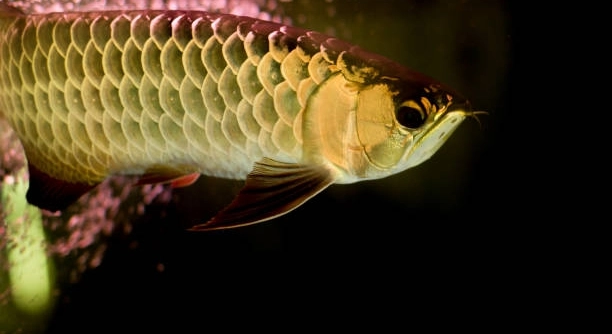
Do you love keeping Arowanas but notice they behave nervously in a new tank? Observing them swim restlessly can be stressful, especially when you are eager to see your fish thrive and adapt to their new home.
Arowanas typically take two to four weeks to settle into a new tank. During this period, they adjust to water conditions, recognize their environment, and establish feeding and swimming routines, which are essential for their long-term health.
Watching your Arowana gradually feel at ease is rewarding, and understanding their settling process can improve care and ensure a healthy, happy fish.
Preparing Your Tank Before Bringing an Arowana Home
Setting up the tank properly before introducing an Arowana is essential for a smooth transition. The tank should be spacious, as adult Arowanas can grow quite large, requiring ample swimming space. Filtration is critical; a strong filter keeps water clean and reduces stress. Temperature and pH levels must be stable, ideally between 75–82°F and pH 6.5–7.5. Adding hiding spots like driftwood or large rocks helps the fish feel secure. Lighting should mimic natural daylight cycles to encourage normal behavior. Cycling the tank fully before adding the fish ensures that ammonia and nitrite levels are safe. Regularly testing water parameters allows for quick corrections if needed. Proper preparation reduces the time your Arowana spends adjusting and promotes healthier feeding and swimming patterns. This initial effort creates a stable environment that supports long-term well-being.
A properly prepared tank allows your Arowana to feel safe and adjust more quickly. Stress is minimized from the start.
Having everything in place, from filtration to decorations, ensures the Arowana’s environment supports both comfort and growth. Watching them explore confidently is rewarding.
Feeding and Settling In
During the first few weeks, your Arowana may eat less than usual. Consistent feeding times help establish routine and reassure the fish. Small portions of high-quality pellets or live food encourage eating without overfeeding. Avoid sudden diet changes, which can increase stress.
Gradually, the fish will adapt and feed regularly, building strength and immunity.
Monitoring feeding habits also indicates how well your Arowana is settling. Some may explore the tank before fully accepting food, and patience is key. Adjusting water conditions or placement of food can help encourage proper feeding. Over time, the fish learns the layout of the tank and becomes more confident. Understanding these behaviors allows you to respond appropriately, ensuring the fish remains healthy while settling in. Consistency, observation, and small adjustments during this period make a significant difference in reducing stress and promoting natural activity. By maintaining these routines, you support both the physical and mental well-being of your Arowana as it grows comfortable in its new home.
Monitoring Behavior and Stress
Arowanas may show signs of stress by hiding, erratic swimming, or refusing food. Watching these behaviors closely helps you identify discomfort early and make necessary adjustments to water conditions or tank layout.
Stress can delay settling in and affect overall health. Ensuring stable water temperature, proper filtration, and minimal sudden disturbances reduces anxiety. Some Arowanas take longer to explore the tank fully, so patience is essential. Observing body language, such as clamped fins or rapid gill movement, can indicate stress levels. Small changes, like adjusting lighting or providing more cover, often help the fish feel secure and regain normal behavior patterns.
Consistency in tank maintenance and feeding encourages the Arowana to settle faster. Gradual interactions, like feeding at the same spot and time, help build routine. Over time, the fish becomes more confident, explores its environment, and establishes predictable swimming and feeding habits, signaling a successful adjustment period.
Water Quality and Maintenance
Maintaining high water quality is crucial for Arowanas to settle quickly and remain healthy. Regular water testing ensures ammonia, nitrite, and nitrate levels stay safe.
Performing partial water changes weekly removes waste and prevents toxic buildup. A strong filtration system keeps water clear and oxygenated, reducing stress. Avoid sudden temperature or pH shifts, as Arowanas are sensitive to changes. Monitoring these factors consistently allows for early detection of problems and quick intervention. Using dechlorinated water and keeping substrate clean also supports stability. Maintaining a predictable environment encourages natural behavior and promotes faster adaptation to the tank.
Tank Decorations and Space
Providing enough swimming space is essential for Arowanas to feel comfortable. Large tanks with open areas allow natural movement, while decorations like driftwood or rocks offer hiding spots.
Avoid overcrowding the tank, as too many decorations can create stress. A balanced layout encourages exploration and reduces territorial behavior.
Lighting and Day-Night Cycle
Consistent lighting helps Arowanas regulate their activity. Using a timer for day-night cycles supports natural behavior patterns and reduces stress.
Moderate lighting prevents overexposure and allows the fish to feel secure. Bright or fluctuating lights can make them hide or become nervous.
Observing Health Indicators
Watching for clear eyes, smooth scales, and active swimming shows that your Arowana is settling in well. Health reflects adaptation to the tank environment.
Monitoring behavior, appetite, and physical condition regularly allows early detection of potential issues, ensuring prompt care and a safe environment for your fish.
FAQ
How long does it take for an Arowana to fully adjust to a new tank?
Most Arowanas take about two to four weeks to settle in. During this period, they adjust to water conditions, explore their environment, and establish regular feeding and swimming routines. Patience is essential, as some fish may take longer depending on size, age, and temperament.
Why is my Arowana hiding all the time?
Hiding is a normal behavior for Arowanas during the first few weeks. It indicates they are feeling cautious and assessing their surroundings. Ensuring adequate hiding spots and minimizing sudden disturbances can help the fish feel secure and reduce prolonged stress.
What should I feed my Arowana while it is settling in?
Offer small portions of high-quality pellets or live food like shrimp or insects. Gradually introducing food helps them accept their diet without overwhelming their digestive system. Avoid sudden changes in diet, as this can increase stress and reduce feeding activity.
How often should I check water quality during the settling period?
Daily or every other day is recommended. Testing for ammonia, nitrite, nitrate, and pH ensures the environment remains safe. Regular monitoring allows you to correct any imbalance before it affects your Arowana’s health or slows the adjustment process.
Can Arowanas be stressed by lighting or tank placement?
Yes. Bright, fluctuating lights or placing the tank in high-traffic areas can make Arowanas anxious. Using a consistent day-night cycle with moderate lighting and positioning the tank in a quieter spot encourages natural behavior and helps them settle faster.
Is it normal if my Arowana refuses food at first?
Yes, some Arowanas may eat less or refuse food initially. This is often due to stress or unfamiliarity with the environment. Offering small portions consistently and maintaining a stable environment usually encourages regular feeding within a few days to weeks.
How do I know if my Arowana is stressed?
Signs include hiding, clamped fins, rapid gill movement, or erratic swimming. Observing these behaviors allows you to make adjustments, such as improving water quality, adding hiding spots, or reducing sudden disturbances, to help the fish feel more comfortable.
Should I rearrange the tank decorations to help my Arowana settle?
Minimal adjustments can help, but avoid frequent changes. Rearranging the tank too often can cause confusion and stress. A stable layout with a few hiding spots and open swimming areas promotes confidence and natural exploration.
How can I encourage my Arowana to explore the tank?
Consistency in feeding and tank maintenance encourages exploration. Placing food in different areas gradually helps them learn the layout. Gentle observation and maintaining a calm environment support confident swimming and reduce hiding behavior.
When should I be concerned about my Arowana’s adaptation?
If stress behaviors persist beyond a month or your fish refuses food consistently, it may indicate water quality issues, illness, or improper tank setup. Immediate evaluation and correction of environmental factors are essential to support the Arowana’s health and well-being.
Are temperature fluctuations a problem during settling?
Yes, Arowanas are sensitive to temperature changes. Maintaining a stable temperature between 75–82°F prevents stress and supports digestion and immune function. Using a reliable heater and thermometer helps create a consistent environment.
Can tank mates affect how quickly an Arowana settles?
Yes, aggressive or overly active tank mates can stress a new Arowana. Ensuring compatible species and sufficient space helps reduce conflict, allowing the Arowana to establish territory and adjust comfortably.
How important is water circulation for a settling Arowana?
Proper water circulation ensures oxygenation and waste removal, which supports health and reduces stress. Strong but gentle flow is ideal, as excessively strong currents can overwhelm or tire the fish.
Should I handle my Arowana during the settling period?
Handling is not recommended. Physical interaction can cause stress and disrupt the adaptation process. Observing behavior from outside the tank is sufficient to monitor health and adjustment progress.
What role does tank size play in settling time?
Arowanas need spacious tanks to swim freely. Smaller tanks limit movement and increase stress, while a large, well-decorated tank supports natural behavior and reduces aggression. Proper space directly impacts how quickly your fish adapts.
How long before my Arowana shows normal behavior?
Most Arowanas exhibit normal swimming, feeding, and interaction within two to four weeks. Consistent care, stable water quality, and minimal disturbances accelerate the process, while sudden changes can prolong stress and delay settling.
Can water changes affect adaptation?
Yes, but they are necessary. Performing partial water changes carefully prevents sudden shifts in temperature or chemistry. Gradual, consistent changes maintain stability and encourage faster adaptation.
Are Arowanas more active at certain times of the day?
Arowanas follow natural day-night cycles. Moderate, consistent lighting supports normal activity, with more exploration and feeding typically occurring during daylight hours. Maintaining a predictable schedule helps the fish feel secure.
What if my Arowana bumps into the tank walls?
This can happen during early adjustment. Ensure the tank has enough swimming space and smooth surfaces. Frequent collisions may indicate stress or poor spatial awareness, which usually improves as the fish becomes familiar with the tank.
How do I know if my water filter is sufficient?
Clear water, stable parameters, and low waste buildup indicate proper filtration. A reliable filter supports oxygenation, reduces toxins, and promotes a comfortable environment for your Arowana to settle efficiently.
Can seasonal changes affect settling?
Yes, temperature fluctuations due to seasonal shifts can impact comfort. Monitoring water temperature and adjusting heating or cooling ensures stability, helping your Arowana maintain normal behavior throughout the year.
What is the best way to track settling progress?
Keep a log of feeding patterns, swimming behavior, and water parameters. Recording observations helps identify improvements or issues early, allowing adjustments to support your Arowana’s health and adaptation.
How long does stress affect an Arowana after moving it?
Stress can persist for several days to weeks. Minimizing handling, maintaining stable water conditions, and providing hiding spots shorten the adjustment period and reduce potential health risks.
Can I use supplements or additives to help settling?
Some mild, water-safe supplements may support health, but they are not a replacement for stable water and proper care. Focus on consistent conditions, high-quality food, and minimal stress to promote natural adjustment.
Is monitoring behavior more important than water tests?
Both are essential. Water tests ensure a safe environment, while observing behavior reveals how the fish is adapting. Combining these approaches ensures timely responses to stress or environmental issues.
How does age affect settling time?
Younger Arowanas may adapt more quickly due to higher resilience, while older fish may take longer to adjust. Understanding your fish’s age helps set realistic expectations for feeding and behavior patterns during the transition.
Can sudden loud noises affect settling?
Yes, loud noises can startle Arowanas, causing hiding or erratic swimming. Positioning the tank in a quieter area and minimizing abrupt disturbances supports calm behavior and faster adaptation.
What is the most important factor for successful settling?
Stable water conditions, consistent feeding, proper tank size, and minimal disturbances are the key factors. Together, they create an environment that encourages confidence, exploration, and healthy behavior, ensuring your Arowana thrives.
How can I tell when my Arowana is fully settled?
Signs include regular feeding, confident swimming, minimal hiding, and calm interaction with the environment. Once these behaviors are consistent, you can consider the fish fully adjusted and comfortable in its new tank.
Should I introduce tank mates immediately?
No, allow the Arowana to settle first. Introducing other fish too soon can cause stress and disrupt adaptation. Once the fish is confident and eating regularly, you can gradually consider compatible tank mates.
Are there behavioral differences between species?
Yes, different Arowana species may vary in temperament and activity levels. Understanding species-specific behaviors helps tailor care and expectations for a smoother settling process.
How often should I observe my Arowana during settling?
Daily observation is ideal, focusing on swimming, feeding, and stress indicators. Consistent monitoring ensures any issues are addressed promptly and helps track adaptation progress effectively.
Can water hardness affect settling?
Yes, extreme hardness or softness can stress Arowanas. Maintaining moderate water hardness within species-appropriate ranges supports comfort, feeding, and overall health during the adaptation period.
Is it normal for an Arowana to be aggressive while settling?
Some territorial behavior is natural, especially in smaller tanks. Providing sufficient space and hiding spots reduces aggression and helps the fish feel secure while adjusting.
Do decorations impact feeding behavior?
Yes, proper placement of hiding spots and open swimming areas can encourage confident feeding. Avoid blocking access to food or creating overly cluttered spaces that make the fish hesitant.
Can settling issues cause long-term health problems?
Prolonged stress from poor water quality, inadequate space, or constant disturbances can weaken the immune system and affect growth. Addressing environmental factors early ensures long-term health and reduces risk of disease.
How long should I wait before performing major tank changes?
Wait at least a month after introducing a new Arowana. Major changes, like rearranging decorations or adding new equipment, can cause stress and disrupt established routines, slowing the adaptation process.
What is the best routine to help settling?
Maintain consistent feeding times, regular partial water changes, and stable lighting. Minimize disturbances and observe behavior daily. Gradual adjustments and predictable care create an environment where your Arowana feels secure and adapts efficiently.
Can temperature drops at night affect adaptation?
Slight nightly drops are normal, but extreme fluctuations can stress the fish. Using a reliable heater and monitoring temperature ensures stability, supporting comfortable settling and healthy behavior.
Are there signs that my Arowana is ready for interaction?
Once the fish consistently eats, swims confidently, and explores the tank without hiding, it shows comfort with its environment. At this stage, observation from outside the tank is safe and stress-free for both you and the fish.
How do I prevent future settling problems?
Consistent care, stable water quality, adequate space, and a calm environment are key. Learning from the initial settling period helps you create conditions that reduce stress whenever changes occur in the future.
How do I know if the Arowana likes its tank layout?
An Arowana that explores open areas, uses hiding spots appropriately, and swims confidently indicates comfort. If it consistently hides or avoids sections of the tank, adjustments may be needed to improve security and accessibility.
What is the ideal feeding schedule during settling?
Two to three small meals daily are recommended. Regular timing reinforces routine, encourages eating, and helps monitor appetite. Avoid overfeeding, as this can stress the digestive system and affect water quality.
How long before I can add more fish?
Wait until the Arowana shows stable behavior, consistent feeding, and confidence in the tank, usually after four weeks. Introducing new fish too soon can trigger stress and territorial conflicts.
Are there supplements that help with adaptation stress?
Some mild, water-safe supplements can support immunity, but they are not substitutes for stable conditions, proper feeding, and minimal stress. Prioritize environmental factors for effective adaptation.
How important is tank location during settling?
Very important. Quiet, low-traffic areas reduce disturbances. Avoid placing the tank near windows with direct sunlight, loud appliances, or frequent activity that may startle the fish and slow adaptation.
Can sudden water changes reverse progress?
Yes, abrupt changes in temperature or chemistry can stress the fish, even after initial settling. Gradual, partial water changes maintain stability and preserve established routines.
How do I tell if my Arowana is confident?
Confident fish swim openly, accept food readily, explore the tank, and show minimal hiding. Regular observation over several days confirms consistency in these behaviors, indicating successful adaptation.
Do stress behaviors vary between individuals?
Yes, personality and past experiences affect how quickly an Arowana settles. Some may explore immediately, while others remain cautious for weeks. Tailoring care to each fish’s temperament ensures a smoother adjustment process.
Is tank cover necessary during settling?
A secure cover prevents jumping and reduces sudden external stimuli. While not directly affecting stress, it ensures safety and creates a sense of security for the fish.
How long does it take before behavior normalizes fully?
For most Arowanas, regular swimming, feeding, and exploration are seen within two to four weeks. Maintaining stable conditions and consistent care ensures that these behaviors become permanent.
Can human presence affect settling?
Yes, frequent sudden movements or tapping on the glass can stress the fish. Calm, minimal observation helps the Arowana feel secure while adapting.
Should I monitor multiple factors at once?
Yes, water quality, behavior, feeding, and tank conditions all interact. Observing these together provides a complete picture of how your Arowana is adjusting, allowing timely interventions when needed.
Is it normal for some Arowanas to take longer than others?
Yes, individual differences in temperament, age, and previous experience affect settling time. Patience and consistent care are key to supporting each fish appropriately.
Can minor tank rearrangements help after initial settling?
Occasional small adjustments can encourage exploration, but frequent or large changes can cause stress. Keep modifications gradual and monitor how the fish reacts.
Are stress behaviors reversible?
Yes, most stress behaviors subside once the environment is stable, food is consistent, and disturbances are minimized. Early intervention ensures quick recovery and supports overall health.
How can I make future moves easier?
Gradually acclimate fish to new water, maintain stable conditions, and provide familiar hiding spots. Learning from the first settling period helps reduce stress in future tank changes.
What is the biggest mistake during settling?
Frequent handling, sudden water changes, and inconsistent care can prolong stress. Focusing on stability, routine, and observation ensures a smoother adaptation period.
Can overfeeding affect adaptation?
Yes, excessive food can pollute water, increase stress, and reduce appetite. Small, consistent meals support health and help the fish settle comfortably.
How long before I can see natural activity?
Most Arowanas show normal swimming, feeding, and interaction within two to four weeks. Patience and consistent care accelerate the process.
Does tank shape matter for settling?
Yes, long tanks with open swimming areas are ideal. Narrow or small tanks restrict movement, increase stress, and slow adjustment.
Should I use water conditioners during settling?
Yes, dechlorinators and mild conditioners help maintain safe water chemistry. They reduce potential irritants, making the environment more comfortable for the fish.
Can seasonal lighting changes affect adaptation?
Yes, inconsistent lighting can stress the fish. Using timers ensures stable day-night cycles, supporting natural behavior and faster settling.
What if my Arowana refuses food for more than a week?
Extended refusal may indicate stress, illness, or poor water conditions. Checking water parameters, observing behavior, and consulting a specialist if needed ensures timely intervention.
Is it normal for Arowanas to be shy initially?
Yes, shyness is common during the first weeks. Gradual acclimation, hiding spots, and consistent feeding encourage confidence and reduce prolonged hiding.
How do I balance hiding spots and open swimming areas?
Provide enough cover without overcrowding the tank. Open areas allow free swimming, while hiding spots offer security. Proper balance supports exploration and reduces stress.
Are Arowanas sensitive to vibrations?
Yes, sudden vibrations from nearby activities can startle them. Placing the tank on a stable surface in a low-traffic area helps reduce stress.
Should I track water parameters daily?
Daily checks during the first few weeks ensure stability and allow prompt corrections. Maintaining optimal conditions is critical for successful settling.
Can settling stress affect long-term health?
Prolonged stress can weaken the immune system and impact growth. Early attention to environment, feeding, and behavior helps prevent lasting issues.
Do all Arowanas settle at the same pace?
No, individual differences in temperament, age, and experience influence adjustment speed. Patience and consistent care are essential.
Is it normal for Arowanas to bump into decorations at first?
Yes, unfamiliarity with the environment can cause minor collisions. Over time, they learn the layout and navigate confidently.
How long should I maintain observation routines?
Daily observation is most important for the first month. Afterward, regular checks are sufficient to ensure ongoing health and stability.
What is the best way to reduce stress during settling?
Stable water, proper tank size, minimal disturbances, consistent feeding, and appropriate hiding spots create a calm environment that encourages faster adaptation.
Can I introduce changes gradually during settling?
Yes, small, gradual adjustments help the fish adapt without causing additional stress. Avoid sudden or frequent changes.
Are there signs that the fish is fully comfortable?
Regular feeding, confident swimming, minimal hiding, and consistent interaction with the environment indicate full adaptation.
How do I know when the Arowana is ready for long-term care routines?
Once behaviors are consistent and the fish actively explores, feeds, and remains calm, long-term care routines can be maintained with confidence.
Is consistent observation more important than occasional water testing?
Both are important. Observation tracks behavior and stress, while water testing ensures a safe, stable environment. Combining both ensures successful adaptation.
What should I do if problems persist beyond a month?
Investigate water quality, diet, tank size, and behavior. Consulting an expert may be necessary to address underlying health or environmental issues effectively.
How do I prevent future stress after the initial settling?
Maintaining stable conditions, gradual adjustments, consistent feeding, and minimal disturbances help reduce stress and ensure continued health and confidence.
Can I use natural plants during settling?
Yes, live plants can provide cover and improve water quality. Ensure they do not overcrowd swimming space or block feeding areas.
How does tank size affect confidence?
Arowanas in larger tanks explore more freely and establish territory easily, leading to faster adaptation and reduced stress.
Are there indicators that the Arowana is thriving?
Active swimming, regular feeding, bright coloration, and minimal hiding show healthy adjustment and overall well-being.
Should I track feeding habits closely?
Yes, consistent feeding patterns indicate comfort and health. Monitoring intake allows quick action if appetite changes or stress occurs.
Can water changes be done without stress?
Yes, gradual, partial water changes prevent sudden environmental shifts, maintaining stability while keeping the tank clean.
How do I support a shy Arowana?
Provide hiding spots, maintain calm surroundings, feed consistently, and minimize disturbances. Over time, the fish gains confidence and explores naturally.
Are all signs of stress reversible?
Yes, with proper care, stable conditions, and patience, most stress behaviors diminish, allowing the Arowana to
Final Thoughts
Caring for an Arowana requires patience and attention, especially during the first few weeks in a new tank. This period is crucial for the fish to adjust to water conditions, explore its surroundings, and develop regular feeding and swimming habits. Each Arowana may respond differently depending on age, size, species, and temperament. Some may quickly adapt, while others take longer to feel comfortable. Understanding these differences helps you set realistic expectations and reduces frustration. Maintaining stable water parameters, providing adequate space, and ensuring a calm environment are the most effective ways to support your fish during this adjustment period. Observing your Arowana closely allows you to identify signs of stress early and respond appropriately, which can make the difference between a smooth transition and prolonged adaptation challenges. By creating a stable environment, you not only encourage natural behavior but also promote long-term health and growth for your fish.
Feeding, tank layout, and lighting also play important roles in helping an Arowana settle. Consistent feeding times with small portions of high-quality food encourage regular eating and help establish a routine. Open swimming areas and well-placed hiding spots provide comfort while allowing the fish to explore safely. Using a consistent day-night lighting schedule reduces stress and helps the fish develop a natural rhythm. Water quality remains critical throughout the settling period, and regular testing for ammonia, nitrites, nitrates, pH, and temperature ensures the environment remains safe. Gradual, partial water changes keep the tank clean without shocking the fish, while proper filtration maintains oxygen levels and removes waste. Paying attention to these factors simultaneously creates a supportive environment that reduces stress, encourages confidence, and accelerates the adaptation process.
Ultimately, patience and consistency are key to helping an Arowana feel at home. Rushing the process or making sudden changes can increase stress, slow adaptation, and even affect long-term health. Regular observation and small adjustments when necessary help the fish gain confidence and display normal behaviors, such as active swimming, regular feeding, and minimal hiding. Each positive response from your Arowana reflects that it is becoming comfortable and secure in its new environment. Over time, these efforts result in a healthy, thriving fish that is confident in its tank. Supporting your Arowana with care, attention, and consistency ensures not only a smoother transition but also a rewarding experience as you watch your fish grow, explore, and interact naturally in its home.

Hello,
If you enjoy the content that we create, please consider saying a "Thank You!" by leaving a tip.
Every little bit helps us continue crafting quality advice that supports the health, happiness, and well-being of pets around the world, for pets of all shapes, sizes, and species.
We really appreciate the kindness and support that you show us!