
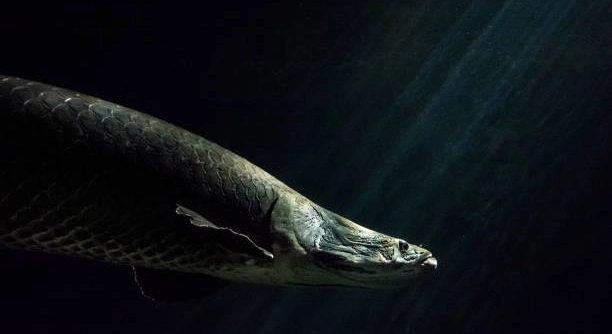
Is your arowana struggling to rest at night, swimming endlessly in its tank without signs of sleep? This can be concerning for any fish owner, as proper rest is essential for the health and wellbeing of your pet.
Arowanas may fail to sleep due to improper lighting, water quality issues, or stress from tank conditions. Adjusting light cycles, ensuring clean water, and reducing disturbances are essential steps to encourage healthy sleep patterns for these fish.
Maintaining a calm, stable environment will support your arowana’s natural rhythms and overall health in its aquatic home.
Understanding Your Arowana’s Sleep Patterns
Arowanas are naturally active fish, but they do have periods of rest, often during the night when the tank is dimly lit. Observing your fish over several days can help identify its normal behavior. Sudden changes, such as constant swimming or erratic movements, may indicate stress or environmental issues. Lighting plays a crucial role; too much light at night can prevent your arowana from settling down. Water quality is equally important, as poor conditions can cause discomfort and restlessness. Temperature fluctuations may also interfere with sleep, so maintaining a consistent tank climate is key. Additionally, overcrowding or aggressive tank mates can create tension, making your fish uneasy and affecting rest. Ensuring the tank is quiet and calm, with minimal disturbances during nighttime, will encourage natural sleep cycles. Regularly checking these factors and adjusting where needed can significantly improve your arowana’s sleep quality and overall health.
Monitoring patterns closely helps catch issues early and prevent long-term stress in your fish.
By keeping the tank environment stable, you create a supportive space where your arowana can relax and rest naturally without constant interruptions. Proper lighting, water temperature, and minimal disturbances are all small changes that have a noticeable impact on your fish’s behavior and wellbeing. Over time, observing these patterns will make it easier to anticipate and correct any issues that arise.
Adjusting Tank Conditions for Better Rest
Maintaining the right tank conditions is essential for arowanas to sleep well.
Water quality is the foundation of a healthy environment. Regular filtration and partial water changes remove waste, toxins, and excess food that can disturb your fish. Temperature should remain consistent, as sudden drops or rises can cause stress and restless behavior. Proper lighting is also key; dim lights in the evening simulate natural night cycles, signaling to your arowana that it is time to rest. Providing adequate hiding spots or floating plants can give your fish a sense of security, further promoting calm behavior. Noise and vibrations near the tank should be minimized, as these disturbances can prevent sleep. By monitoring and adjusting these conditions, your arowana is more likely to develop regular rest patterns, improving overall health. Consistency is important; small, regular changes can have a greater positive effect than occasional large adjustments.
Understanding and maintaining ideal tank conditions requires attention to detail. Ensuring clean water, steady temperatures, appropriate lighting, and a quiet environment will allow your arowana to rest properly. These measures reduce stress, prevent health issues, and create a calm habitat. Observing your fish’s response to each adjustment provides insight into what works best. Over time, these changes foster a predictable and comfortable environment, supporting healthy sleep patterns. By prioritizing these factors, you help your arowana thrive while ensuring its tank remains a stable, low-stress environment where natural behaviors, including resting, are supported consistently.
Common Stress Factors
Overcrowding in the tank can make your arowana restless. Aggressive tank mates, sudden movements near the aquarium, and loud noises all contribute to stress, preventing proper sleep.
Stress in arowanas often comes from multiple sources. Improper water parameters, such as high ammonia or nitrite levels, make the fish uncomfortable and disrupt its natural rest. Sudden changes in temperature or pH can trigger erratic behavior, causing the fish to swim constantly. Overcrowding forces your arowana to compete for space, while aggressive companions may chase or nip at it, keeping it alert at all times. Even frequent tapping on the glass or vibrations from nearby activities can interrupt sleep cycles. Identifying and minimizing these stressors is crucial for encouraging restful behavior.
Stress also affects immunity and appetite, so managing these factors is essential for long-term health. Creating a calm, stable environment with consistent water quality, proper tank size, and compatible companions allows your arowana to feel secure. Observing daily behavior helps pinpoint triggers, letting you make adjustments before the stress escalates. By reducing disturbances and maintaining routine care, your fish can establish normal sleep patterns and stay healthier overall.
Feeding Habits and Sleep
Overfeeding can lead to restlessness in arowanas. Large meals late in the day may keep them active at night.
Arowanas require a balanced feeding schedule to maintain energy without affecting sleep. Providing food at consistent times each day helps regulate activity levels and ensures the fish is not overly stimulated before nightfall. Excessive food can cause digestive discomfort, prompting constant swimming and restlessness. Feeding smaller portions and removing uneaten food reduces water contamination, which also impacts behavior. Different types of food—live, frozen, or pellets—should be rotated to meet nutritional needs without causing overexcitation. Monitoring how your arowana responds to feeding times allows you to adjust portions and timing, promoting calmer behavior. Proper feeding habits directly influence sleep patterns, overall activity, and long-term health.
Consistency is key for establishing a routine. By feeding at the same time each day and avoiding late-night meals, your arowana can anticipate rest periods and settle into calmer behaviors. Observing the effects of different food types helps you determine the ideal diet for your fish. This careful approach prevents digestive disturbances, reduces stress, and encourages healthy sleep cycles. Implementing a structured feeding schedule complements tank management and environmental adjustments, providing a holistic strategy to support both rest and general wellbeing.
Tank Lighting
Too much light at night can keep your arowana active. Dimming lights in the evening helps signal that it is time to rest.
Using a timer ensures consistent lighting cycles. Sudden changes in brightness can confuse your fish and disrupt natural sleep patterns.
Water Temperature
Arowanas prefer stable water temperatures. Fluctuations can cause stress and prevent proper rest. Maintaining a consistent temperature supports normal behavior and health.
Tank Decorations
Providing hiding spots and plants gives your arowana a sense of security. These additions help it feel safe and reduce stress, encouraging restful behavior.
FAQ
Why is my arowana swimming constantly at night?
Constant swimming is often a sign of stress or discomfort. Poor water quality, incorrect temperature, or strong currents can prevent your fish from resting. Overcrowding or aggressive tank mates may also make your arowana feel unsafe. Adjusting these factors can help it settle and develop a regular sleep pattern.
Can lighting affect my arowana’s sleep?
Yes. Arowanas rely on light cycles to regulate activity. Bright lights during the night can confuse the fish and keep it active. Using a timer for consistent day and night cycles, and dimming lights in the evening, encourages natural rest behavior.
Does diet influence sleep patterns?
Feeding too much or too late in the day can keep your arowana active at night. Large meals may cause digestive discomfort, while stimulating foods like live prey can excite the fish. Smaller, timed portions help maintain calm behavior and proper rest cycles.
What water parameters are ideal for restful behavior?
Stable water temperature, clean water, and balanced pH levels are essential. Fluctuations in temperature or poor filtration can cause stress and prevent sleep. Regular water testing and partial changes keep the tank healthy and your arowana comfortable.
Do tank mates affect sleep?
Yes, aggressive or overly active tank mates can prevent your arowana from resting. Overcrowding also forces constant vigilance. Choosing compatible companions and giving enough space allows the fish to feel secure and establish natural rest periods.
How can I tell if my arowana is stressed?
Signs of stress include constant swimming, hiding excessively, loss of appetite, or erratic movements. Stress affects both sleep and overall health. Monitoring behavior closely helps identify causes so you can make timely adjustments to the environment, feeding, or companions.
Are hiding spots important for sleep?
Providing plants, driftwood, or caves gives your arowana a sense of security. Feeling safe reduces anxiety and encourages restful behavior, especially during nighttime hours. Even partial cover or floating plants can make a significant difference in comfort and sleep quality.
How long should an arowana sleep?
Arowanas don’t have strict sleep schedules like humans but do require regular rest. Nighttime inactivity is normal, though some movement may still occur. Ensuring a calm environment, proper lighting, and stable water conditions supports healthy sleep patterns.
Will overfeeding affect health in the long term?
Yes, consistent overfeeding can lead to obesity, poor water quality, and digestive issues. These problems contribute to stress and restless behavior. Feeding smaller, measured portions at consistent times prevents discomfort and supports both sleep and long-term health.
Is it normal for an arowana to sometimes stay awake longer?
Occasional restlessness can happen due to environmental changes, minor disturbances, or adjustment periods in a new tank. Persistent activity, however, indicates that something in the environment or routine needs attention. Observing patterns over time helps determine whether the behavior is temporary or requires intervention.
How often should I check tank conditions?
Daily observation is ideal for behavior, appetite, and signs of stress. Weekly water testing and regular partial changes maintain a stable environment. Proactive monitoring ensures your arowana remains comfortable, reducing factors that interfere with sleep.
Can temperature changes during the day affect nighttime sleep?
Yes. Rapid or significant shifts in water temperature can stress your arowana, causing it to stay active at night. Using a reliable heater or chiller, depending on your climate, maintains stability and promotes calm behavior.
Do noise and vibrations impact rest?
Loud sounds or consistent vibrations near the tank can disturb your arowana. Keeping the environment quiet, especially during night hours, helps the fish feel safe and encourages regular resting periods.
How quickly can adjustments improve sleep?
Some changes, like dimming lights or removing aggressive tank mates, can show results in a few days. Water quality and dietary adjustments may take longer. Consistent care and observation ensure improvements are maintained over time.
Can stress affect immune health?
Yes, stress reduces immunity, making your arowana more susceptible to illness. Providing a calm, stable environment, consistent feeding, and proper water conditions supports both sleep and overall health.
Is it necessary to consult a veterinarian?
If restless behavior continues despite adjusting environmental factors, consulting a veterinarian with experience in fish health is recommended. Persistent sleep issues may indicate illness or underlying conditions requiring professional care.
Are there signs that my arowana is finally resting well?
Calmer swimming at night, less erratic movement, and more time near hiding spots indicate proper rest. Consistent appetite, vibrant coloration, and normal behavior during the day are also signs that sleep patterns have improved.
How important is routine for sleep?
Routine is crucial. Feeding at the same times, consistent lighting schedules, and minimal disturbances create a predictable environment. Predictability reduces stress, allowing your arowana to establish and maintain regular resting cycles naturally.
Can tank size affect sleep?
Yes, too small a tank limits movement and increases stress, making it harder for your arowana to rest. A larger tank with ample swimming space and hiding areas supports comfort and encourages proper sleep patterns.
Should I adjust feeding type or frequency for better sleep?
Yes, balancing diet with smaller, timed portions prevents overexcitement. Rotating food types between pellets, frozen, and occasional live prey ensures nutrition without stimulating nighttime activity. Observing your fish’s response helps fine-tune the feeding schedule for optimal rest.
Final Thoughts
Ensuring your arowana gets proper rest is essential for its health and overall wellbeing. Sleep allows the fish to recover from daily activity, regulate metabolism, and maintain immune function. Arowanas that are restless or active at night may experience stress, which can affect appetite, growth, and general behavior. Observing your fish’s normal patterns over time is the first step to understanding whether its sleep is disrupted. Noticing subtle changes, such as increased swimming at night, reduced interest in hiding spots, or irregular feeding responses, can help you identify potential issues early. Maintaining a stable environment with consistent water parameters, a quiet space, and minimal disturbances creates a foundation for your arowana to rest properly. Even small adjustments, like dimming lights in the evening or reducing strong water currents, can make a noticeable difference in calming your fish and supporting natural rest cycles.
Feeding habits and tank conditions play a major role in your arowana’s sleep behavior. Overfeeding or offering food too late in the day can keep the fish active at night, as digestion and excitement from new food can prevent it from settling. Choosing the right types of food and establishing a consistent feeding schedule helps regulate activity levels and encourages calm behavior. Tank size and decorations also impact comfort and security. Providing enough swimming space and offering hiding areas, plants, or driftwood allows your arowana to feel safe, which reduces stress and encourages restful periods. Water temperature and quality are equally important, as fluctuations or contaminants can make the fish uneasy. Regular testing, filtration, and partial water changes ensure the tank remains a stable environment, supporting both rest and long-term health.
Stress management is key for maintaining proper sleep patterns. Overcrowding, aggressive tank mates, loud noises, and sudden environmental changes all contribute to anxiety in your arowana. Monitoring behavior daily and making timely adjustments helps prevent prolonged restlessness. Even with all conditions optimized, occasional nighttime activity may occur, but consistent care typically results in calmer nights over time. Observing how your arowana responds to changes in lighting, feeding, water quality, and tank setup provides valuable insight into what works best for your fish. By creating a predictable and stable environment, you support healthy sleep patterns, reduce stress, and enhance overall wellbeing. With careful attention and thoughtful adjustments, your arowana can establish regular rest cycles, ensuring it remains healthy, active, and comfortable in its aquatic home.

Hello,
If you enjoy the content that we create, please consider saying a "Thank You!" by leaving a tip.
Every little bit helps us continue crafting quality advice that supports the health, happiness, and well-being of pets around the world, for pets of all shapes, sizes, and species.
We really appreciate the kindness and support that you show us!