Should You Feed Arowana During Quiet Hours?
Feeding an arowana requires careful attention to its natural habits and environment. Many fish owners wonder about the impact of feeding during quiet hours, as these periods are typically when the fish rests and conserves energy. Feeding arowanas during quiet hours is generally discouraged. Arowanas are diurnal and rely on consistent light cycles to regulate … Read more
7 Setup Tips to Keep Lemon Tetra Thriving

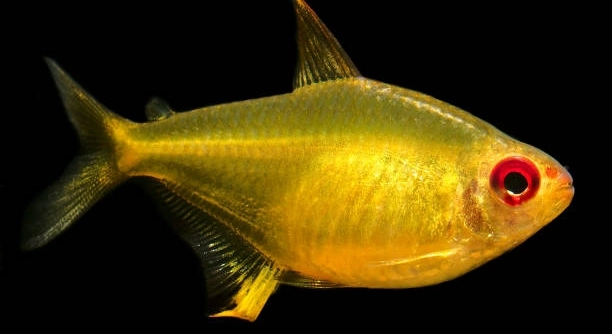
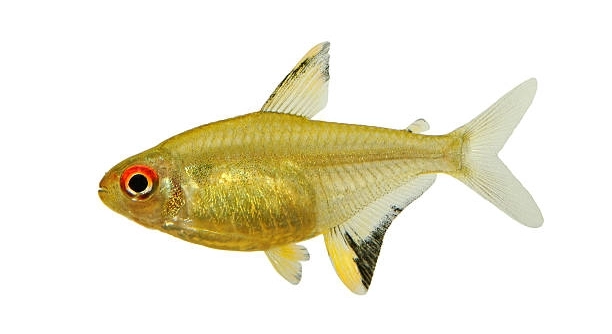
Keeping Lemon Tetras healthy and vibrant requires more than just feeding them regularly. Their delicate nature and preference for stable environments mean that a proper tank setup is crucial for their overall well-being. Ensuring the thriving of Lemon Tetras begins with selecting an appropriate tank size, maintaining stable water parameters, providing adequate filtration, including live … Read more

Do Lemon Tetra Need Special Water Parameters?

Do you enjoy keeping small, colorful fish but find yourself wondering if the water in your tank is truly suitable for them? Lemon Tetras are vibrant and active, but maintaining their ideal environment is key to their well-being. Lemon Tetras require stable water parameters to thrive, including soft, slightly acidic water with temperatures between 74–78°F. … Read more

Can Lemon Tetra Survive in Low-Tech Tanks?

Do you ever find yourself admiring the bright, shimmering colors of lemon tetras while setting up your aquarium? These small, lively fish are popular in home tanks and bring a cheerful touch to any aquatic space. Lemon tetras can survive in low-tech tanks if their basic needs are met, including stable water conditions, gentle filtration, … Read more

7 Ways to Boost Arowana Health Without Medicine

Are your arowanas thriving as you hope, or do you find yourself worrying about their well-being despite regular care? Maintaining their health requires more than just routine feeding and cleaning; small adjustments can make a big difference. Boosting arowana health without medicine involves providing optimal water quality, balanced nutrition, proper tank environment, and consistent care … Read more

Can Lemon Tetra Recognize Their Owner?

Lemon tetras are small, bright fish that bring life to any aquarium. Many fish owners enjoy watching their patterns and behavior, often finding themselves wondering how aware these tiny creatures are of their surroundings. Lemon tetras can recognize their owners to some extent. They respond to familiar movements, feeding routines, and presence near the tank. … Read more

7 Key Differences Between Male and Female Lemon Tetra

Many aquarium enthusiasts enjoy keeping lemon tetras for their vibrant color and peaceful nature. Observing these small fish can be rewarding, but distinguishing males from females is not always easy for beginners. Male and female lemon tetras can be differentiated by body shape, coloration, fin size, and behavior. Males tend to be more slender, brighter … Read more

How to Handle Aggression in Lemon Tetra Groups

Keeping a group of lemon tetras can be rewarding, but their occasional aggression may worry new hobbyists. Even small displays of chasing or nipping can disturb the peaceful environment you want in your tank. Aggression in lemon tetra groups is often caused by overcrowding, lack of hiding spots, or dominance disputes. Addressing tank size, environmental … Read more

Why Do Lemon Tetra Hover in the Corner?

Lemon tetras are small, bright fish that bring life to any aquarium. Watching them swim is calming, yet sometimes they seem to linger in corners, moving slowly and barely interacting with other fish in the tank. Lemon tetras hover in the corner primarily due to stress, illness, or water quality issues. Poor tank conditions, improper … Read more

7 Signs Your Lemon Tetra Are Playing

Are your Lemon Tetras moving around the tank in unusual patterns or seeming extra lively lately? These small, bright fish often display playful behaviors that can be subtle but rewarding to observe. Watching them interact is quite engaging. Lemon Tetras exhibit playfulness through coordinated swimming, chasing each other, and engaging with objects in their environment. … Read more