
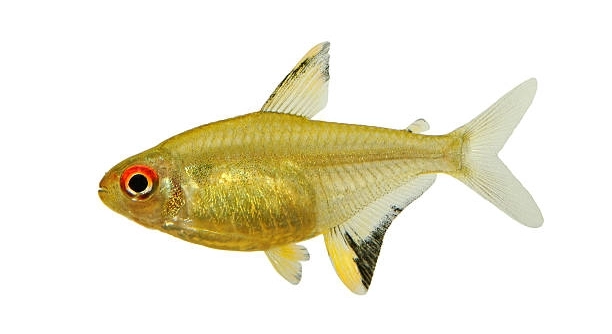
Do you enjoy keeping small, colorful fish but find yourself wondering if the water in your tank is truly suitable for them? Lemon Tetras are vibrant and active, but maintaining their ideal environment is key to their well-being.
Lemon Tetras require stable water parameters to thrive, including soft, slightly acidic water with temperatures between 74–78°F. Consistent monitoring and adjustments ensure their health, reduce stress, and promote natural behaviors, making proper water management essential for successful care.
Maintaining these conditions will help your Lemon Tetras stay healthy and lively, ensuring your aquarium remains a vibrant and harmonious space.
Understanding Lemon Tetra Water Requirements
Lemon Tetras are delicate fish that respond strongly to their water environment. They prefer soft water with low mineral content and a slightly acidic pH, typically between 6.0 and 7.0. Maintaining stable water conditions is essential, as fluctuations in pH or hardness can stress them and reduce their lifespan. Temperature control is equally important, with an ideal range of 74–78°F. Using a reliable heater and thermometer helps ensure consistency. Filtration plays a key role, too, because Lemon Tetras thrive in clean, oxygen-rich water. Regular water changes, about 20–25% weekly, prevent the buildup of harmful compounds and maintain clarity. Adding live plants can help stabilize water chemistry and provide shelter. Observing your fish daily helps detect early signs of stress or illness, allowing prompt intervention. A well-maintained tank not only keeps Lemon Tetras healthy but also highlights their vibrant colors, enhancing the overall appearance of the aquarium.
Monitoring water quality consistently ensures your Lemon Tetras remain active, healthy, and stress-free in their environment.
Careful attention to water parameters prevents many common health problems. Using test kits for pH, ammonia, nitrite, and nitrate is essential. Adjusting hardness gradually and keeping the temperature steady reduces stress. Overfeeding can also affect water quality, so feed sparingly. Introducing plants and hiding spots improves their comfort. Proper water care supports breeding and natural behavior, and prevents disease outbreaks. Observing your fish regularly allows you to notice subtle changes in behavior or coloration that indicate water issues. Maintaining stability in all aspects of water chemistry is the most effective way to ensure longevity. Consistent cleaning routines, including gravel vacuuming and filter maintenance, help remove debris and prevent toxin buildup. A calm, stable environment encourages active swimming and social interaction among Lemon Tetras. Even small improvements in water quality have noticeable benefits, making the aquarium more enjoyable to watch and easier to manage over time.
Common Water Problems and Solutions
Incorrect pH levels can stress Lemon Tetras, causing color fading and reduced activity. Maintaining acidity between 6.0 and 7.0 is crucial for their health.
Softening water gradually and using peat or driftwood can naturally adjust pH. Avoid sudden chemical changes, which can shock the fish and weaken their immune system. Regular testing prevents unnoticed shifts, and adding live plants can help absorb excess minerals. If tap water is too hard, mixing with distilled water can achieve the desired softness. Maintaining a stable temperature alongside pH ensures consistent conditions. Observing fish behavior gives clues about water quality, such as lethargy or clamped fins indicating stress. Avoid overcrowding and excessive feeding, both of which worsen water conditions. Using gentle filtration prevents strong currents that can stress Lemon Tetras while still keeping the water clear. By proactively managing water quality and taking small corrective measures, your aquarium environment can remain suitable, promoting vibrant colors, healthy growth, and natural social behavior. Proper water management reduces the risk of disease and supports overall fish welfare, making the tank more visually appealing and easier to maintain.
Adjusting Hardness and Mineral Content
Lemon Tetras thrive in soft water with low mineral content. Sudden changes in hardness can stress them. Gradually adjusting minerals helps maintain stability and supports their health, coloration, and activity.
Testing water regularly ensures the right balance of calcium and magnesium. If the water is too hard, mixing tap water with distilled or reverse osmosis water lowers mineral content safely. Adding peat or driftwood can also reduce hardness naturally. Maintaining consistency prevents stress-related illnesses and promotes natural behavior. Gradual changes are key, as rapid shifts in mineral content can shock fish. Regular observation of your Lemon Tetras allows you to notice early signs of discomfort or distress caused by improper hardness.
Monitoring mineral levels supports breeding and long-term health. It also helps maintain water clarity and reduces algae growth. Soft water creates a more natural habitat for Lemon Tetras, encouraging active swimming and schooling behavior. Maintaining these parameters consistently requires attention but provides a stable, thriving environment that showcases their bright colors and energetic movement.
Maintaining Proper Temperature
Lemon Tetras prefer a temperature range of 74–78°F. Consistency is essential because sudden fluctuations can stress them and increase disease risk.
Using a reliable heater and thermometer allows precise control. Avoid placing the aquarium near windows or vents that can cause temperature swings. Regularly checking temperature ensures stability, which is crucial for feeding, metabolism, and immune function. Even small shifts can affect their behavior and coloration. Maintaining a consistent temperature enhances activity levels, schooling, and natural interaction among tank mates, supporting overall well-being.
Stable temperatures also improve water chemistry balance. Higher or lower temperatures can affect oxygen levels, pH, and chemical reactions in the tank. Proper heating minimizes stress and supports breeding, digestion, and immune function. Consistency allows plants and beneficial bacteria to thrive, further stabilizing the aquarium ecosystem. By carefully monitoring and maintaining temperature, Lemon Tetras display their best colors and natural behavior, creating a lively and harmonious tank environment for all inhabitants.
Common pH Issues
Lemon Tetras do best in slightly acidic water with a pH between 6.0 and 7.0. Fluctuations outside this range can cause stress and illness. Monitoring pH regularly helps maintain a stable, healthy environment for your fish.
Using natural additives like peat or driftwood can gently lower pH. Avoid chemical shock treatments that cause sudden shifts. Stability is key for feeding, activity, and overall health. Gradual adjustments prevent stress and keep your Lemon Tetras vibrant and active.
Preventing Ammonia and Nitrite Spikes
Ammonia and nitrite are toxic to Lemon Tetras, even in small amounts. Proper cycling and regular water changes prevent dangerous accumulation, keeping fish safe and healthy.
Using Filtration Effectively
A good filtration system removes debris and maintains water quality. Gentle flow is ideal, as Lemon Tetras prefer calm, oxygen-rich water without strong currents.
Benefits of Live Plants
Live plants help stabilize water chemistry, absorb excess nutrients, and provide hiding spaces. They improve water quality and reduce stress for Lemon Tetras, supporting a more natural and balanced aquarium environment.
FAQ
Do Lemon Tetras need soft water?
Yes, Lemon Tetras thrive in soft water with low mineral content. Soft water helps them maintain proper osmoregulation, supports healthy coloration, and encourages natural behavior. Mixing tap water with distilled or reverse osmosis water can help achieve the ideal softness gradually.
What is the ideal pH for Lemon Tetras?
The recommended pH range is 6.0–7.0. Slightly acidic water mimics their natural habitat and reduces stress. Sudden changes outside this range can weaken their immune system, affect feeding, and cause behavioral changes. Using peat, driftwood, or commercial buffers can help maintain stability.
What temperature should I keep for Lemon Tetras?
They prefer 74–78°F. A reliable heater and thermometer are essential for consistent temperatures. Avoid placing the tank near vents or windows that may cause fluctuations. Stable temperatures improve metabolism, activity, and immune function while reducing the risk of disease.
How often should I test water parameters?
Testing should be done at least weekly for pH, hardness, ammonia, nitrite, and nitrate. Frequent monitoring allows early detection of problems before they stress your fish. Keeping a simple log helps track trends and maintain stability over time.
Can I use tap water for Lemon Tetras?
Yes, but it may need treatment. Tap water often contains chlorine, chloramines, or high minerals. Using a water conditioner and checking hardness and pH before adding it to the tank ensures a safe and stable environment. Gradual adjustments prevent shock.
Are live plants necessary?
Live plants are not strictly required, but they provide significant benefits. They help stabilize water chemistry, absorb excess nutrients, reduce nitrates, and provide hiding spaces. Plants also make the tank more natural and reduce stress for the fish.
How do I prevent ammonia and nitrite spikes?
Proper tank cycling before adding Lemon Tetras is essential. Regular water changes, avoiding overfeeding, and using a reliable filter prevent harmful accumulation. Monitoring water parameters allows timely action if spikes occur. Consistency ensures long-term health.
How many Lemon Tetras should I keep together?
They are schooling fish and should be kept in groups of at least six. Small groups can become stressed, shy, or less active. Larger groups encourage natural schooling behavior and make the aquarium more visually appealing.
What is the best filtration system?
A gentle filter that provides biological, chemical, and mechanical filtration works best. Lemon Tetras prefer calm currents, so avoid strong flow filters. Sponge filters or adjustable flow filters are ideal. Regular cleaning ensures consistent water quality.
How often should I change the water?
Weekly water changes of 20–25% help maintain water quality, remove toxins, and prevent algae buildup. Consistency is important to avoid sudden parameter swings. Using preconditioned water matching tank temperature and chemistry ensures minimal stress.
What signs indicate poor water quality?
Signs include faded colors, clamped fins, reduced activity, gasping at the surface, or erratic swimming. Observing behavior daily allows early intervention. Testing water parameters confirms issues, and prompt correction prevents long-term health problems.
Can Lemon Tetras breed in home aquariums?
Yes, but water parameters must be ideal: soft, slightly acidic water and stable temperatures. Providing fine-leaved plants or spawning mops allows them to lay eggs safely. Removing adults after spawning prevents predation. Consistent care is necessary for successful breeding.
How do I adjust hardness safely?
Gradually changing mineral content prevents stress. Mixing distilled or reverse osmosis water with tap water is effective. Natural methods like adding peat or driftwood also help. Avoid rapid changes, as they can shock the fish and cause health issues.
Is tank size important?
A 20-gallon tank or larger is ideal for a small school of Lemon Tetras. Larger tanks provide more stable water parameters and enough space for schooling, reducing stress and encouraging active behavior. Proper space supports long-term health.
What food is best for Lemon Tetras?
A varied diet of high-quality flakes, micro-pellets, and occasional frozen or live foods like brine shrimp or daphnia supports growth and color. Overfeeding can degrade water quality, so small portions two to three times daily are recommended.
Can Lemon Tetras live with other fish?
Yes, but choose peaceful, similarly sized tank mates. Avoid aggressive or large fish that may bully or eat them. Compatible species include small rasboras, tetras, and peaceful bottom dwellers. Proper stocking ensures a harmonious community.
How can I reduce stress in Lemon Tetras?
Maintaining stable water parameters, providing hiding spots, keeping proper group size, and avoiding sudden environmental changes reduce stress. Calm water flow and regular observation help prevent health issues. Stress-free fish are more active and display brighter colors.
Are chemical water treatments safe?
Some treatments, like dechlorinators and buffers, are safe when used correctly. Avoid abrupt pH or hardness alterations. Using products gradually and according to instructions maintains water stability and prevents shock.
How do I handle sudden water parameter changes?
Gradual correction is crucial. Use small, incremental adjustments in pH, hardness, or temperature. Avoid sudden chemical additions or large water changes, as these can shock the fish and lead to illness or death.
What maintenance routine keeps Lemon Tetras healthy?
Weekly water tests, 20–25% water changes, regular filter cleaning, observing fish behavior, and trimming plants create a stable environment. Consistency prevents water issues, reduces stress, and promotes longevity. Gradual adjustments maintain balance and a thriving aquarium ecosystem.
Can Lemon Tetras survive in tap water without treatment?
Not reliably. Tap water may contain chlorine, chloramines, or high minerals. Using a water conditioner and checking hardness and pH ensures the water is safe. Gradual adjustments prevent stress, supporting long-term health and proper behavior.
How do I encourage natural schooling behavior?
Keeping at least six Lemon Tetras together in calm, well-planted water encourages schooling. Stable water parameters and proper tank size allow them to swim freely and interact naturally, improving overall activity and reducing stress.
What are early signs of disease?
Lethargy, faded color, clamped fins, gasping at the surface, or unusual swimming indicate health issues. Early detection and correcting water parameters, maintaining cleanliness, and appropriate feeding prevent disease progression and promote recovery.
Can Lemon Tetras adapt to slightly harder water?
They can tolerate minor hardness, but optimal health and breeding require soft water. Gradual adjustments are necessary to avoid stress. Observing behavior and coloration helps assess their adaptation and overall well-being.
How long do Lemon Tetras live in proper conditions?
With stable water parameters, a balanced diet, and a stress-free environment, Lemon Tetras can live 3–5 years. Consistent care and observation ensure they remain healthy, active, and vibrant throughout their lifespan.
Is lighting important for water quality?
Lighting affects plant growth, which in turn stabilizes water chemistry. Moderate, consistent lighting supports healthy plants without promoting excessive algae. Proper lighting helps maintain a balanced ecosystem and encourages natural fish behavior.
How can I prevent algae growth?
Regular water changes, avoiding overfeeding, controlling light duration, and adding live plants help reduce algae. Stable water parameters and clean filtration also limit nutrient buildup, keeping the aquarium healthy and visually appealing.
What equipment is essential for Lemon Tetras?
A reliable heater, thermometer, gentle filter, water test kits, and appropriate lighting are essential. Live plants, decorations, and hiding spots enhance comfort and reduce stress. Consistent monitoring ensures a stable and thriving environment.
How do I acclimate new Lemon Tetras?
Float the bag in the tank for 15–20 minutes to equalize temperature. Gradually add small amounts of tank water to the bag over 30–60 minutes before releasing the fish. This reduces shock and improves survival.
Are tank decorations necessary?
Decorations provide hiding spots and reduce stress, helping Lemon Tetras feel secure. Plants, rocks, or driftwood create shelter and mimic their natural habitat, promoting activity and schooling behavior.
How do I know if my water conditioner is effective?
Check labels for dechlorination and neutralization of chloramines. Test water after treatment to confirm safety. Observing fish behavior and health over time indicates proper conditioning and water stability.
Can Lemon Tetras tolerate cooler water temporarily?
Short periods of slightly cooler water may be tolerated, but prolonged exposure below 74°F can weaken their immune system and reduce activity. Gradual adjustments and monitoring are necessary to prevent stress.
How do I prevent overfeeding?
Feed small portions two to three times daily. Remove uneaten food after a few minutes. Overfeeding degrades water quality, encourages algae, and increases disease risk. Observing fish behavior helps determine the right feeding amount.
Are Lemon Tetras sensitive to chlorine or chloramines?
Yes, even small amounts are harmful. Using a water conditioner neutralizes these chemicals. Regular testing ensures the water is safe and prevents stress, illness, or death.
Can I use RO water exclusively for Lemon Tetras?
Yes, but it should be remineralized slightly to provide essential calcium and magnesium. Pure RO water is too soft and may stress fish if used without adjustment. Gradual adaptation ensures safe conditions.
How do I handle a sudden disease outbreak?
Isolate affected fish, check water parameters, and treat according to the specific illness. Maintaining proper water quality prevents outbreaks, and early detection increases chances of recovery. Consistency in care reduces recurrence.
What tank mates are unsafe for Lemon Tetras?
Aggressive, large, or predatory fish should be avoided. These can stress or harm Lemon Tetras, reducing activity and compromising health. Choosing peaceful, similar-sized species ensures a harmonious environment.
How do I monitor long-term water stability?
Keep a log of pH, hardness, ammonia, nitrite, nitrate, and temperature. Tracking trends allows proactive adjustments. Observing fish behavior complements testing, ensuring a stable, thriving tank environment.
Are floating plants beneficial?
Yes, they provide shade, reduce light intensity, and improve comfort. Floating plants help control algae growth and create a more natural environment, reducing stress and supporting healthy behavior.
How often should I clean the substrate?
Weekly or biweekly cleaning with a gravel vacuum prevents debris buildup without disturbing beneficial bacteria. Consistent maintenance maintains water quality and reduces risk of ammonia spikes, keeping Lemon Tetras healthy.
Can Lemon Tetras adapt to slightly higher pH long-term?
They may tolerate minor increases, but optimal health and breeding require slightly acidic water. Long-term exposure to higher pH can stress fish, reduce color intensity, and affect behavior. Gradual adjustments and monitoring are necessary.
What is the best way to feed fry?
Feed newly hatched brine shrimp, infusoria, or finely crushed flakes in small portions multiple times daily. Maintain stable water parameters and remove uneaten food to prevent ammonia buildup. Gradual growth allows fry to adapt to regular diet over time.
How do I reduce stress during tank maintenance?
Perform water changes slowly, avoid sudden temperature or chemical changes, and minimize handling. Keeping the tank calm and consistent prevents stress and supports healthy behavior, feeding, and coloration.
Can Lemon Tetras live in community tanks long-term?
Yes, if tank mates are peaceful, the group is large enough, and water parameters remain stable. Proper space, hiding spots, and consistent care ensure a harmonious and healthy environment.
How do I promote natural behavior in Lemon Tetras?
Provide stable water, soft substrate, plants, hiding spots, and proper group size. Observing daily activity helps maintain environmental conditions that encourage swimming, schooling, and feeding naturally.
Are test kits necessary for small tanks?
Yes, even small aquariums require monitoring for pH, hardness, ammonia, nitrite, and nitrate. Regular testing prevents unnoticed parameter shifts that can stress or harm Lemon Tetras, ensuring stable conditions.
What is the impact of overcrowding?
Overcrowding increases stress, reduces oxygen, accelerates waste buildup, and may lead to disease. Adequate space supports natural schooling, reduces aggression, and ensures long-term health and vibrant colors.
How do I balance feeding and water quality?
Feed small portions appropriate for the school size. Remove uneaten food promptly. Regular water changes and proper filtration maintain quality. Consistency supports health, growth, and reduces algae and ammonia spikes.
Are Lemon Tetras sensitive to medications?
Yes, some medications can affect water chemistry and harm delicate species. Always follow dosing instructions, remove activated carbon during treatment, and monitor fish closely for adverse reactions.
Can sudden lighting changes affect water parameters?
Yes, excessive light can increase algae growth, affect plant health, and indirectly alter pH and nutrient levels. Consistent, moderate lighting supports stability, plant growth, and natural fish behavior.
Do Lemon Tetras require aeration?
While not strictly necessary in well-planted, filtered tanks, gentle aeration improves oxygenation, especially in warmer water or larger groups. Proper oxygen levels support metabolism, activity, and overall health.
How can I make my aquarium more natural for Lemon Tetras?
Use soft water, stable temperature, live plants, driftwood, hiding spots, and proper group size. Mimicking natural habitat encourages active behavior, reduces stress, and supports coloration and breeding potential.
Is water temperature more critical than pH?
Both are essential, but temperature fluctuations have immediate impacts on metabolism, immune function, and activity. pH stability is equally important, but minor gradual variations are tolerated better than sudden temperature shifts.
How long should new fish be quarantined?
At least two weeks in a separate tank. Quarantine prevents disease introduction, allows monitoring for illness, and ensures new Lemon Tetras are healthy before joining the main aquarium.
Can Lemon Tetras tolerate small daily temperature fluctuations?
Short, minor fluctuations may be tolerated, but prolonged instability stresses fish, affects metabolism, and increases disease risk. Consistent heating provides the safest, healthiest environment.
How do I safely remove algae?
Manual removal, controlled feeding, regular water changes, and introducing algae-eating species maintain balance. Avoid harsh chemicals that may alter water parameters and stress Lemon Tetras.
Can sudden water changes cause stress?
Yes, large, rapid water changes can shock Lemon Tetras. Gradual 20–25% weekly changes are recommended to maintain stable parameters and reduce risk of illness.
Is substrate choice important for water parameters?
Yes, inert substrates like sand or fine gravel prevent sudden pH changes and provide a natural environment. Avoid reactive substrates that alter hardness or acidity drastically.
How do I maintain consistent tank chemistry?
Regular testing, controlled feeding, proper filtration, gradual adjustments, and monitoring temperature, pH, and hardness ensure stability. Consistency supports health, breeding, and natural behavior.
Can Lemon Tetras survive without filtration?
They may survive temporarily, but long-term health is compromised. Filtration removes toxins, maintains oxygen, and stabilizes water parameters, reducing stress and promoting vibrant colors and active behavior.
How do I acclimate Lemon Tetras from different water conditions?
Gradually mix tank water with transport water over 30–60 minutes. Slowly adjust temperature, pH, and hardness to prevent shock and allow smooth transition to the aquarium environment.
Do decorations affect water parameters?
Certain driftwood or rocks can alter pH or hardness. Choose materials carefully and monitor water regularly. Natural decor can stabilize conditions when selected appropriately.
How do I recognize proper schooling behavior?
Active swimming in groups, synchronized movement, and bright coloration indicate healthy schooling. Deviations, like isolation or lethargy, suggest stress or environmental issues needing attention.
Is it necessary to feed frozen or live foods?
While not mandatory, they enhance diet, color, and overall health. Small portions of brine shrimp, daphnia, or bloodworms supplement flakes and support natural feeding behavior.
What are signs of stress in Lemon Tetras?
Clamped fins, faded colors, erratic swimming, hiding excessively, or loss of appetite indicate stress. Promptly checking water parameters, temperature, and social conditions helps resolve issues.
Can Lemon Tetras adapt to slightly higher temperatures temporarily?
Short-term exposure may be tolerated, but prolonged heat above 78°F stresses metabolism and immune function. Gradual adjustments and careful monitoring are necessary to prevent illness.
How do I reduce nitrate levels?
Regular water changes, live plants, avoiding overfeeding, and proper filtration reduce nitrate accumulation. Maintaining low nitrate levels prevents stress, supports health, and reduces algae growth.
Are Lemon Tetras suitable for beginners?
Yes, with proper attention to water parameters, group size, and diet. Consistent care and monitoring ensure a stable environment, vibrant colors, and active schooling behavior.
How do I prevent disease from new fish?
Quarantine for at least two weeks, monitor behavior, and test water parameters. Introduce healthy, acclimated fish to the main tank gradually to reduce risk of outbreaks.
Can they live with shrimp or snails?
Yes, peaceful invertebrates like small shrimp or snails are compatible. They do not compete aggressively for food and can help maintain cleanliness without disturbing Lemon Tetras.
What is the ideal tank size for a school?
A 20-gallon tank or larger accommodates at least six Lemon Tetras, providing stable water conditions, swimming space, and social interaction, which reduces stress and encourages natural schooling behavior.
Do seasonal temperature changes affect them?
Yes, rapid or prolonged seasonal changes can stress them. Consistent heating and monitoring during seasonal shifts prevent immune suppression and maintain activity levels.
How do I prevent chemical contamination?
Avoid aerosols, cleaning agents, or harsh chemicals near the aquarium. Ensure all water additives are fish-safe. Contamination can harm delicate Lemon Tetras and disrupt water chemistry.
Can I breed Lemon Tetras in community tanks?
It is possible but less reliable. Adults may eat eggs or fry. Providing separate breeding tanks with ideal water parameters and hiding spaces improves success.
Are Lemon Tetras sensitive to water movement?
Yes, strong currents stress them. Gentle filtration is ideal. Calm, oxygen-rich water supports swimming, schooling, and overall well-being.
How do I check for ammonia buildup?
Regular testing with liquid or strip kits detects ammonia levels. Observing fish for gasping, lethargy, or clamped fins can also indicate rising ammonia. Prompt water changes prevent toxicity.
What maintenance prevents long-term water problems?
Consistent water testing, partial changes, filter cleaning, controlled feeding, and monitoring fish behavior ensure stability, reduce stress, and maintain vibrant Lemon Tetras over time.
Do tank covers affect water quality?
Covers reduce evaporation and contamination, maintaining stable temperature and chemistry. Proper ventilation prevents excess humidity and ensures oxygen levels remain sufficient for healthy fish.
How can I enhance their coloration?
Stable water parameters, a varied diet including high-quality flakes and occasional live foods, proper lighting, and low
Lemon Tetras are small, vibrant fish that bring life to any aquarium, but their health and happiness depend heavily on stable water conditions. Maintaining the proper temperature, pH, and water hardness is essential for their well-being. Soft, slightly acidic water in the range of 6.0–7.0 pH and a temperature between 74–78°F provides an environment close to their natural habitat. Regular monitoring with test kits helps detect changes early, preventing stress and illness. Sudden fluctuations in water parameters can have immediate effects, from faded colors and lethargy to reduced appetite and weakened immunity. By keeping these factors consistent, Lemon Tetras are more likely to exhibit natural behavior, school actively, and display their bright yellow hues. A calm and well-maintained aquarium allows them to thrive while also making your tank visually appealing.
Filtration and water changes are critical components of maintaining water quality. A reliable filter removes debris and ensures proper oxygen levels, while regular partial water changes prevent the accumulation of ammonia, nitrite, and nitrate. Even small amounts of waste can affect delicate fish if left unchecked. Using live plants further supports water stability by absorbing excess nutrients and providing hiding spots. These elements together create a balanced environment that reduces stress and promotes overall health. Overfeeding is a common problem that can quickly degrade water quality, so careful portioning is important. Observing your Lemon Tetras daily allows you to spot subtle changes in behavior, such as unusual swimming patterns or clamped fins, which can be early signs of water-related stress or illness. Maintaining consistent care and paying attention to details ensures a thriving, lively group of fish.
The social aspect of Lemon Tetras also plays a role in their overall well-being. They are schooling fish, which means keeping them in groups of at least six is essential for their comfort and activity levels. A well-populated tank encourages natural schooling behavior, reducing stress and creating a dynamic visual display. Combining proper group size with stable water parameters, live plants, and gentle water flow gives them the best chance to flourish. Even small adjustments, like controlling light levels or adding driftwood, can improve comfort and reduce stress. By focusing on water quality, consistent maintenance, and social needs, Lemon Tetras can live full, healthy lives in your care. Attention to these factors not only supports their physical health but also allows you to enjoy their natural behaviors, vibrant colors, and active swimming patterns, making the aquarium a rewarding and lively environment.

Hello,
If you enjoy the content that we create, please consider saying a "Thank You!" by leaving a tip.
Every little bit helps us continue crafting quality advice that supports the health, happiness, and well-being of pets around the world, for pets of all shapes, sizes, and species.
We really appreciate the kindness and support that you show us!