
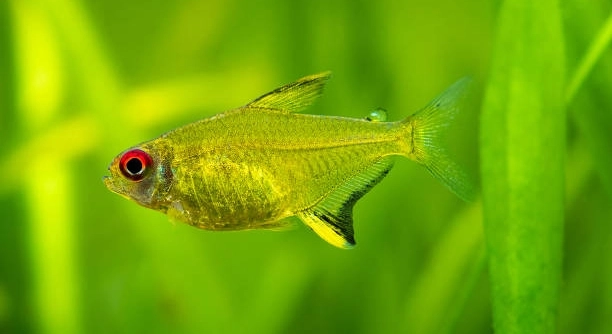
Lemon tetras are small, bright fish that bring life to any aquarium. Many fish owners enjoy watching their patterns and behavior, often finding themselves wondering how aware these tiny creatures are of their surroundings.
Lemon tetras can recognize their owners to some extent. They respond to familiar movements, feeding routines, and presence near the tank. Recognition is based on visual and behavioral cues rather than complex emotional attachment, reflecting learned associations over time.
Observing their reactions can reveal surprising levels of awareness and interaction that are often overlooked in daily aquarium care.
How Lemon Tetras Recognize Movement
Lemon tetras are highly sensitive to movement in their environment. When you approach the tank, they often react to the changes in light or shadow, following your hands or body with their tiny eyes. Over time, they learn the routine of feeding and can differentiate between familiar and unfamiliar movements. This recognition is not based on emotional attachment but rather on learned patterns. They start associating certain actions, like tapping the glass or approaching the tank, with food. Owners often notice that the fish swim closer when these cues are present. Even without food, consistent behavior from the owner can make them swim confidently near the front of the tank. This kind of learning demonstrates that lemon tetras can remember simple sequences and act accordingly. Their small brains are well-equipped to notice repeated actions and respond, creating a predictable interaction between fish and caretaker that feels surprisingly interactive for such tiny creatures.
Observation of these cues is key to understanding their recognition abilities and improving care routines.
Daily interactions with lemon tetras can deepen as you learn which movements trigger responses. Subtle changes, like shifting your position or changing the way you hold a net, are noticed. Fish may become more active or hide depending on your behavior. Recognizing these reactions can help improve feeding schedules and tank maintenance, allowing you to create a more comfortable environment. Consistency and patience are important, as lemon tetras rely on repeated exposure to form associations. Over time, you may notice patterns in their responses, such as swimming to specific areas of the tank when you enter the room. This behavior demonstrates their capacity to observe and react to their surroundings, showing that even small fish can adapt to human presence in meaningful ways. Understanding this interaction encourages more mindful care and strengthens the subtle connection between owner and aquarium inhabitants.
Visual and Routine Cues
Lemon tetras respond strongly to consistent visual patterns in their environment. Even small changes in lighting or placement of objects can influence their reactions.
Regular feeding times and repeated care routines reinforce recognition. Fish begin to anticipate your presence when these routines occur, often swimming near the glass in expectation. Visual cues combined with predictable actions create a reliable pattern for lemon tetras. This learned behavior is essential for understanding how they interact with humans and respond to their environment. Over time, the fish become familiar with specific signals, such as the sound of the lid opening or your hand moving along the tank. Their ability to associate these visual and routine cues with food or attention demonstrates a simple yet effective form of recognition. By maintaining consistent habits, owners can observe more predictable and engaging responses from their tetras, improving overall aquarium experience.
Recognition in lemon tetras highlights the importance of consistency in care. Feeding, cleaning, and even walking by the tank at similar times allow fish to form associations. While they do not form attachments like mammals, their responses show that repetition and visual stimuli are powerful in shaping behavior. Some tetras may swim eagerly toward familiar signals, while others may remain cautious, indicating individual differences. Observing these reactions can help tailor care routines to each fish, enhancing both health and activity levels. By combining visual cues with predictable actions, owners can create an environment where fish feel secure and aware, reducing stress and encouraging natural behaviors. This also allows for a more interactive experience, where responses can be anticipated and observed, reinforcing the subtle bond that forms through routine recognition. Understanding these patterns supports effective tank management and provides insights into the cognitive abilities of these small but perceptive fish.
Feeding Time Recognition
Lemon tetras quickly associate your presence with food. They notice your approach, hand movements, and even the sound of food hitting the water, responding with excitement and anticipation during regular feeding sessions.
Repeated feeding routines strengthen recognition. The fish learn to identify the owner from movements and actions related to mealtime. Over days and weeks, they can distinguish between people who feed them regularly and strangers. Even small gestures, like tilting the food container or opening the lid, trigger responses. This learned behavior shows that lemon tetras rely on consistent cues to recognize patterns and adapt their actions accordingly. Their reactions range from swimming actively near the surface to clustering at the front of the tank.
Observing their behavior during feeding provides insight into their learning capacity. Tetras often remember specific feeding cues, adjusting their swimming and attention to match expected events. Recognizing these responses allows owners to manage feeding more effectively, ensuring all fish receive proper nutrition. Over time, consistent interactions create predictable responses, which are both satisfying to watch and beneficial for their health.
Response to Familiar Faces
Lemon tetras react more confidently when a known person approaches the tank. Their movements become more deliberate, often swimming toward the front or gathering near the area they associate with feeding.
These fish rely on visual recognition and routine exposure to distinguish familiar humans from unfamiliar ones. The more consistent the interactions, the stronger their recognition becomes. Over time, lemon tetras may even follow a familiar person’s movements, anticipating food or attention. This behavior highlights their ability to learn from repeated experiences rather than emotional attachment. Observing these patterns reveals their perceptiveness and adaptability within the tank environment, providing a more interactive and engaging experience for the owner.
Recognizing Voice and Sounds
Lemon tetras can react to subtle sounds and vibrations near the tank. Familiar noises, like your footsteps or tapping on the tank, can prompt them to move or gather in certain areas, showing awareness of repeated auditory cues.
These reactions are stronger when paired with routine feeding or care. Over time, they associate specific sounds with predictable outcomes, like food being available. This learned response reflects their ability to process environmental cues and react accordingly, even if it is not based on emotional attachment.
Interaction Through Glass
Lemon tetras often respond to gestures made outside the tank. Movements like waving or leaning closer can trigger curiosity, causing them to approach or swim actively along the front glass.
They learn to connect these visual cues with positive experiences. Consistent interaction builds recognition patterns, making them more attentive and engaged when you are nearby.
Understanding Their Limitations
Despite recognizing cues, lemon tetras have limited memory span. They respond mainly to repeated and consistent patterns rather than complex recognition of individuals beyond simple routines.
FAQ
Can Lemon Tetras Really Recognize Their Owner?
Yes, lemon tetras can recognize their owner to some extent. They respond to familiar movements, feeding routines, and sounds associated with you. Recognition is based on learned patterns rather than emotional attachment, and repeated exposure strengthens this awareness over time.
How Do They Show Recognition?
Lemon tetras show recognition mainly through movement and behavior. They may swim closer to the front of the tank, follow your hand, or become more active when they notice you approaching. These reactions are tied to anticipation of food or routine interactions.
Do They Recognize Owners by Sight or Smell?
Primarily by sight. Lemon tetras notice movements, shapes, and shadows. Smell is less significant in recognition for these fish, though it can play a role in identifying changes in water conditions or food. Visual cues combined with routine exposure are most effective.
How Long Does It Take for Recognition to Develop?
Recognition develops gradually. With consistent feeding schedules and daily interaction, lemon tetras can start responding within a few days to weeks. The speed depends on the frequency of interaction, the consistency of routines, and individual differences among the fish.
Can They Distinguish Between Different People?
Yes, they can. Lemon tetras learn to associate specific individuals with feeding or care activities. People who rarely interact with the tank or feed the fish are less likely to trigger strong responses compared to regular caretakers. Their recognition is practical rather than emotional.
Do They Remember Their Owner When Away?
Their memory is limited but sufficient to remember regular patterns for short periods. If absent for a few days, they may need a short time to readjust to familiar cues. Long gaps may reduce immediate recognition, but repeated routines restore their responses.
Are Some Lemon Tetras Better at Recognition Than Others?
Yes, individual differences matter. Some tetras are naturally more active or curious and respond more noticeably to familiar cues. Others may be shy or cautious, reacting less strongly. Personality, age, and prior experiences influence how effectively they recognize routines or owners.
Does Tank Size Affect Recognition?
It can. In larger tanks, consistent visual and feeding cues may be less noticeable, making recognition slower. In smaller tanks, fish have more frequent exposure to your movements, allowing quicker responses. Regardless of size, consistent patterns are key for recognition.
Can Recognition Improve With Training?
Yes, repetition and consistency improve recognition. Feeding at the same time, approaching the tank in a similar manner, and maintaining a routine help fish form stronger associations. Positive reinforcement through feeding encourages predictable and observable responses.
Is Recognition a Sign of Affection?
Not in the way mammals show affection. Lemon tetras respond to learned patterns and predictable cues. Their reactions indicate awareness and anticipation, which may feel interactive but are driven by conditioning rather than emotional bonding.
What If They Don’t Respond to Me?
If tetras seem unresponsive, check feeding routines, tank conditions, and water quality. Stress, overcrowding, or illness can affect behavior. Consistency and patience help fish feel safe and eventually react to familiar cues again.
Can Recognition Be Measured or Observed?
Yes, careful observation can reveal patterns. Tracking their swimming behavior when you approach, noting responses to feeding cues, and timing their reactions can indicate how well they recognize you. Keeping a routine enhances predictability and makes recognition easier to study.
Do Other Fish Behave Similarly?
Many small freshwater fish show similar recognition patterns. Species like guppies, neon tetras, and platies also respond to visual and routine cues. Lemon tetras are particularly noticeable due to their activity and visibility near the tank front.
How Can I Encourage Better Recognition?
Maintain consistent feeding schedules, minimize sudden movements, and interact gently near the tank. Repetition of specific cues like tapping the glass softly or using the same feeding technique strengthens learned associations and encourages attentive behavior.
Is Recognition Permanent?
No, it requires reinforcement. Fish may forget cues if routines are inconsistent. Consistent interaction helps maintain recognition, but sudden changes in environment or care may temporarily disrupt their responses.
Can They Recognize Other Objects or Pets?
Yes, they can react to moving objects or other animals near the tank, but responses are usually based on movement or threat detection rather than recognition in the way they recognize a regular caretaker.
Do They Recognize Feeding Tools?
Yes, tools like nets, scoops, or food containers can become cues. Lemon tetras quickly associate these objects with feeding, often responding immediately when they appear. This reinforces their learned recognition of consistent patterns.
How Can Observation Improve My Relationship With Them?
Observing responses helps you understand their habits, preferred routines, and comfort levels. This allows you to manage feeding, cleaning, and interaction more effectively, creating an environment where they feel secure and respond predictably to your presence.
Are There Signs They Are Recognizing You Well?
Signs include swimming near the front of the tank, actively following movements, clustering around feeding areas, and anticipating food. These behaviors indicate that the fish have learned to associate you with predictable outcomes, reflecting effective recognition.
What Limits Recognition in Lemon Tetras?
Their small brains limit memory and complexity of recognition. They respond primarily to repeated visual and routine cues rather than complex understanding of humans. Short-term memory and pattern association define the scope of their recognition capabilities.
Lemon tetras are small fish with surprisingly observant behavior. While they do not form emotional attachments like mammals, they are capable of recognizing familiar patterns and cues. Their recognition mainly comes from repeated interactions, consistent feeding routines, and visual or auditory signals in their environment. Observing how they react to your movements or approach can be fascinating. Over time, many owners notice that these tiny fish respond more actively when they see the person who usually feeds them. This response is not a sign of affection in the human sense but rather a reflection of learning and conditioning. They connect your presence with predictable outcomes, most often food, which is enough for them to demonstrate recognition.
Daily interaction plays a key role in strengthening this recognition. Lemon tetras learn best when routines are consistent. Feeding at the same time, using similar movements near the tank, and keeping the tank environment stable all help the fish remember patterns. Small gestures, such as approaching from a familiar angle or using the same container to feed them, can make a noticeable difference in how they react. Over days and weeks, they begin to associate these actions with positive experiences, often swimming toward the front of the tank or clustering in areas where they expect food. The predictability of your presence creates a sense of security for the fish, even though it is driven by learned associations rather than emotional understanding. Owners who pay attention to these subtle behaviors often find their interactions with lemon tetras more rewarding and easier to anticipate.
Understanding the limitations of their recognition is also important. Lemon tetras have a relatively short memory span compared to larger or more intelligent species. They remember patterns over hours and days but do not retain complex associations for extended periods. Inconsistencies, changes in routine, or stressful conditions can reduce their responsiveness temporarily. Still, repeated exposure to familiar signals quickly restores recognition. This means that even brief absences or variations in care do not permanently affect their ability to recognize you. Observing and respecting these natural behaviors allows for better care and a more enjoyable experience in managing an aquarium. Recognizing that their responses are based on learned cues rather than emotions helps set realistic expectations, while still appreciating the small moments of interaction that make watching lemon tetras so engaging.

Hello,
If you enjoy the content that we create, please consider saying a "Thank You!" by leaving a tip.
Every little bit helps us continue crafting quality advice that supports the health, happiness, and well-being of pets around the world, for pets of all shapes, sizes, and species.
We really appreciate the kindness and support that you show us!