
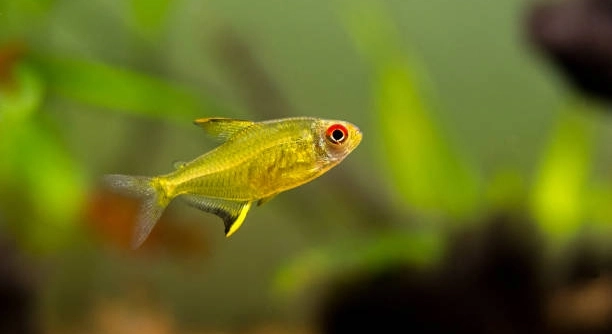
Keeping a group of lemon tetras can be rewarding, but their occasional aggression may worry new hobbyists. Even small displays of chasing or nipping can disturb the peaceful environment you want in your tank.
Aggression in lemon tetra groups is often caused by overcrowding, lack of hiding spots, or dominance disputes. Addressing tank size, environmental enrichment, and group composition can significantly reduce aggressive behavior and promote balanced social interactions among the fish.
Understanding these basic strategies will help you maintain a calmer tank. Proper adjustments can create a more harmonious environment for your lemon tetras to thrive.
Understanding Lemon Tetra Behavior
Lemon tetras are small, lively fish that enjoy swimming in groups. Their social nature can sometimes lead to aggression, especially if the group is too small or the tank is crowded. I’ve noticed that even minor changes, like adding new decorations or moving plants, can temporarily increase chasing and nipping. Providing enough space and hiding spots helps the fish establish their own territories and reduces stress. Observing their behavior closely allows you to identify which individuals are more dominant and which may need extra protection. Feeding routines also play a role; ensuring all fish get enough food can prevent competition-driven aggression. Over time, most tetras will settle into a rhythm, showing less chasing and more peaceful schooling behavior. Tank conditions, such as clean water and stable temperature, also impact their mood. Consistency and careful monitoring are key to maintaining a harmonious group of lemon tetras.
Aggression often decreases when the tank has enough space and hiding spots for each fish.
Maintaining balance in the tank is about more than space. I like to rotate plants, add small caves, and create areas where shy tetras can retreat. This makes the group less tense and gives everyone a chance to feel secure. Changes should be gradual to prevent stress. Observing how the fish respond to these adjustments helps guide further improvements.
Tank Setup Adjustments
Adding more plants or decorations can give lemon tetras places to hide and reduce conflict.
Proper tank setup goes beyond decorations. I make sure the tank is large enough for at least six tetras, as larger groups tend to spread aggression evenly rather than targeting a single fish. I also use tall plants and smooth rocks to create zones where fish can avoid dominant individuals. Lighting is important too; dimmer areas often help nervous tetras feel safer. Clean water and stable temperature keep stress levels low, preventing aggression from worsening. Even small adjustments, like changing the layout slightly every few weeks, can give shy fish confidence while keeping the group dynamic stable. Watching their interactions during feeding and free swimming times helps me notice early signs of tension. A thoughtful tank setup balances the fish’s social needs and environmental comfort, promoting calmer, more predictable behavior over time.
Feeding Practices to Reduce Aggression
Feeding multiple small portions throughout the day prevents competition. Lemon tetras become less aggressive when food is abundant and evenly distributed across the tank. I often scatter flakes and pellets to reach shy individuals.
I’ve found that overfeeding can also create problems. Excess food leads to poor water quality, which stresses the fish and increases aggressive behavior. Sticking to a controlled feeding schedule keeps the tank clean and the tetras calm. Offering a variety of foods, like small live or frozen options, encourages healthy growth and reduces competition over a single type of food. Observing which fish are slow eaters helps me make sure everyone gets a fair share. Balanced feeding supports both their physical health and social stability.
Using feeding routines strategically also helps when introducing new fish. I feed the group before adding new tetras so everyone is satisfied and less likely to harass newcomers. Adjusting portions as the group changes in size is important to maintain harmony.
Monitoring Group Dynamics
Watching interactions daily highlights early signs of stress or dominance. I note which fish chase or nip more often and which retreat, adjusting the tank environment if needed.
When aggression appears, I sometimes separate the most dominant fish temporarily. This prevents injury and gives shy fish time to regain confidence. I also rotate hiding spots, so no single area becomes a constant target for bullying. Over time, the group learns a stable pecking order without excessive fighting. Recording behaviors over weeks helps me track improvements and identify patterns. Tank size, feeding, and environmental enrichment all influence how quickly the group stabilizes.
Changes should be gradual to avoid shocking the tetras. I introduce decorations, plants, or tankmates one at a time and monitor reactions carefully. This allows the group to adapt naturally, reducing stress. Adjusting light levels and providing gentle water flow can also calm overly tense individuals. Consistent observation, paired with these small adjustments, keeps the group balanced and maintains a peaceful tank environment for all lemon tetras.
Introducing New Fish
Adding new lemon tetras slowly reduces stress. I usually quarantine newcomers for a week to check their health before joining the main group. Gradual introduction prevents sudden fights and allows the existing fish to adjust without too much tension.
Floating a divider between the new and established fish for a few days helps them see each other safely. This reduces immediate chasing and lets both groups get used to each other’s presence. By the time the divider is removed, most tetras are curious rather than aggressive, which makes integration smoother and less stressful for everyone.
Identifying Persistent Aggressors
Some fish continue to show aggressive behavior despite environmental changes. Observing these individuals closely is key to preventing injuries and stress.
Stress Reduction Techniques
Soft lighting and gentle water flow calm lemon tetras. I adjust the tank environment gradually to create a more relaxed space for the group.
FAQ
How many lemon tetras should be kept together?
Keeping at least six lemon tetras is essential for a stable group. Smaller numbers often lead to increased aggression because dominant individuals pick on weaker ones. I usually keep eight to ten, which helps distribute chasing and allows the fish to form a balanced social hierarchy naturally.
What tank size works best for lemon tetras?
A 20-gallon tank is a good starting point for a small group. Larger tanks provide more space for swimming, hiding, and establishing territories. I find that a bigger tank reduces tension because fish can spread out and avoid constant interactions with dominant individuals. Plants and decorations improve comfort further.
Why do lemon tetras chase each other?
Chasing is part of their natural behavior, especially in small groups or crowded conditions. I’ve noticed it usually occurs when a dominant fish asserts control or when a new fish is introduced. Regular monitoring and environmental adjustments can minimize constant chasing and prevent injuries.
How can I stop nipping among tetras?
Providing hiding spaces, adjusting group size, and ensuring even feeding are the most effective methods. I also rotate decorations so no single fish becomes a constant target. In some cases, temporarily isolating the most aggressive fish helps reduce tension until the group stabilizes.
Does water quality affect aggression?
Absolutely. Poor water conditions stress lemon tetras and increase aggressive behavior. I maintain clean water, stable temperature, and regular filtration checks. Healthy fish are calmer, more social, and less likely to engage in unnecessary chasing or nipping.
What role does feeding play in aggression?
Feeding multiple small portions and offering a variety of food reduces competition. I scatter flakes and occasionally provide frozen or live options to make sure all fish eat comfortably. Hunger-driven aggression is common if food is scarce or unevenly distributed.
Should I separate aggressive fish?
Yes, if aggression leads to injuries or extreme stress. I sometimes use a temporary divider or move a dominant fish to another tank. After a few days, reintroducing them slowly allows the group to establish a calmer social order.
Do lemon tetras calm down as they mature?
Generally, yes. Younger fish can be more skittish and prone to chasing. I’ve seen that once they settle into a group hierarchy, aggression decreases, and they spend more time schooling and exploring rather than constantly fighting.
How important are plants and hiding spots?
Very important. Hiding spaces give shy fish security and reduce conflict. I use tall plants, rocks, and small caves, which create zones for retreat. Shy or weaker fish need these areas to feel safe and avoid constant harassment from dominant individuals.
Can lighting affect aggression?
Yes. Bright, harsh lighting can stress fish and trigger chasing. I keep soft or adjustable lighting to create calm areas in the tank. Gentle light helps all fish feel safe while allowing them to swim naturally.
How do I know if aggression is serious?
Signs include torn fins, constant chasing, or fish hiding excessively. I watch interactions closely and intervene when injuries occur. Persistent stress can affect health, so addressing aggression early is essential for a peaceful, healthy group.
What should I do when adding new tetras?
Quarantine newcomers first, then introduce them with a divider in the main tank. This allows all fish to see each other without direct contact. Gradual integration reduces fighting and helps the group accept the new additions more calmly.
Are some lemon tetras naturally more aggressive?
Yes, individual personalities differ. I’ve noticed some are dominant and assertive while others are shy. Observing behavior and managing the environment ensures even dominant fish don’t harm others, and shy fish have spaces to retreat safely.
Can tank rearrangements help reduce aggression?
Absolutely. Rearranging plants or decorations occasionally prevents a single fish from controlling territories. I change layouts slowly so the group can adjust naturally, which often lowers tension and encourages peaceful schooling.
Does group size influence aggression?
Yes. Smaller groups concentrate aggression on weaker individuals, while larger groups allow tension to spread out. I maintain at least six tetras, but I prefer eight to ten to balance social interactions and reduce constant chasing.
Is aggression seasonal or constant?
It can vary. Sometimes it increases during breeding times or after tank changes. I monitor closely during these periods and provide extra hiding spots or temporary separation if needed to maintain harmony.
How long does it take for a group to settle?
Typically, a few weeks are enough for tetras to establish a hierarchy. I observe daily interactions, making adjustments as needed. Gradual changes in environment, feeding, or group composition help the group reach a stable and calm state.
Can adding other species reduce aggression?
Careful selection of peaceful tankmates can help distract dominant fish. I avoid aggressive or territorial species and stick to small, non-aggressive fish that coexist naturally with lemon tetras, which helps maintain a calm community environment.
Are there signs of recovery after aggression?
Yes. Fish start swimming together calmly, hiding less, and feeding without competition. I notice reduced chasing and nipping over time when the environment, feeding, and group size are managed properly, signaling a balanced and peaceful tank.
What’s the biggest mistake people make with lemon tetras?
Overcrowding, uneven feeding, and ignoring early signs of stress. I’ve learned that proactive observation, proper tank setup, and careful group management prevent most aggression problems before they escalate, keeping the tetras healthy and harmonious.
This FAQ addresses most common issues, but observing your own group closely is key to keeping lemon tetras peaceful and happy.
Final Thoughts
Maintaining a peaceful group of lemon tetras is mostly about understanding their natural behavior and providing a suitable environment. These fish are social and active, but small tanks, overcrowding, or lack of hiding spots can quickly lead to aggression. I have learned that observing their interactions closely is the most effective way to manage any tension. Watching how they swim, chase, or retreat helps me notice when a fish is being bullied or stressed. Small changes in tank layout or group size can have a big impact on reducing aggressive behavior. Providing enough space, both horizontally and vertically, ensures that dominant fish cannot constantly chase or corner others, and shy individuals can retreat safely. Over time, consistent monitoring and small adjustments create a calmer, more balanced environment for the whole group.
Feeding practices also play a major role in minimizing aggression. Lemon tetras are more likely to compete and chase each other when food is scarce or unevenly distributed. I make it a point to scatter flakes or pellets and provide small portions multiple times a day. Occasionally including frozen or live foods ensures variety and keeps the group satisfied. I have noticed that even small differences in feeding routines can affect their behavior. Overfeeding, however, is just as problematic because it reduces water quality and can stress the fish, which indirectly increases aggression. By keeping feeding consistent, balanced, and fair for all fish, the group remains calmer and more focused on swimming and exploring rather than competing for food. Small steps like monitoring who eats first or who tends to be left out also help maintain harmony.
The tank setup is another key factor in keeping lemon tetras peaceful. Adding tall plants, small caves, and areas to hide gives shy fish security and reduces constant chasing. I often rearrange decorations slowly to prevent any fish from controlling the same space for too long. Lighting and water flow also influence their mood; soft lighting and gentle currents create a more relaxed atmosphere. Introducing new fish gradually, with dividers or quarantine periods, helps prevent sudden fights. Even when dealing with aggressive individuals, temporary separation and careful observation usually solve most problems. Overall, success with lemon tetras comes down to understanding their needs, adjusting the environment thoughtfully, and maintaining consistent care. With patience and attention, a tank of lemon tetras can become a lively, peaceful community that thrives and displays natural schooling behavior, making the effort worthwhile for both the fish and the keeper.

Hello,
If you enjoy the content that we create, please consider saying a "Thank You!" by leaving a tip.
Every little bit helps us continue crafting quality advice that supports the health, happiness, and well-being of pets around the world, for pets of all shapes, sizes, and species.
We really appreciate the kindness and support that you show us!