
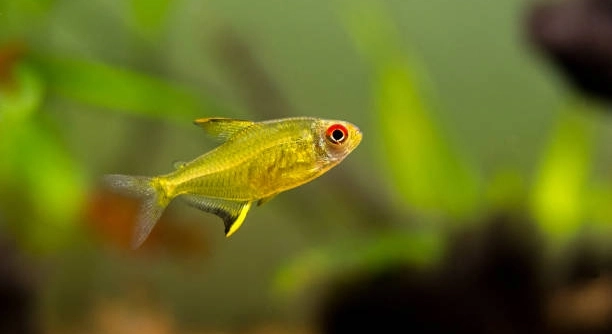
Are your Lemon Tetras moving around the tank in unusual patterns or seeming extra lively lately? These small, bright fish often display playful behaviors that can be subtle but rewarding to observe. Watching them interact is quite engaging.
Lemon Tetras exhibit playfulness through coordinated swimming, chasing each other, and engaging with objects in their environment. Such behaviors indicate mental stimulation, social interaction, and overall well-being, reflecting a healthy and active aquarium ecosystem that supports their natural instincts.
Recognizing these behaviors helps you better support your fish and maintain a lively, enriching aquarium environment that keeps them happy and healthy.
Darting Around the Tank
Lemon Tetras often dart quickly from one side of the tank to the other, sometimes changing direction without warning. This sudden, energetic movement is a sign they are exploring their surroundings or interacting with other fish. Watching them can feel almost like observing a small school of synchronized dancers. These quick bursts of speed are healthy behavior, showing they have plenty of energy and feel comfortable in their environment. Over time, you may notice patterns or favorite spots where they like to swim, indicating areas they feel safest or most stimulated. Darts often occur in short intervals, and grouping behavior during these movements is common. It is important to provide enough open swimming space and avoid overcrowding, as this allows Lemon Tetras to fully express this playful behavior without stress. Tank decorations like plants or small hiding spots can make their movements more interesting and engaging.
These energetic movements are a clear indicator that your fish are active and mentally stimulated, which is essential for their health.
Encouraging darting behavior can be done by maintaining clean water and stable temperatures. Adding small decorations or gentle currents often triggers playful bursts. Observing these movements regularly helps monitor health and social dynamics among your fish. This simple behavior provides insight into their well-being, showing they are comfortable and engaged.
Chasing Each Other
Lemon Tetras chasing each other is a common sign of play, not aggression. It is part of their social behavior and keeps them active throughout the day.
Chasing involves one fish following another closely, often weaving through plants or swimming around decorations. These interactions strengthen social bonds and maintain group cohesion. In a healthy tank, the chasing is balanced, with fish taking turns leading and following. Observing this can also indicate that your Tetras are healthy, as lethargic or sick fish rarely engage in this type of interaction. Providing enough space and keeping the water conditions optimal enhances these playful activities. Chasing also helps stimulate their minds, preventing boredom in a tank environment. It can be satisfying to watch how each fish reacts to others’ movements and adjusts its own behavior. By supporting these social interactions, you are fostering an environment that encourages natural behaviors and improves overall well-being. This form of play can also reduce stress, making your Tetras more resilient and lively in their habitat.
Interacting With Tank Objects
Lemon Tetras often push or swim around small decorations and plants. This behavior is a sign of curiosity and play, showing they are exploring and engaging with their environment rather than simply swimming in circles.
Providing varied objects like plants, small rocks, or floating items encourages natural exploration. They may weave through plants, investigate nooks, or nudge floating objects, which stimulates their senses. This interaction not only keeps them active but also reduces boredom, which is essential in a contained aquarium environment. Regularly observing how they engage with these objects can help identify individual personalities and preferences, making it easier to adjust the tank layout to maintain interest. Some Tetras prefer open spaces, while others like hiding and darting around objects. Ensuring a mix of these features keeps the entire school active and mentally stimulated.
Engaging with tank objects is a strong indicator of mental health. Fish that show little interest may need environmental enrichment.
Bubble Blowing and Surface Play
Lemon Tetras occasionally blow bubbles or swim near the water surface, which is often playful or exploratory rather than stressful behavior. Observing this shows they are active and comfortable in their surroundings.
This surface activity can be encouraged by gentle water currents or floating plants that create interesting spaces at the top of the tank. Some Tetras will chase air bubbles, interact with small floating objects, or swim rapidly near the surface, which exercises their muscles and keeps them alert. Watching these interactions can reveal their curiosity and willingness to engage with new stimuli. Over time, these behaviors may become more frequent as they become accustomed to a well-maintained environment. Such play also strengthens social bonds, as groups may mimic each other’s surface activity. By providing varied vertical spaces and gentle water movement, you allow Lemon Tetras to fully explore their tank, supporting both physical and mental health. Maintaining clean water and stable conditions ensures these behaviors remain a sign of playfulness rather than stress.
Swimming in Circles
Lemon Tetras often swim in small circles or loops around the tank. This repetitive movement is usually playful, helping them practice coordination and explore their surroundings while staying close to the group.
Swimming in circles can also be a way to establish mild social hierarchy. They often take turns leading or following, which encourages interaction and keeps the school cohesive. Observing these patterns can reveal their comfort level in the tank and indicate a balanced environment where everyone feels safe.
Quick Turns and Spins
Sudden turns and spins in the water are common playful gestures for Lemon Tetras. They use these movements to chase each other, navigate tight spaces, or respond to environmental stimuli, showcasing agility and energy.
Shadow Chasing
Lemon Tetras sometimes chase their own shadows or reflections on the tank glass. This behavior is harmless and reflects curiosity, play, and active engagement with their environment.
How can I tell if my Lemon Tetras are truly playing or just stressed?
Playful behavior in Lemon Tetras usually involves coordinated movement, chasing, exploring objects, or interacting with tank mates without signs of aggression. Stressed fish may hide constantly, stay near the bottom, or have clamped fins. Observing their energy levels, swimming patterns, and social interactions over time can help distinguish play from stress. Playful Tetras tend to return to the same areas of the tank after brief bursts of activity, while stressed ones may isolate themselves. Regularly monitoring water conditions and tank environment ensures that playful behaviors are not misinterpreted stress signals.
Is chasing each other always a sign of play?
Chasing among Lemon Tetras is typically playful if it is balanced, involves multiple fish taking turns, and lacks biting or injury. Healthy fish engage in short bursts of chasing without prolonged aggression. If chasing leads to visible harm or constant dominance, it may signal overcrowding or social imbalance. Maintaining an appropriate number of Tetras and sufficient tank space supports positive interaction. Adding plants, decorations, and hiding spots can reduce tension and encourage more playful chases. Careful observation over several days ensures the behavior is normal and not a symptom of stress or illness.
Why do my Lemon Tetras interact with tank objects so much?
Interaction with tank objects, like decorations, plants, or floating items, is a form of exploration and mental stimulation. Tetras push, swim around, or weave through these items to satisfy curiosity. A well-decorated tank encourages natural behaviors and keeps fish active, reducing boredom. Regularly changing or rearranging objects can maintain interest. Fish that avoid interaction may need environmental enrichment or adjustments to water conditions. Observing which objects attract attention can also highlight individual preferences and social dynamics. Encouraging engagement through varied textures, shapes, and hiding spaces contributes to overall well-being.
Are surface activities, like chasing bubbles or swimming near the top, normal?
Yes, surface activity is usually playful and indicates a healthy, active fish. Lemon Tetras may follow air bubbles, investigate floating plants, or swim near the top out of curiosity. These behaviors are enhanced by gentle currents and enrichment at the water surface. Consistent, calm patterns suggest engagement rather than stress. Fish avoiding the surface entirely or gasping for air may be experiencing low oxygen levels or other environmental issues. Proper tank maintenance, stable temperature, and clean water allow Tetras to safely enjoy surface play, which also strengthens social bonds among the group.
Can repetitive swimming patterns like circles or spins indicate play?
Repetitive movements, such as swimming in circles or spinning, are common playful gestures in Lemon Tetras. These behaviors help them practice agility, coordinate with the group, and explore the tank safely. Quick turns, spins, and loops often coincide with chasing or darting behaviors. Observing these patterns alongside other active interactions ensures they are playful rather than stress-related. Providing enough space, hiding spots, and visual stimuli encourages natural expression of these behaviors. Lack of such movement may indicate boredom, poor health, or inadequate tank conditions.
How can I encourage more playful behavior in my Lemon Tetras?
Play can be encouraged by maintaining clean, stable water conditions, providing open swimming areas, and introducing varied decorations or plants. Gentle water currents and floating items stimulate natural curiosity and movement. Group dynamics also influence activity levels, so keeping a healthy school size is important. Observing their preferences allows gradual adjustments to the environment to maintain engagement. Avoid overcrowding and ensure hiding spaces are available to reduce stress. Enrichment that allows exploration, chasing, and interaction with objects supports mental stimulation, healthy exercise, and stronger social bonds within the tank.
When should I be concerned about unusual behavior?
Unusual behavior such as lethargy, clamped fins, constant hiding, or erratic swimming may indicate stress, poor water quality, or illness. Playful gestures should be balanced and include energy, curiosity, and social interaction. Immediate water testing, health checks, and monitoring of diet can identify potential problems. Early intervention helps prevent worsening conditions and maintains a safe, stimulating environment.
Observing Lemon Tetras in your aquarium can be a simple but rewarding experience. Their playful behaviors, like darting, chasing, and interacting with tank objects, are indicators of a healthy and active fish. These small, bright fish display energy and curiosity in ways that are easy to notice once you know what to look for. Understanding their movements and interactions can help you ensure they are happy and well-cared-for. The more attention you pay to their natural behaviors, the easier it becomes to spot signs of stress or discomfort. Regular observation allows you to maintain an environment that supports their physical and mental health, keeping the school lively and engaged.
Maintaining a suitable tank environment is key to encouraging playful behavior. Lemon Tetras thrive in clean water with stable temperature, sufficient swimming space, and a variety of objects for exploration. Decorations like plants, rocks, and floating items can provide both hiding spots and points of interest for interaction. These elements help prevent boredom, which can lead to lethargy or unhealthy behavior. Social interaction is equally important, as these fish are schooling species and feel most comfortable in groups. Watching how they chase, swim in circles, or explore together can provide insight into their well-being. Ensuring proper tank size, compatible companions, and consistent water quality allows your Tetras to express their natural behaviors fully.
Recognizing playful behavior in Lemon Tetras goes beyond just watching them swim. Subtle actions like following shadows, spinning, or swimming near the surface indicate engagement with their environment and social cohesion. Play is a sign of good mental stimulation, which is as important as proper nutrition and water conditions. By providing a balanced environment, you are supporting not only physical health but also mental enrichment. This careful observation and thoughtful maintenance help you create a tank where your Lemon Tetras can thrive, stay active, and continue to display the lively behaviors that make them enjoyable to watch. Over time, you will notice patterns and preferences unique to your fish, helping you tailor their environment for long-term well-being and happiness.

Hello,
If you enjoy the content that we create, please consider saying a "Thank You!" by leaving a tip.
Every little bit helps us continue crafting quality advice that supports the health, happiness, and well-being of pets around the world, for pets of all shapes, sizes, and species.
We really appreciate the kindness and support that you show us!