
How to Tell If Your Russian Tortoise Is Happy
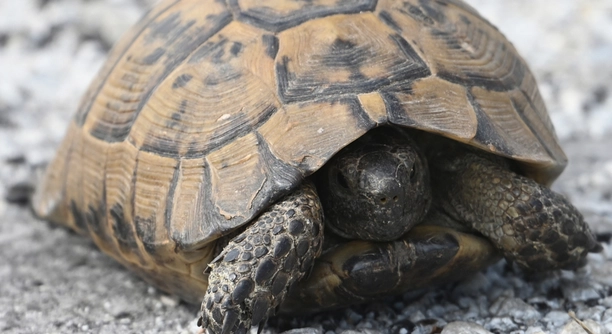
Is your Russian tortoise’s behavior leaving you curious about its happiness? Understanding their subtle signs can help you ensure they’re comfortable and content in their environment. Let’s explore how to tell if your shelled friend is truly happy. A happy Russian tortoise displays consistent activity levels, a healthy appetite, and natural behaviors like basking and … Read more

7 Signs Your Russian Tortoise Might Be Sick

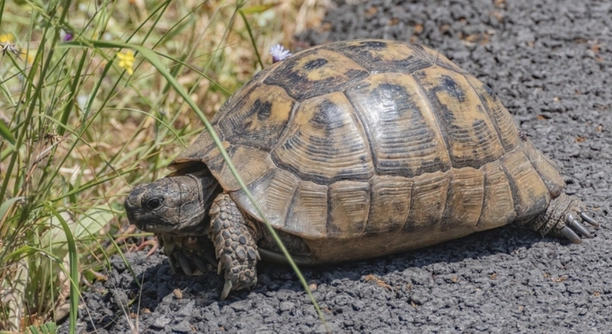
Is your Russian tortoise acting differently lately, leaving you worried about its health? Subtle changes in behavior, appetite, or appearance could be signs of illness that need attention to ensure your pet’s well-being. Russian tortoises can show signs of sickness through lethargy, loss of appetite, respiratory issues, irregular stool, and shell abnormalities. Identifying these symptoms … Read more

Why Is My Russian Tortoise Always Trying to Climb?

Russian tortoises are known for their curious and active nature. If you notice your tortoise constantly attempting to climb, it’s likely related to their instincts and environment. Understanding the reasons behind this behavior can help improve their well-being. Russian tortoises often attempt to climb due to their natural instincts and curiosity. They are driven by … Read more

7 Ways to Stop Your Russian Tortoise From Escaping

Russian tortoises are known for their curious nature, often leading them to wander off in search of adventure. Their small size and clever behavior can make keeping them secure a bit of a challenge for owners. To prevent your Russian tortoise from escaping, it is crucial to create a secure habitat. This involves ensuring that … Read more

Why Does My Russian Tortoise Keep Rubbing Its Shell on Things?

Russian tortoises are known for their unique behavior, and one common activity is rubbing their shells on objects around their environment. This behavior can often leave owners wondering about its cause. The main reason your Russian tortoise rubs its shell is due to natural behaviors related to shedding or territorial marking. Tortoises often rub against … Read more

7 Reasons Your Russian Tortoise Won’t Open Its Eyes

A Russian tortoise not opening its eyes can be concerning for any pet owner. There are several potential reasons behind this behavior, from environmental factors to health-related issues. Understanding these causes can help you care for your tortoise better. The inability of a Russian tortoise to open its eyes can be caused by several factors, … Read more

7 Best Ways to Bond With Your Russian Tortoise

Bonding with your Russian tortoise is an important part of building a lasting connection. Establishing trust and understanding your tortoise’s needs can strengthen your relationship with your pet and make their care more enjoyable. Building a bond with your Russian tortoise involves offering consistent interaction, creating a safe environment, and using positive reinforcement. Handling your … Read more

How to Tell If Your Russian Tortoise’s Growth Is Normal

Monitoring the growth of a Russian tortoise is essential for ensuring its health and well-being. A consistent growth pattern indicates proper care and attention. Understanding normal growth can help you identify potential health concerns early. The growth of a Russian tortoise is generally steady and slow. Factors such as diet, habitat, and genetics all play … Read more

Why Is My Russian Tortoise Constantly Scratching at the Ground?

Russian tortoises are fascinating creatures that may sometimes engage in repetitive behaviors. One such behavior, constant scratching at the ground, can be puzzling for their owners. Understanding the cause of this behavior can help ensure their well-being. The main reason your Russian tortoise scratches the ground is often due to natural instinct or environmental factors. … Read more

7 Ways to Spot an Unhealthy Russian Tortoise Before It’s Too Late

Russian tortoises are a popular pet for many reptile lovers. However, just like any animal, they require care and attention to stay healthy. Spotting signs of illness early can be crucial for ensuring their well-being. The best way to spot an unhealthy Russian tortoise is by observing its behavior and physical condition. Look for signs … Read more