
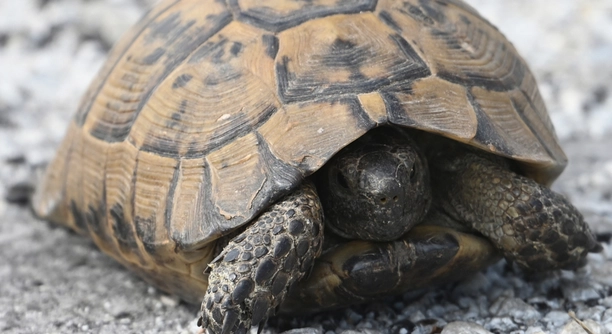
Russian tortoises are known for their unique behavior, and one common activity is rubbing their shells on objects around their environment. This behavior can often leave owners wondering about its cause.
The main reason your Russian tortoise rubs its shell is due to natural behaviors related to shedding or territorial marking. Tortoises often rub against surfaces to help remove old skin or to communicate with other tortoises in their surroundings.
Understanding this behavior can help ensure that your tortoise remains healthy and happy. Observing their actions closely will give you valuable insight into their needs.
Why Do Russian Tortoises Rub Their Shells?
Rubbing their shells on objects is a common and natural behavior for Russian tortoises. This action is often associated with shedding. As tortoises grow, they need to shed their old skin, and rubbing against surfaces can help loosen it. Additionally, it may serve as a way for them to mark their territory. Tortoises are solitary animals, and rubbing their shells could be a method of claiming space or signaling to other tortoises. While it may seem unusual, this behavior is typically harmless and is part of their instinctive actions. It’s important to keep an eye on your tortoise’s environment to ensure it’s safe for them to engage in such behaviors.
While rubbing may not be a cause for concern, it’s important to monitor your tortoise’s health. If excessive rubbing is noticed, it could indicate an issue such as skin irritation, an underlying infection, or stress from changes in their habitat. Ensuring your tortoise has a suitable enclosure and routine will help address potential problems.
It’s essential to understand the reasons behind this behavior. Observing the environment and making necessary adjustments can help prevent excessive rubbing. Providing a stress-free, clean, and enriching habitat ensures your Russian tortoise stays comfortable and healthy.
What If Your Tortoise Rubs Too Much?
If your tortoise seems to rub its shell more than usual, it’s time to check its living conditions. A clean enclosure, proper humidity levels, and a balanced diet can reduce stress and irritation.
Sometimes, excessive rubbing can signal that your tortoise is trying to escape, especially if its environment feels cramped. Tortoises need ample space to roam. If the enclosure is too small, your pet may feel frustrated, leading to abnormal behaviors such as rubbing against objects. Increasing the size of their habitat and adding different textures like rocks or logs may provide stimulation and reduce the need for constant rubbing.
When addressing these behaviors, take the time to examine the entire habitat. The temperature, humidity, and even lighting can impact a tortoise’s comfort and behavior. Ensuring they have enough space to move freely and objects to interact with is key. Regularly cleaning their enclosure and providing fresh food can also help keep their skin and shell in good condition, minimizing any need to rub.
The Role of Shedding in Shell Rubbing
Shedding is a natural part of a tortoise’s life. As they grow, their old skin needs to be removed, and rubbing against objects can help with this process. It’s a way for them to loosen old skin without much effort.
Tortoises shed their skin in small patches, and rubbing on rough surfaces can help them dislodge it. This is particularly common during the warmer months when shedding is more frequent. Regular shedding is essential for their health, as it ensures the growth of fresh, healthy skin. While rubbing their shell may seem odd, it’s simply part of their natural process.
In some cases, tortoises may rub more frequently if the shedding process is not happening smoothly. This can happen due to factors like humidity levels or if the tortoise is stressed. Ensuring the environment is comfortable can help the shedding process happen without excess rubbing.
Environmental Factors That Affect Behavior
Russian tortoises are sensitive to environmental changes. Factors like temperature, humidity, and lighting can all influence how they behave. If the environment is too dry or too hot, they may rub their shells more often.
Tortoises need a balanced temperature range and appropriate humidity to thrive. Too dry, and their skin might become brittle, making shedding difficult. This leads to more rubbing as they try to remove the old skin. Ensuring they have a suitable heat source and maintaining proper humidity levels is essential for reducing this behavior.
Lighting also plays a significant role in their overall health. Tortoises need UVB light to help metabolize calcium and promote proper shedding. Without sufficient UVB exposure, they may experience skin and shell problems, leading to rubbing.
Stress and Its Impact on Shell Rubbing
Stress is another factor that can lead to excessive shell rubbing. If your tortoise feels threatened or out of place, it might rub its shell to relieve tension. Environmental stressors can trigger this behavior.
When tortoises are stressed, they may also show signs like hiding or not eating. Stress can arise from sudden changes in their environment or handling, and it can cause them to engage in behaviors like shell rubbing. Providing a stable, secure environment can help reduce these stress-related behaviors.
Habitat Adjustments to Minimize Rubbing
Changing your tortoise’s habitat can be a simple solution to excessive shell rubbing. Adding more hiding spaces and increasing the enclosure’s size can reduce stress and prevent the need for rubbing.
If your tortoise is rubbing its shell frequently, ensuring that it has enough space to explore and hide can make a big difference. Consider adding a few safe spots for your tortoise to retreat to, along with objects it can climb over. This will give them opportunities to engage in natural behaviors, reducing the urge to rub their shells.
Health Problems to Consider
If shell rubbing becomes excessive, it could indicate a health issue. Skin infections, parasites, or injuries could cause irritation, prompting your tortoise to rub its shell to relieve discomfort.
Health issues like fungal infections or shell damage may require veterinary attention. If your tortoise seems to be rubbing excessively despite a stable environment, it’s essential to check for any signs of injury or infection. Keeping an eye on the condition of your tortoise’s skin and shell will help identify any problems early on.
FAQ
Why does my Russian tortoise rub its shell on objects?
Rubbing the shell on objects is a natural behavior for Russian tortoises. It’s often linked to shedding, as tortoises rub against surfaces to help remove old skin. This behavior can also be a way to mark territory or relieve stress. It is typically harmless and part of their regular routine, but if it becomes excessive, it could be due to discomfort, environmental stress, or health concerns.
How often should I expect my tortoise to rub its shell?
The frequency of shell rubbing depends on the tortoise’s shedding cycle and environmental factors. It is most common during shedding periods, but it may also occur when they are adjusting to new surroundings or feeling stressed. It’s normal for tortoises to rub occasionally, but continuous or excessive rubbing may signal an issue.
Can shell rubbing cause any harm to my tortoise?
Shell rubbing is generally not harmful, as it’s a natural behavior. However, if your tortoise is rubbing excessively, it could lead to irritation or even abrasions on the skin or shell. It’s important to monitor for any signs of injury or infection, as rough rubbing could cause damage to the shell. If you notice anything unusual, it’s best to consult with a veterinarian.
How do I know if my tortoise is rubbing its shell due to stress?
Stress can lead to more frequent rubbing of the shell. Signs of stress include hiding, not eating, and being overly defensive. If your tortoise is rubbing its shell while also showing other signs of stress, it may be reacting to environmental changes, handling, or even a new companion. Reducing stress by maintaining a stable environment can help minimize this behavior.
What can I do to prevent my tortoise from rubbing its shell?
To prevent excessive shell rubbing, focus on creating a comfortable and stress-free environment for your tortoise. Ensure the temperature and humidity are balanced, and the enclosure is spacious enough for the tortoise to move around comfortably. Adding various hiding spots and climbing objects can help alleviate stress and reduce rubbing behavior.
Is it normal for my tortoise to rub its shell on the same spot?
Yes, it is normal for tortoises to rub their shells on the same spot, especially if it helps them with shedding or if they are marking territory. However, if the rubbing is persistent in one area, it’s a good idea to check for any signs of injury or irritation. Ensure the rubbing surface is safe and won’t cause harm to your tortoise’s shell.
Could my tortoise be rubbing its shell due to a medical issue?
Excessive or abnormal shell rubbing can sometimes be a sign of a medical issue. Skin infections, parasites, or shell damage can cause irritation, leading to rubbing. If you notice other symptoms, such as discharge, swelling, or unusual behavior, a vet visit is recommended to rule out any health concerns.
How can I improve my tortoise’s habitat to reduce shell rubbing?
Improving your tortoise’s habitat can help reduce shell rubbing caused by stress or discomfort. Ensure the enclosure is large enough, with hiding spots and climbing structures. Maintain proper humidity and temperature levels, and provide a UVB light source to promote healthy skin and shell shedding.
Can I stop my tortoise from rubbing its shell entirely?
It’s unlikely to stop your tortoise from rubbing its shell altogether, as it is part of their natural behavior. However, by maintaining a healthy environment, providing enough space, and reducing stress, you can minimize the frequency of rubbing. Regularly monitoring their behavior will also help address any concerns early.
Should I be worried if my tortoise rubs its shell against hard surfaces?
Rubbing against hard surfaces isn’t necessarily a problem, but if it’s happening too often, it can lead to abrasions or irritation. If the surface is too rough, it could damage the shell. Providing a range of textures in their enclosure can help prevent the tortoise from rubbing in one area too much.
Final Thoughts
Shell rubbing is a common and natural behavior in Russian tortoises. It often happens during shedding, where the tortoise uses objects to help remove old skin. In many cases, this behavior is harmless and part of the tortoise’s regular routine. While it can be slightly worrying to see, understanding its causes can help you manage the situation more effectively. If the rubbing is mild and infrequent, it’s usually just part of their natural behavior. However, if it becomes excessive, it may be a sign of stress, health problems, or an uncomfortable environment.
Creating a proper environment for your tortoise is key to minimizing shell rubbing. Ensuring the right temperature, humidity, and lighting will help support their natural behaviors, including shedding, and reduce the chances of stress. Adding safe climbing structures and hiding spots can also provide them with a sense of security, reducing the need for shell rubbing due to anxiety. Tortoises are sensitive creatures, and small changes in their environment can have a significant impact on their well-being. Maintaining a stable and enriching habitat is essential for preventing behaviors like excessive shell rubbing.
Monitoring your tortoise’s behavior and health closely is important in catching any issues early. If shell rubbing becomes frequent or intense, it may be time to look for signs of irritation, injury, or infection. If you notice any changes in eating habits, energy levels, or skin condition, it’s worth consulting with a vet. Healthy tortoises should shed their skin naturally without causing harm, and with the right care, your tortoise should thrive without excessive shell rubbing. Keep a watchful eye on their behavior, but remember that this action is typically a normal part of their life cycle.

Hello,
If you enjoy the content that we create, please consider saying a "Thank You!" by leaving a tip.
Every little bit helps us continue crafting quality advice that supports the health, happiness, and well-being of pets around the world, for pets of all shapes, sizes, and species.
We really appreciate the kindness and support that you show us!