
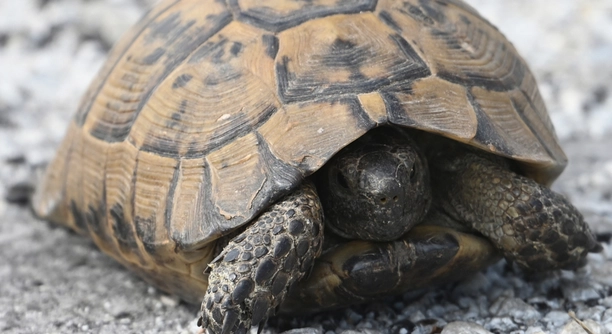
Is your Russian tortoise’s behavior leaving you curious about its happiness? Understanding their subtle signs can help you ensure they’re comfortable and content in their environment. Let’s explore how to tell if your shelled friend is truly happy.
A happy Russian tortoise displays consistent activity levels, a healthy appetite, and natural behaviors like basking and burrowing. Clear, bright eyes, smooth breathing, and responsive interactions are reliable indicators of a tortoise’s well-being and satisfaction.
From daily behaviors to environmental factors, learning these signs can give you confidence that your tortoise is thriving.
Signs Your Russian Tortoise Is Happy
A happy Russian tortoise is active, alert, and curious about its surroundings. It will explore its enclosure, bask under the heat lamp, and dig into the substrate. Healthy tortoises have clear eyes, smooth skin, and strong, steady movement. Eating regularly and showing interest in food also signals well-being. A tortoise that avoids hiding for long periods and interacts with its environment is usually content. In contrast, excessive hiding or lethargy can suggest stress or discomfort. Providing a stable, clean habitat with proper lighting, temperature, and diet will help your tortoise remain healthy and happy.
When a tortoise feels safe, it will engage in natural activities like burrowing, climbing, and exploring. These behaviors reflect comfort and a secure environment. Pay attention to consistent routines and appetite, as changes can indicate stress.
Watching your tortoise’s daily habits will help you notice small changes that may signal happiness or potential issues. Observing these patterns regularly makes it easier to ensure a comfortable habitat.
Common Behaviors of a Happy Russian Tortoise
A happy Russian tortoise often moves around its enclosure with curiosity, basks for warmth, and eats with enthusiasm. Regular activity and a consistent appetite are key signs of good health and well-being.
Activity levels are one of the most noticeable indicators of happiness. A content tortoise will explore, climb, and dig. Basking under the heat lamp is another common behavior since proper warmth supports their metabolism. Eating consistently and being alert during feeding times shows they feel secure in their surroundings. Burrowing is also important; it’s a natural instinct that signals comfort. If your tortoise hides excessively or becomes inactive, it may feel stressed or unwell.
Providing a stimulating environment with a mix of hiding spots, climbing structures, and a clean, spacious enclosure helps maintain natural behaviors. Keep their diet varied and nutritious while monitoring their activity. Adjusting these factors when necessary can help your tortoise stay content and healthy.
Environmental Factors That Affect Your Tortoise’s Happiness
The right environment is crucial for your Russian tortoise’s happiness. Temperature, lighting, and space all play a role in their well-being. A well-maintained enclosure encourages natural behaviors like basking, burrowing, and exploring, which are essential for their overall contentment.
Lighting and temperature are key environmental factors. Russian tortoises need a basking area of 95°F and a cooler side around 75°F. UVB lighting is necessary for proper calcium absorption and shell health. Without it, tortoises can become lethargic and develop health issues. Maintaining a consistent day-night cycle also helps regulate their activity.
Space and substrate also influence their happiness. A spacious enclosure allows room for exploration, while a soft, diggable substrate supports burrowing instincts. Avoid using materials like sand or gravel, which can cause impaction. Providing hiding spots and safe climbing structures helps create a stimulating and comfortable environment for your tortoise.
Diet and Nutrition for a Happy Tortoise
A well-balanced diet directly impacts your tortoise’s mood and health. Feeding them the right foods ensures they have the energy to stay active and alert while supporting proper growth and shell strength.
Russian tortoises thrive on a high-fiber, low-protein diet. Leafy greens like dandelion greens, collard greens, and mustard greens are excellent choices. Avoid foods high in oxalates, such as spinach, as these can block calcium absorption. Occasional treats like hibiscus flowers add variety and encourage natural foraging behaviors.
Proper hydration is equally important. Provide fresh water daily and occasionally offer foods with high water content, like cucumber or zucchini. Calcium supplements may be necessary to support bone and shell health, especially if they don’t get enough UVB exposure. Balanced nutrition helps keep your tortoise active, healthy, and happy.
Behavioral Changes to Watch For
Sudden behavioral changes may indicate stress or health issues. If your tortoise becomes lethargic, loses interest in food, or hides excessively, it’s essential to assess environmental conditions and diet to address the cause as soon as possible.
Aggression or unusual restlessness can also signal discomfort. Monitor interactions, especially if multiple tortoises share the space. Identifying the source of stress early helps prevent potential health complications.
Health Issues That Affect Happiness
Health problems like respiratory infections, shell deformities, or parasitic infections can impact your tortoise’s mood and activity levels. Labored breathing, nasal discharge, or soft spots on the shell should be addressed by a veterinarian. Regular check-ups and a clean habitat are essential for preventing these common health issues.
Creating a Comfortable Habitat
A well-planned habitat provides the security and stimulation your tortoise needs. Use natural materials, maintain proper temperatures, and ensure there’s enough space to roam. A clean, enriching environment supports both physical health and mental well-being.
FAQ
How can I tell if my Russian tortoise is sick?
If your Russian tortoise is sick, you may notice signs such as lethargy, a lack of appetite, or abnormal breathing. Infected tortoises may have nasal discharge, swelling, or difficulty closing their eyes. Changes in the shell, like soft spots or deformities, can also be signs of a health issue. Keep an eye on their overall behavior and consult a vet if you notice any of these symptoms.
Why is my tortoise hiding so much?
Hiding can be normal if your tortoise is adjusting to a new environment or feels threatened. However, excessive hiding can indicate stress, poor temperature regulation, or health problems. Ensure the temperature in the enclosure is within the recommended range, and check that the tortoise isn’t hiding to escape a source of discomfort.
Is it normal for my Russian tortoise to be inactive?
Russian tortoises can go through periods of inactivity, especially during cooler months when they may slow down. However, consistent inactivity, especially when coupled with a lack of eating or drinking, can be a sign of illness. Make sure your tortoise is getting enough light and warmth to maintain proper metabolism.
How do I keep my Russian tortoise entertained?
To keep your Russian tortoise engaged, provide an environment with varied textures, climbing structures, and hiding places. You can also hide food or treat them to a small garden area where they can forage for fresh plants. Regular exploration time outside the enclosure (in a safe space) can also provide stimulation.
What is the best substrate for my tortoise’s habitat?
The best substrate for a Russian tortoise’s habitat is a mix of organic soil, coconut coir, and sand. This allows for burrowing and helps maintain humidity. Avoid using wood chips or gravel, as these materials can cause impaction if ingested. Keep the substrate clean to prevent the growth of mold or bacteria.
How often should I feed my Russian tortoise?
Russian tortoises should be fed daily with a variety of leafy greens, vegetables, and occasional flowers. They don’t need protein-rich foods like fruits or animal-based proteins regularly. Providing fresh water daily is equally important to maintain hydration and aid digestion.
Can I keep multiple Russian tortoises together?
Keeping multiple Russian tortoises together can be done but requires careful attention. Male tortoises may become aggressive toward each other, and females might be stressed by constant attention from males. It’s best to monitor their behavior and provide enough space so each tortoise can retreat when needed.
What is the ideal temperature for a Russian tortoise?
A Russian tortoise needs a basking area with a temperature of around 95°F, while the cooler side of the enclosure should stay between 75°F and 80°F. At night, temperatures can drop to around 65°F. Using a thermometer and a heat source like a ceramic heat emitter or heat lamp is essential to maintaining the correct environment.
How do I provide UVB light for my tortoise?
UVB light is necessary for your tortoise to synthesize vitamin D3 and absorb calcium properly. Use a UVB bulb specifically designed for reptiles. Ensure the bulb is within 6–12 inches of the tortoise, and replace the bulb every 6–12 months since UVB intensity decreases over time, even if the light still works.
Why does my Russian tortoise’s shell have soft spots?
Soft spots on a Russian tortoise’s shell can indicate a calcium deficiency or improper UVB lighting. Without adequate UVB exposure, tortoises cannot metabolize calcium properly, leading to shell deformities and softening. Ensure your tortoise gets proper UVB exposure and consider offering calcium supplements to correct the deficiency.
How do I know if my tortoise is getting enough water?
Russian tortoises need access to fresh water every day. If your tortoise is dehydrated, you may notice a decrease in activity, dry eyes, and less frequent urination. You can also hydrate them by soaking them in shallow, lukewarm water for 15–20 minutes. Keep track of how much they drink to ensure proper hydration.
Can I feed my Russian tortoise fruit?
Fruits can be fed occasionally, but they should not make up a significant portion of your tortoise’s diet. Russian tortoises are herbivores, and their diet should consist mainly of leafy greens and vegetables. Fruit is high in sugar and can cause digestive issues if offered too often. Keep fruits as a treat, not a staple.
What should I do if my tortoise refuses to eat?
If your Russian tortoise refuses to eat, check for signs of stress, illness, or environmental issues like improper temperature or lighting. Ensure that food is fresh and properly offered. Try offering a variety of leafy greens, as sometimes they may be picky. If refusal persists for several days, consult a vet.
How can I prevent my tortoise from getting sick?
Preventing illness in your Russian tortoise starts with providing the right environment, diet, and care. Keep the enclosure clean, ensure proper temperature and UVB light, and feed a well-balanced diet. Regularly inspect your tortoise for signs of illness and maintain a consistent routine to reduce stress and improve overall health.
Should I hibernate my Russian tortoise?
Hibernation (or brumation) is natural for Russian tortoises but is not always necessary. If your tortoise is healthy and has the proper diet, hibernation can be skipped, especially for captive tortoises kept in warm environments. However, some owners choose to allow their tortoises to hibernate if they follow the proper cooling process.
How long can my Russian tortoise live?
Russian tortoises can live up to 50 years or more with proper care. Providing a stable, healthy environment throughout their lives can help them reach this age. Regular veterinary check-ups and a nutritious diet are key to longevity, along with ensuring a stress-free environment.
Final Thoughts
Taking care of a Russian tortoise requires attention to their specific needs, from their habitat to their diet. By providing the right environment, including proper lighting, temperature, and space to roam, you create a home where your tortoise can thrive. It’s also important to observe their behavior and health regularly, looking for any signs of stress or illness. Ensuring that your tortoise is eating well, staying hydrated, and engaging in natural behaviors like basking and burrowing will help you determine if they’re happy.
A happy Russian tortoise is one that feels secure in its environment. Stress can come from environmental factors like temperature fluctuations, inadequate lighting, or a cramped space. On top of that, poor diet and health issues can affect their mood and overall well-being. To keep your tortoise happy, create a routine that includes daily feedings, clean water, and proper care. It’s also a good idea to keep their space clean, allowing them to explore and interact with their surroundings. A well-maintained home will lead to a more content and active tortoise.
Lastly, remember that your tortoise’s health and happiness are long-term commitments. Russian tortoises can live for decades, and as they grow, their needs may change. Regular vet visits, keeping up with their dietary requirements, and maintaining their habitat will help ensure they live a long and healthy life. The effort you put into their care will be reflected in their behavior and overall well-being. By understanding their signs of happiness and stress, you can make adjustments that keep them healthy and content for many years.

Hello,
If you enjoy the content that we create, please consider saying a "Thank You!" by leaving a tip.
Every little bit helps us continue crafting quality advice that supports the health, happiness, and well-being of pets around the world, for pets of all shapes, sizes, and species.
We really appreciate the kindness and support that you show us!