
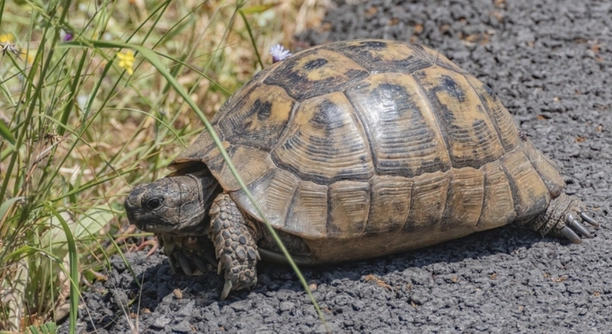
Russian tortoises are known for their curious nature, often leading them to wander off in search of adventure. Their small size and clever behavior can make keeping them secure a bit of a challenge for owners.
To prevent your Russian tortoise from escaping, it is crucial to create a secure habitat. This involves ensuring that enclosures are tightly sealed, removing potential climbing obstacles, and regularly inspecting for any gaps that could lead to an escape.
Taking the right precautions can stop your tortoise from finding its way out of its home.
Create a Secure Enclosure
The first step in preventing your Russian tortoise from escaping is to make sure its enclosure is secure. A proper enclosure should have high enough walls to stop the tortoise from climbing over. Many tortoises are great at scaling low barriers, so be mindful of their natural climbing instincts. Avoid using fencing with large gaps or loose areas where your tortoise could slip through. A well-fitted lid will prevent any chances of your tortoise climbing out if you’re using a cage. For outdoor enclosures, ensure the perimeter is buried deep enough to prevent digging.
Adding secure latches or locks can prevent accidental openings, especially with children or pets around. Consistently inspect the enclosure to check for any signs of wear or areas that could weaken over time. This proactive care will keep your tortoise safe and content.
A strong, secure enclosure is essential for your tortoise’s safety. Checking for weak spots in the setup will ensure they don’t find their way out.
Provide Mental Stimulation and Space
Offering a large, stimulating environment can reduce your tortoise’s desire to escape. Providing various hiding spots, rocks, and plants encourages exploration and keeps them entertained. A spacious enclosure that offers a variety of textures and terrain types will mimic their natural habitat, encouraging curiosity while keeping them engaged. Without stimulation, they may become restless and look for ways to escape in search of something more interesting.
Space is essential for your tortoise’s well-being. The more room it has to roam, the less likely it will feel the need to leave its home. Along with enough space, keeping a clean and well-maintained habitat will ensure it remains a comfortable, inviting place. Avoid overcrowding, as too many objects or animals can create stress, leading to behavior changes.
Inspect for Gaps or Weak Spots
Gaps or weak spots in the enclosure are common areas where your tortoise may slip through. Always check the bottom, sides, and corners for any signs of wear. If any area appears compromised, patch it up immediately. Even small holes can be a potential escape route.
Pay attention to areas where the material might be worn out, like mesh or plastic. These materials can deteriorate over time and may become brittle. The tortoise might be able to push through or dig under these spots. Regularly inspect the enclosure’s entire perimeter to avoid surprises, especially in outdoor setups exposed to the elements. Prevention is key.
Regular inspections will save time and ensure that your tortoise remains safe inside. It’s better to notice weak spots early and fix them before an escape attempt occurs.
Offer a Proper Diet and Hydration
A well-balanced diet can help keep your tortoise healthy and content. Avoid feeding your tortoise the same food every day to maintain interest in their meals. Offer fresh vegetables, leafy greens, and occasional fruit. A variety ensures they stay satisfied and reduces the chance of seeking escape.
Providing fresh water at all times is equally important. Tortoises need constant access to clean water to stay hydrated and healthy. Having a shallow water dish that your tortoise can easily drink from will ensure they remain content and won’t wander in search of a better supply. Keeping their diet balanced and their hydration needs met reduces their desire to leave their habitat.
Use a Sheltered Area
If your tortoise is housed outdoors, consider placing their enclosure in a sheltered area to protect it from the elements. This reduces the temptation to explore the surroundings. A shaded spot will keep your tortoise comfortable and discourage it from trying to escape due to weather conditions.
Creating a sheltered area also helps regulate temperature. Extreme heat or cold can stress out your tortoise and cause it to search for a more comfortable place. A proper balance of shade and sun can prevent this behavior while ensuring your tortoise remains content and healthy.
Offer Hiding Spots
Tortoises often seek out hiding spots for security. Providing these can reduce stress and prevent escape attempts. Simple areas, like rocks or small shelters, help create a secure space. Your tortoise will feel safe and less likely to try and leave in search of one.
Keep the Enclosure Clean
A clean environment is key to your tortoise’s happiness and health. Regularly remove uneaten food, waste, and any debris. Keeping the habitat free from odors and mold ensures your tortoise doesn’t feel uncomfortable or restless, reducing the chances of trying to escape.
FAQ
How do I know if my Russian tortoise is trying to escape?
If your tortoise is consistently pushing against the walls of its enclosure or attempting to climb, it may be trying to escape. Another sign is if you find your tortoise near an opening or even outside the enclosure. This behavior usually indicates that the enclosure needs improvement. Regular monitoring is essential, especially if you notice your tortoise moving around more than usual or acting more restless.
What is the best size for a Russian tortoise’s enclosure?
A Russian tortoise needs a minimum of 4 feet by 2 feet of space for an indoor enclosure. However, a larger space is always better. For outdoor enclosures, a 6-foot by 4-foot area with room to roam and hide is ideal. The space should provide plenty of room for your tortoise to move, dig, and explore, keeping it mentally and physically stimulated.
Can I keep my Russian tortoise in a cage with other animals?
It’s generally not advisable to house your Russian tortoise with other animals, especially in a confined space. Other pets, like dogs or cats, can cause stress or harm to the tortoise. Even other reptiles might not be ideal, as they can carry diseases that could harm your tortoise. It’s safer to keep your tortoise in its own secure space.
Should I provide my Russian tortoise with lighting and heating?
Yes, your tortoise needs access to a heat source and UVB light for proper metabolism and shell health. Use a UVB light to simulate natural sunlight and provide the necessary UV rays, as Russian tortoises are used to a sunny environment. A heat lamp should maintain a basking spot between 90°F and 95°F. Ensure the cooler area of the enclosure stays around 70°F to allow for temperature variation.
What kind of food can I give my Russian tortoise?
Russian tortoises are primarily herbivores and thrive on a diet of dark leafy greens, vegetables, and some fruits. Offer a mix of dandelion greens, kale, and collard greens, along with occasional fruits like strawberries or apples. Avoid feeding them iceberg lettuce, as it provides little nutritional value. Fresh, pesticide-free food is essential for their health.
How can I stop my Russian tortoise from digging?
Digging is a natural behavior for Russian tortoises, as they dig for shelter or to regulate their body temperature. To manage digging, ensure the enclosure is spacious and has enough hiding spots, like tunnels or rocks, to encourage natural behavior. If they’re digging in an undesirable spot, you can add more substrate or even change the layout of the enclosure to encourage them to dig elsewhere.
Can my Russian tortoise live in a glass tank?
While a glass tank can work for short-term use, it’s not ideal for long-term housing. Glass tanks do not provide enough ventilation, and the lack of airflow can lead to humidity issues. A more suitable enclosure is a large plastic or wooden box with plenty of ventilation holes. An open, well-ventilated space will promote a healthier environment for your tortoise.
How often should I clean my Russian tortoise’s enclosure?
You should clean your tortoise’s enclosure at least once a week. This includes removing uneaten food, cleaning water dishes, and spot-cleaning waste. A more thorough cleaning, such as disinfecting the substrate and scrubbing the walls, should be done every 2-3 weeks. A clean environment helps reduce the risk of illness and ensures your tortoise stays healthy.
How can I keep my Russian tortoise active and engaged?
Russian tortoises are naturally curious and need stimulation to stay active. Provide hiding spots, climbing structures, and various textures like rocks and plants in their enclosure. You can also offer occasional food challenges, like scattering food around the enclosure or using puzzle feeders to encourage problem-solving. The more variety you offer, the less likely your tortoise will look for an escape.
Can my Russian tortoise escape if I have a secure lid?
Yes, your tortoise could still escape even with a lid if there are weak spots or gaps. It’s essential to make sure the lid is properly secured and there are no holes around the edges or corners. Make sure the lid is heavy enough to prevent the tortoise from pushing it open. Regularly check for any potential weak spots in the enclosure.
What temperature is best for a Russian tortoise?
The ideal temperature for your Russian tortoise is between 70°F and 80°F for the general habitat, with a basking spot around 90°F to 95°F. Russian tortoises are used to a warm, dry climate, so maintaining the right temperature will keep them comfortable and reduce stress. Using a thermometer inside the enclosure will help ensure the temperature remains consistent.
Final Thoughts
Ensuring your Russian tortoise remains safe and happy inside its enclosure is crucial for its well-being. Tortoises are naturally curious and will explore their environment, sometimes leading them to escape. However, by taking preventative measures like reinforcing the enclosure, providing hiding spots, and offering a proper diet and hydration, you can reduce the chances of this happening. The key to keeping your tortoise content is creating a space that feels secure and stimulating. A comfortable, clean, and well-maintained environment will discourage escape attempts and encourage natural behaviors.
Regularly checking the condition of your tortoise’s enclosure is essential. Over time, materials can wear down or develop weak spots. Identifying these issues early will help you avoid potential escapes. It’s also important to offer variety in your tortoise’s diet, as a well-fed and hydrated tortoise is less likely to feel the need to wander. The right combination of food, temperature, and environment will keep your tortoise healthy and reduce restlessness. By staying proactive and attentive, you can ensure your tortoise’s happiness and security.
Lastly, remember that every tortoise is different, and understanding its individual needs will help you create a more tailored environment. Whether you’re keeping your tortoise indoors or outdoors, the focus should always be on its comfort and safety. With the right care, your Russian tortoise will thrive in its enclosure, and any escape attempts will be minimized. Keep learning and adjusting as needed, and you’ll maintain a healthy, secure environment for your pet.

Hello,
If you enjoy the content that we create, please consider saying a "Thank You!" by leaving a tip.
Every little bit helps us continue crafting quality advice that supports the health, happiness, and well-being of pets around the world, for pets of all shapes, sizes, and species.
We really appreciate the kindness and support that you show us!