
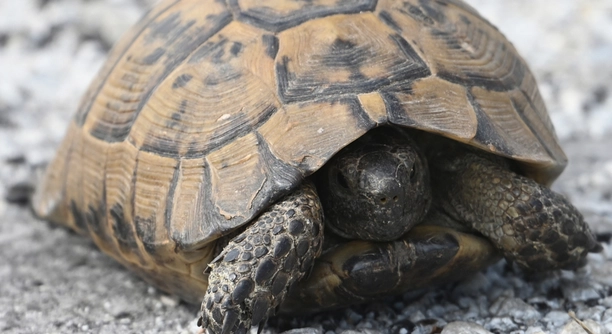
Is your Russian tortoise acting differently lately, leaving you worried about its health? Subtle changes in behavior, appetite, or appearance could be signs of illness that need attention to ensure your pet’s well-being.
Russian tortoises can show signs of sickness through lethargy, loss of appetite, respiratory issues, irregular stool, and shell abnormalities. Identifying these symptoms early can help you take the right steps toward getting your tortoise the care it needs.
From breathing troubles to unusual eating habits, recognizing these signs can make a big difference in your tortoise’s health. Keep reading to learn what to watch for and when to seek help.
Lethargy and Unusual Inactivity
A healthy Russian tortoise is naturally curious and active, especially during its usual waking hours. If your tortoise starts spending more time hiding, sleeping excessively, or showing little interest in its surroundings, it could be a sign of an underlying health problem. Lethargy might indicate respiratory infections, internal parasites, or metabolic bone disease, all of which require prompt attention. Temperature changes, improper lighting, or poor diet can also lead to inactivity. Monitoring your tortoise’s behavior and environment can help you catch potential health issues early.
Lethargy is often the first visible sign of illness. If your tortoise seems less active for more than a few days, consider checking its habitat conditions and consulting a veterinarian if needed.
Providing a consistent heat source, a well-balanced diet, and regular exposure to UVB lighting helps maintain your tortoise’s energy levels. When these needs are met, unusual inactivity becomes more noticeable and easier to address.
Loss of Appetite
Russian tortoises love their leafy greens, so a sudden loss of appetite can be concerning. Skipping meals for a day or two might not be unusual, but ongoing refusal to eat may point to health issues like parasites, respiratory infections, or mouth problems.
A tortoise’s appetite is closely linked to its environment. Low temperatures, improper lighting, or stress from habitat changes can affect eating habits. Parasites, gastrointestinal issues, or dental pain can also cause reduced food intake. If your tortoise refuses food for more than a few days, it’s best to investigate further. Check the temperature and lighting in its enclosure to ensure conditions are optimal.
If environmental factors are ruled out, a vet visit is essential. A professional can check for internal issues, conduct tests if needed, and recommend treatments. Early detection and proper care help ensure your tortoise gets back to its normal, healthy eating patterns.
Respiratory Issues
Wheezing, labored breathing, or nasal discharge can indicate a respiratory infection. These infections are often caused by low temperatures, poor humidity control, or bacteria. Prompt action is needed to prevent complications like pneumonia, which can become life-threatening without proper treatment.
Respiratory infections may also cause your tortoise to breathe with its mouth open or show a decrease in activity. Checking for bubbles around the nose or unusual sounds when breathing can help identify a problem early. Ensuring the enclosure has the right temperature and humidity levels reduces the risk of respiratory issues.
Veterinary treatment often includes antibiotics and habitat adjustments. It’s essential to maintain clean, dry bedding and provide appropriate warmth. Tortoises need warmth to fight off infections, so consistent temperature control plays a key role in keeping their respiratory health on track.
Abnormal Stool and Urine
Loose, discolored, or foul-smelling stool could signal digestive issues or infections. Parasites, dehydration, or an improper diet might be the cause. Similarly, white, chalky urates or the complete absence of urates may indicate kidney problems that need prompt attention.
Parasites like worms can disrupt digestion, leading to abnormal stools. Dietary changes or spoiled food might also cause issues. If irregularities persist, consider bringing a stool sample to your veterinarian for testing. Dehydration, especially during warmer months, can impact both stool and urine consistency. Providing fresh water daily helps maintain digestive balance.
Kidney problems may require changes to the tortoise’s diet, like reducing protein intake. Consistent hydration and a fiber-rich diet with leafy greens support healthy digestion. Paying attention to these signs ensures better long-term health and helps catch potential illnesses early.
Swollen or Sunken Eyes
Swollen eyes can point to infections, vitamin A deficiency, or debris irritating the eye. Sunken eyes, on the other hand, often signal dehydration. Both conditions need attention to prevent long-term damage or more severe health complications.
Regular eye cleaning, proper hydration, and a well-balanced diet help maintain eye health. If swelling or discharge persists, a vet may prescribe eye drops or supplements to address the issue.
Shell Abnormalities
A healthy shell is firm, smooth, and evenly shaped. Soft spots, discoloration, or irregular growth can signal metabolic bone disease, infections, or poor diet. Metabolic bone disease, often caused by low calcium or inadequate UVB exposure, weakens the shell structure.
Infections, especially shell rot, cause soft or discolored areas. If left untreated, these infections can spread internally. A clean habitat, proper UVB lighting, and calcium-rich foods like dandelion greens support shell strength. Early detection makes treatment more effective and prevents further damage.
Discharge from Nose or Mouth
Mucus from the nose or mouth can indicate a respiratory infection. Clear discharge might come from minor irritation, while thick, yellow mucus suggests a more serious infection requiring veterinary care. Early intervention can prevent the infection from worsening.
How can I tell if my Russian tortoise has a respiratory infection?
Respiratory infections in Russian tortoises often show through wheezing, nasal discharge, and labored breathing. You might also notice your tortoise breathing with its mouth open or appearing unusually lethargic. These infections can develop when the enclosure is too cold or humid. If you observe bubbles around the nostrils or hear crackling sounds while your tortoise breathes, it’s time to act. Check the enclosure’s temperature and humidity to ensure they’re within the recommended range. If symptoms persist or worsen, consult a veterinarian for a proper diagnosis and potential antibiotic treatment. Early detection is essential to prevent complications like pneumonia.
What causes loss of appetite in Russian tortoises?
Loss of appetite in Russian tortoises can stem from various factors, including improper habitat conditions, illness, or stress. Tortoises need consistent temperatures, UVB lighting, and a proper diet. If any of these elements are off, appetite may decrease. Internal parasites, respiratory infections, or mouth issues can also contribute. In some cases, stress from environmental changes, such as a new enclosure or handling, affects feeding habits. Make sure the habitat is comfortable, with fresh greens and water available. If your tortoise refuses food for more than a few days, consult a veterinarian to rule out underlying health concerns.
What does abnormal stool or urine mean for my tortoise’s health?
Abnormal stool or urine can indicate digestive problems, infections, or dehydration. Loose stools often point to parasites or sudden dietary changes, while dry, chalky urates suggest dehydration or kidney problems. Healthy tortoise urine should include a small amount of white urates with a clear liquid. If the stool is consistently runny, discolored, or foul-smelling, it’s wise to have a veterinarian analyze a sample. Adjusting hydration levels and providing a fiber-rich diet with foods like dandelion greens can improve digestion. Persistent irregularities might require medication to treat parasites or infections.
How can I prevent shell problems in my Russian tortoise?
Preventing shell issues starts with maintaining proper habitat conditions. Russian tortoises need UVB lighting to synthesize calcium, which keeps their shells strong. Without sufficient UVB exposure or calcium intake, metabolic bone disease can develop, causing soft or deformed shells. Shell rot, which appears as soft, discolored, or foul-smelling areas, often results from excessive moisture or unclean bedding. Clean the enclosure regularly, provide a varied diet rich in calcium, and monitor the shell for any changes. If you notice abnormalities, a veterinarian can determine if antibiotics or other treatments are necessary.
Why are my tortoise’s eyes swollen or sunken?
Swollen or sunken eyes are usually signs of dehydration, infection, or vitamin deficiency. Swollen eyes might result from an eye infection, debris, or a lack of vitamin A, while sunken eyes often point to dehydration. Ensuring the tortoise has access to fresh water and maintaining proper humidity levels helps avoid these problems. Eye infections may require antibiotic drops, so if the swelling persists or you notice discharge, seek veterinary care.
What should I do if my tortoise seems unusually inactive?
Unusual inactivity could signal illness, environmental discomfort, or brumation, which is a form of hibernation. If the habitat’s temperature is too low or the UVB lighting is insufficient, your tortoise may become sluggish. Check the enclosure’s setup and make necessary adjustments. However, lethargy combined with symptoms like discharge or loss of appetite may indicate illness, requiring veterinary evaluation.
How do I know when to take my tortoise to the vet?
It’s best to consult a veterinarian if your tortoise shows persistent changes in behavior, appetite, or appearance. Symptoms like nasal discharge, labored breathing, shell abnormalities, or eye issues are clear signs of potential health concerns. Routine check-ups also help detect early signs of illness and ensure your tortoise’s environment and diet are on track.
Final Thoughts
Caring for a Russian tortoise means paying attention to small changes in behavior, appearance, and habits. Early detection of potential health problems can make a significant difference in your tortoise’s well-being. Signs like lethargy, loss of appetite, respiratory issues, or shell abnormalities should not be ignored. Even subtle changes, like abnormal stool or eye swelling, can indicate underlying health concerns. Regularly monitoring your tortoise’s daily patterns and keeping its habitat clean and comfortable helps reduce the risk of many common illnesses. If you notice persistent or unusual symptoms, consulting a veterinarian is always a good decision. Early treatment can prevent more serious complications and help your tortoise recover more quickly.
Maintaining a healthy environment is one of the most effective ways to support your tortoise’s health. This includes providing consistent heat, proper UVB lighting, and a balanced diet with plenty of fiber and calcium. A clean, dry enclosure helps prevent respiratory infections and shell rot, while fresh water supports hydration and digestion. Small adjustments, like adding more leafy greens to the diet or ensuring the temperature remains stable, can have a big impact on your tortoise’s long-term health. Routine health checks, even when your tortoise appears well, help catch potential problems early. Being proactive about care keeps your tortoise more active, curious, and comfortable.
Russian tortoises are resilient animals, but they still need attentive care and regular observation. Understanding the signs of sickness makes you better prepared to respond when something seems off. Whether it’s unusual inactivity, breathing issues, or changes in eating habits, these signs can provide valuable clues about your tortoise’s health. By taking quick action and providing the right care, you can help your tortoise live a long, healthy life. Keeping their habitat conditions stable, their diet balanced, and their health monitored regularly helps prevent many common issues. In the end, your consistent care and attention are what make the biggest difference in keeping your tortoise safe and well.

Hello,
If you enjoy the content that we create, please consider saying a "Thank You!" by leaving a tip.
Every little bit helps us continue crafting quality advice that supports the health, happiness, and well-being of pets around the world, for pets of all shapes, sizes, and species.
We really appreciate the kindness and support that you show us!