7 Ways to Calm a Skittish Group of Discus

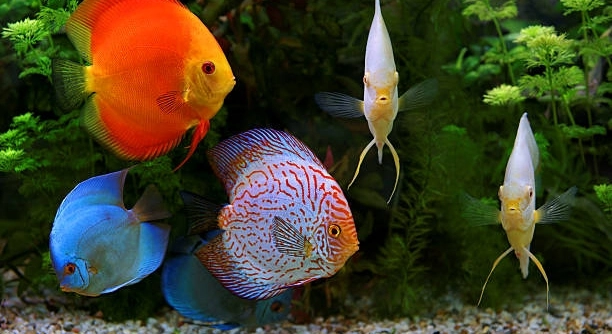
Are your discus fish often shy or easily startled in their tank environment? Many hobbyists find that keeping a calm group can be challenging without the right approach. Understanding their behavior helps improve their well-being and display. Calming a skittish group of discus involves minimizing sudden movements, maintaining stable water conditions, providing hiding spots, feeding … Read more

7 Foods to Avoid When Feeding Discus Fish

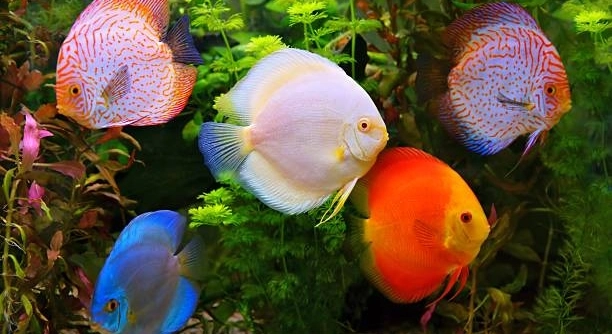
Are you trying to keep your discus fish healthy but feel unsure about which foods might do more harm than good? These fish have delicate systems, and feeding them the wrong foods can lead to serious problems. Certain foods can harm discus fish by disrupting their digestive system, affecting water quality, or introducing harmful bacteria. … Read more

Should You Add Salt to a Discus Tank?

Have you ever found yourself wondering if adding salt to your discus tank might help improve their overall health and comfort? This common concern comes up often for fishkeepers caring for these sensitive freshwater fish. Adding salt to a discus tank is generally not recommended. Discus are sensitive to changes in water chemistry, and salt … Read more

7 Signs Your Discus Fish Is Ready to Breed

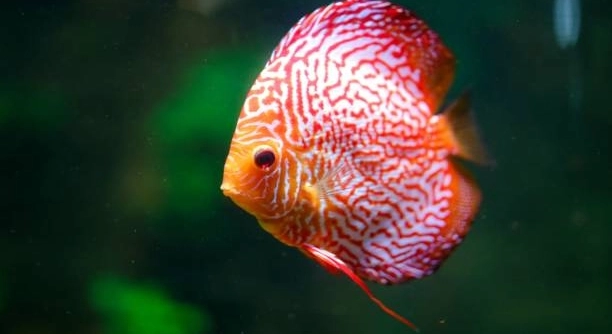
Discus fish are popular in the aquarium hobby for their bright colors and unique shape. Many enthusiasts want to breed them but may not recognize when their fish are ready. Identifying breeding signs is essential for successful care. Discus fish exhibit specific behaviors and physical changes indicating readiness to breed. These include color intensification, pairing … Read more

7 Breeding Setups That Avoid Egg Loss

Breeding animals often face challenges that lead to egg loss, which can be frustrating for breeders. Managing the right environment and setup is crucial to protect eggs and support healthy development. This article explores effective ways to avoid these common problems. To prevent egg loss, breeders must use setups that minimize disturbance, provide proper temperature … Read more

Is It Safe to Move Discus During Breeding?

Moving discus fish during breeding can be a delicate matter. These fish are known for their sensitive nature, especially when preparing to spawn or caring for their fry. Many aquarists wonder about the safest way to handle them in this phase. It is generally unsafe to move discus fish during breeding as it can cause … Read more

7 Unexpected Signs Your Discus Is Thriving

Discus fish are admired for their vibrant colors and graceful swimming. Many owners focus on obvious signs like eating habits, but there are less obvious clues that show your discus is truly thriving. Recognizing these can improve your care routine. Healthy discus exhibit consistent activity levels, clear eyes, vibrant coloration, regular breathing, strong appetite, social … Read more

Why Are My Discus Not Bonding in Pairs?

Are your discus fish showing little interest in bonding as pairs despite your efforts? Many fishkeepers experience this challenge when trying to encourage natural pairing behaviors. Understanding the reasons behind this can improve their well-being and your aquarium experience. Discus fish may not bond in pairs due to factors such as stress, inappropriate tank conditions, … Read more

7 Reasons Your Discus Fry Are Vanishing Overnight

Many aquarium owners enjoy raising discus fry but often notice they disappear overnight without clear reasons. This can be frustrating and puzzling when caring for these delicate fish. Understanding the causes can help improve their survival. Discus fry often vanish overnight due to factors like poor water quality, inadequate feeding, predation, stress, or disease. These … Read more

Can Discus Survive in Cooler Temperatures?

Discus fish are popular in home aquariums for their bright colors and graceful swimming. Many people keep them in warm tanks to mimic their natural habitat. Understanding how they handle cooler water is important for their care. Discus fish generally do not thrive in cooler temperatures, as they are tropical species adapted to warm, stable … Read more