
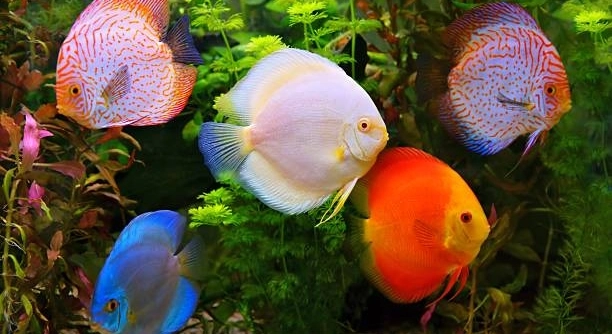
Discus fish are popular in home aquariums for their bright colors and graceful swimming. Many people keep them in warm tanks to mimic their natural habitat. Understanding how they handle cooler water is important for their care.
Discus fish generally do not thrive in cooler temperatures, as they are tropical species adapted to warm, stable water between 82°F and 86°F (28°C to 30°C). Exposure to colder water can stress them, weaken their immune system, and increase susceptibility to disease.
Knowing how discus respond to temperature changes helps keep them healthy and comfortable in your aquarium environment.
How Cooler Temperatures Affect Discus Behavior and Health
Discus fish are sensitive to changes in their environment, especially temperature shifts. When the water cools down, their metabolism slows. This means they eat less and become less active. In cooler water, discus may hide more and swim less, which can make it harder to tell if they are healthy. Prolonged exposure to temperatures below their ideal range can weaken their immune system, making them more prone to infections. Some discus might develop stress-related issues like fin rot or other diseases. It is also common to see changes in their color, with some losing their vibrant hues. Maintaining stable water temperature is key to avoiding these problems. Sudden temperature drops should be avoided to reduce stress. Overall, cooler water makes discus more vulnerable and less lively, which affects their overall well-being.
Lower temperatures can significantly reduce discus fish’s immune response, leading to higher risks of illness.
Understanding these effects helps in making adjustments to care routines and aquarium setup, ensuring discus remain healthy even if minor temperature changes occur.
Ideal Temperature Range for Discus Fish
Discus fish thrive best in warm water between 82°F and 86°F (28°C to 30°C). Temperatures below 78°F (25.5°C) can cause health issues. When water gets cooler than this, discus become sluggish, and their digestion slows. Prolonged exposure to temperatures outside this range stresses the fish, reducing their ability to fight off diseases. Many hobbyists use heaters and thermostats to keep the temperature steady, avoiding fluctuations that can harm discus. Besides temperature, water quality also plays a big role in their health. Cooler water can hold more oxygen but often means slower metabolism, so feeding must be adjusted accordingly. Keeping the tank warm helps discus stay active, eat well, and show their best colors. Regular monitoring of water temperature ensures the fish’s environment remains stable and comfortable.
Proper equipment and careful observation can prevent temperature-related problems and support discus well-being long term.
Signs of Stress in Discus Due to Cooler Temperatures
Discus fish under temperature stress often show slow movements and loss of appetite. Their colors may fade, and they might isolate themselves from other fish. These behaviors signal discomfort and possible health issues that need attention.
When discus experience colder water, their immune systems weaken. This can lead to infections such as fin rot and bacterial diseases. Stress also makes healing slower and can cause long-term damage if not corrected quickly. You might notice them gasping near the surface or hiding more often. Sometimes, discus develop white spots or patches as signs of illness. These symptoms require immediate action to restore proper temperature and care. Regular water checks and maintaining warmth can prevent these problems.
Adjusting feeding routines helps too, as discus eat less in cooler water. Offering easily digestible food reduces strain on their digestive system. Keeping an eye on water temperature is essential to avoid repeated stress episodes that harm your fish’s health.
How to Safely Adjust Water Temperature for Discus
Gradual temperature changes are crucial for discus health. Sudden shifts can shock their systems, causing stress or illness.
To raise or lower the water temperature, adjust heaters slowly, about 1–2°F per day. This allows discus to adapt without shock. Using reliable heaters with thermostats helps maintain steady temperature. Avoid placing the tank near drafts or direct sunlight to prevent sudden changes. Monitoring the temperature daily ensures the environment remains stable. If you need to cool the water, use fans or partial water changes with cooler water, but do it carefully to avoid rapid drops. Consistency in temperature supports discus wellbeing, preventing unnecessary stress and disease risks. Planning these adjustments ahead helps keep discus healthy and comfortable in their aquarium.
Can Discus Survive Brief Cooler Spells?
Discus can tolerate short periods of cooler water, but only if temperatures don’t drop too low. Brief exposure to slightly cooler water may cause mild stress but won’t usually lead to serious problems.
However, repeated or prolonged drops below 78°F (25.5°C) can harm discus health. It’s important to restore warm conditions quickly to avoid lasting effects.
Tips to Keep Discus Healthy in Cooler Climates
Using an aquarium heater with a reliable thermostat is essential for maintaining stable temperatures in cooler homes. Insulating the tank with foam or blankets can reduce heat loss. Avoid placing tanks near windows, doors, or air vents that cause drafts. Regularly monitor temperature fluctuations and adjust heating as needed. During colder months, consider using supplemental lighting to increase water warmth. Feeding discus smaller meals can help since their metabolism slows down. Keeping water clean and stable improves their resistance to temperature stress. These steps create a safer environment for discus in cooler climates.
The Role of Aquarium Equipment in Temperature Control
Good equipment helps maintain the stable temperature discus need.
FAQ
Can discus survive in temperatures below 78°F?
Discus can survive short periods below 78°F, but it’s not ideal. Prolonged exposure to cooler temperatures weakens their immune system and slows metabolism. This makes them more prone to illness and stress. Keeping water between 82°F and 86°F is best for their health and activity.
What happens if discus stay too long in cool water?
If discus stay too long in cool water, they may stop eating and become inactive. Their immune defenses drop, leading to infections like fin rot or parasites. Over time, this stress can cause permanent health problems or even death if the temperature isn’t corrected.
How fast should I change tank temperature for discus?
Temperature changes should be slow and steady. Adjust the heater by about 1–2°F per day to avoid shocking the fish. Sudden temperature swings can cause stress and damage their immune system. Use a good thermostat and check temperature daily to keep it stable.
Are there any signs that discus are stressed from cold?
Yes, stressed discus may lose color and hide more. They might stop eating or swim slowly. Other signs include clamped fins, gasping at the surface, or white spots on their body. Early detection helps prevent serious illness, so watch your fish carefully.
Can discus adapt to cooler temperatures over time?
Discus don’t naturally adapt well to cooler water because they are tropical fish. While they can survive mild, short-term drops, keeping them in cooler water long-term harms their health. It’s best to provide warm, stable temperatures for their comfort and survival.
Is it okay to keep discus with other fish in cooler tanks?
Keeping discus with other fish in cooler tanks can increase stress for all species. Many tank mates that tolerate cooler water don’t share the same temperature needs as discus. This can create an unhealthy environment. Choose tank mates carefully and maintain proper temperature for discus.
What equipment is best to maintain discus tank temperature?
A reliable aquarium heater with a thermostat is essential. It keeps water temperature steady and prevents dangerous drops. Insulating the tank with foam or blankets can help in cooler rooms. Using a thermometer to monitor temperature daily is important. Avoid cheap or faulty heaters that cause fluctuations.
How does cooler temperature affect discus feeding?
Cooler water slows discus metabolism, so they eat less. Overfeeding in cold water can lead to poor digestion and water quality issues. Feed smaller, more frequent meals with easy-to-digest food. Watch how much your discus eat and adjust feeding accordingly.
Can I use a chiller in a discus tank?
Generally, chillers are not recommended for discus tanks because they prefer warm water. If temperatures rise too high, using a chiller carefully can help, but cooling should be gradual. Always monitor discus behavior closely when using any cooling method.
What are the risks of temperature fluctuations for discus?
Temperature swings cause stress and weaken immune defenses, making discus vulnerable to diseases. Fluctuations can also disrupt their breathing and digestion. Stable water temperature is key to preventing health issues and keeping discus active and colorful.
How can I prepare my discus tank for winter?
Increase heater wattage if needed and insulate the tank to prevent heat loss. Keep the room temperature steady and avoid drafts. Check heaters and thermostats regularly. Consider supplemental lighting to maintain warmth. Monitor water temperature daily and adjust as needed.
Are discus eggs affected by cooler temperatures?
Yes, discus eggs require warm, stable temperatures to develop properly. Cooler water slows development and can cause eggs to die or hatch weak fry. Maintaining a consistent warm environment is crucial during breeding and raising young discus.
What water temperature is best for discus breeding?
The best temperature for breeding discus is around 82°F to 86°F. This range supports egg fertilization, incubation, and fry growth. Cooler temperatures delay hatching and may reduce survival rates of the young fish.
How quickly can discus recover after exposure to cold water?
Recovery depends on how long they were exposed and how cold the water was. If temperature returns to optimal quickly, discus can bounce back within days to weeks. Prolonged exposure or very low temperatures can cause lasting damage, making recovery slower or impossible.
Can stress from cold water cause diseases in discus?
Yes, stress from cold water weakens discus’ immune systems, making them vulnerable to bacterial, fungal, and parasitic infections. Common illnesses triggered by temperature stress include fin rot and ich. Preventing stress through temperature control is vital to keeping discus healthy.
What’s the safest way to lower discus tank temperature temporarily?
Lower temperature slowly by 1–2°F per day using fans or partial water changes with cooler water. Avoid sudden drops to prevent shock. Monitor fish closely for signs of stress during this time and return temperature to optimal as soon as possible.
Are there specific discus varieties more tolerant of cooler temperatures?
Most discus varieties share similar temperature needs, but some strains may be slightly hardier. Still, no discus breed truly thrives in cooler water long-term. All require warm, stable conditions for best health and color vibrancy.
Does water temperature affect discus color?
Yes, cooler water often dulls discus colors. Warm water helps maintain their bright, vibrant appearance. Stress from cold can cause fading or patchiness. Keeping temperature stable supports their natural beauty.
Can I mix discus with coldwater fish species?
It’s not recommended to mix discus with coldwater fish because their temperature needs conflict. Coldwater fish prefer cooler temperatures that harm discus. Mixing can lead to stress and health problems for all fish involved.
How important is temperature stability compared to other water parameters?
Temperature stability is just as important as pH, hardness, and cleanliness. Sudden changes in temperature can cause immediate stress, while other parameters tend to change more slowly. Keeping temperature steady helps discus maintain health and reduces disease risk.
What should I do if my discus show signs of cold stress?
Immediately check and raise the water temperature to the ideal range slowly. Improve tank insulation and check heater function. Remove any sick fish to prevent spread of illness. Feed small amounts of nutritious food and monitor behavior closely. If symptoms worsen, seek advice from an aquatic vet or specialist.
Final Thoughts
Discus fish are beautiful and delicate creatures that need warm and stable water to stay healthy. Cooler temperatures can cause many problems for them, from slowing their metabolism to making them sick. It’s clear that discus are not built to live in cold water for long periods. Keeping their tank between 82°F and 86°F is important to help them thrive and show their best colors. If the water gets too cold, they can become stressed and more vulnerable to disease, which can quickly lead to serious health issues. Paying attention to temperature is one of the easiest and most important ways to care for discus.
It is also important to understand how to handle temperature changes safely. Sudden shifts in water temperature can shock discus, causing stress or even death. Slow and steady adjustments are necessary when raising or lowering the water temperature. Using a reliable heater with a thermostat and insulating the tank are good steps to keep water warm and stable. Even in cooler homes or during winter months, these precautions help discus remain comfortable. Watching your fish closely for signs of stress can help catch problems early. Feeding them smaller amounts when the water is cooler can also reduce digestive stress.
Overall, discus care requires attention to many details, but temperature is one of the most critical. Providing a warm, steady environment will give your discus the best chance at good health and longevity. While discus may survive brief cooler spells, they do best in consistent warmth. Taking these temperature guidelines seriously will help ensure your discus live a healthy and happy life in your aquarium. Maintaining proper conditions shows respect for these sensitive fish and allows you to enjoy their beauty for years to come.

Hello,
If you enjoy the content that we create, please consider saying a "Thank You!" by leaving a tip.
Every little bit helps us continue crafting quality advice that supports the health, happiness, and well-being of pets around the world, for pets of all shapes, sizes, and species.
We really appreciate the kindness and support that you show us!