
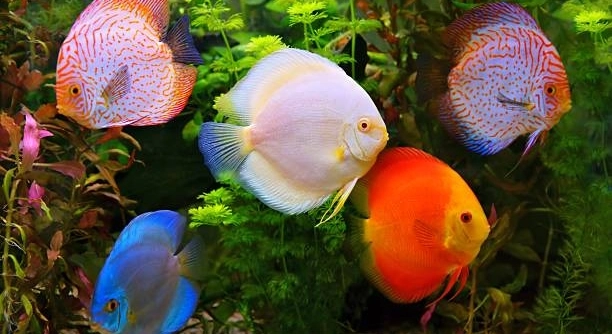
Have you ever found yourself wondering if adding salt to your discus tank might help improve their overall health and comfort? This common concern comes up often for fishkeepers caring for these sensitive freshwater fish.
Adding salt to a discus tank is generally not recommended. Discus are sensitive to changes in water chemistry, and salt can stress their system rather than provide benefits. Only specific health issues may warrant minimal, short-term salt use.
Understanding when and why salt might be used can help you make safer choices for your discus. Let’s explore what the experts say and how to approach this topic responsibly.
Why Some Aquarists Use Salt in Freshwater Tanks
Some aquarists use salt in freshwater tanks to treat minor health problems like mild infections or to manage external parasites. Salt can sometimes help with osmoregulation, especially when fish are stressed or healing. It may also reduce nitrite toxicity temporarily. However, discus fish are known for their sensitivity, and salt can irritate their gills or affect their slime coat when used improperly. Even small doses that work for hardier species may be too much for discus. Many experienced keepers avoid routine salt use with discus, opting instead for clean water, stable conditions, and targeted medications when needed.
Salt should not be part of a discus tank’s regular maintenance routine. Its benefits do not outweigh the risks for these sensitive fish.
A clean tank, soft water, and low stress are the most effective ways to keep discus healthy. Salt use should be minimal and only for specific, short-term treatments.
Risks of Adding Salt to a Discus Tank
Discus fish are highly sensitive to changes in water chemistry. Adding salt can lead to stress, which weakens their immune response.
When salt is added to a discus tank, the change in osmotic balance can place unnecessary pressure on the fish’s system. This stress can show up as lethargy, reduced appetite, or erratic swimming. Long-term exposure, even in low concentrations, may damage delicate tissues, especially the gills. Since discus prefer soft, slightly acidic water, the mineral content in salt runs counter to their natural habitat needs. Additionally, salt does not address root causes of disease or poor water quality, and using it as a preventive measure can create more problems than it solves. For mild infections, targeted treatments designed for discus are a safer and more effective choice. Salt baths in a separate container may be an option, but they must be carefully monitored. It’s always best to consult species-specific guidelines before using any additive in your main tank.
When Salt Might Be Appropriate
Salt can be used in very specific cases, such as treating minor external parasites like ich or mild fungal issues. In these situations, a short salt bath outside the main tank may help reduce symptoms without harming tankmates.
When preparing a salt bath, always use non-iodized aquarium salt and follow a strict dosage—usually one tablespoon per gallon. Place the affected discus in the bath for 5 to 10 minutes, observing carefully for signs of distress. This method avoids exposing the entire tank to salt, which is important since other fish or plants may not tolerate it well. It’s also a temporary approach and should not replace proper medications or quarantine procedures. The goal is to provide quick relief without disrupting the tank’s delicate ecosystem. Salt baths are generally a last resort after other options have been considered, and they require careful attention and accurate measurement.
Before using salt, rule out other issues like poor water quality or stress from overcrowding. Clean, stable conditions are usually enough to support recovery in discus. When salt is used as a shortcut, it often masks deeper problems that need attention. Long-term success with discus comes from consistent care, not routine chemical adjustments or treatments. Salt should never be a substitute for responsible tank management.
Alternatives to Using Salt
Medications designed specifically for discus are a safer option when treating health issues. Look for products that target specific infections or parasites and follow all instructions carefully to avoid overdosing or resistance.
Maintaining excellent water quality is still the most effective way to support discus health. Regular water changes, stable temperatures, and a proper diet all help prevent disease. Quarantining new fish before introducing them to the tank is also important, as it reduces the risk of spreading illness. Natural treatments like Indian almond leaves can offer mild antibacterial benefits without disrupting water chemistry. If medications are needed, use ones that are proven safe for soft-water fish. Avoid general-use treatments that may harm sensitive species. Discus thrive in calm, stable environments, so anything that alters their conditions should be done with care. When in doubt, consult experienced breeders or aquatic veterinarians who understand the needs of this species.
Monitoring Your Discus for Signs of Stress
Look for changes in behavior, such as hiding more than usual, clamped fins, or darkened colors. These are often early signs that something in the tank isn’t right and needs attention.
Loss of appetite, heavy breathing, or scratching against surfaces can also signal stress or illness. Catching problems early helps avoid larger issues.
Keeping Your Water Parameters Stable
Discus do best in soft, slightly acidic water with a stable temperature around 82–86°F. Use a reliable heater and test your water regularly for ammonia, nitrite, nitrate, pH, and hardness. Weekly water changes of 25–50% help remove waste and maintain ideal conditions. Avoid sudden changes that can shock the fish, especially when adjusting temperature or pH. Always match new water closely to tank water when doing water changes. A consistent environment is key to preventing stress-related illnesses and avoiding the need for extra treatments like salt or medications. Stability allows discus to stay healthy and display their natural colors and behaviors.
Final Thoughts on Salt Use
Salt should only be used when truly necessary. Most discus health problems can be avoided or managed with clean water, consistency, and close observation.
FAQ
Is it safe to add salt to a discus tank regularly?
Regularly adding salt to a discus tank is not safe. Discus are sensitive to salt, and even small amounts can cause stress or damage their delicate tissues over time. Salt can disrupt the natural water chemistry they need, so it should only be used for short-term treatments in specific cases.
Can salt improve discus health if added occasionally?
Occasional salt additions are unlikely to improve discus health and may actually do more harm than good. Healthy discus thrive in stable, soft, and slightly acidic water without salt. Occasional use should be limited to clear medical reasons, like treating parasites, and even then only with proper dosing.
How do I treat parasites in discus without using salt?
Parasites can be treated with medications specifically designed for discus or soft-water fish. Products containing formalin, copper, or antiparasitic agents are often safer and more effective than salt. It’s also important to quarantine new fish and maintain excellent water quality to prevent outbreaks.
What are the signs that discus might be stressed by salt?
Signs include lethargy, loss of appetite, darkened color, clamped fins, and erratic swimming. Discus might also breathe heavily or scratch themselves on tank decorations. These symptoms mean salt is stressing the fish and should be removed immediately by changing the water.
Can salt help with nitrite poisoning in discus tanks?
Salt can temporarily reduce nitrite toxicity in freshwater tanks by helping fish maintain their ion balance. However, discus are sensitive, so this should be a last resort and only a short-term fix. The best solution is to keep the tank clean and perform regular water changes to prevent nitrite buildup.
Is a salt bath better than adding salt directly to the tank?
Yes. Salt baths isolate the fish from the main tank water and provide a controlled environment for treatment. A short bath can be safer for discus than adding salt to the whole tank, which risks stressing all fish and plants. Baths should be timed carefully and dosed precisely.
What kind of salt is best for discus tanks or baths?
Non-iodized aquarium salt or pure sodium chloride is best. Table salt often contains additives like iodine or anti-caking agents that can harm fish. Always use salt specifically made for aquarium use to avoid chemical contaminants.
How do I prepare a salt bath for discus?
Dissolve one tablespoon of non-iodized aquarium salt per gallon of water. Use tank water or dechlorinated water at the same temperature. Place the discus in the bath for 5 to 10 minutes, watching closely for signs of distress. Remove the fish immediately if stress occurs.
Can plants tolerate salt in a discus tank?
Most freshwater plants do not tolerate salt well. Even low salt levels can cause leaf damage, yellowing, or death. If you add salt, you risk harming the plants and disrupting the tank’s natural balance, which can further stress your discus.
Are there alternatives to salt for improving discus health?
Yes. Stable water parameters, proper diet, quarantine procedures, and targeted medications are safer and more effective. Using natural remedies like Indian almond leaves can also help maintain water quality and support healing without harmful additives.
What should I do if I accidentally add too much salt?
Perform a large water change immediately to reduce salt concentration. Use freshwater that closely matches the tank’s temperature and parameters. Monitor your fish closely for signs of stress and continue partial water changes until salt levels return to safe limits.
Can salt help with fungal infections in discus?
Salt may help mild fungal infections but is not the best treatment. Targeted antifungal medications designed for discus are safer and more reliable. Salt treatments risk irritating the fish further if not carefully controlled.
How often should I test water parameters in a discus tank?
Test key parameters like ammonia, nitrite, nitrate, pH, and hardness weekly. Frequent testing helps catch changes early, allowing prompt action before fish become stressed or sick.
Is it necessary to quarantine new discus before adding them to the main tank?
Yes. Quarantining new fish for at least two weeks helps detect and treat illnesses before they spread. This reduces the risk of introducing parasites or bacteria that might tempt you to use salt or medications.
Can salt affect the beneficial bacteria in the tank?
Yes. Salt can harm beneficial nitrifying bacteria, which are vital for breaking down fish waste. Damaging this bacteria disrupts the nitrogen cycle, leading to poor water quality and increased risk of disease for discus.
What is the best way to maintain discus health without salt?
Focus on stable water conditions, regular water changes, proper feeding, and disease prevention. Keep stress low by avoiding overcrowding and maintaining a peaceful environment. Promptly address any health issues with appropriate medications rather than relying on salt.
Final Thoughts
Adding salt to a discus tank is a topic that often comes with many opinions. While salt can be useful in certain situations, it is not a necessary or routine part of caring for discus fish. These fish are sensitive to changes in their environment, and adding salt regularly can cause stress or harm. The key to keeping discus healthy lies more in maintaining stable water conditions, providing a proper diet, and watching for early signs of illness. Salt should only be used when there is a clear medical reason, such as treating parasites or specific infections, and even then, it should be done with caution.
Water quality is the foundation of a healthy discus tank. Soft, slightly acidic water with stable temperature and minimal fluctuations supports the natural health of discus fish better than adding salt. Regular water changes and careful monitoring of water parameters help prevent many common issues. Quarantining new fish before introducing them to the main tank reduces the chance of introducing disease. These practices reduce the need for treatments like salt, which may disrupt the balance in the aquarium. By focusing on these basic care steps, discus owners can avoid many problems and keep their fish thriving without adding unnecessary chemicals.
When salt is necessary, it should be used carefully and only for a short period. Overuse or incorrect dosing can cause more harm than good. Alternative treatments designed specifically for discus are often safer and more effective. Observing your fish daily for any changes in behavior or appearance allows you to catch issues early. Overall, maintaining a stable and clean environment is the best approach for discus care. Salt is just one tool and not a cure-all. Discus will benefit most from consistent, attentive care that prioritizes their specific needs over quick fixes.

Hello,
If you enjoy the content that we create, please consider saying a "Thank You!" by leaving a tip.
Every little bit helps us continue crafting quality advice that supports the health, happiness, and well-being of pets around the world, for pets of all shapes, sizes, and species.
We really appreciate the kindness and support that you show us!