
7 Adjustments to Fix Uneven Growth in Discus
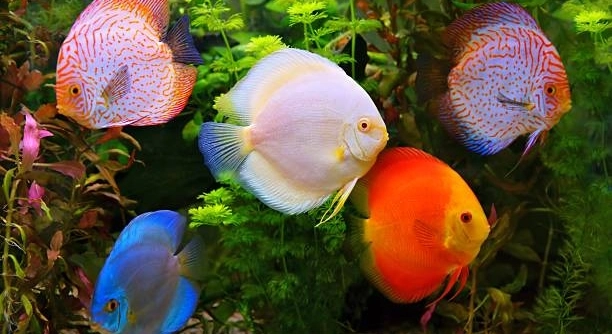
Uneven growth in discus fish is a common concern for many hobbyists who want healthy, balanced aquariums. Understanding how to address this issue can improve the wellbeing of your fish. Small changes often lead to better overall results. Uneven growth in discus fish is usually caused by factors such as nutrition imbalance, water quality, tank … Read more

7 Good Tankmates That Don’t Bother Discus

Many fishkeepers enjoy keeping discus because of their graceful movements and bright colors. However, choosing tankmates that don’t stress discus can be challenging. It is important to find peaceful companions that share a similar environment. Good tankmates for discus are typically calm, non-aggressive fish that thrive in warm, soft water. These include species like cardinal … Read more

How Often Should You Feed Juvenile Discus?

Are your young discus fish growing fast but leaving you unsure about how often to feed them each day? It can be tricky to find the right routine when they’re still developing and adjusting to their tank. Juvenile discus should be fed small portions 3 to 5 times per day to support healthy growth and … Read more

Can Discus Fish Be Kept Without Light?

Discus fish are popular for their vibrant colors and calm nature in home aquariums. Many hobbyists focus on water quality and diet but may overlook the role of lighting. Understanding lighting needs is important for their care. Discus fish require some level of light for natural behavior and health, but they can tolerate low light … Read more

7 Tank Habits That Make Discus Fish Unhappy

Many aquarium enthusiasts enjoy keeping discus fish for their vibrant colors and graceful movements. However, these fish require specific care to remain healthy and content in their environment. Certain common tank habits can cause stress and unhappiness for discus fish. Discus fish are sensitive to changes in water quality, overcrowding, improper feeding, inadequate tank maintenance, … Read more

Should You Use a Heater for Discus Fish? (Yes, Here’s Why)

Heated tanks are a common feature in many freshwater aquariums, especially when housing tropical fish like discus. Maintaining a stable environment is crucial for their well-being. This article explains why using a heater benefits discus fish care. Using a heater for discus fish is essential because they require warm, consistent water temperatures between 82°F and … Read more

Should You Use a Light Timer for Discus?

Many discus keepers want to provide the best environment for their fish. Lighting plays an important role in their health and behavior. Using a light timer can help manage this aspect efficiently and consistently. Using a light timer for discus tanks ensures a stable light cycle, which supports the fish’s natural rhythms and overall well-being. … Read more

7 Easy Mistakes When Introducing New Discus

Introducing new discus fish to your aquarium can be exciting but also challenging. Many hobbyists make simple mistakes that affect the health and adjustment of these delicate fish. Knowing what to avoid helps ensure a smooth transition for your new discus. Common mistakes when introducing new discus include poor acclimation, incorrect water parameters, overfeeding, and … Read more

7 Natural Additives That Discus Benefit From

Discus fish are known for their vibrant colors and graceful movements, making them popular among aquarium enthusiasts. Providing the right environment and nutrition is essential for their health and appearance. Natural additives can play an important role in their care. Natural additives that benefit discus include ingredients like spirulina, garlic, and Indian almond leaves. These … Read more

Why Is One Discus Chasing All the Others?

Many discus fish show interesting behaviors when kept together in aquariums. Sometimes, one discus will swim closely behind the others, seeming to chase them around. This unusual action can catch the eye of any fish enthusiast or aquarium keeper. The behavior of one discus chasing others often relates to social hierarchy and territorial instincts. It … Read more