
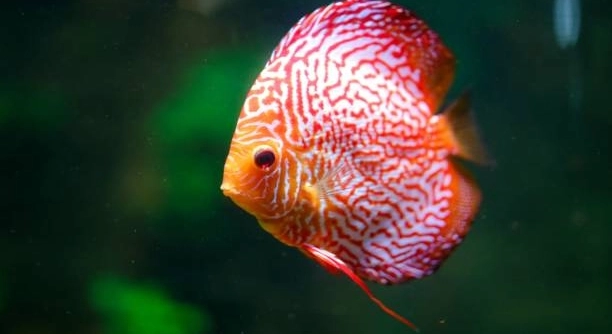
Moving discus fish during breeding can be a delicate matter. These fish are known for their sensitive nature, especially when preparing to spawn or caring for their fry. Many aquarists wonder about the safest way to handle them in this phase.
It is generally unsafe to move discus fish during breeding as it can cause significant stress and disrupt their reproductive behaviors. Stress from relocation may lead to abandoned eggs or fry, and negatively impact the parents’ health and breeding success.
Understanding the risks and best practices for handling discus during breeding can help maintain a healthy environment for these beautiful fish and increase the chances of successful breeding.
Why Moving Discus During Breeding Causes Stress
Discus fish are very sensitive, especially when they are breeding. Moving them during this time can shock their system. The sudden change in environment makes them anxious and can interfere with their natural behavior. They may stop caring for their eggs or fry, which reduces the chances of survival. Stress can also weaken their immune system, making them more vulnerable to illness. The breeding process requires calm and stability. Changes like water movement, noise, or new surroundings are often enough to upset the fish. It is important to keep the breeding tank quiet and stable to support the discus in this critical phase. Observing them from a distance is best, avoiding unnecessary handling or relocation.
Even small movements can have big effects on discus breeding behavior and health.
Taking time to create a calm breeding environment is essential for success.
Signs of Stress in Breeding Discus
Signs of stress in discus during breeding are usually clear. They may stop cleaning the eggs or guarding the fry. You might notice unusual hiding or loss of color. Sometimes, the fish become aggressive or refuse to eat. These signs indicate the fish are uncomfortable or scared. Stress can lead to poor breeding outcomes and even health problems. Watching for these signs helps catch problems early. Acting quickly to reduce stress can save the breeding effort. If you notice these signs, avoid disturbing the fish further. Instead, focus on improving water quality and keeping the tank quiet.
Discus fish rely heavily on routine and comfort during breeding.
Minimizing disturbances keeps stress low and promotes healthy breeding.
Best Practices for Handling Discus During Breeding
When breeding discus, it’s best to avoid moving them as much as possible. If moving is necessary, prepare carefully. Use a small container filled with water from the breeding tank. This helps maintain water quality and reduces shock. Handle the fish gently and minimize time outside the tank. Keep lighting and temperature consistent during the move. After relocating, watch for any signs of stress or unusual behavior. Give the fish time to adjust without further disturbance. Supporting stable conditions will help the discus feel safe. Consistent water parameters, quiet surroundings, and gentle care are key to successful breeding. Avoid sudden changes or rough handling to protect both parents and fry. By following these steps, you improve the chances of a healthy, thriving discus brood.
Timing Matters When Moving Discus
Moving discus during breeding is safest only after the fry have become more independent. Early relocation can disrupt parental care and cause the parents to abandon their young. Waiting until the fry can swim freely reduces stress and improves survival chances.
Discus fry start swimming on their own around two to three weeks after hatching. Before this, parents provide constant care and protection, so moving them too soon puts both adults and fry at risk. After this point, the fry are better equipped to handle changes and can adapt more quickly to a new environment. Moving discus after this stage helps keep the family intact while minimizing stress.
Careful planning around timing makes a big difference in protecting your breeding discus. Patience here helps maintain the health of both parents and offspring.
Preparing the New Environment
The new tank should closely match the original breeding setup to avoid stressing the discus. Stable water temperature, pH, and clean conditions are essential. Use water from the breeding tank to fill the new one. This helps maintain familiar water chemistry.
Gradual acclimation is crucial. Slowly introduce the discus to the new environment by adjusting water parameters over several hours. Avoid sudden temperature or pH shifts. Keep lighting soft and provide hiding places to help them feel secure. Minimizing disturbances after the move supports a smooth transition. This care helps discus settle faster and continue healthy behaviors.
Taking the time to prepare the new tank thoroughly can prevent many problems later and protect your fish’s well-being.
Minimizing Stress During Transport
Keeping the discus calm during transport is vital. Use a small container with tank water, and avoid overcrowding. Gentle handling and minimal movement help reduce anxiety.
Transporting in low light also helps keep the fish calm. Avoid loud noises and sudden motions around the container.
Monitoring After the Move
Watch the discus closely after relocation. Look for signs of stress like hiding, loss of appetite, or unusual behavior. Early detection allows for quick action.
Keep water quality high and maintain stable conditions. Avoid adding new fish or making changes during this adjustment period.
Using a Quarantine Tank
A quarantine tank helps protect both breeding discus and the main tank. It prevents the spread of disease during stressful times. Keep quarantine conditions stable and clean.
Feeding Tips Post-Move
Offer easy-to-digest, high-quality foods. Avoid overfeeding to prevent water issues. Consistent feeding supports recovery and reduces stress.
FAQ
Is it ever safe to move discus during breeding?
Moving discus during breeding is generally not safe, especially while eggs or fry are present. The stress caused by relocation can lead to parents abandoning their eggs or fry, reducing survival rates. Only move discus after the fry are free-swimming and more independent, usually around two to three weeks after hatching. At this stage, they can better handle changes and stress.
How should I move discus if it’s absolutely necessary?
If you must move breeding discus, do it carefully. Use a small container filled with water from the original tank to avoid shocking the fish. Keep the container stable and avoid overcrowding. Transport the fish in low light and a quiet environment to reduce stress. Once in the new tank, acclimate them slowly by matching water conditions gradually.
What signs show that discus are stressed after moving?
Signs of stress include hiding, loss of appetite, faded colors, and unusual aggression or lethargy. Parents may stop cleaning eggs or guarding fry if stressed. If you notice these behaviors, minimize disturbances and maintain stable water conditions to help the discus recover.
Can moving discus affect the success of breeding?
Yes, moving discus during breeding often negatively impacts success. Stress disrupts natural behaviors like egg cleaning and fry protection, leading to lower survival rates. Maintaining a calm, stable environment during breeding is essential for good outcomes.
How long should I wait to move discus after breeding starts?
Wait until the fry are free-swimming and somewhat independent, usually two to three weeks post-hatching. Moving discus earlier can cause parents to abandon their brood or increase mortality in the fry.
Should the new tank have special conditions for breeding discus?
Yes, the new tank should closely match the breeding tank’s water temperature, pH, and cleanliness. Using water from the breeding tank helps keep water chemistry familiar. Providing hiding spots and keeping lighting gentle also supports discus comfort.
Is it necessary to quarantine discus after moving?
Quarantining is highly recommended to protect both the discus and the main tank. It helps prevent disease spread during the stressful relocation period. Keep quarantine tanks clean and stable for the best results.
What feeding adjustments should be made after moving discus?
Offer easily digestible, high-quality foods to reduce stress on their digestive system. Feed small amounts consistently and avoid overfeeding to keep water quality high. Good nutrition supports recovery and overall health during adjustment.
Can I move discus multiple times during breeding?
Multiple moves increase stress and risk failure. It’s best to limit handling and relocation to a single, well-planned move if necessary. Frequent disturbance can severely disrupt breeding behaviors.
What else can I do to help discus breed successfully?
Keep water conditions stable, maintain a calm environment, and avoid unnecessary handling. Regular water changes and good filtration support health. Observing behavior quietly allows you to respond promptly if problems arise.
Moving discus during breeding is a sensitive task that requires careful consideration. These fish are naturally prone to stress, especially when they are caring for eggs or fry. Disturbing them during this time can lead to negative outcomes, such as parents abandoning their young or even health issues for the adults. Maintaining a stable and calm environment throughout the breeding period is essential for the wellbeing of both the parents and the offspring. It’s important to understand that discus need time and space to complete their breeding cycle without interruptions.
If moving the discus is unavoidable, it should be done with great care and proper preparation. The new environment should closely resemble the original breeding tank to reduce shock. Using water from the breeding tank helps maintain familiar water conditions. Transport should be done quietly, in low light, and with gentle handling to avoid unnecessary stress. After moving, closely monitoring the discus for signs of stress is important. Providing a calm atmosphere and stable water parameters during this adjustment phase supports their recovery and increases the chances of successful breeding.
In summary, patience and planning are key when dealing with discus breeding and relocation. Avoid moving discus during the early breeding stages to protect the eggs and fry. When relocation is necessary, preparing both the fish and the new tank properly will minimize stress and promote healthy breeding behaviors. Understanding the needs of discus during this delicate time helps create the best environment for their growth and survival. Following these guidelines can make a significant difference in the success of breeding discus in home aquariums.

Hello,
If you enjoy the content that we create, please consider saying a "Thank You!" by leaving a tip.
Every little bit helps us continue crafting quality advice that supports the health, happiness, and well-being of pets around the world, for pets of all shapes, sizes, and species.
We really appreciate the kindness and support that you show us!