7 Signs Tiger Barbs Are Feeling Secure

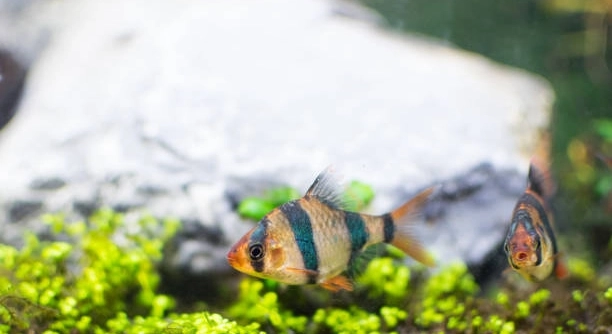
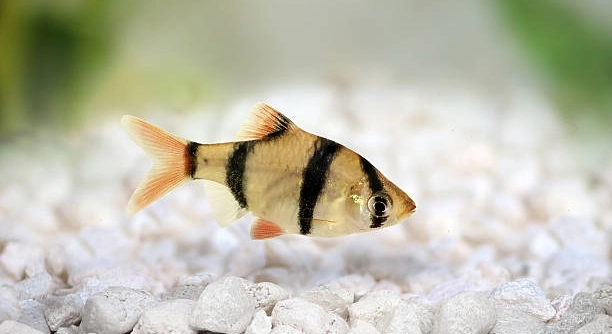
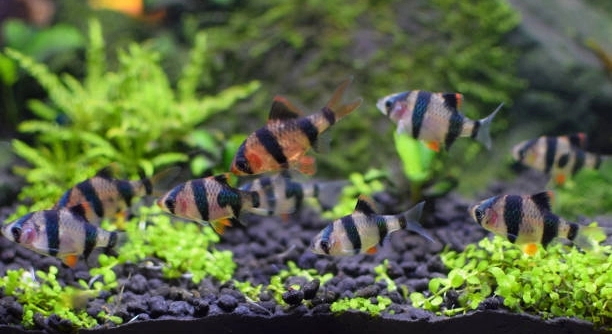
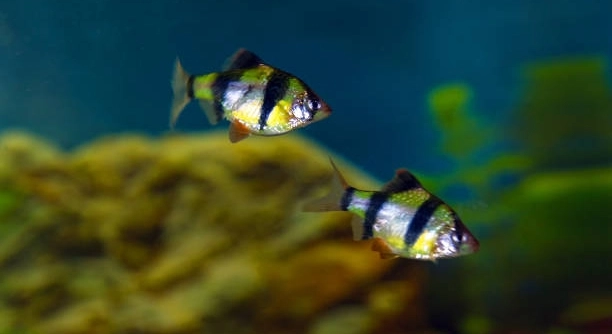
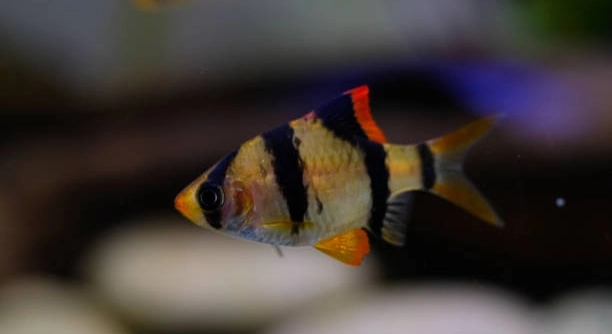
Tiger barbs are popular aquarium fish known for their bright colors and active behavior. Many fishkeepers want to know when these barbs feel safe and comfortable in their tank environment. Recognizing their signs helps ensure proper care and wellbeing. Tiger barbs show security through calm swimming patterns, consistent eating habits, social interaction with tank mates, … Read more
Can Tiger Barbs Get Stuck Behind Decor?

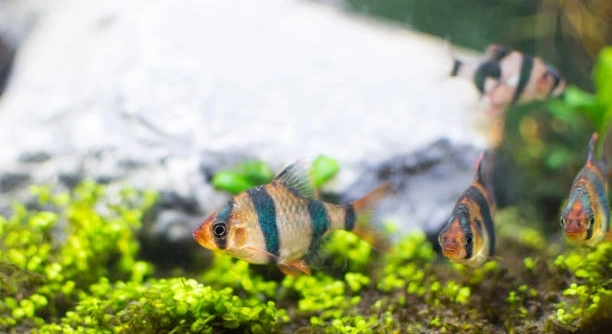
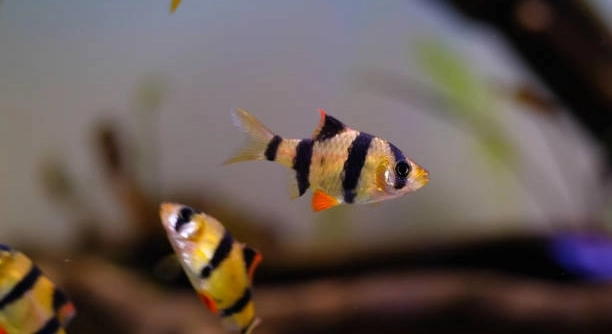
Tiger Barbs are lively freshwater fish that add color and movement to home aquariums. They often explore their environment, swimming around plants, rocks, and various decorations. Their active nature sometimes leads to concerns about safety behind tank ornaments. Tiger Barbs can occasionally get stuck behind aquarium decorations, especially if the spaces are narrow or cluttered. … Read more

Can Tiger Barbs Handle High Flow Filters?

Do you ever find yourself adjusting your aquarium setup and wondering if your tiger barbs can thrive with strong water flow? Tiger barbs can handle moderate to high flow filters, especially when the tank includes plants, rocks, or driftwood that offer shelter and resting spots. Their active swimming behavior makes them naturally suited to stronger … Read more

Do Tiger Barbs Show Affection? (Yes, Here’s How)

Do you ever find yourself watching your tiger barbs and wondering if they can show signs of affection toward each other or even you? Tiger barbs can show signs of affection, primarily through schooling behavior, gentle chasing, and synchronized swimming. These social interactions indicate bonding, comfort, and a sense of safety, especially when housed in … Read more

7 Causes of Bullying in Barb Schools

Bullying in Barb schools affects many students and can impact their learning and well-being. Understanding the causes behind this behavior is important to create safer and more supportive school environments. Many factors contribute to why bullying happens among students. Bullying in Barb schools often stems from social dynamics, family issues, personal insecurities, peer pressure, and … Read more

Can Tiger Barbs Share Space With Shrimp?

Do you ever find yourself setting up a peaceful aquarium, only to worry if all your pets will get along together? Tiger barbs are known to be aggressive fin-nippers, making them an unsafe choice for tanks with shrimp. Their active and territorial behavior often results in shrimp being harassed, injured, or eaten. Learning how these … Read more

7 Reasons Tiger Barbs Keep Picking on One Fish

Tiger barbs are lively fish often chosen for home aquariums due to their vibrant colors and active behavior. However, many owners notice they tend to target a single fish with aggressive behavior. This article explores the common reasons behind this pattern. Tiger barbs pick on one fish primarily because of social hierarchy, territorial disputes, and … Read more

Can Tiger Barbs Learn to Compete Less?

Do your tiger barbs often chase each other around the tank, making you wonder if their behavior can be toned down? Tiger barbs can learn to compete less when kept in larger groups with balanced gender ratios, proper tank size, and enriched environments. These conditions help reduce aggression and support more harmonious group dynamics in … Read more

7 Ways to Improve Water Flow for Barbs

Water flow is important for barbs to stay healthy and active in their aquarium. Proper circulation helps maintain oxygen levels and removes waste, creating a clean environment. Many aquarists seek ways to improve water flow for their fish’s well-being. Improving water flow for barbs involves adjusting the aquarium filter, using powerheads, and optimizing tank setup. … Read more

Why Your Tiger Barb Tank May Need Aeration

Your tiger barb tank may look vibrant, but it could still lack enough oxygen for your fish. Proper aeration helps maintain a healthy environment, supporting your fish’s well-being and preventing stress. This article explains why aeration might be necessary. Oxygen levels in a tank can drop due to overcrowding, poor water circulation, or warm temperatures, … Read more