
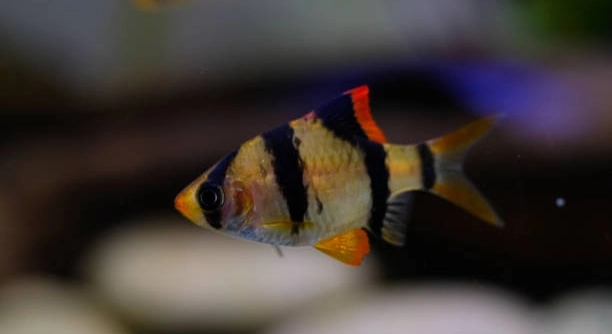
Water flow is important for barbs to stay healthy and active in their aquarium. Proper circulation helps maintain oxygen levels and removes waste, creating a clean environment. Many aquarists seek ways to improve water flow for their fish’s well-being.
Improving water flow for barbs involves adjusting the aquarium filter, using powerheads, and optimizing tank setup. These methods enhance circulation, promote oxygen exchange, and reduce dead zones where water may stagnate. Effective flow supports the overall health of barbs.
These practical steps can help create a better habitat for your barbs and improve their quality of life in the tank.
Adjust Your Aquarium Filter Placement
Proper placement of your aquarium filter is essential to improve water flow for barbs. Filters create the main current in the tank, so positioning the outflow correctly helps distribute water evenly. Aim to direct the flow toward open areas, avoiding spots blocked by plants or decorations. This prevents dead zones where water becomes stagnant, which can harm your fish. You may also consider adjusting the filter’s flow rate to suit the tank size and the barbs’ needs. Too strong a flow might stress the fish, while too weak will not provide enough circulation. Regular maintenance of the filter ensures it works efficiently, avoiding clogging that reduces water movement. Testing different placements and flow rates can help find the best balance for your aquarium setup, keeping your barbs comfortable and healthy.
Proper filter positioning reduces stagnant areas, supporting cleaner water and better oxygen distribution for your barbs.
Fine-tuning your filter setup is often the simplest step to better water flow. Experiment with different angles and heights to see where circulation improves. Moving the filter slightly or changing the direction of the outflow can create a smoother current throughout the tank. This encourages barbs to swim actively and promotes waste removal. Consistent water movement helps maintain a stable environment and reduces algae buildup. Over time, you’ll notice your fish behaving more naturally and thriving in better water conditions. Maintaining clear, flowing water is key to keeping barbs healthy and vibrant.
Use Powerheads for Extra Circulation
Powerheads are small pumps that increase water movement and enhance flow patterns in the tank.
Adding powerheads can create additional currents that reach areas the filter might miss. These devices push water around the aquarium, preventing dead spots and improving oxygen levels. Barbs enjoy swimming in moderate currents, so powerheads also encourage natural activity. Position them so the flow complements the filter without overwhelming the fish. Multiple powerheads can be used in larger tanks for balanced circulation. Be sure to select models appropriate for your tank size to avoid excessive turbulence. Installation is straightforward, and many powerheads come with adjustable flow settings to customize water movement. They also help distribute heat and nutrients evenly throughout the aquarium. Using powerheads enhances the overall environment, making it healthier for your barbs to live in.
Remove Excess Decorations and Plants
Too many decorations and dense plants can block water flow in your tank. Clearing some space helps water circulate better and reduces dead zones. Keep decorations minimal and arrange plants to allow open swim areas.
Excessive clutter creates barriers that disrupt the natural water current. When water flow is blocked, waste accumulates and oxygen levels drop, affecting your barbs’ health. Trimming thick plants and spacing out decorations improves circulation, allowing water to move freely. This also helps prevent buildup of debris in hidden spots. Aim for a balanced layout where barbs have room to swim without obstacles. Open spaces encourage movement and reduce stress caused by stagnant water pockets. Keeping your tank tidy and well-arranged benefits water quality and fish activity.
Carefully pruning plants and reorganizing decorations can make a significant difference. Less obstruction means better flow and cleaner water for your barbs to thrive in.
Regular Water Changes to Maintain Flow
Frequent water changes help maintain water quality and improve flow by removing waste buildup.
Changing about 20-25% of the water weekly keeps the environment clean and oxygen-rich. This practice reduces the concentration of harmful substances that can slow circulation. Fresh water replenishes essential minerals and supports a stable ecosystem. It also prevents sludge from accumulating on the tank bottom, which can block water movement. Maintaining clear water encourages healthy filtration and natural flow patterns. Clean water is easier for barbs to live in, reducing stress and improving their immune systems. Consistent water changes are a simple yet effective way to support water flow and overall tank health.
Choose the Right Filter Size
Using a filter that matches your tank size is critical. A filter that is too small will not circulate water effectively, while one that is too large may create excessive current for barbs. Balance is key.
Filters rated for your aquarium’s volume ensure consistent water movement. This supports proper oxygen exchange and waste removal without stressing the fish. Choosing an appropriate filter also reduces maintenance frequency, keeping water conditions stable and comfortable.
Monitor Flow Rate Regularly
Check the filter and powerhead flow rates to ensure they remain effective. Over time, blockages or wear can reduce circulation, impacting water quality.
Clean Filter Media Properly
Cleaning filter media helps maintain good water flow. Rinse media gently with tank water to avoid killing beneficial bacteria. Regular upkeep prevents clogging and preserves circulation efficiency.
Avoid Overcrowding
Too many fish in the tank can reduce water flow and increase waste production. Keeping the population balanced supports healthier water movement and cleaner conditions.
FAQ
How do I know if the water flow is good for my barbs?
Healthy water flow for barbs creates a gentle, steady current that encourages swimming without overwhelming them. If your barbs are hiding constantly or struggling to swim, the flow might be too strong. On the other hand, if water seems stagnant or you notice debris settling quickly, the flow may be too weak. Observing fish behavior and testing water quality regularly can help you assess if the flow is appropriate. Good flow supports active swimming and keeps the water clean and well-oxygenated, which are signs your barbs are comfortable.
Can too much water flow harm barbs?
Yes, excessive water flow can stress barbs. They prefer moderate currents because very strong currents tire them out and may lead to injury or hiding. Overly strong flow can also cause uneven water temperature distribution and increase waste buildup in certain areas. Adjusting filter output and using flow control devices can help reduce overly strong currents. It’s important to strike a balance that provides enough circulation to keep the water clean but does not overwhelm the fish.
What is the best type of filter for improving water flow?
Canister filters and hang-on-back (HOB) filters are popular choices for barb tanks because they provide good circulation and effective filtration. Canister filters offer strong, adjustable flow and can be positioned to direct water where needed. HOB filters are easier to maintain and can create gentle currents. Sponge filters are useful in smaller tanks but might not generate enough flow for larger setups. The best filter depends on your tank size, barb species, and desired water movement. Combining a filter with a powerhead can improve flow distribution.
How often should I clean my filter to maintain water flow?
Cleaning your filter every 2 to 4 weeks helps maintain good water flow. However, the schedule depends on tank size, stocking levels, and filter type. Avoid over-cleaning filter media, as it contains beneficial bacteria necessary for biological filtration. Use tank water, not tap water, to gently rinse sponges or filter pads. This preserves helpful bacteria while removing debris. Regular maintenance prevents clogging and keeps water moving efficiently, ensuring your barbs have a healthy environment.
Can live plants affect water flow in a barb tank?
Yes, live plants can impact water flow by creating natural barriers and slowing currents. While plants improve water quality by absorbing nutrients and providing shelter, dense growth may reduce circulation if not managed properly. Pruning plants and arranging them to allow open swimming space helps balance flow and plant benefits. Using plants that tolerate moderate flow encourages healthier growth without blocking water movement. The right balance between plants and water flow supports a stable and natural habitat for barbs.
Is it necessary to use powerheads in all barb tanks?
Powerheads are not necessary in every barb tank but can be helpful in larger or heavily planted setups where water flow is uneven. They improve circulation by pushing water into areas a filter may miss. Smaller tanks with efficient filters might not need powerheads, as the filter alone can maintain good flow. Assess your tank’s size and layout to decide if adding powerheads will benefit water movement. When used correctly, powerheads enhance oxygen distribution and reduce stagnant zones without stressing the fish.
How do water changes affect water flow?
Regular water changes improve water flow by removing waste, uneaten food, and excess nutrients that can clog filters and slow circulation. Changing 20-25% of the water weekly or biweekly keeps the environment clean and supports steady flow. Fresh water replenishes oxygen and essential minerals, helping maintain a balanced ecosystem. Water changes also prevent buildup of sludge that can block movement near the tank bottom. Maintaining clear, fresh water is a simple way to support natural water flow and the health of your barbs.
What signs show poor water flow in my aquarium?
Signs of poor water flow include cloudy water, algae buildup, dead spots with debris accumulation, and stressed or inactive fish. Barbs may hide more often or swim less if the flow is too weak or too strong. Uneven temperature or oxygen levels can also indicate circulation issues. Regular monitoring of water clarity, fish behavior, and equipment performance helps identify flow problems early. Fixing poor flow improves water quality, fish health, and the overall balance of the aquarium environment.
Can substrate choice affect water flow?
Yes, substrate type influences water movement near the tank bottom. Fine substrates like sand can compact and restrict water flow, leading to waste buildup. Coarser gravel allows better circulation but may trap debris if not cleaned regularly. Choosing substrate with good permeability helps maintain healthy water flow and prevents dead zones. Proper cleaning with a gravel vacuum during water changes also supports better circulation around the substrate, benefiting your barbs.
Are there natural ways to improve water flow without equipment?
Yes, rearranging decorations, pruning plants, and choosing an open tank layout naturally improve water flow. Reducing obstacles allows water to move more freely. Keeping the tank clean by removing waste and excess food also helps. These methods support natural currents created by the filter and reduce the need for extra equipment. A well-planned aquarium design promotes steady circulation, making it easier to maintain a healthy environment for your barbs.
Improving water flow for barbs is an important step to keep them healthy and comfortable in their aquarium. Proper circulation ensures the water remains clean, well-oxygenated, and free from harmful buildup. Without good water flow, barbs may become stressed, less active, and more prone to illness. Simple adjustments like repositioning the filter, using powerheads, and keeping the tank free of excess decorations can make a big difference. Regular maintenance and water changes also help maintain a steady flow that supports a balanced environment.
It is important to find a balance in water movement that suits your specific tank and the needs of your barbs. Too strong a current can cause stress, while too weak a flow allows waste to accumulate and lowers oxygen levels. Observing your fish and testing water quality regularly will help you identify any issues with circulation. Choosing the right filter size and maintaining it properly plays a key role in effective water flow. Additionally, careful plant pruning and tank arrangement help keep water moving freely.
Ultimately, improving water flow is about creating a stable and healthy environment for your barbs to thrive. Making small changes and monitoring your aquarium regularly ensures that your fish live in clean, well-oxygenated water. This not only benefits their physical health but also encourages natural behavior and activity. With consistent care and attention to water flow, you can enjoy a vibrant and lively tank where your barbs feel safe and comfortable.

Hello,
If you enjoy the content that we create, please consider saying a "Thank You!" by leaving a tip.
Every little bit helps us continue crafting quality advice that supports the health, happiness, and well-being of pets around the world, for pets of all shapes, sizes, and species.
We really appreciate the kindness and support that you show us!