
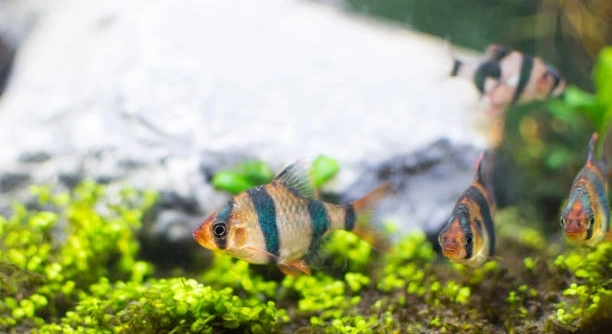
Tiger Barbs are lively freshwater fish that add color and movement to home aquariums. They often explore their environment, swimming around plants, rocks, and various decorations. Their active nature sometimes leads to concerns about safety behind tank ornaments.
Tiger Barbs can occasionally get stuck behind aquarium decorations, especially if the spaces are narrow or cluttered. Their size and body shape allow them to squeeze into tight spots, increasing the risk of entrapment if the layout is not carefully planned.
Knowing how Tiger Barbs interact with their surroundings helps prevent accidents. Proper tank setup and monitoring can keep these fish safe and healthy in a decorated aquarium environment.
How Tiger Barbs Navigate Aquarium Decorations
Tiger Barbs are naturally curious and agile swimmers. They often explore every corner of their tank, weaving through plants, rocks, and artificial decorations. However, their curious nature can lead them into tight spaces behind or within these objects. Narrow gaps between decorations can pose risks, especially if the openings are smaller than the fish’s body size. Tiger Barbs have a laterally compressed body, which helps them squeeze through certain spaces but can also cause them to get stuck if the passage narrows too much. When they become trapped, it can cause stress, injury, or even death. Aquarium owners should carefully arrange decorations to avoid tight clusters or narrow gaps. Smooth edges and rounded shapes reduce the chance of injury. Regular observation is necessary to ensure fish do not get stuck or show signs of distress. Proper tank maintenance, including cleaning and repositioning decorations, also helps prevent problems.
Decorations with large openings and open swim spaces help Tiger Barbs move freely without risk of getting trapped.
Keeping a balance between hiding spots and open areas creates a safer environment that allows natural behavior without confinement.
Common Aquarium Decor That Causes Problems
Some decorations are more likely to trap Tiger Barbs. Dense plastic plants with thick stems, small caves with narrow entrances, and clustered rock formations are typical examples. These can create tight spaces where a fish may try to fit but fail to get back out. Artificial decorations with sharp edges or rough textures can increase injury risk if a fish struggles to escape. Avoiding overly complex or crowded setups reduces the chance of entrapment. Natural decorations like smooth river stones or larger driftwood pieces usually provide safer hiding places. When choosing decorations, measure openings relative to the size of your Tiger Barbs. Spaces should be wide enough to allow easy movement. Keeping fewer, well-spaced ornaments promotes better water flow and cleaner conditions, which supports the health of your fish. Monitoring behavior daily will alert you to any potential trouble spots before they become dangerous. Simple adjustments in layout can make a big difference in fish safety and well-being.
Preventing Tiger Barbs From Getting Stuck
Creating enough open space in the aquarium is essential to prevent Tiger Barbs from getting trapped. Avoid overcrowding decorations and keep openings wide enough for easy passage. Regularly rearranging tank elements also helps reduce risk.
Monitoring fish behavior is important for spotting signs of distress or injury early. If a Tiger Barb struggles to escape a tight spot, it may become stressed or show changes in swimming patterns. Prompt intervention can prevent serious harm. Setting up a tank with smooth surfaces and eliminating sharp edges reduces the chance of injury. Using natural decorations with broad spaces provides safer environments. Keeping decorations spaced allows Tiger Barbs to swim freely, reducing chances of entrapment. Small adjustments, like widening cave entrances or removing overcrowded plants, make the tank safer and more enjoyable for the fish.
Maintenance routines also play a role in prevention. Cleaning debris and checking for loose decorations prevents blockages. Regular inspections ensure fish safety and tank health, creating a comfortable space for Tiger Barbs to thrive.
What To Do If Your Tiger Barb Gets Stuck
If a Tiger Barb becomes stuck behind or inside a decoration, act quickly but calmly to avoid causing further stress or injury. Gently try to coax the fish out using a soft net or aquarium tool, avoiding sudden movements. Never forcefully pull the fish as this can harm its fins or scales. If the fish cannot be freed easily, consider temporarily removing the decoration to provide a safer way out. After release, observe the fish carefully for signs of injury or distress such as torn fins or lethargy. Isolate any injured fish in a quarantine tank to allow healing and prevent infection.
In some cases, rearranging the tank layout to remove tight spaces may be necessary to avoid future incidents. Prevention through thoughtful decoration placement remains the best approach to keep Tiger Barbs safe and healthy in their habitat.
Signs Your Tiger Barb Might Be Stuck
If a Tiger Barb is stuck, it may show unusual behavior like staying in one spot for too long or frantic swimming near decorations. Look for physical signs such as torn fins or scratches.
Changes in appetite or hiding more than usual can also indicate stress from being trapped. Regular observation helps catch these signs early to avoid serious injury.
Choosing Safe Decorations for Tiger Barbs
Opt for decorations with smooth edges and large openings. Avoid small caves or tight spaces that can trap fish. Natural rocks and driftwood with broad surfaces work well. Plants should be spaced out to allow free swimming without obstruction. These choices reduce risks and keep the tank comfortable.
Adjusting Tank Layout for Safety
Rearranging tank decorations can create safer paths. Keep open areas for swimming and limit narrow spaces where fish might get stuck. Regular adjustments help maintain a healthy environment.
Monitoring Fish Behavior
Consistent observation helps detect problems early. Noticing changes quickly can prevent harm.
Can Tiger Barbs Get Stuck Behind Aquarium Decorations?
Yes, Tiger Barbs can get stuck behind or inside decorations if the spaces are too narrow for their body size. Their laterally compressed bodies allow them to squeeze into tight gaps, but if these openings are too small, they may become trapped. Proper tank layout with wide enough openings prevents this.
What Are the Common Decorations That Cause Problems?
Decorations with narrow entrances like small caves, dense plastic plants, and tightly stacked rocks are common trouble spots. Sharp edges and rough surfaces on decorations increase injury risk if fish struggle to escape. Choosing smooth, well-spaced decorations reduces these issues.
How Can I Prevent Tiger Barbs From Getting Stuck?
Keep the tank layout open and avoid overcrowding decorations. Make sure all openings are wider than your largest fish. Regularly check and adjust the placement of plants and ornaments to eliminate tight spots. Smooth and rounded decorations are safer, and providing open swim spaces helps fish avoid entrapment.
What Should I Do If My Tiger Barb Gets Stuck?
Act calmly and carefully. Gently try to coax the fish out using a soft net or aquarium tool. Avoid pulling or forcing the fish, as this can cause injury. If necessary, remove the decoration temporarily to free the fish. Monitor the fish afterward for any signs of injury or stress.
How Can I Tell If My Tiger Barb Is Injured After Being Stuck?
Look for torn or frayed fins, scratches, or discoloration. The fish might also become lethargic or stop eating. Any abnormal swimming patterns or hiding more than usual can signal injury. If injuries are noticed, isolate the fish in a quarantine tank and consider treatment to prevent infection.
Are Natural Decorations Safer for Tiger Barbs?
Generally, natural decorations like smooth river stones or large pieces of driftwood provide safer hiding spots. They tend to have fewer sharp edges and more open spaces. However, size and placement still matter to prevent trapping the fish. Always check that natural items do not create tight gaps.
Can Rearranging Aquarium Decorations Help Prevent Problems?
Yes, regular rearrangement can reduce the risk of fish getting stuck. Changing the layout eliminates tight spaces that fish might explore and become trapped in. Rearranging also promotes better water flow and helps maintain cleaner tank conditions, contributing to fish health.
What Behavior Should I Watch for to Know If a Tiger Barb Is Stressed or Trapped?
Signs include staying in one spot too long, frantic or erratic swimming near decorations, hiding more often, or loss of appetite. Changes in normal swimming patterns and visible injuries should be taken seriously and addressed immediately.
Is It Safe to Use Artificial Plants for Tiger Barbs?
Artificial plants can be safe if they have wide stems and are spaced out well. Dense plastic plants with thick stems can create narrow gaps that trap fish. Opt for soft, flexible plants without sharp edges and avoid overcrowding the tank with too many decorations.
How Often Should I Inspect My Aquarium for Potential Trapping Hazards?
Regular inspection is essential, ideally weekly. Check for new tight spaces caused by plant growth or decoration shifts. Look for signs of debris buildup that could block openings. Early detection helps prevent accidents and keeps your Tiger Barbs safe.
What Are the Risks of Not Addressing a Stuck Tiger Barb Quickly?
Delayed action can lead to severe stress, injury, or death. A trapped fish may damage fins or scales while trying to escape. Prolonged entrapment can also restrict movement and breathing, leading to poor health or fatality. Prompt intervention is crucial.
Should I Use a Quarantine Tank for Injured Tiger Barbs?
Yes, isolating injured fish allows them to heal without stress from tank mates. It also prevents infection spread. A clean, quiet quarantine tank with proper water conditions supports recovery. Monitor the fish closely during this period.
Can Tank Size Affect the Chances of Tiger Barbs Getting Stuck?
Larger tanks with more open swimming space generally reduce the risk. Small or overcrowded tanks force fish into tight spots. Adequate space allows better arrangement of decorations, minimizing dangerous gaps and improving overall safety.
What Materials Are Best for Aquarium Decorations to Avoid Stuck Fish?
Smooth materials like natural wood, river stones, and some plastics with rounded edges work best. Avoid sharp or rough surfaces that can injure fish. Materials should be durable, non-toxic, and easy to clean to maintain a safe environment.
Is It Normal for Tiger Barbs to Explore Tight Spaces?
Yes, they are naturally curious and may investigate tight spots. This behavior is instinctive for hiding or searching for food. However, it increases the risk of getting stuck, so tank design should account for this trait to prevent harm.
Can Injuries from Getting Stuck Heal on Their Own?
Minor injuries might heal if the fish is healthy and in a clean environment. More serious wounds require care, including isolation and possibly medication to prevent infection. Monitoring and proper treatment improve recovery chances.
How Can I Make My Tank More Comfortable for Tiger Barbs?
Provide a balance of open swimming space and secure hiding spots. Use decorations with wide entrances and smooth surfaces. Regular cleaning and water changes improve overall health, reducing stress and injury risks for your fish.
Are Tiger Barbs Aggressive When Stuck?
Stress from being trapped can make Tiger Barbs act erratically or aggressively. They may thrash to escape, increasing injury risks. Reducing stress through a safe tank layout and quick rescue helps keep their behavior calm.
What Should I Avoid When Setting Up Decorations for Tiger Barbs?
Avoid overcrowding, small tight spaces, sharp edges, and unstable decorations. Do not use overly dense artificial plants or tiny caves that fish can enter but not exit. Prioritize safety and space to allow natural swimming and exploration without danger.
How Important Is Water Quality in Preventing Problems for Stuck Fish?
High water quality supports healing and reduces infection risk after injuries. Poor conditions increase stress and delay recovery. Regular water changes, proper filtration, and monitoring of parameters keep fish healthy and resilient.
Final Thoughts
Keeping Tiger Barbs safe in an aquarium means paying close attention to the way decorations are arranged. These fish are active and curious, often exploring every corner of their environment. While decorations add beauty and provide hiding spots, they can also create risks if the spaces are too small or narrow. Fish can get stuck behind or inside certain ornaments, which can cause stress or injury. It is important to plan the tank layout carefully, making sure openings are wide enough for the fish to swim through easily. Using smooth, rounded decorations and spacing them well can greatly reduce the chance of a fish getting trapped.
Regular observation and maintenance are also key to preventing problems. Watching the fish for unusual behavior or signs of injury helps catch issues early before they become serious. Rearranging decorations occasionally can help eliminate tight spots that develop as plants grow or as decorations shift. Cleaning debris and checking for any loose pieces keeps the environment safe and healthy. If a fish does get stuck, acting calmly and gently is essential to avoid causing further harm. Quick intervention and monitoring afterward can improve the chances of a full recovery.
Ultimately, creating a safe and comfortable home for Tiger Barbs involves balancing decoration with open swimming space. Providing places to hide while maintaining clear paths encourages natural behavior without putting the fish at risk. Choosing the right types of decorations and paying attention to tank setup and upkeep helps ensure the fish remain healthy and happy. Taking these steps makes the aquarium a better place for both the fish and the owner. A well-maintained tank with thoughtful decoration choices offers a safe environment where Tiger Barbs can thrive.

Hello,
If you enjoy the content that we create, please consider saying a "Thank You!" by leaving a tip.
Every little bit helps us continue crafting quality advice that supports the health, happiness, and well-being of pets around the world, for pets of all shapes, sizes, and species.
We really appreciate the kindness and support that you show us!