
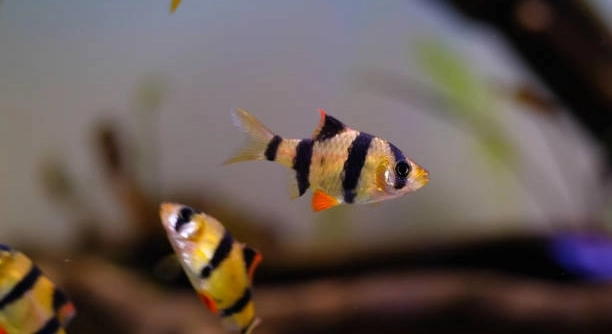
Do you ever find yourself adjusting your aquarium setup and wondering if your tiger barbs can thrive with strong water flow?
Tiger barbs can handle moderate to high flow filters, especially when the tank includes plants, rocks, or driftwood that offer shelter and resting spots. Their active swimming behavior makes them naturally suited to stronger currents.
Providing the right tank setup ensures your tiger barbs stay healthy, active, and stress-free in their environment.
Why Flow Matters for Tiger Barbs
Tiger barbs are fast, energetic swimmers that often do well in moderate to high water flow tanks. The movement helps oxygenate the water, keeps waste suspended for filtration, and mimics river conditions they naturally prefer. However, the flow shouldn’t be too intense across the entire tank. Strong current zones can be useful, but areas with slower flow are equally important for rest and comfort. Without calmer zones, tiger barbs may become stressed or exhausted. Including plants, driftwood, or rocks helps break the flow and gives your fish safe spots. A balance in tank layout keeps tiger barbs stimulated but not overwhelmed. When setting up your filter, use adjustable flow or baffles if needed. That way, you maintain circulation without forcing constant resistance on your fish. Observing their behavior is key. If they struggle to swim or hover, it might be time to tone down the current just a little.
Use a filter with adjustable flow to create both active and calm areas in the tank. This helps prevent stress.
Tiger barbs often enjoy chasing each other in moving water, but they also need to retreat and relax. Having both zones allows them to stay active while recovering when needed. A tank setup that considers their need for variety makes them healthier and more playful overall.
Setting Up the Ideal Tank
Tank design makes a huge difference when using high flow filters. You need to create a space where tiger barbs can enjoy movement without being pushed around constantly. Start by adding taller plants or thick patches of greenery on one side of the tank. These areas help reduce current and give the fish a place to pause. Place rocks or driftwood at angles that naturally deflect flow and allow pockets of calmer water. Keep the filter output directed along the back wall or toward the surface to avoid a blast through the middle. If your filter feels too strong, attach a sponge pre-filter or use a spray bar to spread the flow more evenly. Check how your tiger barbs react once everything is set. If they seem calm and swim with ease, the setup works. If they hide or appear stressed, continue tweaking things until they settle in comfortably. This process ensures your fish stay healthy and active.
Signs the Flow Is Too Strong
If tiger barbs are constantly hiding, pressed against decorations, or swimming in place without making progress, the flow may be too strong. Watch for frayed fins, erratic swimming, or signs of fatigue, especially near the filter output or in open water areas.
Tiger barbs are usually very active, so sudden changes in behavior often indicate discomfort. If they avoid the central parts of the tank and only stick to corners or low-flow areas, it’s a sign to adjust the current. A spray bar, pre-filter sponge, or redirecting the outflow can soften the strength without changing the filtration system. Keep an eye out for fin nipping too—while common in tiger barbs, increased aggression may come from stress related to flow intensity. Try shifting decorations to block stronger currents and monitor how they respond over a few days. Small changes often help them feel more secure and balanced.
Consistently high flow can lead to chronic stress in tiger barbs, making them more prone to illness or lowered immune response. You might also notice them eating less or becoming less interactive. These signs build slowly, so check for subtle shifts in behavior. Creating more stable, calm areas helps prevent these long-term effects and improves their quality of life.
Creating a Balanced Environment
Tiger barbs thrive when there’s movement in the water, but they also rely on calm areas for rest and comfort. A mix of fast and slow zones helps support their natural activity while reducing unnecessary stress. The tank doesn’t need to be perfect—small adjustments can go a long way.
Start by using plants like Anubias, Java fern, or hornwort to soften the current in parts of the tank. These plants hold up well in flowing water and also give shelter. Add driftwood or smooth rocks at different angles to break up stronger streams. If the filter’s flow is adjustable, experiment until you find a setting that circulates the tank but leaves some areas still. Spray bars can also distribute flow evenly without harsh pressure. Always keep an eye on your fish. Their movement and behavior will tell you whether the setup supports their needs. Creating this balance keeps them more active, relaxed, and healthy over time.
Adjusting Flow Without Replacing Equipment
Use filter accessories like sponge pre-filters or baffle guards to reduce output force. These are easy to install and help soften the current without limiting filtration. You can also point the outflow toward a wall or surface for gentler movement.
Adding tall plants, wood, or rocks in front of the output helps slow the flow naturally. This breaks up the current and gives your tiger barbs places to rest. Simple layout changes often fix flow issues without needing to buy a new filter.
Monitoring Tiger Barbs After Changes
Once you adjust the flow or rearrange your tank, keep a close watch on your tiger barbs for the next few days. You should see more relaxed swimming, better use of open space, and fewer signs of fatigue. Healthy tiger barbs will explore all areas of the tank, not just low-flow zones. Their color may brighten, and activity levels should look more natural. Feeding time is also a good chance to check—they should swim freely and eat without struggling. If anything seems off, try making small layout tweaks again until they settle comfortably.
Final Tips for Success
Always choose filters with adjustable flow settings when possible. This gives more control over the tank environment and helps you meet your tiger barbs’ needs.
FAQ
Can tiger barbs live in a tank with strong current all the time?
They can tolerate moderate to strong flow, but it shouldn’t be constant across the whole tank. A setup with strong current in one section and calm zones in others is much healthier. Tiger barbs need places to rest and avoid becoming stressed or overworked. Too much flow in every area can cause fatigue and affect their long-term health. Their natural behavior includes darting through fast water but also pausing in still zones. Constant high flow might also make feeding difficult, especially if the food gets pushed around too quickly. Balance is key for their comfort.
What’s the best filter type for tiger barbs?
Hang-on-back (HOB) and canister filters both work well for tiger barbs. Look for one with adjustable flow control. If you use a sponge filter, it’s better suited for breeding or smaller tanks. Canister filters are strong but can be modified with a spray bar to soften the current. HOB filters are easier to manage and can be adjusted or baffled with sponge pieces. The goal is to keep the water clean and moving without blasting your fish around. Choose a filter based on tank size, fish count, and your ability to tweak flow direction or strength as needed.
How can I tell if my tiger barbs are stressed from flow?
Watch for signs like hiding behind decorations, constantly swimming in place, or looking tired. If they only stay in the corners or near the bottom, the flow may be too much. Stress can also show in pale color, fin damage, or sudden aggression. While tiger barbs are naturally active and bold, a stressed fish will look jumpy or hesitant. If they struggle to reach the surface during feeding or avoid the filter side entirely, consider changing flow direction, using plants to block current, or lowering the power setting slightly. Always observe how they react after any changes.
Do tiger barbs enjoy playing in the current?
Yes, tiger barbs often chase each other through flowing water and seem to enjoy short bursts of fast swimming. It helps mimic their natural habitat. However, they still need calm areas to relax. Too much flow everywhere can lead to exhaustion. A current zone can actually stimulate their natural behavior, especially if you have a school of six or more. The key is giving them a choice. When they can enter the current and leave it when tired, you’ll see more natural and healthy behavior. It’s about providing stimulation without overwhelming them constantly.
Can plants really help with flow control?
Definitely. Live or artificial plants help reduce the strength of flow in certain tank areas. Tall or bushy plants near the filter output can break up the current and create calm patches. Java fern, hornwort, and Anubias are popular because they stay anchored and tolerate moving water. Even floating plants like water lettuce can help at the surface level. These additions don’t just make the tank look better—they create zones where your tiger barbs can rest. If you notice them hiding behind certain decorations or leaves, that’s usually where the flow feels right to them.
Is high flow ever dangerous for tiger barbs?
It can be if it causes them to struggle constantly. Over time, this leads to fatigue, stress, and a higher chance of illness. Tiger barbs are strong swimmers, but they’re not built for nonstop resistance. The danger increases when there’s no variation in flow, no shelter, or if they’re young or recovering from illness. Strong currents can also damage delicate fins, especially if there are sharp decorations nearby. While short bursts of swimming in fast water are fine, forcing them to live in that condition full-time isn’t safe. Proper layout and flow management prevent these risks.
Should I turn off the filter at night to give them a break?
No, it’s best to leave the filter running 24/7. Turning it off can disrupt oxygen levels and filtration. Instead of shutting it off, make sure the tank has low-flow areas where your tiger barbs can rest during quieter periods. A well-planned tank layout makes it unnecessary to pause the filter. Use baffles, redirect flow, or soften the current with plants and decorations. That way, they always have access to gentle areas, even when the lights are off. Stable water conditions are just as important as flow control, especially overnight when oxygen levels tend to drop.
Final Thoughts
Tiger barbs are active, social fish that enjoy moving water, but they still need a balanced tank to stay healthy. A high flow filter can work well if the tank setup gives them space to swim freely and places to rest. Strong current in one area is fine, but the entire tank shouldn’t feel like a constant rush. Adding plants, rocks, or driftwood in the right spots helps break up the flow and offers calm areas where the fish can pause. This is especially important if your tank is tall or long, as current strength can vary from top to bottom or side to side.
Using filters with adjustable flow makes a big difference. You don’t need to replace your equipment—just redirect the output or soften the flow with a spray bar or sponge. These small changes allow you to fine-tune the water movement without affecting filtration. A good tank setup not only supports your tiger barbs’ natural behavior but also helps reduce stress. When fish feel secure, they eat better, swim more naturally, and show their bright colors. If you ever notice your tiger barbs hiding, looking tired, or swimming against the flow all the time, it may be a sign to adjust the setup slightly.
It’s helpful to watch your fish daily and make small changes based on their behavior. A well-balanced tank should include areas of movement and stillness, giving tiger barbs options. While they often enjoy swimming in fast water, they shouldn’t be forced to stay in it all day. Strong flow alone doesn’t harm them, but it must be part of a thoughtful layout that supports both activity and rest. With the right filter, proper decorations, and regular observation, you can maintain a tank that keeps your tiger barbs active, comfortable, and stress-free. It’s all about creating a space where they can move freely, relax when needed, and stay healthy over time.

Hello,
If you enjoy the content that we create, please consider saying a "Thank You!" by leaving a tip.
Every little bit helps us continue crafting quality advice that supports the health, happiness, and well-being of pets around the world, for pets of all shapes, sizes, and species.
We really appreciate the kindness and support that you show us!