
Do you ever find yourself setting up a peaceful aquarium, only to worry if all your pets will get along together?
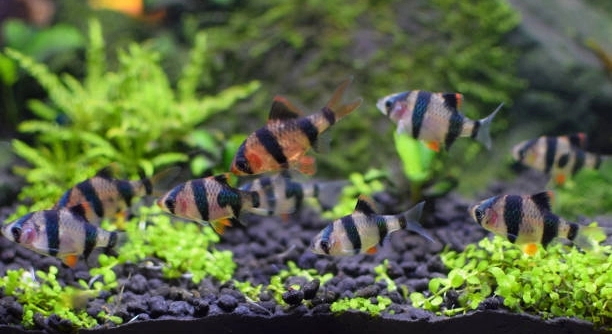
Tiger barbs are known to be aggressive fin-nippers, making them an unsafe choice for tanks with shrimp. Their active and territorial behavior often results in shrimp being harassed, injured, or eaten.
Learning how these species interact can help prevent stress, injuries, or even loss in your aquarium community.
Understanding Tiger Barb Behavior
Tiger barbs are energetic fish with bold colors and an aggressive nature. They are active swimmers that thrive in groups of at least six, but their tendency to nip at fins often causes issues in mixed-species tanks. While they usually target slow-moving fish with long fins, shrimp are also at risk due to their smaller size and calm behavior. Shrimp tend to stay near the substrate or in hiding spots, which makes them easy targets. In most cases, tiger barbs see shrimp as food rather than tank mates. Even if the tank is spacious, the barbs may still chase or attack shrimp out of instinct. Some aquarists attempt to keep shrimp with tiger barbs by providing plenty of hiding places, but success is rarely guaranteed. These fish are simply too unpredictable and curious for shrimp to coexist peacefully with them for long periods.
Keeping shrimp with tiger barbs usually leads to stress, injury, or loss.
If you’re thinking of keeping both species, consider choosing a different fish instead. Shrimp do much better with peaceful tank mates such as neon tetras, guppies, or snails. You can also explore shrimp-only tanks, which are easier to manage and more stable. There’s less competition, and shrimp tend to thrive in such setups. Shrimp enjoy grazing on biofilm and algae, and when they don’t have to compete or hide constantly, they display more natural behaviors. This not only keeps them healthy, but also makes the tank more interesting to watch. Adding live plants like moss or java fern can give shrimp places to hide and explore. Choosing the right companions helps avoid unnecessary stress and keeps your aquarium balanced. If tiger barbs are already part of your setup, it’s better to place shrimp in a separate tank to avoid any risk.
What You Can Do Instead
Shrimp thrive when they feel safe and can move freely through their space.
If you want to enjoy shrimp in your tank, aim for species that match their peaceful nature. Small, calm fish like ember tetras, otocinclus catfish, and rasboras are great companions. These fish don’t bother shrimp and are also easy to care for. When designing a tank for shrimp, adding moss, driftwood, and live plants gives them shelter and surfaces to graze on. A gentle filter is also important, as strong currents can disturb them. Keeping water clean and stable is key for their health, so regular testing and small water changes go a long way. Also, avoid overfeeding, which can lead to poor water quality. If you already have a tank with more aggressive fish like tiger barbs, consider setting up a second tank just for shrimp. This way, you can still enjoy both species without putting them at risk. With some planning, you’ll have a peaceful tank that works well for everyone.
Creating the Right Tank Environment
A safe tank setup makes a big difference for shrimp. Stick to calm lighting, steady temperatures, and gentle filtration. Add live plants and soft substrates to give shrimp more space to hide, explore, and feed without feeling threatened.
Shrimp prefer peaceful surroundings where they don’t have to compete or hide constantly. Plants like moss, anubias, and java fern are great choices because they offer cover and collect biofilm, which shrimp love to eat. Use sponge filters or low-flow systems to keep the water clean without creating strong currents. Shrimp are sensitive to water quality, so regular water changes and testing are important. Aim for stable parameters—shrimp don’t like sudden changes. Fine gravel or sand is better than sharp substrates, which can injure them. A well-planted tank with soft lighting also encourages natural behavior, making shrimp more visible and active. This setup helps shrimp stay healthier and less stressed over time.
Avoid tankmates that dig or disturb the substrate, as they may accidentally harm shrimp or uproot plants. Always monitor behavior when adding any new species to ensure everyone is getting along. Even peaceful fish can become curious and nip if the tank is too small or crowded. Give your shrimp enough space and structure, and they’ll reward you with their calm, steady presence. A well-balanced tank setup also reduces the risk of illnesses and keeps maintenance simple. Shrimp do best in tanks that mimic natural habitats, and small changes like adding leaf litter or moss walls can improve their comfort. Being thoughtful about tank design goes a long way toward keeping shrimp happy and safe.
Signs of Stress or Trouble
Shrimp often hide more or lose color when they feel unsafe. Fast or jerky swimming, sudden drops in activity, or constant hiding are also early signs of stress.
It’s easy to miss signs of trouble in a mixed tank, especially when shrimp are good at staying out of sight. But if they’re always hiding, not feeding, or changing color, it may be a sign they’re stressed. Aggressive tankmates, poor water quality, or not enough hiding spaces can cause this. Keep an eye out for shrimp swimming erratically or trying to escape to the surface—these are warnings something’s off. Check water parameters regularly, and clean the tank gently to avoid disturbing them. If you see shrimp molting more often than usual or having trouble doing so, that can also mean they’re not comfortable. Remove aggressive species right away if you notice any chasing or nipping. Staying alert to small changes helps protect your shrimp before problems get worse.
How to Reduce Risk in Mixed Tanks
If you still want to try keeping shrimp with tiger barbs, use a large tank with lots of hiding spots. Dense plants, rocks, and decorations can help shrimp avoid direct contact with the barbs.
Adding shrimp first gives them a better chance to settle in and claim hiding areas before barbs are introduced.
Better Tank Mate Options
Instead of tiger barbs, go for peaceful fish that won’t chase or nip. Ember tetras, celestial pearl danios, chili rasboras, and pygmy corydoras are all gentle choices. These fish stay small and rarely show aggression toward shrimp. A community tank with these species is calmer, and shrimp are more likely to stay active and visible. Avoid larger or fast-swimming fish, as they can startle or stress shrimp, even if they’re not aggressive. Always research each species before combining them. Compatibility matters just as much as water parameters when building a mixed tank.
Breeding and Baby Shrimp Safety
If you’re hoping for baby shrimp to survive, you’ll need a separate breeding tank or a heavily planted one.
FAQ
Can tiger barbs and shrimp ever live together peacefully?
It’s rare, but not impossible. Some people have had short-term success by using very large tanks with dense planting and lots of hiding spaces. In those setups, the shrimp can avoid the tiger barbs most of the time. However, even then, the risk is always there. Tiger barbs are naturally active and curious, and they may still hunt or harass shrimp eventually. Most shrimp either stay hidden or get picked off over time. Long-term success is unlikely, so it’s not usually recommended unless you’re okay with losing shrimp.
What shrimp species are the most at risk with tiger barbs?
Smaller and more colorful shrimp are at the highest risk. Cherry shrimp, for example, are brightly colored and easy for tiger barbs to spot. Their small size also makes them easier targets. Even ghost shrimp, which are more transparent and slightly larger, can be chased or eaten. Tiger barbs are quick swimmers and tend to nip at anything that moves slowly or looks unfamiliar. Since shrimp don’t defend themselves and usually stay near the bottom of the tank, they’re seen as easy prey by aggressive fish.
Can adding more plants help protect shrimp?
Yes, plants can help a lot. Moss, anubias, and java fern give shrimp places to hide and graze. The more cover available, the easier it is for shrimp to stay out of sight. Thick planting can sometimes reduce the chances of tiger barbs bothering them. However, this is not a full solution. Tiger barbs are curious and may still explore dense plant areas. The plants help, but they don’t fully stop the risk. If you try this method, use a lot of low and mid-level plants to give shrimp better shelter throughout the tank.
Will feeding tiger barbs more often reduce aggression?
Feeding more can help a little, but it won’t stop aggression completely. Tiger barbs are naturally active and competitive. Even if they’re well-fed, they may still chase or nip at shrimp out of habit or curiosity. You can try feeding smaller meals more frequently to keep them occupied. Adding floating foods and slow-sinking pellets can also spread out their attention. Still, this should not be your main way of protecting shrimp—it’s more of a distraction than a solution.
Are there any shrimp species that do better with tiger barbs?
None are truly safe, but larger, less colorful shrimp like Amano shrimp may have a slightly better chance. Amanos grow larger than cherry shrimp and don’t attract as much attention. They’re also fast and tend to hide more. Even then, tiger barbs may still nip at their legs or antennae. If you try keeping Amano shrimp with barbs, use a tank with a lot of cover and watch closely. If there are any signs of aggression, separate them right away.
What signs should I watch for if things aren’t going well?
Shrimp hiding constantly, losing color, or swimming strangely are all warning signs. If you notice missing shrimp, molting problems, or damaged antennae or legs, it’s likely they’re being harassed. Aggression from tiger barbs usually shows up quickly. Keep an eye out for chasing or sudden bursts of movement around the shrimp. Also check for uneaten food or molted shells that disappear too fast—this could mean shrimp are being eaten.
Is a shrimp-only tank easier to manage?
Yes, shrimp-only tanks are usually much easier. You won’t have to worry about aggression or competition for food. You can focus on plants, water quality, and natural grazing surfaces. These tanks stay more stable and give shrimp a better chance to grow and even breed. You’ll also get to see more natural behavior like grazing, exploring, and molting out in the open. It’s a calm setup that works well even in small tanks.
Can shrimp reproduce in a community tank?
It’s very difficult, especially with tiger barbs. Baby shrimp are tiny and extremely vulnerable. Most get eaten within minutes of being born. Even in peaceful tanks, breeding success depends on lots of hiding spots and stable water conditions. If you want to raise baby shrimp, it’s best to move adults to a separate breeding tank with moss and sponge filters. Once the babies grow larger, you can think about moving them into a community tank—if it’s safe.
Final Thoughts
Keeping shrimp and tiger barbs together is a risky choice. Tiger barbs are naturally active and often show aggressive behavior, especially toward smaller tankmates like shrimp. Even with plenty of plants and hiding places, shrimp can still end up stressed, injured, or eaten. While some aquarists try to make it work in larger tanks, the chances of long-term success are very low. Shrimp are peaceful and fragile, and they do better in quiet environments without constant threats. Mixing them with tiger barbs may seem interesting at first, but it usually causes problems over time. Choosing tank mates that match in behavior and size is the best way to keep your aquarium safe and balanced.
There are many peaceful fish that can live well with shrimp. Species like ember tetras, rasboras, and pygmy corydoras are gentle and small enough to avoid bothering shrimp. These fish don’t nip or chase, and they are less likely to cause stress. A calm tank allows shrimp to display their natural behaviors like grazing, exploring, and even breeding. With the right setup, you can enjoy a colorful, active aquarium without the worry of conflict. Shrimp also add a lot of value to a tank. They help clean up extra food, eat algae, and bring unique movement to the lower levels of the tank. Giving them the right environment helps them thrive and makes tank maintenance easier for you.
If you really enjoy tiger barbs and shrimp, the safest option is to keep them in separate tanks. This way, each species can live in conditions that suit them best. Tiger barbs can be kept in their own active, semi-aggressive tank with compatible fish like other barbs, danios, or larger tetras. Shrimp can enjoy a peaceful setup filled with plants, hiding places, and gentle filtration. Separating them prevents stress, injury, and loss, while also letting you enjoy the best of both species. With a bit of planning, you can create stable tanks that are easy to care for and enjoyable to watch. It’s all about understanding the needs of each species and setting up their environment in a way that keeps them safe and comfortable. Making thoughtful choices leads to a better experience for both you and your aquatic pets.

Hello,
If you enjoy the content that we create, please consider saying a "Thank You!" by leaving a tip.
Every little bit helps us continue crafting quality advice that supports the health, happiness, and well-being of pets around the world, for pets of all shapes, sizes, and species.
We really appreciate the kindness and support that you show us!