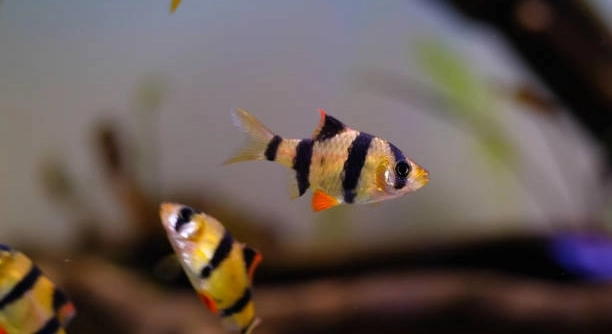
Can Tiger Barbs Recognize Reflections?

Tiger barbs are popular freshwater fish known for their lively behavior and striking colors. Many aquarium owners notice them interacting with their surroundings in interesting ways. This has sparked curiosity about how they respond to reflections in their tanks. Research indicates that tiger barbs can recognize reflections but do not fully understand them as their … Read more
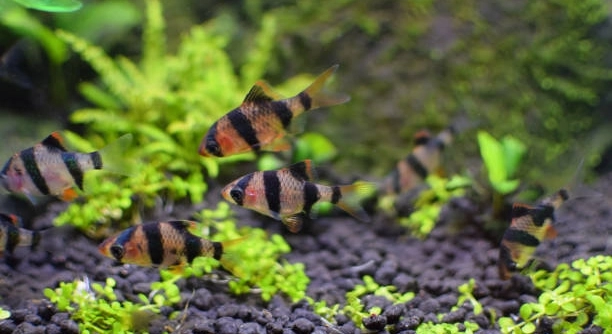
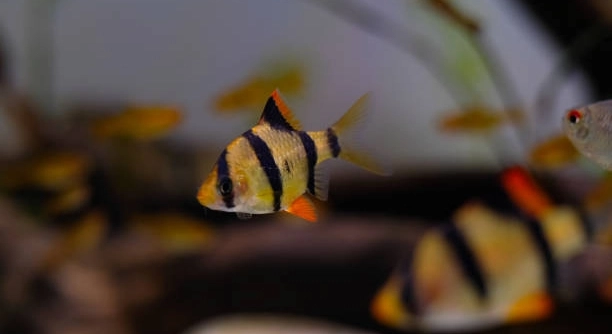
Will Your Tiger Barb Grow Bigger? (What to Expect)

Tiger barbs are popular aquarium fish known for their vibrant colors and lively behavior. Many owners wonder how large these fish can grow and what factors influence their size over time. This article addresses those common concerns in a straightforward way. Tiger barbs typically grow to about 2.5 to 3 inches in length under ideal … Read more

How Long Can a Tiger Barb Be Alone?

Tiger barbs are colorful freshwater fish popular in home aquariums. Many owners wonder how long these lively fish can be left alone without stress or harm. Understanding their needs is important for keeping them healthy and happy. Tiger barbs can typically be left alone for up to 24 hours if their tank conditions are stable … Read more

7 Natural Behaviors New Owners Misread

Owning a new pet can bring unexpected moments. Many natural behaviors are often misunderstood by first-time owners. Recognizing these behaviors helps build a stronger bond with your new companion from the start. New pet owners frequently misinterpret natural behaviors such as vocalizations, body language, and exploratory actions. These behaviors are normal communication methods or instincts … Read more

7 Easy Barb Tank Enrichment Additions

Barb tanks need simple ways to stay interesting and stimulating for their fish. Adding enrichment can improve the fish’s environment and support their natural behaviors. Many easy options are available to keep your barb tank engaging and healthy. Providing easy enrichment additions for barb tanks includes introducing plants, hiding spots, floating objects, and varied substrates. … Read more

7 Ways to Improve Tiger Barb Coloration

Are your tiger barbs looking dull or less vibrant than usual despite your best care and attention to their needs? Improving tiger barb coloration involves a combination of high-quality diet, stable water conditions, and reduced stress levels. These factors directly influence pigmentation and overall health, enhancing the natural brilliance of their striped appearance. From food … Read more

When Is a Tiger Barb Fully Grown? (Age & Size Guide)

Tiger barbs are popular freshwater fish known for their bright colors and lively behavior. Many hobbyists want to know when these fish reach their full size and maturity. This guide offers clear information about their growth timeline. A tiger barb typically reaches full size at about 6 to 8 months of age, growing to approximately … Read more

7 Tank Mistakes That Stress Tiger Barbs

Keeping Tiger Barbs healthy and happy in your aquarium requires careful attention. Many common tank mistakes can cause stress to these active fish, affecting their behavior and overall well-being. Understanding these errors helps create a better environment for them. Tiger Barbs are sensitive to several tank conditions such as overcrowding, poor water quality, lack of … Read more

Do Tiger Barbs Change Behavior at Night?

Tiger Barbs are popular freshwater fish known for their vibrant colors and active nature. Many fishkeepers observe their behavior closely to understand how these fish adapt to different conditions, including nighttime. Their activity patterns can influence how they interact within the aquarium. Tiger Barbs do change their behavior at night by becoming less active and … Read more

7 Signs Your Tiger Barb Might Be Depressed

Many people enjoy keeping Tiger Barbs because of their bright colors and active nature. These fish usually appear lively and social in a well-maintained aquarium. However, sometimes their behavior can change in subtle ways that may indicate stress or sadness. Tiger Barbs may show signs of depression through lethargy, loss of appetite, hiding, or changes … Read more