
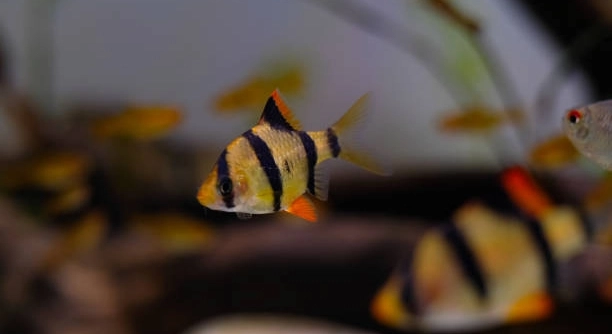
Tiger barbs are colorful freshwater fish popular in home aquariums. Many owners wonder how long these lively fish can be left alone without stress or harm. Understanding their needs is important for keeping them healthy and happy.
Tiger barbs can typically be left alone for up to 24 hours if their tank conditions are stable and they have enough food. Longer periods require special preparation, such as automatic feeders or a caretaker to ensure their wellbeing.
Knowing the right care routine helps maintain a balanced environment for your tiger barbs. This article will provide practical advice on how to keep them safe when you are away.
How Long Can Tiger Barbs Be Left Alone?
Leaving tiger barbs alone depends on their environment and care. These fish are active and social, so they do best in groups. If you need to leave them for a day, they can usually manage if the tank is well maintained. Make sure the water is clean and the temperature is stable before you go. For longer absences, using an automatic feeder helps keep their diet consistent. Overfeeding before leaving is not a good idea because it can pollute the water. If possible, have someone check on the tank occasionally. Proper lighting on a timer keeps their day-night cycle normal. Overall, short periods alone are fine with proper preparation, but longer times require more attention.
Tiger barbs should not be left alone for more than two days without care. This prevents stress and health problems.
Taking these steps will protect your tiger barbs and keep them healthy when you cannot be there. Planning ahead ensures they stay safe and comfortable.
Preparing Your Tank for Absence
Before leaving your tiger barbs alone, prepare their tank properly. Clean the tank to remove any waste or uneaten food. Check the filter to make sure it is working well, as good water quality is essential. Adjust the heater so the water stays at a steady temperature, around 75-79°F (24-26°C). Use a timer for lights to maintain their natural rhythm, preventing stress from irregular light exposure. Avoid feeding them too much right before you leave because leftover food can spoil water quality quickly. If you plan to be away longer than a day, consider setting up an automatic feeder. This will help keep the fish on a regular feeding schedule without overfeeding. Taking these simple steps will help your tiger barbs stay healthy during your absence.
Signs Tiger Barbs Are Stressed When Alone
Tiger barbs may show signs of stress if left alone too long. Common signs include hiding, loss of appetite, and erratic swimming. These behaviors can indicate discomfort or poor tank conditions.
Stress can weaken their immune system, making them more vulnerable to disease. When fish are stressed, they might also become aggressive toward tank mates. This can disrupt the peaceful balance in the aquarium. Monitoring your fish before and after absences helps you spot changes. Adjusting care routines or tank conditions can reduce stress and improve their wellbeing.
Keeping their environment stable and avoiding sudden changes helps minimize stress. Consistent feeding schedules and proper tank maintenance are key to supporting their health during your absence.
Tips for Feeding Tiger Barbs When Away
Leaving food for tiger barbs while you’re away requires care. Overfeeding can pollute the water, so measure food portions carefully. Automatic feeders work well for short trips, distributing small amounts regularly. It’s important to test feeders before leaving to ensure they work correctly.
If you don’t have an automatic feeder, ask someone to feed your fish daily. Keep instructions simple to avoid overfeeding or missing feedings. Leaving frozen or dried food in the tank is not recommended because it can spoil quickly. Providing balanced meals helps maintain their energy and keeps the tank clean. Proper feeding is essential for their health when you can’t be there.
Ideal Tank Setup for Tiger Barbs When Alone
A well-maintained tank helps tiger barbs stay healthy during your absence. Good filtration and aeration keep the water clean and oxygen-rich.
Plants and hiding spots reduce stress by giving the fish places to retreat. Stable water conditions are key to their comfort.
Monitoring Water Quality
Regular water testing is vital for tiger barb health. Ammonia, nitrite, and nitrate levels should be checked before leaving. Maintaining pH around 6.5-7.0 supports their wellbeing. Keeping water parameters stable reduces stress and prevents illness, especially during times when you cannot intervene quickly.
Social Needs of Tiger Barbs
Tiger barbs thrive in groups of at least five. Being alone can cause stress and behavioral issues. Keeping a group helps maintain their natural social behavior and reduces aggression.
FAQ
How long can tiger barbs be left alone without food?
Tiger barbs can survive about 24 to 48 hours without food without serious health effects. Beyond this, their energy levels drop, and stress increases. For absences longer than two days, it is best to use an automatic feeder or have someone feed them to maintain a regular diet and prevent hunger-related stress.
Can tiger barbs get lonely if left alone?
Yes, tiger barbs are social fish that thrive in groups. Being alone can cause stress, aggression, and depression-like behavior. Keeping at least five tiger barbs together helps maintain their natural social structure, making them less likely to become lonely or stressed when you are away.
What is the best feeding schedule when away?
Feeding small amounts once or twice daily is ideal. If you plan to be away for more than a day, an automatic feeder set to deliver small portions regularly works well. Avoid overfeeding before leaving, as excess food can pollute the tank and harm water quality.
What should I do if I have to leave for several days?
Before leaving, clean the tank thoroughly and test water parameters. Set up a timer for the lights and prepare an automatic feeder. If possible, arrange for someone to check on the tank every day or two to monitor fish health and water conditions.
How does water quality affect tiger barbs when alone?
Good water quality is crucial for tiger barbs’ health, especially when no one is present to manage problems. Poor water conditions increase stress and risk of illness. Proper filtration, regular water changes before leaving, and stable temperature all contribute to a safe environment.
Can I leave tiger barbs alone during a vacation?
Short vacations of one or two days are usually safe if preparations are done well. For longer trips, an automatic feeder and someone to check the tank are recommended. This ensures consistent care and reduces risks associated with prolonged absence.
What signs should I watch for after returning?
Look for changes in behavior such as lethargy, loss of appetite, or unusual swimming patterns. Also, check for physical signs like faded color or damaged fins. Poor water quality often causes stress, so testing the tank water immediately after return is important.
Is overfeeding before leaving a good idea?
No, overfeeding before leaving can cause leftover food to decay, leading to toxic water conditions. It is better to feed normal portions and rely on automatic feeders or caretakers to maintain proper feeding while you are away.
How do I keep the tank environment stable?
Keep the temperature steady using a reliable heater, maintain filtration, and use a timer for lighting. Avoid sudden changes in water chemistry or lighting schedules, as these can stress the fish and cause health problems.
Can tiger barbs be left alone overnight?
Yes, tiger barbs can be left alone overnight without issue if the tank is well maintained and feeding is done properly. They are resilient fish, but it’s important to ensure the tank is clean and stable before any absence.
Tiger barbs are lively and social fish that require a stable environment to thrive. When it comes to leaving them alone, the key is preparation. A well-maintained tank with good filtration, proper temperature, and a steady light cycle creates a safe space for them. Keeping their water clean and ensuring they have enough food, either through careful feeding or an automatic feeder, reduces stress and health risks. It’s important not to overfeed before leaving, as leftover food can spoil the water and harm the fish. Planning ahead helps your tiger barbs stay healthy even when you cannot be there.
Social needs are also important for tiger barbs. These fish prefer to live in groups of five or more. Being alone can cause stress and changes in behavior, so it is best to avoid leaving a single tiger barb without companions. If you have a small group, they will support each other and feel more secure during your absence. Regularly checking water quality and keeping the tank conditions stable will also help prevent problems. If you plan to be away for more than a day or two, having someone check the tank or using an automatic feeder is a good idea. This extra care ensures the fish stay safe and comfortable.
In summary, leaving tiger barbs alone for a short time is possible with proper tank care and feeding. A stable environment, good water quality, and social companionship are essential. Taking these steps allows your fish to remain healthy and happy while you are away. Paying attention to their needs before, during, and after your absence will make a positive difference in their wellbeing. Proper preparation and care help maintain the balance your tiger barbs need to thrive in your aquarium.

Hello,
If you enjoy the content that we create, please consider saying a "Thank You!" by leaving a tip.
Every little bit helps us continue crafting quality advice that supports the health, happiness, and well-being of pets around the world, for pets of all shapes, sizes, and species.
We really appreciate the kindness and support that you show us!