
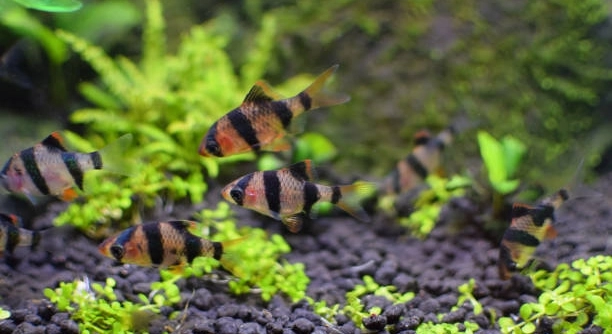
Barb tanks need simple ways to stay interesting and stimulating for their fish. Adding enrichment can improve the fish’s environment and support their natural behaviors. Many easy options are available to keep your barb tank engaging and healthy.
Providing easy enrichment additions for barb tanks includes introducing plants, hiding spots, floating objects, and varied substrates. These elements promote natural exploration, reduce stress, and encourage healthy activity in the fish. Simple, low-maintenance additions benefit both fish and aquarium caretakers.
These straightforward ideas can help transform your tank without much effort or cost. Keeping your barbs active and comfortable becomes easier with the right choices.
Adding Live Plants for Natural Shelter
Live plants create a natural environment that barbs appreciate. They provide hiding spots and reduce stress by making the tank feel safer. Plants also improve water quality by absorbing harmful chemicals and offering oxygen. Popular choices include Java fern, Anubias, and Amazon sword because they are hardy and easy to care for. These plants attach to rocks or driftwood, giving the tank a more dynamic look without needing to be planted in the substrate. Live plants also encourage barbs to explore and swim through different areas, which keeps them active. Adding live plants can balance the tank’s ecosystem and support healthier fish over time.
Plant growth can be supported by using aquarium-safe fertilizers and ensuring proper lighting. The right balance helps plants thrive and keeps your tank looking fresh.
Healthy plants contribute to a stable environment, helping to reduce algae growth and providing barbs with natural hiding places that are important for their well-being.
Using Floating Objects for Interest
Floating objects offer a simple way to add enrichment. They create shade and spots for barbs to investigate or rest beneath.
Floating plants like duckweed or water lettuce work well. These plants block excess light and reduce glare, creating comfortable swimming zones. Barbs often enjoy darting under floating leaves, which encourages natural behaviors like hiding and exploring. You can also add small, safe floating decorations made of natural materials that won’t pollute the water. These objects gently move with water flow, adding gentle stimulation. Floating items are easy to clean and replace, making them low-maintenance additions. They also provide surface cover, which some barbs prefer during feeding or resting times. Adding floating elements keeps the tank from feeling empty and encourages your fish to be more active and less stressed.
Creating Hiding Spots with Decorations
Hiding spots help barbs feel secure and reduce stress. Simple decorations like caves or ceramic tubes offer safe retreats. Barbs often explore these areas, which encourages natural behavior.
Decorations can be made from aquarium-safe materials like resin, ceramic, or natural rocks. Make sure there are no sharp edges that might harm your fish. Placing these hiding spots in different tank areas encourages barbs to swim around more and feel comfortable in various zones. Decorations can be combined with plants to create layered hiding spaces that look natural and inviting. Adding these spots also prevents aggression by giving fish places to avoid one another. Overall, these additions improve the well-being of your barbs.
Avoid overcrowding the tank with too many decorations. Leave enough open swimming space so the fish can move freely and interact comfortably with their environment. Proper balance makes hiding spots effective without limiting activity.
Varying the Substrate for Exploration
Using different substrates adds texture and interest for barbs. Mixing sand, gravel, and small pebbles creates a natural feel. Barbs enjoy foraging and digging in varied substrates, which supports mental stimulation and physical activity.
Different substrates also influence water quality and tank aesthetics. Sand allows for gentle digging, while gravel offers places for beneficial bacteria to grow, helping break down waste. The mix can be arranged in layers or patches, giving the tank depth and character. Changing substrate textures encourages natural behaviors like searching for food and inspecting their environment more thoroughly. This variation helps prevent boredom and keeps the fish engaged. Regular cleaning and monitoring maintain substrate health, preventing buildup of harmful substances that could affect the fish.
Choosing substrates that complement each other in size and shape creates a safe environment. Avoid sharp or rough materials that could injure delicate barb fins or bodies. Careful selection ensures both enrichment and safety for your fish.
Introducing Driftwood for Texture
Driftwood adds natural texture and hiding spots. It also helps balance water pH levels, creating a healthier environment for barbs.
Different types of driftwood can be used, but it’s important to clean and soak them properly before adding them to the tank to avoid unwanted contaminants or tannins that could affect water clarity.
Providing Safe Toys and Objects
Small floating or sinking toys made for aquariums stimulate barb curiosity. They can push or swim around these items, which helps reduce boredom. Soft silicone or natural materials are best for safety. Avoid anything with sharp edges or toxic paints.
Adding Varied Lighting
Using adjustable lighting with dim and bright phases mimics natural conditions. This encourages barbs to be more active and relaxed at different times. Lighting that changes gently can reduce stress and support healthy behavior.
Using Bubble Decorations
Bubble walls or air stones create gentle water movement and visual interest. Barbs often swim around bubbles, which provides mental stimulation without disturbing their environment.
How often should I change the enrichment items in my barb tank?
Changing enrichment items depends on how your fish interact with them. Generally, rotating decorations or toys every few weeks helps keep the environment fresh and interesting. However, live plants and natural materials like driftwood usually remain longer, needing only occasional trimming or cleaning. Watching your barbs’ behavior can guide you—if they lose interest, it’s a good sign to switch things up. Avoid frequent major changes as barbs appreciate stability but do benefit from subtle variations.
Are live plants necessary for barb tank enrichment?
Live plants are highly beneficial but not absolutely required. They offer natural hiding places, improve water quality, and encourage exploration. If live plants are not an option, artificial plants designed for aquariums can also provide shelter and visual appeal, although they won’t contribute to water chemistry. Live plants support a more balanced ecosystem, but many barbs thrive with other enrichment options like decorations, substrates, and floating objects.
Can adding too many decorations harm my barbs?
Yes, overcrowding the tank with too many decorations can restrict swimming space and cause stress. Barbs need open areas to swim freely and interact. Too many hiding spots or clutter may also lead to territorial disputes. Aim for a balanced setup with both open swimming zones and places to explore. Less is often more when it comes to decorations, ensuring fish stay active and comfortable.
What substrates work best for barbs?
A mix of fine gravel and sand works well for barbs. This combination allows for gentle digging and offers varied textures that encourage natural foraging. Avoid sharp or rough substrates that could injure delicate fins. The substrate should be easy to clean and compatible with any plants or decorations you use. Regular maintenance keeps substrates healthy and prevents harmful buildup.
Is driftwood safe to use in all barb tanks?
Driftwood is generally safe if properly prepared. It should be soaked and boiled before adding to the tank to remove tannins and reduce the risk of introducing contaminants. Some types of driftwood may lower water pH slightly, which can be good or bad depending on your tank’s conditions. Always choose aquarium-safe driftwood and monitor water parameters after adding it.
Do barbs need toys or interactive objects?
Barbs are curious fish and benefit from having interactive objects to explore. Toys made for aquariums, such as floating rings or gentle-moving objects, stimulate their natural curiosity. These items help reduce boredom and promote mental activity, which can improve overall health. Ensure toys are safe, non-toxic, and free of sharp edges.
How important is lighting for barb enrichment?
Lighting plays a key role in barb behavior and health. Adjustable lighting that mimics natural daylight cycles encourages natural activity patterns. Bright light periods help barbs explore, while dim phases promote rest. Avoid sudden changes or overly harsh lighting, as this can cause stress. Using a timer can maintain a consistent light schedule.
Are bubble decorations beneficial or stressful?
Bubble decorations like air stones create gentle water movement and add visual interest. Most barbs enjoy swimming around bubbles, which can provide mental stimulation. However, avoid overly strong currents or large bubble walls that might disturb the fish. Gentle bubbles improve oxygen levels and create a calming environment.
How do I maintain enrichment items to keep the tank healthy?
Regular cleaning of decorations, substrate, and toys prevents algae buildup and harmful bacteria growth. Rinse items with tank water during water changes instead of soap or chemicals. Live plants require trimming dead leaves and occasional fertilizing. Keeping enrichment clean supports fish health and maintains a pleasant tank appearance.
Can enrichment reduce aggression among barbs?
Yes, enrichment that offers hiding spots and varied environments helps reduce stress and territorial aggression. When barbs have places to retreat and explore, they are less likely to fight. Balanced decoration distribution and ample swimming space are key to maintaining peace. Enrichment encourages natural behaviors, which helps keep social dynamics calmer.
What if my barbs don’t interact with new enrichment?
It’s normal for barbs to take time adjusting to new items. Give them a few days to explore and become comfortable. If they continue to ignore the enrichment, try changing its position or swapping it for a different type. Barbs have different preferences, so experimenting helps find what works best. Patience and observation are important.
Adding enrichment to your barb tank can make a big difference in your fish’s well-being. Simple changes like adding plants, decorations, or varied substrates help create a more natural and engaging environment. When barbs have places to explore, hide, and swim freely, they tend to be healthier and less stressed. Enrichment also encourages their natural behaviors, which is important for their mental and physical health. Even small additions can improve the tank’s overall balance and make caring for your barbs more rewarding.
It is important to choose enrichment items carefully. Not all decorations or materials are safe for barbs. Avoid sharp edges or toxic substances that could harm your fish. Live plants are a great option but require some care to keep them healthy. Artificial plants or safe decorations can work well if you prefer less maintenance. Remember to keep some open swimming space and not overcrowd the tank. Your barbs need room to move and interact naturally. Regular cleaning and maintenance of enrichment items help keep the tank clean and the fish healthy.
Finally, observe how your barbs respond to new additions. Each tank and group of fish is different, so it may take time to find the right balance. Rotate or change enrichment items if your fish lose interest or if the tank environment changes. Providing varied and thoughtful enrichment supports long-term happiness and health for your barbs. Taking these simple steps can make a big difference in the enjoyment and success of keeping a barb tank.

Hello,
If you enjoy the content that we create, please consider saying a "Thank You!" by leaving a tip.
Every little bit helps us continue crafting quality advice that supports the health, happiness, and well-being of pets around the world, for pets of all shapes, sizes, and species.
We really appreciate the kindness and support that you show us!