
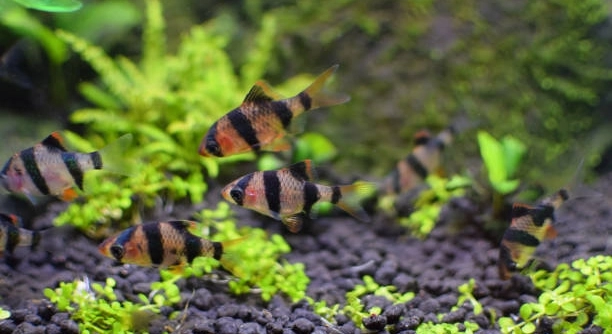
Tiger barbs are popular aquarium fish known for their vibrant colors and lively behavior. Many owners wonder how large these fish can grow and what factors influence their size over time. This article addresses those common concerns in a straightforward way.
Tiger barbs typically grow to about 2.5 to 3 inches in length under ideal conditions. Their growth depends on factors such as diet, tank size, water quality, and overall care. Proper environment and nutrition ensure they reach their full size potential.
Understanding what affects your tiger barb’s growth will help you provide the best care possible. This knowledge is important for maintaining their health and vibrant appearance in your aquarium.
How Big Do Tiger Barbs Get?
Tiger barbs usually grow up to about 2.5 to 3 inches in length. This size is typical for most healthy adults kept in home aquariums. Factors like diet, tank size, and water conditions play a significant role in their growth. A well-maintained tank with clean water and balanced nutrition helps these fish reach their full size. Overcrowding or poor water quality can stunt growth and cause stress. Also, genetics can influence size variations between individual tiger barbs. In general, giving them enough space and proper care allows them to thrive. A typical tank for a group of tiger barbs should hold at least 20 gallons to support their activity level and growth needs. Monitoring water parameters and feeding high-quality food regularly contributes to healthier and larger fish. Overall, size depends on a combination of environment and care.
Proper tank size and clean water are essential for healthy growth in tiger barbs.
Providing the right environment encourages natural growth patterns and keeps your fish active and colorful.
Factors Affecting Growth Rate
Growth rates in tiger barbs vary based on feeding habits and water quality. Inconsistent feeding or low-quality food can slow down growth. Providing a balanced diet with flakes, pellets, and occasional live or frozen food supports healthy development. Maintaining stable water temperature between 74°F and 79°F also promotes steady growth. Fluctuations in temperature or poor water quality can stress fish and reduce their growth rate. Regular water changes and filtration are necessary to keep the tank clean and safe. Overcrowding may increase competition for food and space, which negatively impacts growth. Keeping a manageable number of tiger barbs helps reduce stress and ensures enough resources for all. Observing your fish for signs of illness or stress allows timely action to maintain optimal conditions. Attentive care leads to healthier, better-growing tiger barbs in your aquarium.
Feeding Your Tiger Barb for Optimal Growth
Feeding your tiger barb a varied diet is crucial for healthy growth. Include high-quality flakes or pellets, supplemented with live or frozen foods like brine shrimp or bloodworms. Avoid overfeeding to prevent water quality issues.
A balanced diet ensures your tiger barb gets the right nutrients to grow strong and maintain vibrant colors. Protein-rich foods promote muscle development, while plant-based elements support overall health. Feeding small amounts two to three times daily helps prevent digestive problems. Monitor their eating habits closely to adjust portions as needed. A healthy diet combined with clean water creates an environment where your fish can thrive and reach their maximum size potential.
Proper feeding habits not only improve growth but also reduce stress and disease risk. Pay attention to the quality and variety of food to support your fish’s well-being.
Tank Size and Environment Impact on Growth
Tiger barbs need enough space to swim freely, which directly affects their growth. A crowded tank limits movement and can stunt their development. A 20-gallon tank or larger is recommended for a small group.
Water quality is equally important. Clean water with stable temperature and proper filtration reduces stress, helping fish grow. Frequent water changes keep harmful toxins low. Hiding spots and plants create a natural environment that encourages activity, supporting muscle growth. Proper lighting also benefits their health. The right tank conditions create an ideal habitat where tiger barbs can reach their full size and live longer, healthier lives.
Growth Stages of Tiger Barbs
Tiger barbs grow rapidly during their first six months. After this period, their growth slows down significantly as they approach full size.
Juveniles need more frequent feeding and stable water conditions to support this rapid growth phase. Adult barbs require consistent care to maintain health and color.
Signs Your Tiger Barb Has Stopped Growing
When your tiger barb reaches around 2.5 to 3 inches, growth typically plateaus. It will maintain this size unless tank conditions worsen or improve dramatically.
Growth cessation is normal as the fish matures. Watch for healthy behavior and bright colors as signs of good well-being.
Common Mistakes That Hinder Growth
Overcrowding limits space and causes stress, both of which stunt growth. Neglecting water quality or feeding poor diets also prevents proper development.
How to Encourage Healthy Growth
Regular tank maintenance and a balanced diet provide the best environment for your tiger barb to thrive and grow well.
FAQ
How fast do tiger barbs grow?
Tiger barbs grow fastest during their first six months of life. During this period, they can reach about 2 inches in length. After this rapid growth phase, their growth slows down and they usually reach full size between 2.5 and 3 inches by about one year old.
What is the ideal tank size for tiger barbs?
A tank size of at least 20 gallons is recommended for a small group of tiger barbs. This size allows enough swimming space and helps maintain stable water conditions, which are essential for healthy growth and stress reduction.
Can poor water quality stunt tiger barb growth?
Yes, poor water quality causes stress and health problems that can stunt growth. Regular water changes, proper filtration, and monitoring of water parameters like pH, ammonia, nitrites, and nitrates keep the environment safe and promote steady growth.
How often should I feed my tiger barbs?
Feeding two to three times a day in small amounts is best. Overfeeding can pollute the water and cause digestive problems. Providing a varied diet including flakes, pellets, and occasional live or frozen foods supports balanced nutrition.
Why is my tiger barb not growing?
Stunted growth often results from overcrowding, poor water quality, or insufficient nutrition. Make sure your tank isn’t overcrowded, water is clean, and your fish get a healthy, balanced diet. Stress and illness can also slow growth.
Do tiger barbs grow larger in bigger tanks?
While bigger tanks provide more space and better water quality, they do not guarantee larger size beyond their typical maximum. Tiger barbs have a natural size limit of about 3 inches, but a spacious tank helps them reach this size healthily.
How does temperature affect growth?
Stable water temperatures between 74°F and 79°F support consistent growth. Temperature fluctuations stress fish and can slow growth or cause illness. Using a reliable heater and thermometer helps maintain ideal conditions.
Can genetics affect tiger barb size?
Yes, genetics play a role in how large an individual fish can grow. Even with perfect care, some tiger barbs may remain smaller due to inherited traits. However, good care maximizes their growth potential within genetic limits.
Is it normal for tiger barbs to stop growing after a year?
Yes, after about one year, tiger barbs usually stop growing significantly. At this stage, they maintain their size and focus energy on staying healthy and vibrant.
What are the signs of a healthy, well-grown tiger barb?
Healthy tiger barbs have bright colors, active swimming behavior, clear eyes, and smooth scales. They should eat regularly and interact well with other fish, showing no signs of stress or disease.
Can stress affect my tiger barb’s growth?
Stress from overcrowding, poor water conditions, or aggressive tank mates can slow growth or cause illness. Reducing stress by providing proper space, clean water, and compatible companions helps maintain steady growth.
Should I separate young tiger barbs from adults?
Generally, it’s best to keep tiger barbs in groups of similar size to avoid bullying. Young fish can be stressed by larger adults, which may impact their growth. Providing hiding spots can also reduce stress for smaller fish.
What type of diet best supports growth?
A diet rich in protein and varied foods like flakes, pellets, and live or frozen options supports healthy growth. Avoid feeding only one type of food. Balanced nutrition helps your tiger barb develop fully and stay vibrant.
How often should I do water changes?
Weekly water changes of about 20-30% keep the tank clean and water parameters stable. This routine prevents buildup of harmful substances that can affect your fish’s health and growth.
Can tank decorations affect growth?
Decorations don’t directly affect growth but can influence fish behavior. Providing enough open swimming space along with hiding spots creates a comfortable environment, reducing stress and supporting healthy development.
Tiger barbs are lively fish that generally grow to about 2.5 to 3 inches when cared for properly. Their size depends on several factors including diet, tank size, water quality, and overall care. Providing a clean environment with stable water conditions is essential for their growth. Overcrowding and poor water quality can cause stress and stunt their development. Feeding them a balanced diet with quality flakes, pellets, and occasional live or frozen food helps meet their nutritional needs. Monitoring their tank regularly and maintaining a consistent routine supports their health and growth.
Growth is fastest during the first six months of life, when tiger barbs need more attention to feeding and water quality. After that period, their growth slows and usually stops around one year old when they reach full size. Understanding this pattern helps set realistic expectations for how big your fish will get. Genetics also play a role, so some individuals may grow slightly larger or smaller than others. Even with the best care, tiger barbs have a natural size limit. Keeping them in a tank of at least 20 gallons provides enough space for swimming and helps maintain good water conditions that encourage healthy growth.
Caring for tiger barbs involves more than just feeding and tank size. Reducing stress by avoiding overcrowding and keeping compatible tank mates is important. Stress can impact growth and overall health, so creating a comfortable and stable environment makes a big difference. Regular water changes and proper filtration help maintain water quality, which is crucial for these active fish. Paying attention to their behavior and appearance allows you to catch potential problems early. With the right care, tiger barbs can thrive and live healthy lives, maintaining their bright colors and lively nature.

Hello,
If you enjoy the content that we create, please consider saying a "Thank You!" by leaving a tip.
Every little bit helps us continue crafting quality advice that supports the health, happiness, and well-being of pets around the world, for pets of all shapes, sizes, and species.
We really appreciate the kindness and support that you show us!