
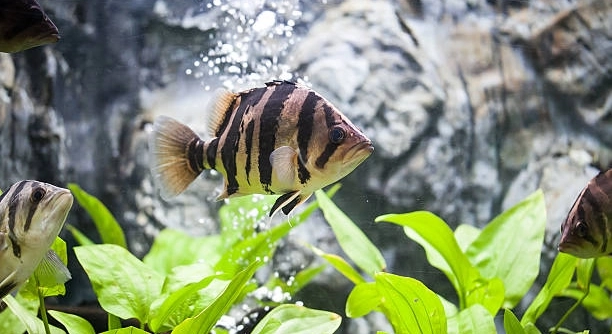
Tiger barbs are popular freshwater fish known for their bright colors and lively behavior. Many hobbyists want to know when these fish reach their full size and maturity. This guide offers clear information about their growth timeline.
A tiger barb typically reaches full size at about 6 to 8 months of age, growing to approximately 2.5 to 3 inches in length. Growth rates can vary based on diet, water conditions, and tank environment. Proper care is essential for healthy development.
Understanding the age and size of your tiger barb helps you provide the right care and environment for its well-being throughout its life.
Growth Stages of Tiger Barbs
Tiger barbs go through distinct growth stages, starting from fry to juvenile, and finally adult. During the first few weeks, fry grow quickly, relying on a high-protein diet to support rapid development. By the time they reach two months, their colors start to become more vivid. Between three to six months, they enter the juvenile phase, where growth slows but colors deepen and their fins develop more fully. Full maturity usually occurs between six to eight months, when they reach their adult size of about 2.5 to 3 inches. Proper water temperature, regular feeding, and a clean tank all contribute to healthy growth. Stress and poor water quality can stunt development, so it’s important to maintain consistent care throughout each stage.
Regular observation during these stages helps detect any health issues early, ensuring your tiger barbs grow strong and vibrant.
Feeding high-quality food and keeping stable water conditions promote steady growth and enhance the fish’s natural coloration.
Factors Affecting Growth Rate
Several factors influence how fast a tiger barb grows. Diet quality, tank size, water temperature, and overall tank maintenance all play roles. Providing balanced nutrition with protein-rich flakes or pellets, supplemented with occasional live or frozen foods, supports optimal growth. A spacious tank allows enough room for swimming, which encourages healthy muscle development. Maintaining water temperatures between 74 and 78 degrees Fahrenheit helps regulate metabolism and growth speed. Regular water changes keep the environment clean and reduce stress, preventing growth delays. Overcrowding and poor water conditions can slow growth and weaken the fish’s immune system.
Ensuring consistent care improves not only growth but also longevity and behavior.
By controlling these variables, you can help your tiger barbs reach their full potential efficiently while keeping them healthy and active.
Signs a Tiger Barb Is Fully Grown
A tiger barb is fully grown when it reaches its adult size of about 2.5 to 3 inches. The colors become more vibrant, and the fins are fully developed. Behavior also stabilizes, with less frantic swimming.
At this stage, tiger barbs show their distinctive orange and black stripes clearly. Their bodies are thicker and more robust compared to juveniles. The dorsal fins appear sharp, and the overall fish looks healthy and active. Growth slows significantly once full size is reached, and they maintain this size for most of their adult life.
Behavioral changes also mark maturity. Fully grown tiger barbs tend to be less skittish and more social with other fish. Aggression may appear as they establish territories, but it usually remains manageable in a well-maintained tank.
How to Support Healthy Growth
Maintaining stable water conditions is key for healthy tiger barb growth. Temperature should stay between 74 and 78°F with regular water changes. Balanced feeding supports development without overfeeding.
A varied diet including flakes, pellets, and occasional live or frozen food ensures they get essential nutrients. Overfeeding can lead to poor water quality, so feed small amounts twice daily. Tank size matters; a minimum of 20 gallons is recommended for a small group, providing room for swimming and reducing stress.
Monitoring water parameters like pH and ammonia helps keep the environment safe. Regular cleaning and avoiding overcrowding prevent health issues that might stunt growth. Proper care from the start sets the stage for vibrant, healthy adults.
Common Growth Problems
Stunted growth in tiger barbs often results from poor water quality or inadequate nutrition. Stress from overcrowding or aggressive tank mates can also affect development.
Early detection is important. Watch for dull colors, lethargy, or reduced appetite. These signs suggest something may be interfering with proper growth.
Ideal Tank Setup for Growth
A proper tank setup supports healthy growth. Provide at least 20 gallons for a small group, with plenty of swimming space and hiding spots. Use a gentle filter to maintain water clarity without stressing the fish. Stable temperature and regular water changes keep conditions optimal. Adding live plants can improve water quality and offer shelter. Avoid overcrowding to reduce stress and aggression, which can hinder growth.
Monitoring Growth Progress
Track your tiger barb’s size and behavior regularly. Keep a record of changes to catch any growth issues early.
FAQ
How long does it take for a tiger barb to reach full size?
Tiger barbs usually reach full size between 6 and 8 months. Growth is fastest in the first few months, then slows as they near adulthood. Proper care, including good water quality and nutrition, helps them reach their full size within this time frame.
What is the average size of a fully grown tiger barb?
A fully grown tiger barb typically measures between 2.5 to 3 inches. Some may grow slightly larger depending on care and tank conditions, but most stay within this size range. Their vibrant colors and fin development become more noticeable at full size.
Can poor water quality affect tiger barb growth?
Yes, poor water quality can slow or stunt growth. High ammonia, nitrite, or nitrate levels stress the fish, weakening their immune systems and reducing appetite. Keeping water clean with regular changes is essential for healthy growth.
What type of diet supports healthy growth?
A balanced diet with high-quality flakes or pellets is important. Supplementing with live or frozen foods like brine shrimp or bloodworms provides extra protein and nutrients. Feeding small amounts twice a day helps avoid overfeeding and keeps water quality stable.
Is overcrowding harmful to tiger barbs’ growth?
Overcrowding causes stress and competition for resources, which can stunt growth. Tiger barbs are active and need space to swim. A minimum 20-gallon tank for a small group is recommended to reduce stress and support healthy development.
How can I tell if my tiger barb is healthy and growing well?
Healthy tiger barbs have bright colors, clear eyes, and active behavior. Their fins should be intact and fully developed. Slow growth, dull colors, or lethargy can indicate health problems or poor care.
Do tiger barbs stop growing after reaching adulthood?
Yes, once they reach adult size around 6 to 8 months, their growth slows significantly or stops. They maintain their size for most of their lifespan unless affected by health issues.
Can tank temperature affect growth speed?
Water temperature between 74°F and 78°F supports steady growth. Too low or too high temperatures can slow metabolism and affect health. Stable temperature is important to avoid stress and encourage proper development.
Are there signs of stress that could affect growth?
Signs of stress include hiding, erratic swimming, loss of appetite, and faded colors. Stress slows growth and weakens immune response. Keeping a stable environment and compatible tank mates helps reduce stress.
How often should water changes be done to support growth?
Regular water changes, about 25% weekly, maintain water quality. This removes waste and toxins, keeping the environment healthy. Clean water supports feeding, digestion, and overall growth.
Can aggression among tiger barbs affect their growth?
Mild aggression is normal, but excessive fighting can cause injury and stress, affecting growth. Providing enough space and hiding places reduces conflict and promotes healthy development.
Is it necessary to provide hiding spots for tiger barbs?
Yes, hiding spots reduce stress and give fish a sense of security. Plants, rocks, and decorations help create safe areas. Less stress supports better growth and stronger immune systems.
What should I do if my tiger barb’s growth seems slow?
Check water quality, tank size, diet, and behavior. Improving water parameters and providing balanced food often helps. Reducing stressors like overcrowding or aggressive tank mates can also improve growth rates.
Do tiger barbs grow faster with live food?
Live food offers extra nutrients and encourages natural hunting behavior, which can support faster growth. However, it should supplement a balanced diet, not replace it, to provide all necessary nutrients.
Can genetics influence how big a tiger barb gets?
Genetics play a role in size and growth rate. Some fish naturally grow larger or faster than others. Good care maximizes genetic potential, but it cannot change inherited size limits.
How long do tiger barbs live once fully grown?
Tiger barbs live about 5 to 7 years with proper care. Healthy adults maintain their size throughout this time if kept in good conditions. Regular monitoring helps catch issues that could affect lifespan.
Is it normal for tiger barbs to show less growth after 8 months?
Yes, most growth slows significantly after 6 to 8 months when they reach maturity. Fish focus energy on maintaining health and reproduction rather than growing larger.
Can tank mates impact tiger barb growth?
Aggressive or overly dominant tank mates can stress tiger barbs, affecting growth and health. Choosing compatible species helps maintain a peaceful environment and supports steady development.
How important is tank maintenance for tiger barb growth?
Regular maintenance is vital. Cleaning the tank, testing water, and removing waste prevent harmful buildup. Good maintenance reduces disease risk and ensures an environment where tiger barbs can grow properly.
Are there any supplements to help tiger barbs grow?
While not always necessary, vitamin and mineral supplements can boost health if the diet is lacking. Always use supplements as directed and prioritize balanced nutrition and clean water first.
Tiger barbs are lively and colorful fish that bring energy to any aquarium. Understanding when they are fully grown helps in providing the right care throughout their life. These fish usually reach their adult size of about 2.5 to 3 inches between six and eight months of age. Knowing this timeline allows owners to adjust feeding, tank maintenance, and social environment appropriately as the fish mature. Proper care during this period is essential for healthy growth and vibrant coloration.
Growth depends on several factors, including diet, water quality, and tank size. Feeding a balanced diet with quality flakes or pellets, plus occasional live or frozen foods, supports development. Maintaining stable water conditions with regular changes keeps the environment safe and comfortable. A tank that offers enough swimming space reduces stress and allows tiger barbs to thrive. Attention to these details ensures they reach full size and stay healthy over time. Ignoring any of these can lead to slower growth or health problems.
Watching for signs of maturity like full coloration, size, and behavior helps monitor your fish’s progress. Once tiger barbs are fully grown, their growth slows or stops, and care should focus on maintaining their health. Keeping a clean tank, providing proper nutrition, and managing stress through tank setup and compatible tank mates keeps them active and colorful. With consistent care and attention, tiger barbs can live healthy lives and remain a beautiful part of your aquarium for many years.

Hello,
If you enjoy the content that we create, please consider saying a "Thank You!" by leaving a tip.
Every little bit helps us continue crafting quality advice that supports the health, happiness, and well-being of pets around the world, for pets of all shapes, sizes, and species.
We really appreciate the kindness and support that you show us!