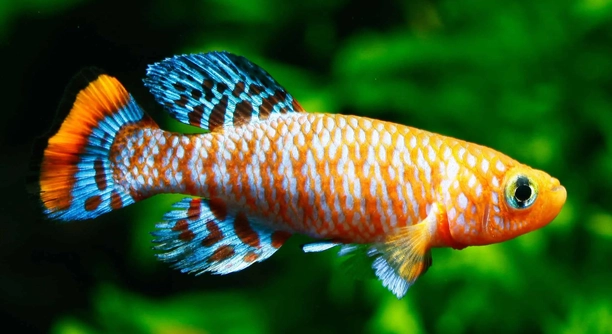
7 Signs of a Well-Balanced Killi Tank

Keeping a killifish tank well-balanced is key to maintaining healthy and vibrant fish. Many hobbyists work hard to create a stable environment where killis can thrive. Understanding the signs of a well-maintained tank helps ensure their wellbeing. A well-balanced killifish tank shows clear water, stable temperature, proper pH levels, balanced nutrition, active fish behavior, healthy … Read more
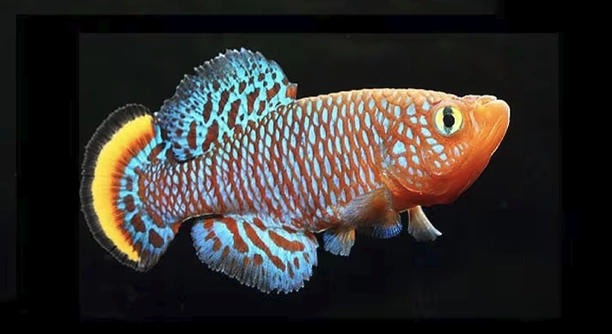
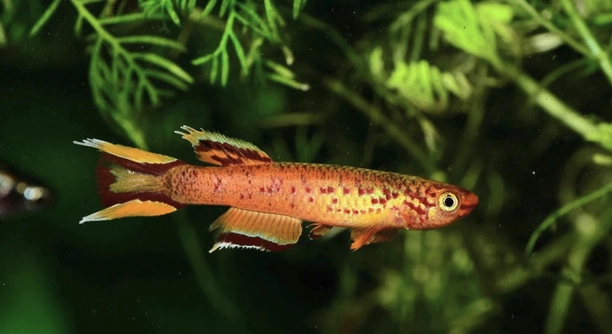
Are Killi Fish Sensitive to Loud Sounds?

Are your Killi fish acting oddly whenever there’s noise around your home, making you wonder if they might be sound-sensitive? Killi fish are indeed sensitive to loud sounds due to their acute hearing and lateral line system. Sudden or prolonged noise can trigger stress responses, alter behavior, and potentially affect their overall health and breeding … Read more

Can Killi Eggs Survive a Shipping Delay?

Killi eggs are delicate and require careful handling during shipping. Many breeders and hobbyists wonder about the impact of delays on egg survival. Understanding these effects helps ensure successful hatching and healthy fish development. Killi eggs can survive short shipping delays if kept under proper conditions, such as stable temperature and humidity. Prolonged delays or … Read more

What Causes White Spots on Killi Fish?

White spots on killi fish can be a concerning sight for any aquarium enthusiast. These small marks often appear suddenly and may indicate an underlying health problem. Understanding their cause is important for maintaining a healthy tank environment. White spots on killi fish are commonly caused by parasitic infections such as Ichthyophthirius multifiliis (Ich). This … Read more

How to Use Indian Almond Leaves for Killis

Are your killifish looking dull or not as active as they used to be? Indian almond leaves might help change that. These leaves have been widely used by aquarists to promote fish health naturally. To use Indian almond leaves for killifish, simply add one dried leaf per 10 gallons of water. The leaves release tannins … Read more

How Many Killi Fish Can I Keep Together?

Killi fish are small, colorful freshwater fish that many enjoy keeping in home aquariums. They are known for their peaceful nature and interesting behaviors. Many aquarists wonder how to best house these fish together for their well-being. The ideal number of killi fish in one tank depends on the tank size and species. Generally, one … Read more

Why Are Killi Fish So Skittish in New Tanks?

Killifish often show nervous behavior when placed in new tanks. Their quick movements and hiding can make them seem overly skittish at first. This reaction is a natural response to unfamiliar surroundings and sudden changes in their environment. Killifish are skittish in new tanks mainly due to stress caused by sudden environmental changes. They rely … Read more

Why Is My Male Killi Hiding From the Female?

Male killifish hiding from the female is a common behavior many aquarium keepers observe. This often causes concern, especially when the male seems to avoid interaction or disappears behind plants and decorations. Understanding this behavior helps improve their care and environment. Male killifish often hide from females as a response to stress, territorial disputes, or … Read more

What’s the Best Substrate for Breeding Killis?

Breeding killifish requires attention to many details, and the choice of substrate is one of the key factors. Different substrates can affect the success of spawning and the survival of eggs. Knowing the best option can make a big difference in your breeding results. The best substrate for breeding killis is typically a soft, natural … Read more

Can You Use Soil in a Killi Breeder Tank?

Using soil in a killi breeder tank is a topic that many aquarium hobbyists encounter. The choice of substrate can affect water quality and the health of delicate killifish. Understanding how soil interacts with these factors is important for successful breeding. Soil can be used in a killi breeder tank, but it must be chosen … Read more