
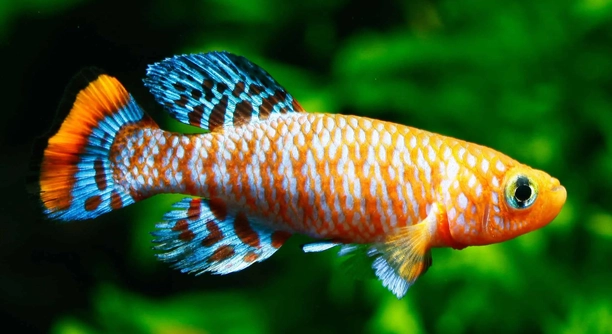
Breeding killifish requires attention to many details, and the choice of substrate is one of the key factors. Different substrates can affect the success of spawning and the survival of eggs. Knowing the best option can make a big difference in your breeding results.
The best substrate for breeding killis is typically a soft, natural material like peat moss or spawning mops. These substrates provide a safe environment for the eggs, retain moisture, and prevent damage, which helps increase hatch rates and supports healthy fry development.
Understanding the right substrate will improve your breeding setup and boost your chances of raising strong killifish fry.
Choosing the Right Substrate for Killifish Eggs
Selecting the right substrate for breeding killifish is essential because the eggs are delicate and need protection. Peat moss is a popular choice since it keeps moisture well and provides a soft surface where eggs can attach. It also creates slightly acidic water conditions, which many killis prefer for spawning. Another option is spawning mops made from yarn or synthetic fibers. These mimic natural plants and give the eggs plenty of places to stick. Some breeders use java moss or fine-leaved plants, which also offer good protection and oxygen flow around the eggs. Avoid using sharp or coarse materials, as they can damage the eggs. It’s important to keep the substrate clean but not disturb the eggs too much while removing debris or dead eggs. With the right substrate, the eggs have a better chance to develop fully and hatch healthy fry.
A soft, moisture-retaining substrate is best for killifish eggs to stay safe and develop well.
Keeping your substrate in good condition helps avoid fungus and increases hatch rates. Using natural materials is often the most effective and easiest method for breeding success.
Managing Substrate Maintenance During Breeding
Regular substrate care is needed to maintain a healthy breeding environment. It’s important to remove any dead eggs or leftover food to prevent mold and bacteria growth. Using a gentle water flow can help keep the substrate clean without disturbing the eggs. Avoid frequent substrate changes during the breeding period because this can stress the fish and eggs. Instead, spot cleaning with a turkey baster or siphon is safer. If using peat moss, rinsing it lightly before placing it in the tank helps reduce excess tannins and debris. Checking water quality often supports the substrate’s role in egg development by keeping the conditions stable. Proper maintenance increases the chance that eggs will hatch and fry will grow strong without infection or damage. Balancing cleanliness with minimal disturbance is key for a successful killifish breeding setup.
Substrate Types to Avoid
Harsh or rough substrates can harm killifish eggs by causing physical damage. Gravel or sand with sharp edges should be avoided because they can crush or scratch the delicate eggs. Also, substrates that change water chemistry drastically can stress both the adults and eggs.
Plastic-based substrates or synthetic sponges sometimes trap debris and promote harmful bacteria growth. These conditions may reduce egg survival rates. It’s best to steer clear of any materials that don’t offer a gentle, stable environment. Choosing natural, soft substrates creates a safer space for eggs to develop.
Some substrates can cause pH swings, which are harmful to killifish eggs. Using peat moss or spawning mops helps keep water stable. Avoid substrates that hold excess waste, as they encourage fungal infections on eggs. Consistent water quality is crucial for healthy fry.
Tips for Setting Up Your Breeding Tank
Use a small, quiet tank with soft lighting to reduce stress on breeding killifish. Add a gentle filter or sponge filter to keep water clean without creating strong currents that can disturb eggs. Keep water temperature steady, around 22–26°C (72–79°F), as fluctuations can affect spawning success. Place the chosen substrate at the bottom or hang spawning mops where fish can easily access them.
Regularly monitor water parameters like pH, ammonia, and nitrite to ensure a safe environment. Remove adults after spawning to protect eggs from being eaten. Keep the tank low in nutrients to avoid algae growth, which can harm eggs. Setting up the tank properly supports better breeding outcomes and healthier fry.
Using Peat Moss as a Substrate
Peat moss is widely used because it holds moisture well and creates soft conditions ideal for killifish eggs. Its natural acidity helps prevent fungal growth, protecting the eggs during development.
It’s important to rinse peat moss before use to reduce excess tannins that can discolor water. This also helps maintain a balanced environment for both adults and eggs.
Alternatives to Peat Moss
Besides peat moss, spawning mops and java moss are good options. Spawning mops mimic natural plants and give eggs plenty of places to attach. Java moss provides shelter and good water flow, helping oxygen reach the eggs. Both options are easy to clean and maintain, making them practical choices.
Avoiding Fungus on Eggs
Maintaining clean substrate and stable water conditions helps prevent fungus, which can destroy killifish eggs quickly.
FAQ
What is the best substrate for breeding killifish?
The best substrates for breeding killifish are soft and natural materials like peat moss, spawning mops, or java moss. These options provide a gentle surface for eggs to attach, retain moisture, and help prevent fungal infections. They also maintain stable water conditions, which is important for egg development.
Can I use gravel or sand for killifish breeding?
Gravel and sand are generally not recommended because their sharp or rough textures can damage delicate killifish eggs. These substrates also don’t hold moisture well enough and can allow eggs to get crushed or buried. If you want a natural look, very fine, smooth sand might work, but it’s riskier than using soft materials like peat moss.
How often should I clean the substrate during breeding?
Substrate cleaning should be minimal to avoid disturbing eggs. Spot cleaning with a turkey baster or siphon is best to remove debris or dead eggs. Frequent or deep cleaning can stress both the adults and eggs, reducing hatch rates. Keeping water quality high is more important than over-cleaning the substrate.
Should I remove adult killifish after spawning?
Yes, removing adults after spawning is advised to prevent them from eating the eggs. Killifish are known to eat their own eggs or fry if left in the breeding tank. Once spawning is complete, carefully move the adults to another tank to protect the eggs and increase survival chances.
Can I reuse peat moss for multiple breeding cycles?
Reusing peat moss is possible but not ideal. After one breeding cycle, peat moss can accumulate waste, fungus spores, and bacteria, which may harm future eggs. If you choose to reuse it, rinse it thoroughly and consider treating it lightly to reduce harmful organisms. Fresh peat moss is always safer.
What water conditions support killifish egg development?
Killifish eggs develop best in stable, slightly acidic to neutral water (pH around 6.0–7.0). Water temperature should be steady between 22–26°C (72–79°F). Avoid strong currents, as they can dislodge eggs from the substrate. Clean water with low levels of ammonia and nitrite is essential to prevent fungal growth.
How long do killifish eggs take to hatch?
Egg incubation varies by species but usually takes between 10 to 21 days. Factors like temperature and water quality can speed up or slow down development. Keeping conditions stable and the substrate moist is key to ensuring eggs hatch successfully within this timeframe.
What signs show that killifish eggs are healthy?
Healthy eggs appear clear or slightly yellowish and remain firmly attached to the substrate. They shouldn’t have fuzzy or white patches, which indicate fungus or decay. If eggs start to darken or fall off the substrate, it’s often a sign of poor water quality or infection.
How do I prevent fungus on killifish eggs?
Preventing fungus involves maintaining clean water and a well-kept substrate. Removing dead eggs promptly reduces fungal spread. Using natural substrates like peat moss helps, as its mild acidity inhibits fungus growth. Some breeders also add antifungal treatments carefully, but this should be done with caution.
Can I breed killifish without a substrate?
Breeding killifish without substrate is possible but less effective. Eggs may fall to the bottom and get lost or eaten. A proper substrate provides a secure place for eggs to attach and develop. Without it, survival rates usually drop significantly.
What should I do if eggs fall to the bottom?
If eggs fall to the bottom, gently collect them and place them on a soft substrate or spawning mop. Leaving them on the bare tank floor risks damage and fungus. Handling eggs carefully is important since they are very fragile at this stage.
Is it okay to use artificial spawning mops?
Yes, artificial spawning mops made from yarn or soft fibers are widely used. They are easy to clean and provide a good surface for eggs to stick. These mops simulate natural plants and help keep eggs safe, making them a convenient alternative to natural substrates.
How do I know when to move fry from the breeding tank?
Move fry when they are free-swimming and large enough to avoid being eaten by adults. This usually happens a few days after hatching. Keeping fry separate from adults ensures they grow safely and have access to appropriate food without competition or risk.
Can the substrate affect fry health after hatching?
Yes, the substrate impacts fry health by influencing water quality and oxygen flow around the eggs. A clean, soft substrate reduces harmful bacteria and fungus, which can affect fry survival. Good substrate choices help fry hatch stronger and grow healthier.
Are there differences in substrate needs between killifish species?
Some killifish species prefer slightly different water conditions or substrates. For example, annual killifish often spawn in peat or mud, while others may prefer spawning mops or plants. Researching the specific species’ natural habitat helps choose the most suitable substrate for breeding success.
What is the best way to prepare peat moss before use?
Rinse peat moss thoroughly with clean water to remove dust and excess tannins. Soaking it briefly can help balance water acidity and reduce discoloration. Proper preparation ensures peat moss supports eggs without harming water quality or fish health.
Final Thoughts
Choosing the right substrate is one of the most important steps in breeding killifish successfully. A soft and natural material like peat moss or spawning mops offers the best conditions for the eggs to develop safely. These substrates hold moisture well, protect the eggs from damage, and create a stable environment that helps prevent fungus and other problems. Using the proper substrate also helps keep the water quality steady, which is critical for both the eggs and the adult fish. It is important to avoid rough or sharp materials, as they can harm the delicate eggs and reduce hatch rates.
Maintaining the substrate throughout the breeding process is just as important as choosing the right one. It is best to keep cleaning to a minimum and only remove dead eggs or debris gently to avoid disturbing the healthy eggs. Regular checks of water conditions, like pH and temperature, help make sure the environment remains safe for egg development. Removing the adult fish after spawning can also protect the eggs from being eaten. Keeping the tank calm with low water flow supports the eggs and fry as they grow. Small efforts in care and maintenance will increase the chances of a successful breeding experience.
Each killifish species may have its own needs, so learning about the specific fish you are breeding is helpful. While peat moss and spawning mops work well for many types, others may prefer slightly different setups. Experimenting carefully and watching how your killifish respond can help you find the best solution. Patience and attention to detail matter, as killifish eggs are delicate and require consistent care. By focusing on a gentle substrate and stable conditions, you give your killifish the best chance to reproduce and raise healthy young. This careful approach makes breeding killifish more rewarding and enjoyable.

Hello,
If you enjoy the content that we create, please consider saying a "Thank You!" by leaving a tip.
Every little bit helps us continue crafting quality advice that supports the health, happiness, and well-being of pets around the world, for pets of all shapes, sizes, and species.
We really appreciate the kindness and support that you show us!